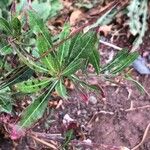
Oenothera gaura
Biennial Beeblossom · Biennial Gaura · Biennial bee-blossom · Whirling butterflies · Butterfly bush
Description
Source: leafsnapOenothera gaura, commonly known as Gaura or Beeblossom, is a perennial flowering plant native to North America. Belonging to the family Onagraceae, this plant is celebrated for its delicate and attractive appearance. Typically, it grows up to 3 feet tall, featuring slender stems and lance-shaped, green leaves. The flowers of Oenothera gaura are the plant's most captivating feature. They bloom from late spring or early summer and continue until fall, producing clusters of small white or pink flowers, each with a delicate texture and four petals. These blossoms emit a sweet fragrance that attracts bees, butterflies, and other pollinators. Oenothera gaura thrives in well-drained soil under full sunlight but can also adapt to partial shade. Once established, it is drought-tolerant, though it requires regular watering during its initial growth period. Several cultivars of this plant are available on the market today, boasting different flower colors such as pinkish-red or pristine white on tall stems. This makes Oenothera gaura an excellent choice for garden borders or container planting arrangements. Overall, Oenothera gaura is an easy-to-grow perennial that enhances any garden landscape while attracting pollinators, thereby aiding in the pollination processes for surrounding plants and supporting ecological balance.
🌳 Biennial Gaura is generally known only for decorative uses. Yet its toughness and versatility point to possibilities for horticultural innovation. Scientists anticipate a future in which biennial Gaura could be used for its drought-resistant traits in eco-friendly landscaping, helping establish green spaces in arid areas with lower water usage.
Care Guide
💧 Water Every 3 days
Biennial Gaura thrives in well-drained soil and can adapt to occasional dry conditions. While it prefers moderate moisture levels, it benefits from weekly watering to stay hydrated. As an herbaceous plant, biennial Gaura is usually grown outdoors, taking advantage of natural rainfall during its active growing season.
How should I water my Biennial Gaura?
To water the Biennial Gaura properly, it is recommended to use filtered water at room temperature or slightly warmer. Tap water should be avoided as it may contain harmful particles. The plant prefers the water to be at room temperature or slightly warmer because it is native to warm environments and cold water can be shocking to its system. Instead of watering from above, it is best to apply the filtered room temperature water directly to the soil until it is fully soaked. This helps to moisten the roots and allows them to spread through the soil and absorb necessary nutrients.
What do I do if I give my Biennial Gaura too much or too little water?
Overwatering is a common issue that can harm your Biennial Gaura. It causes wilting, yellowing of stems and leaves, and can lead to diseases like root rot, mold, and mildew that can kill your plant. Underwatering is less common but still possible. It makes the leaves brittle and brown. It's important to spot signs of overwatering early and reduce watering immediately. Check the soil for poor drainage and replace it if necessary. If you notice signs of underwatering, simply water more regularly until the symptoms improve.
How frequently do I need to water my Biennial Gaura plant?
If your Biennial Gaura is in a pot, the easiest way to know if it needs water is to check the soil by sticking your finger into it. If the top two to three inches of soil are dry, it's time to water. If you have your Biennial Gaura planted outdoors, you can use the same method. When the top few inches of soil are dry, it's time to water. Generally, during the spring and early fall, you'll need to water it about once a week. In extremely hot weather, you may need to water it two or more times a week. However, mature and well-established Biennial Gaura plants are quite resilient and can withstand drought.
How much water does my two-year Gaura plant need?
To water your Biennial Gaura properly, don't be afraid to give it a generous amount of water. Make sure the first two to three inches of soil are dry before watering, and then water the plant thoroughly until the soil is completely soaked. It's important to provide enough water for excess to flow out of the drainage holes at the bottom of the pot. If you don't see any excess water draining, you may have not watered enough. However, be careful not to let the water accumulate in the soil, as this can harm the plant. On the other hand, if water doesn't drain well from the pot, it may indicate that the soil doesn't drain properly, which is not good for the plant's health. If the plant is outside, it typically only needs 1 inch of rain per week.
How do I water my Biennial Gaura as it goes through different stages of growth?
The water requirements of the Biennial Gaura can vary depending on its growth stages. When the plant is young or has just been transplanted, it needs more water to support the development of new roots for future growth. These young roots require extra moisture. As the plant matures over a few seasons, its water needs decrease. Another stage during which the Biennial Gaura requires more water is when it is in bloom. The process of flower development utilizes a significant amount of moisture, so additional watering may be necessary during this period.
☀️ Light Full sun
Biennial Gaura performs best with maximum sunlight, reflecting the open spaces of its original habitat. Although the plant tolerates low light, a lack of light will hinder its normal growth and flowering. Conversely, excessive exposure can make its leaves wilt or become scorched.
What are the sunlight requirements for Biennial Gaura?
Biennial Gaura thrives in conditions that closely mimic its native habitat, which involves maximum exposure to sunlight. Full sun, defined as more than 6 hours of sunlight a day, is ideal for the biennial Gaura to flourish, promoting normal growth and bloom cycles. However, it can also grow in partial sun, receiving about 3-6 hours of sunlight daily. It is essential to observe the movement of sunlight through your garden to find a spot that provides the right balance of light and shade, ensuring the plant's happiness. Despite its resilience to low light conditions, insufficient sunlight will hinder the plant's growth and blossoming, while excessive sunlight could damage its leaves.
How can artificial lighting benefit Biennial Gaura, and what are the best practices?
Artificial lighting serves as an integral solution for Biennial Gaura when natural sunlight is insufficient, especially during winter or in less sunny areas indoors. By promoting faster and healthier growth, artificial lights can compensate for the lack of natural light. LED lights, popular for indoor plant lighting, can provide specific wavelengths needed by the plants. Full sun plants require 30-50W/sq ft, partial sun plants 20-30W/sq ft, and full shade plants 10-20W/sq ft of artificial light. Placing the artificial light 12-36 inches above the plants mimics natural sunlight, and most plants will need 8-12 hours of light per day to thrive.
What are the key symptoms of inadequate light exposure in Biennial Gaura?
When Biennial Gaura does not receive adequate light, several symptoms can appear, indicating light deficiency. These include smaller new leaves compared to older ones, leggy or sparse growth due to longer spaces between leaves or stems, and a faster rate of leaf drop as the plant tries to conserve resources. The growth of the plant may slow down or halt entirely, with new leaves possibly showing irregular color patterns or appearing paler due to insufficient chlorophyll. Additionally, chlorosis (leaves turning yellow), sunscald, leaf curling, wilting, and leaf scorching are all indicative of either too much or too little light, affecting the plant's health and ability to photosynthesize.
How can you address and improve light conditions for Biennial Gaura both indoors and outdoors?
Improving light conditions for Biennial Gaura involves gradual adaptation to more suitable lighting. Indoors, it's advisable to move the plant to a sunnier location progressively until it receives at least 6 hours of direct sunlight, utilizing south-facing windows for natural light and keeping curtains open during the day. Artificial lighting, like desk lamps or professional grow lights, should be considered for additional support, ensuring they're on for at least 8 hours daily. Outdoors, plants should be moved to sunnier spots gradually to prevent sunburn. Pruning obstructions like tree branches can increase sunlight exposure. For smaller plants, transplanting during their dormant period to a location with ample sunlight and good drainage can significantly benefit their growth. Remember, parts of the plant that suffered due to insufficient light may not recover, but new growth will be healthy with improved light conditions.
🌡️ Temperature 10–35°C
Biennial Gaura naturally occurs in environments where temperatures typically range from 68 to 95 ℉ (20 to 35 ℃). It favors these warmer climates but may require extra care during seasons that are unusually hot or cold.
What is the ideal temperature range for growing Biennial Gaura?
Biennial Gaura thrives in environments where the temperature typically ranges from 68 to 95 °F (20 to 35 °C). These conditions are ideal for its growth, as it prefers warmer climates. However, the plant is adaptable and has strong cold resistance, allowing it to survive without special frost protection measures in most winter conditions. Even so, additional care may be required during unusually hot or cold seasons to maintain its health and vitality.
How should I protect Biennial Gaura during extremely cold winters?
While Biennial Gaura has significant cold resistance, if winter temperatures are expected to plummet below -25°C, it's crucial to provide the plant with cold protection to ensure its survival through the harsh conditions. This can be achieved by covering the plant with insulating materials, such as soil or straw, which can help shield it from extreme cold. Additionally, watering the plant abundantly before the first freeze in autumn to ensure the soil stays moist can be beneficial. This helps prevent the soil and plant from drying out, maintaining the necessary moisture levels for the plant during winter and into early spring.
What symptoms indicate that Biennial Gaura is suffering from low temperatures, and what should I do?
If the temperatures drop below the plant's cold tolerance, particularly below -25°C, you may not observe immediate changes. However, such conditions can lead to decreased sprouting or even a complete lack of sprouting in the spring. Should you notice these symptoms, the recommended solution is to remove any parts of the plant that have failed to sprout in the spring, allowing healthier parts to continue growing.
How does high temperature affect Biennial Gaura and how can I mitigate these effects?
Biennial Gaura should ideally be kept below 35°C during the summer months. Temperatures exceeding 41°C can cause noticeable stress to the plant, including lighter-colored leaves, curling, susceptibility to sunburn, and in severe cases, wilting and drying of the entire plant. To mitigate these effects, it's advisable to trim away the sunburned and dried-up parts of the plant. Relocating the plant to a shadier spot or using a shade cloth to protect it from the midday and afternoon sun can help. Additionally, watering the plant in the morning and evening to ensure the soil remains moist is crucial during periods of extreme heat.
💨 Humidity
🪴 Soil 6-7
🌱 Fertilizer
Biennial Gaura requires regular fertilizing to encourage flowering but doesn't tolerate too much. It needs small, frequent doses of fertilizer throughout its entire life cycle, especially during the peak of active growth and while it is flowering. You will feed your Biennial Gaura until they stop blooming.
🪴 Pot & Repot
✂️ Pruning
The Biennial Gaura is known for its beautiful flowers and delicate leaves. To enhance blooming and improve air circulation, prune the plant from early to late spring. Maintain the plant at about one-third of its height to prevent legginess and encourage a bushier appearance. This will help ensure the plant's health and enhance its overall aesthetics.
🌿 Propagating
🐛 Diseases & pets
☠️ Toxicity
Characteristics
- Plant Type
- Herb
- Life Cycle
- Biennial
- Genus
- Oenothera
- Family
- Onagraceae
- Hardiness Zone
- 6-10
- Mature Height
- 0.61 m to 1.83 m
- Mature Spread
- 30 cm to 61 cm
- Leaf Color
- Green, Dark Green
- Leaf Type
- Semi-evergreen
- Flower Color
- White
- Flower Size
- 2.54 cm
- Bloom Time
- Late spring, Early summer, Mid summer
- Planting Time
- Spring, Summer, Autumn
- Harvest Time
- Summer