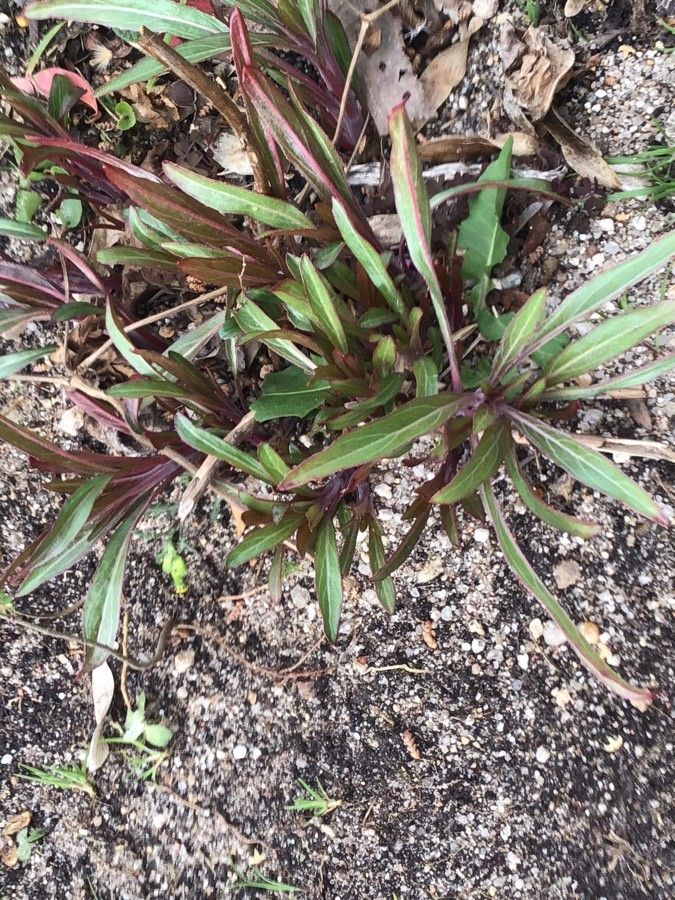
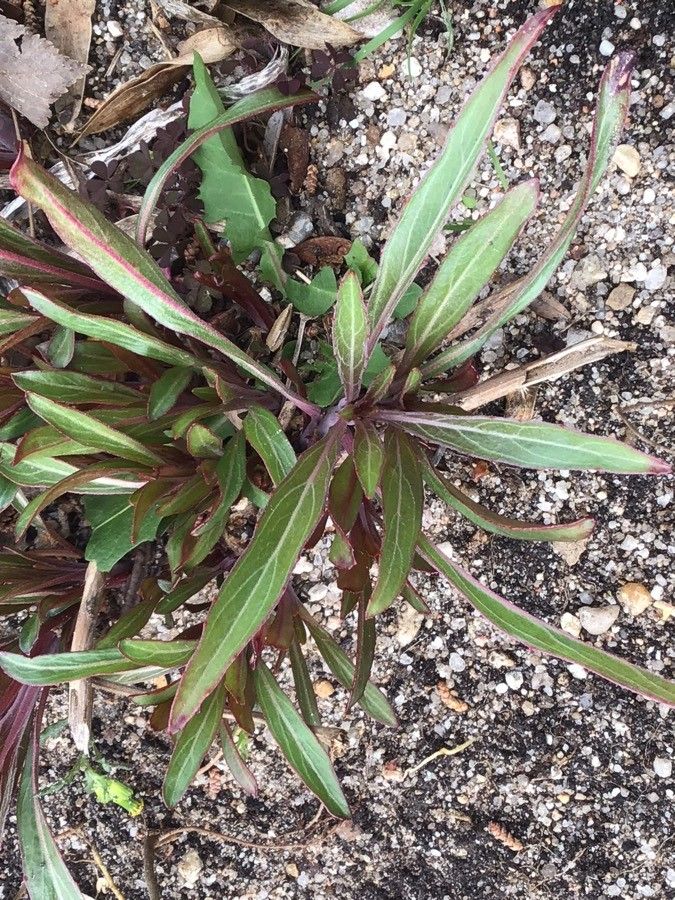
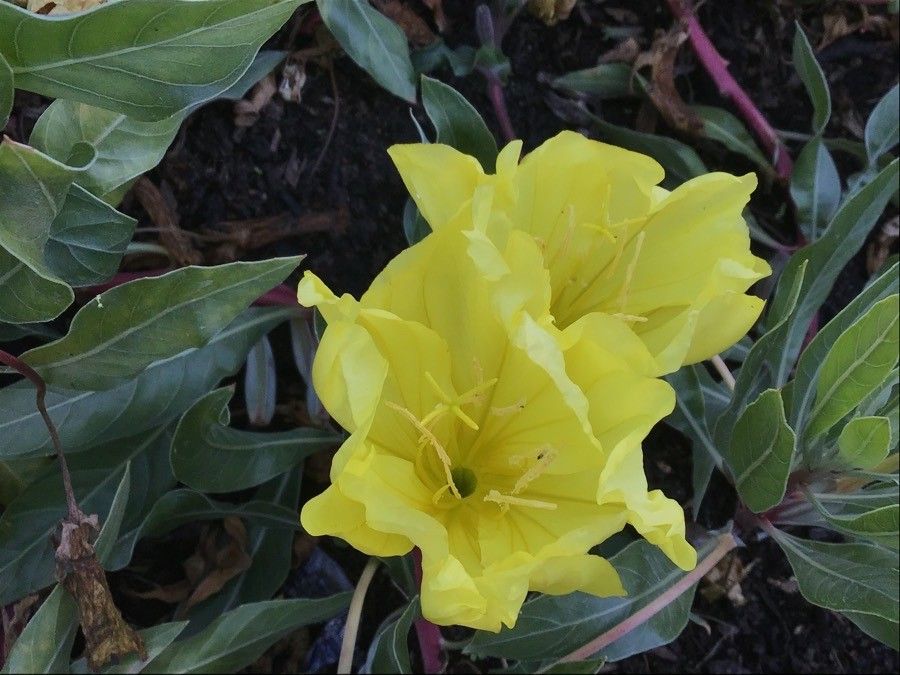
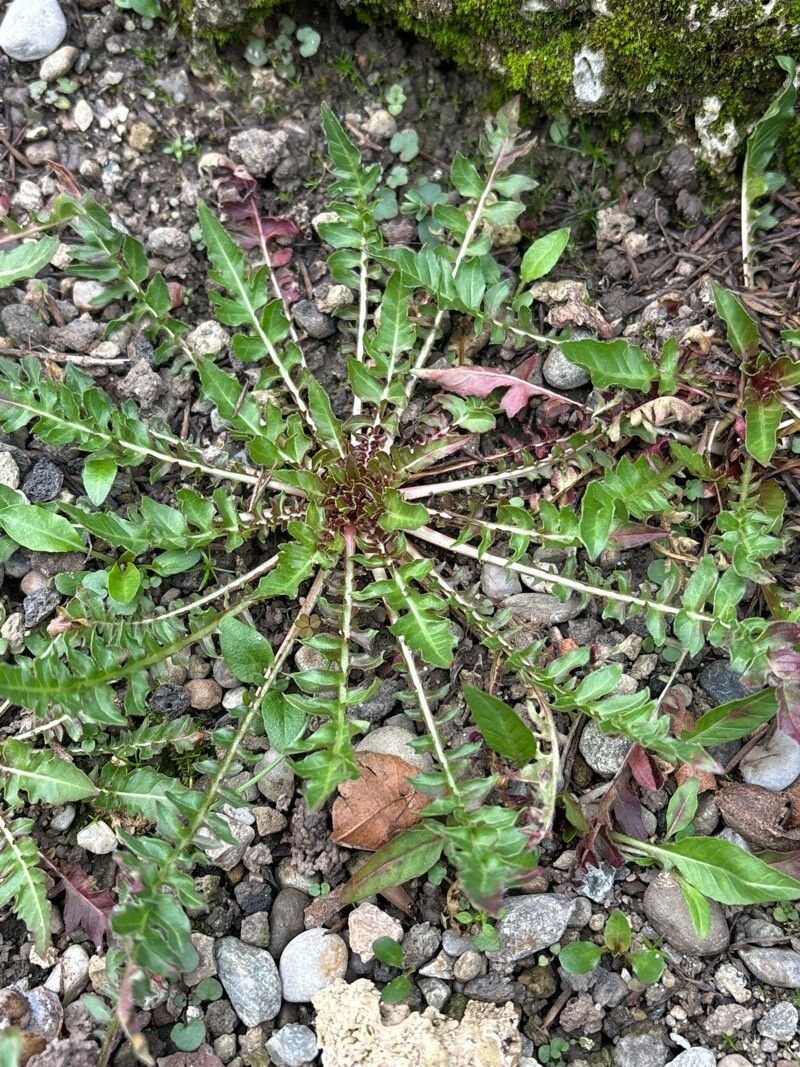
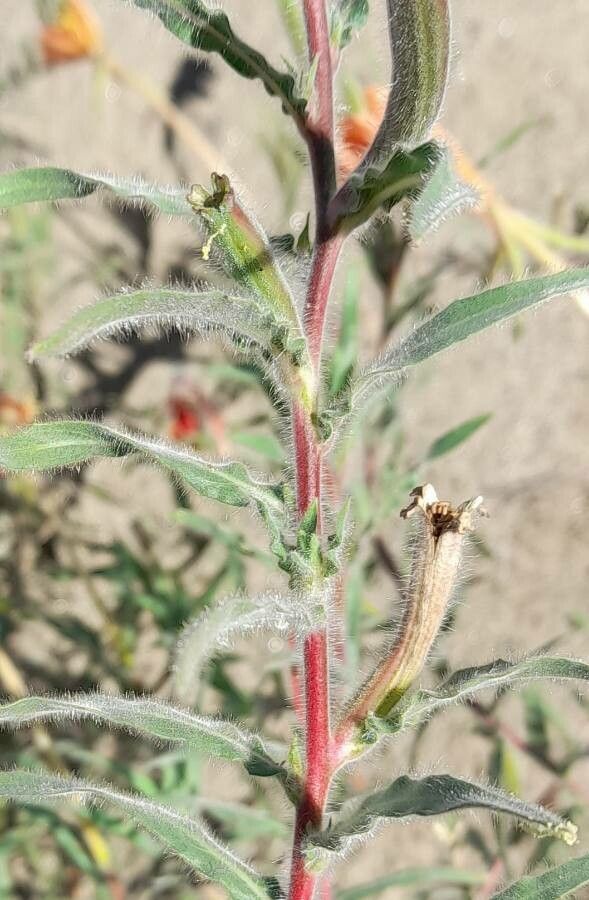
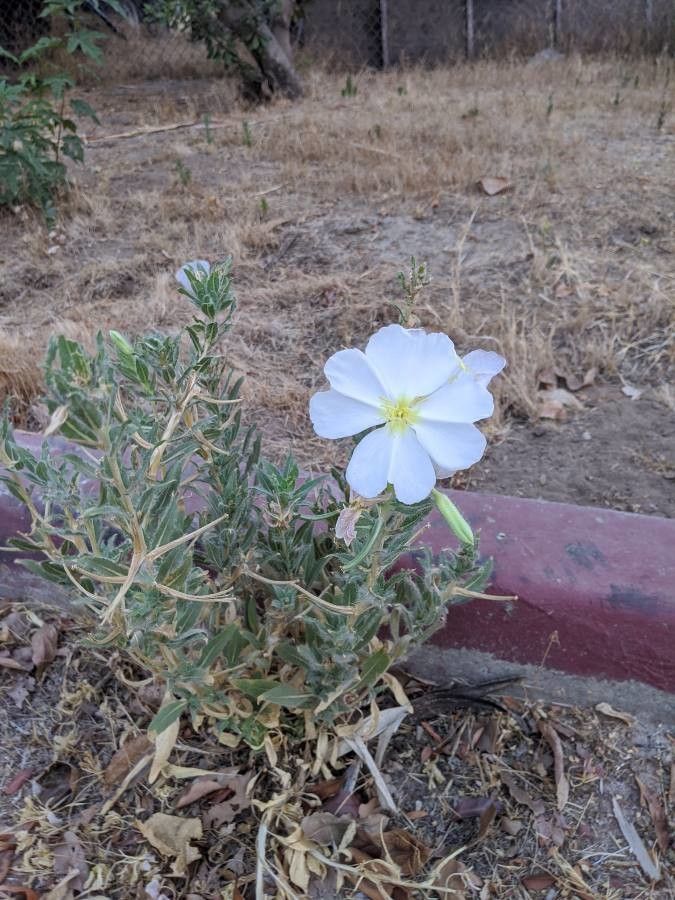
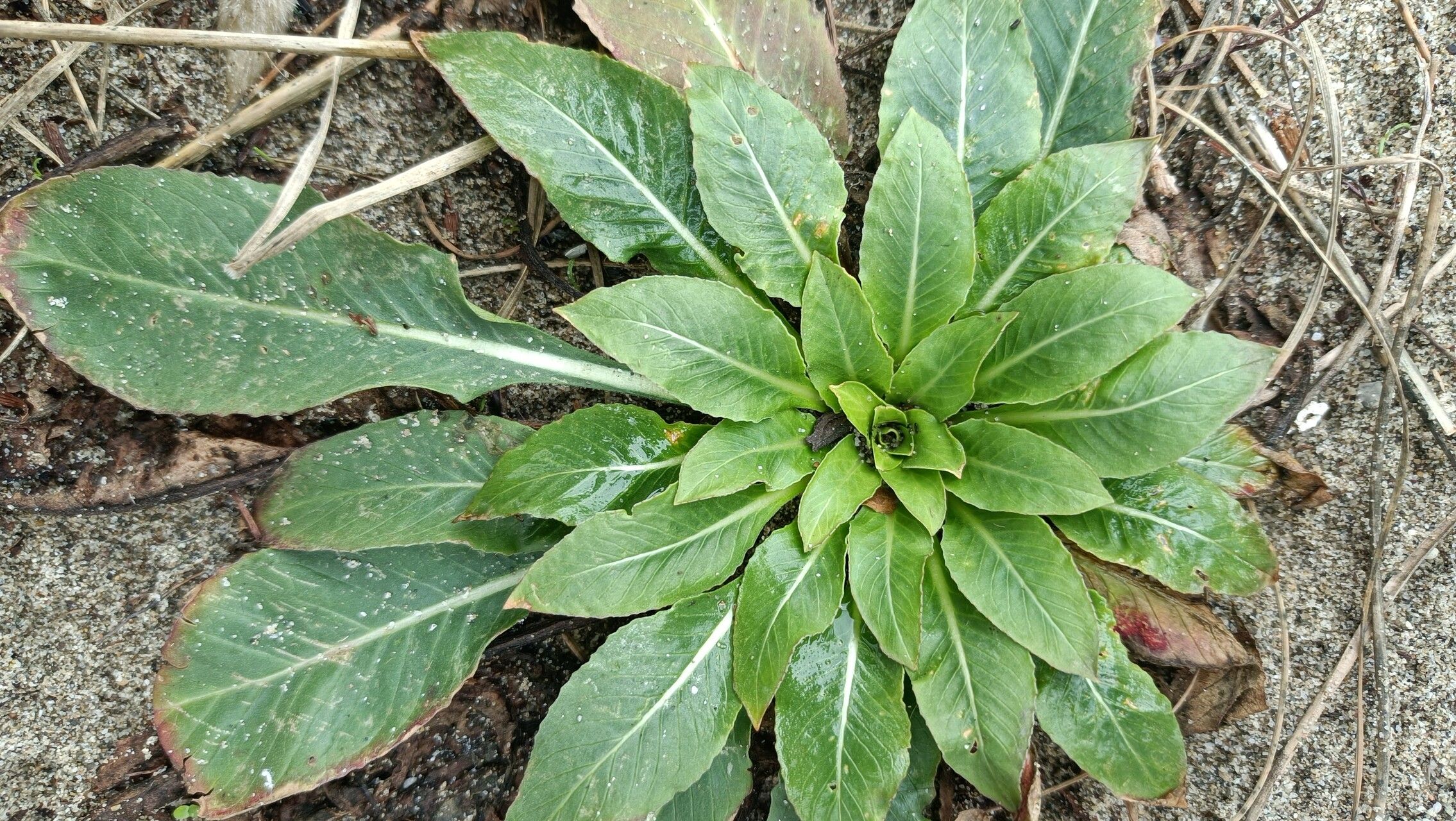
Oenothera missouriensis, commonly known as Missouri evening primrose, is a perennial plant native to the central and western regions of North America. Belonging to the Onagraceae family, this plant typically reaches a height of about 1 to 2 feet. Missouri evening primrose produces bright yellow flowers that bloom in the evening and close during the day. These flowers feature four petals arranged in a cross shape, with a prominent yellow center.
The plant thrives in well-drained soil and full sun exposure, although it can tolerate partial shade. It is drought-tolerant once established but benefits from occasional watering during extended dry periods. For centuries, Native American tribes have utilized various parts of this plant for medicinal purposes, treating ailments such as stomachaches, headaches, and skin irritations.
Overall, Oenothera missouriensis is a vibrant and low-maintenance addition to any garden or landscape. Its striking blooms and hardy nature make it an attractive choice for gardeners and landscapers alike.
Oenothera macrocarpa subsp. macrocarpa shows good resistance to disease and is generally not prone to illnesses. However, it can be vulnerable to pests and diseases present in its surroundings. These infections are typically not severe. In terms of care, this plant requires moderate maintenance. It should be pruned regularly to preserve an attractive appearance and support healthy growth. Fertilization can also help encourage flowering. Oenothera macrocarpa subsp. macrocarpa is suitable for anyone with outdoor space, such as a garden or patio, and does not require extensive experience in plant care. It may need more attention when grown indoors.
How to keep Oenothera Missouriensis.
Light
The perennial herbaceous plant, Oenothera macrocarpa subsp. macrocarpa, is native to open environments, typically flourishing in grasslands and meadows. It has a strong affinity for full sun exposure, however, it can also survive in conditions of partial sunlight.
Temperature
Oenothera macrocarpa subsp. macrocarpa is capable of adjusting to varied temperature environments, yet a combination of heat and moisture conditions could restrict its dispersion. It flourishes optimally in summer climates that are heated, given there's sufficient rain or irrigation. Extended sequences of gloomy, wet weather or sustained elevated temperatures can amplify the chances of the Oenothera macrocarpa subsp. macrocarpa expiring. Protection from the frigid conditions in winter could enhance the endurance rate of the plant.
Fertilizer
The optimal period to feed Oenothera macrocarpa subsp. macrocarpa is at the start of springtime whilst its flowers are developing. Applying suitable fertilizer promotes improved blossoms and assists Oenothera macrocarpa subsp. macrocarpa in generating attractive flowers. Providing fertilization in the early part of spring guarantees an abundance of beautiful flowers throughout its growth season and supports energy conservation for its idle growth stages.
Botanical profile.
- Plant Type
- Herb
- Life Cycle
- Perennial
- Genus
- Oenothera
- Family
- Onagraceae
- Hardiness Zone
- 4-8
- Mature Height
- 30 cm to 91 cm
- Mature Spread
- 49 cm
- Leaf Color
- Green, Dark Green
- Leaf Type
- Deciduous
- Flower Color
- Yellow
- Flower Size
- 7.62 cm to 11.43 cm
- Bloom Time
- Late spring, Early summer, Mid summer
- Planting Time
- Spring, Summer, Autumn
- Harvest Time
- Mid summer, Late summer, Early fall
Other names.