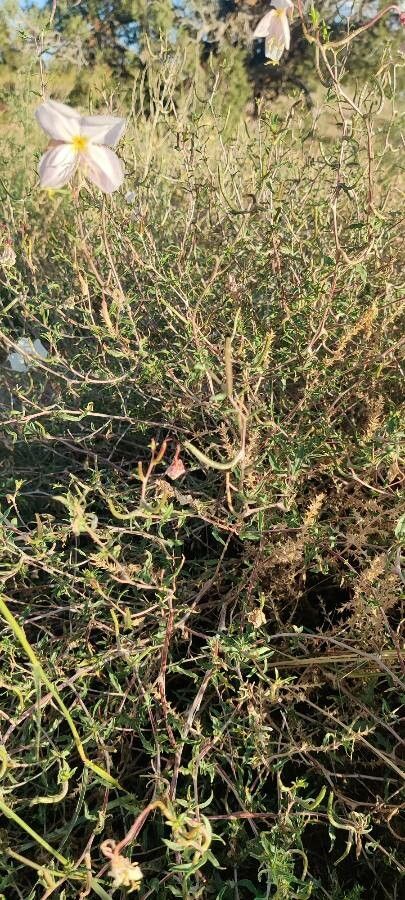
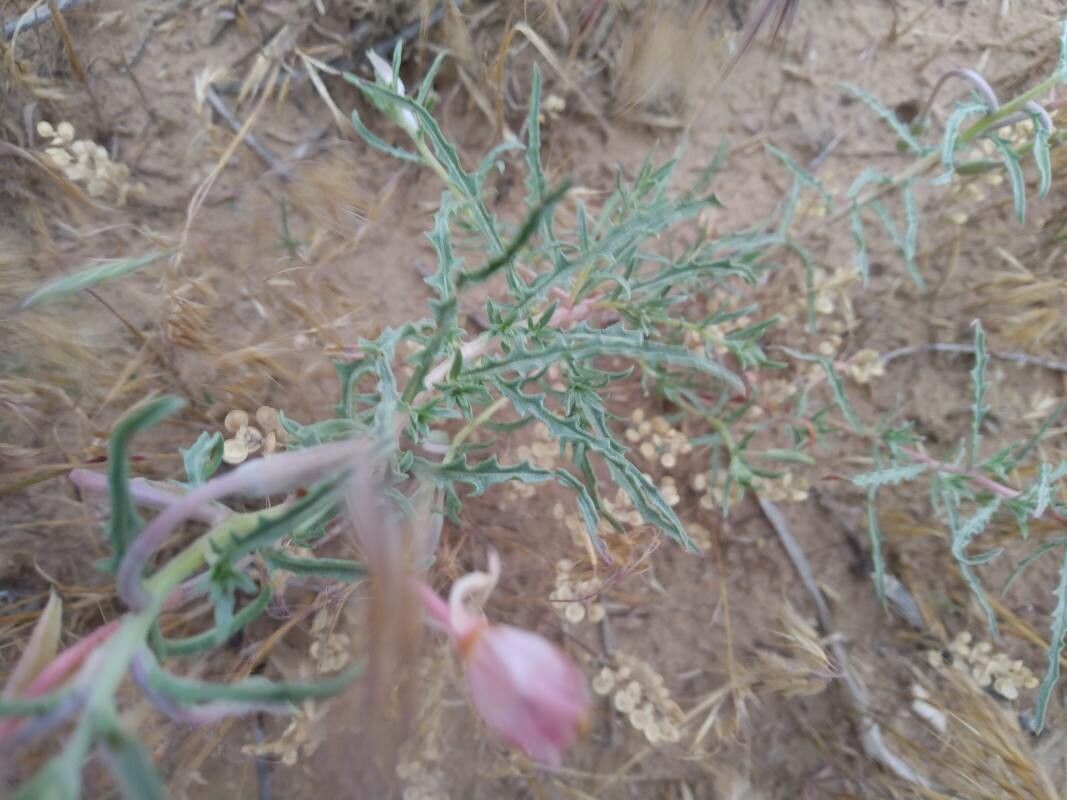
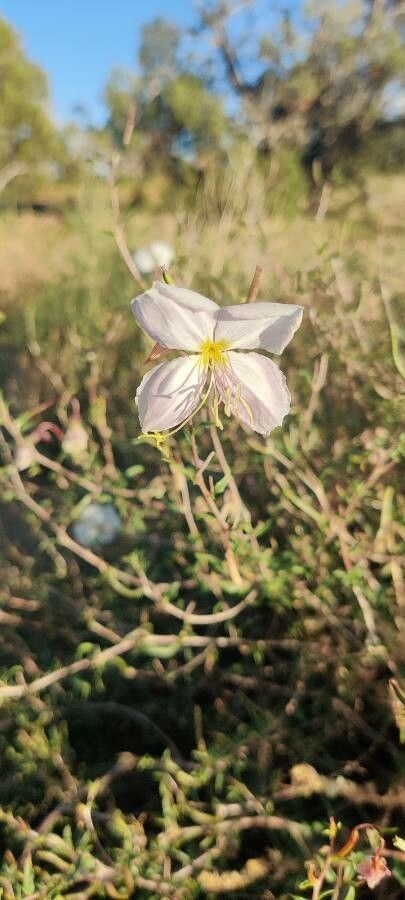
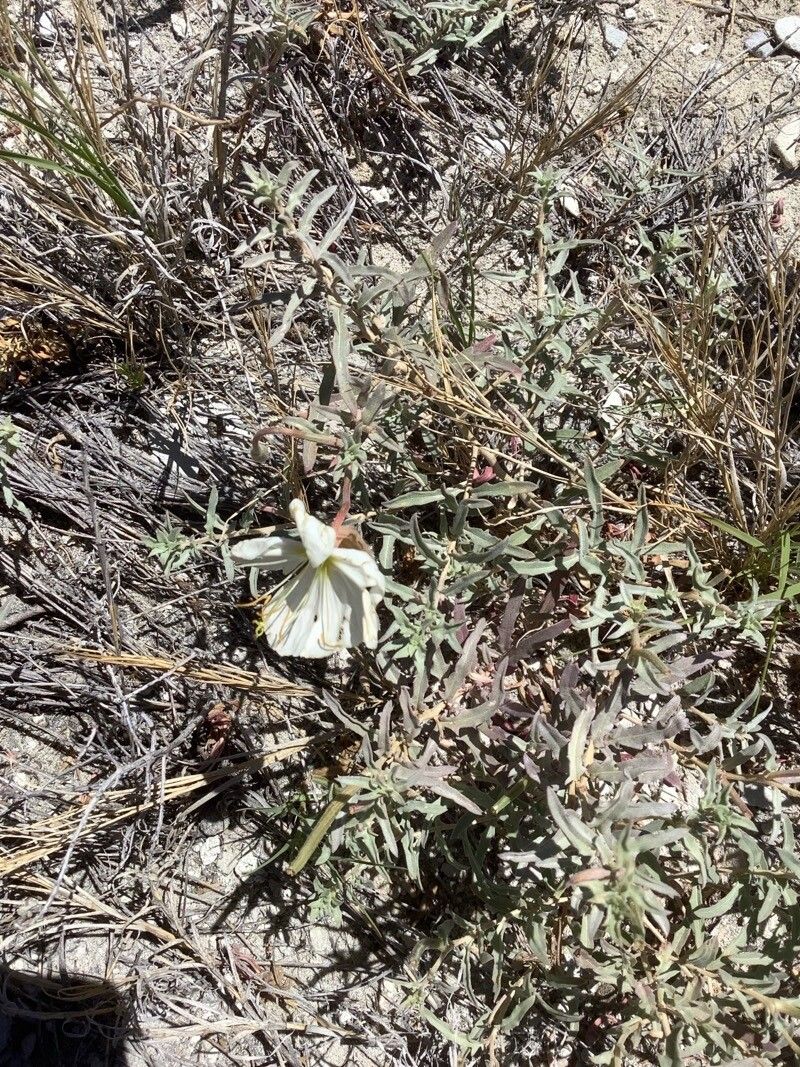
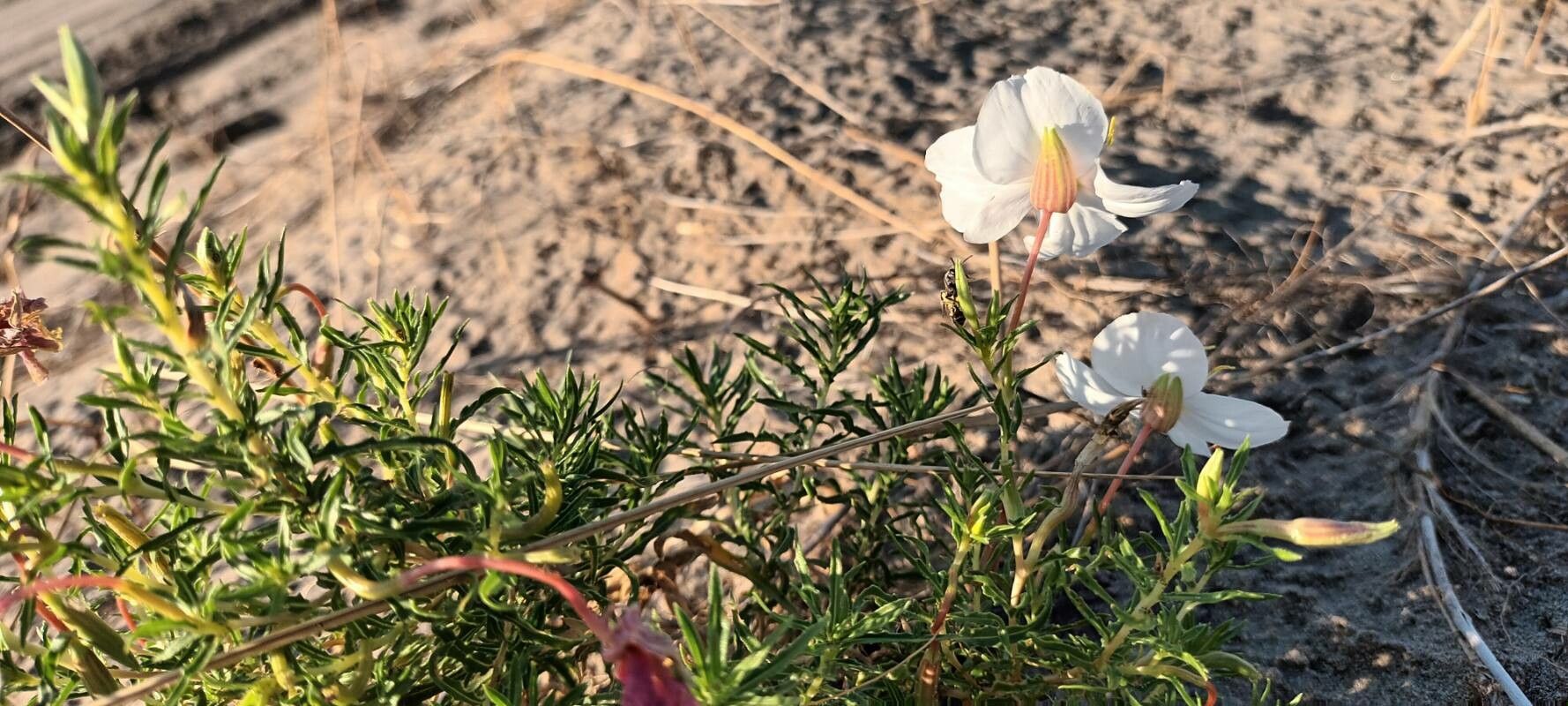
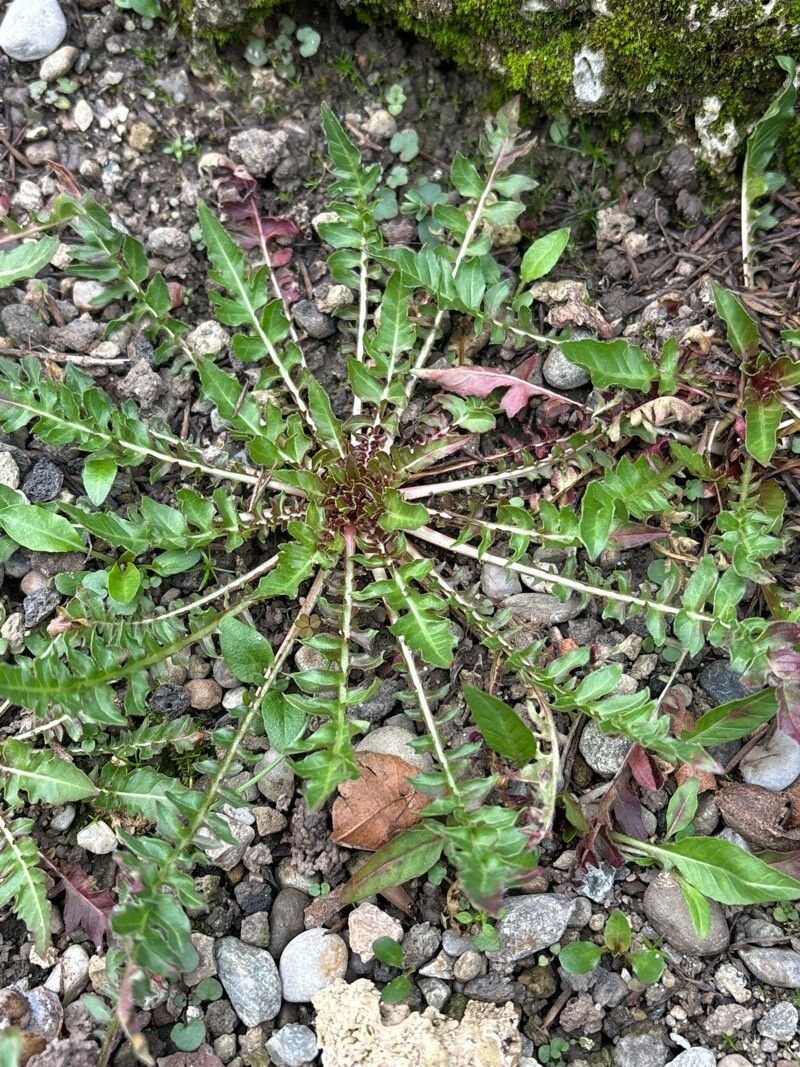
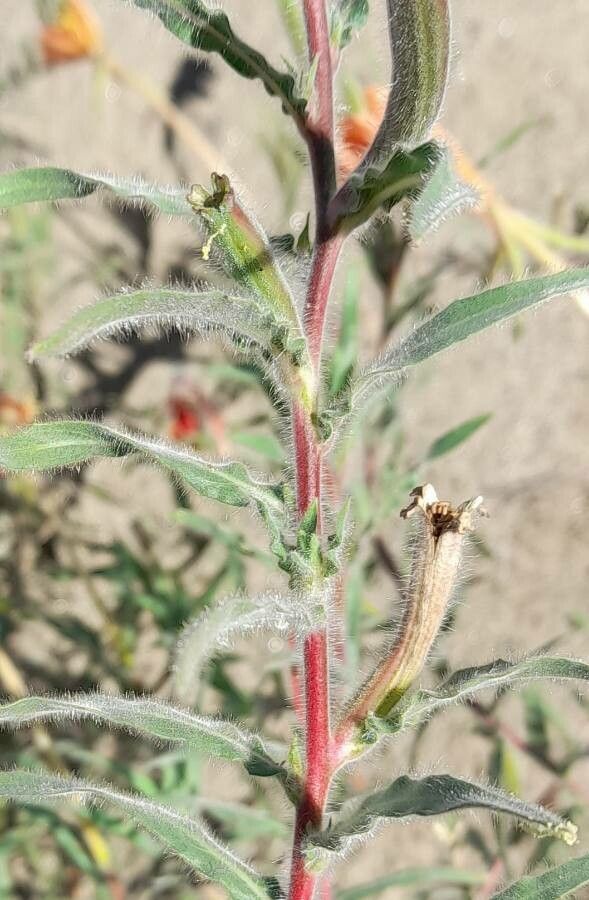
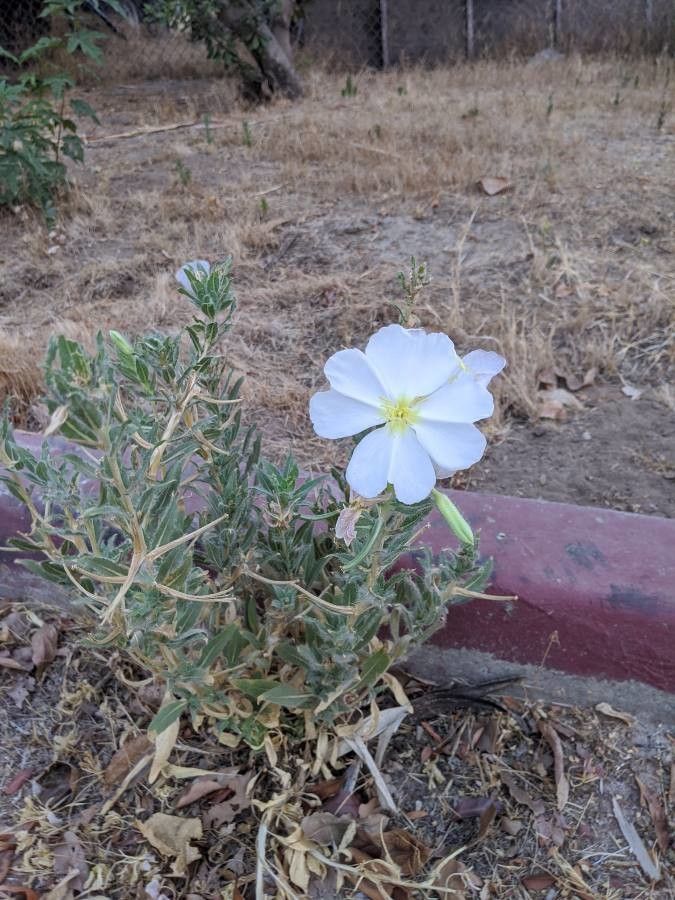
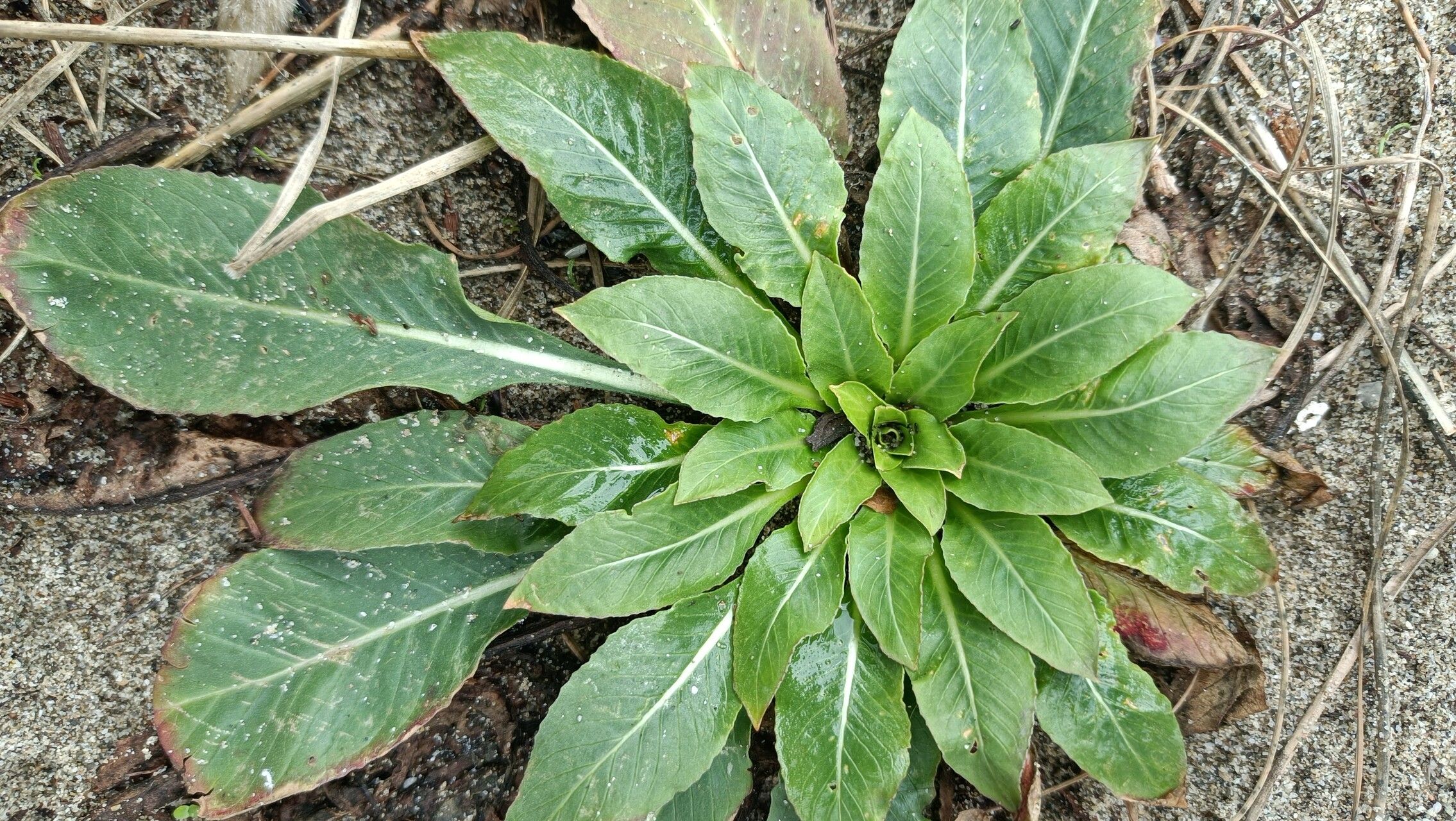
Oenothera pallida, the pale evening-primrose, is a species of flowering plant in the family Onagraceae. It is native to British Columbia, the western United States, and northern Mexico. Flowers start out white and fade to pink.
Pale evening-primrose shows strong resistance to disease and typically does not suffer from illnesses. Still, it can be vulnerable to pests and diseases present in its environment. Such infections are generally mild. Regarding upkeep, this plant needs a moderate amount of care. It should be trimmed regularly to preserve a neat appearance and healthy development. Applying fertilizer can also encourage blooming. Pale evening-primrose is appropriate for anyone who has outdoor space, like a garden or patio, and does not demand extensive gardening experience. It may need extra attention if cultivated indoors.
How to keep Oenothera Pallida.
Light
Pale evening-primrose is a sun-loving, perennial herbaceous plant native to open habitats and often does well in meadows and grasslands. It prefers full sun but can also tolerate partial sun conditions.
Water
The pale evening-primrose is ideal for arid climates due to its exceptional drought tolerance. It typically requires watering only every 1-2 weeks. As a deciduous plant, its water needs decrease significantly during its dormancy period, demonstrating its ability to conserve water effectively.
Temperature
Pale evening-primrose can tolerate a wide range of temperatures, but its distribution may still be limited by different combinations of moisture and heat. It performs best in warm summers with sufficient rainfall or irrigation. Extended periods of cloudy, rainy weather, as well as prolonged high temperatures, can increase the chances of Pale evening-primrose dying. In winter, proper protection from cold can improve the plant's survival.
Fertilizer
For Pale evening-primrose, the best time to apply fertilizer is in early spring as the flowers start to form. The proper fertilizer promotes better blooms and helps Pale evening-primrose produce attractive flowers. Fertilizing in early spring supports strong flowering during the season and supplies energy for its dormant growth phases.
Pruning
To encourage the flourishing of pale evening-primrose, it's important to prune the plant properly. Ideally, pruning should occur in early spring before new growth begins. Start by removing any dead or damaged stems to improve air circulation and boost flowering. Be careful not to over-prune, as maintaining the plant's natural form is beneficial. These practices will contribute to a vibrant and healthy garden.
Botanical profile.
- Plant Type
- Herb
- Life Cycle
- Perennial
- Genus
- Oenothera
- Family
- Onagraceae
- Hardiness Zone
- 4-9
- Mature Height
- 15 cm to 61 cm
- Mature Spread
- 10 cm
- Leaf Color
- Light Green, Gray
- Leaf Type
- Deciduous
- Flower Size
- 5.08 cm to 7.62 cm
- Bloom Time
- Late spring, Summer
- Planting Time
- Spring, Summer
- Harvest Time
- Mid summer, Late summer, Early fall, Mid fall
Other names.
Reader questions.
What are the sunlight requirements for Pale evening-primrose?
The Pale evening-primrose (Oenothera pallida) thrives in various sunlight conditions. For full sun exposure, it requires above 6 hours of sunlight a day to grow healthily. If the plant is in an area with partial sun, it should receive about 3-6 hours of sunlight daily. It's important to observe how sunlight moves through your garden, allowing you to choose spots that balance light and shade optimally for your plants. This careful selection ensures the happiness and health of your Pale evening-primrose.
What is the common name of Oenothera pallida?
The common name of Oenothera pallida is Pale evening-primrose.
What is the botanical name of the Pale evening-primrose?
The botanical name of the Pale evening-primrose is Oenothera pallida.