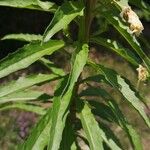
Oenothera parviflora
Northern evening primrose · Least Evening-Primrose · Evening primrose · Small-flowered Evening-primrose · Small-flowered evening primrose
Description
Source: leafsnapOenothera parviflora, the northern evening primrose, is a species of flowering plant in the family Onagraceae. It is native to northeastern North America, and invasive in Europe, Asia, South Africa and New Zealand.
Care Guide
💧 Water
The least evening primrose thrives in well-drained soils that have moderate moisture and consistent hydration, without becoming waterlogged. Although it is resilient to dry spells, it benefits from being watered once a week. When grown outdoors, the least evening primrose synchronizes its growth cycle with seasonal rainfall patterns.
How should I water my Least eveningprimrose plant?
To properly care for the Least eveningprimrose, use filtered water at room temperature or slightly warmer. Tap water may contain harmful particles, so filtered water is a better choice. Since this plant is from a warm climate, cold water can shock it, so avoid using cold water. It's best to avoid overhead watering as well to prevent foliage problems. Instead, make sure to thoroughly soak the soil with the filtered, room temperature water. This helps the plant by moistening the roots and allowing them to spread through the soil and absorb necessary nutrients.
What should I do if I give my Least eveningprimrose too much or too little water?
Overwatering is a more common problem for the health of your Least eveningprimrose. It causes wilting, yellowing leaves and can lead to diseases like root rot, mold, and mildew. Underwatering is less common, but can make the leaves brittle and brown. It's important to recognize the signs of overwatering early and adjust your watering schedule accordingly. If the soil drains poorly, replace it with a well-draining potting mix. If your plant is not getting enough water, increase watering until the signs improve.
How frequently do I need to water my Least eveningprimrose?
If your Least eveningprimrose is in a pot, you can determine if it needs water by checking the soil. Simply stick your finger into the soil and if the top two to three inches are dry, it's time to water it. If you're growing your Least eveningprimrose outdoors in the ground, you can use the same method. Once the first few inches of soil have dried out, it's time to add water. During the spring and early fall, you'll likely need to water this plant about once a week using this method. In extremely hot weather, you may need to water it twice or more per week. However, mature and well-established Least eveningprimroses have the ability to withstand periods of drought.
How much water does my Least eveningprimrose plant need?
When watering your Least eveningprimrose, don't be afraid to give it a generous amount of water. Make sure the first two to three inches of soil are dry before watering. It's best to thoroughly soak the soil, allowing excess water to drain through the pot's holes. If you don't see any excess water draining, you may have not watered enough. However, be careful not to let water accumulate in the soil as it can harm the plant. On the other hand, if water doesn't drain well, it could be a sign of poorly draining soil, which is harmful to the plant. For outdoor plants, receiving about 1 inch of rain per week is sufficient.
How should I water my Least eveningprimrose as it grows?
The water needs of the Least eveningprimrose vary depending on its growth stages. When the plant is in its early years or if you recently transplanted it, it requires more water than usual. During these stages, the plant focuses on growing new roots, which require extra moisture for optimal performance. As the plant matures, it will require less water. Another growth stage when more water is needed is during the bloom period, as flower development requires significant moisture.
☀️ Light Full sun
Least eveningprimrose prefers sites that receive steady sun all day but can also tolerate locations with moderate light. The plant does better with abundant light. Insufficient light leads to slower growth, while too much light can cause leaf scorch.
What are the sunlight requirements for Least eveningprimrose?
Least eveningprimrose thrives in areas that are exposed to consistent sun throughout the day, requiring above 6 hours of sunlight for full sun conditions and about 3-6 hours of sunlight for partial sun conditions. However, it can also adapt to places with moderate sunlight exposure. It's important to watch how sunlight moves through your garden to ensure you're choosing spots that provide the right balance of light and shade for your plants, optimizing their growth and health.
How does insufficient or excessive sunlight affect Least eveningprimrose?
Insufficient sunlight may lead to symptoms such as smaller new leaves, leggy or sparse growth, faster leaf drop, slower or halting new growth, paler or irregularly colored new leaves, indicating a lack of chlorophyll and essential nutrients. Excessive sunlight can cause chlorosis, sunscald, leaf curling, wilting, and leaf scorching, impacting the plant's ability to photosynthesize and maintain overall health. Both conditions are detrimental to the Least eveningprimrose's wellbeing.
Can artificial lighting be used for Least eveningprimrose and how?
Indoor Least eveningprimrose plants can benefit significantly from artificial lighting, especially when natural sunlight is insufficient. LED lights are recommended due to their versatility in providing specific wavelengths needed for plant growth. For full sun plants, 30-50W per square foot of artificial light is advised, partial sun plants require 20-30W per square foot, and full shade plants need 10-20W per square foot. The artificial light source should be placed 12-36 inches above the plant and kept on for 8-12 hours per day to mimic natural sunlight conditions.
What are the recommended solutions for addressing light-related issues for Least eveningprimrose?
To address light-related issues for Least eveningprimrose, consider gradually moving plants to sunnier locations to meet their sunlight requirements, utilizing south-facing windows or artificial lighting to ensure optimal light exposure. For outdoor plants, avoid sudden changes in light intensity to prevent sunburn and ensure healthy new growth. Methods to increase sunlight include reducing obstructions and, for smaller plants, transplanting during dormant periods to spots with better sunlight and drainage. Remember, parts of the plant affected by poor light may not recover, but new growth will appear healthier with improved light conditions.
🌡️ Temperature 5–35°C
Least eveningprimrose is suited to its native habitats, where temperatures commonly range from 68 to 95 °F (20 to 35 ℃). It performs best in these warmer conditions. In colder climates, seasonal temperature adjustments may be necessary to maintain optimal growth.
What is the optimal temperature range for the growth of Least eveningprimrose?
Least eveningprimrose thrives best in environments where the temperature typically ranges between 68 to 95 °F (20 to 35 °C). These conditions are ideal for its growth. In climates that do not naturally provide these conditions, seasonal temperature adjustments may be necessary to ensure the plant's optimal growth.
How does Least eveningprimrose handle cold weather and what measures should be taken in freezing temperatures?
Least eveningprimrose has strong cold resistance and does not usually require special frost protection measures. However, if temperatures are expected to drop below -30°C, it's important to provide protection by covering the plant with soil or straw. Additionally, watering the plant abundantly before the first freeze in autumn is recommended to ensure the soil remains moist and freezes, thus providing moisture for the plant during winter and early spring.
What should be done if the Least eveningprimrose experiences temperatures below its cold tolerance level?
If Least eveningprimrose is subjected to temperatures falling below -30°C, despite its cold tolerance, it may show a decrease in sprouting or fail to sprout at all come spring. To manage this, remove any parts of the plant that have failed to sprout in spring.
How does Least eveningprimrose react to high temperatures and what are the recommended measures?
In conditions where the temperature rises above 95°F (35°C), Least eveningprimrose may show signs of distress such as lighter colored leaves, curling, susceptibility to sunburn, and in severe cases, wilting and drying out. To counteract this, trim away sunburned and dried parts of the plant, move it to a shaded location or use a shade cloth to protect it from midday and afternoon sun, and ensure the soil is kept moist by watering in the morning and evening.
What is the botanical name of Least eveningprimrose?
The botanical name of Least eveningprimrose is Oenothera parviflora.
💨 Humidity
🪴 Soil 6-7
🌱 Fertilizer
Least eveningprimrose are regarded as heavy feeders in terms of nutrients. They need frequent, low applications of nitrogen and potassium fertilizers and occasional applications of phosphorus, micronutrients, sulfur, and magnesium to maintain healthy growth and bright coloration. Continuous fertilization throughout the growing season is required to prevent deficiency symptoms and maintain optimal growth.
🪴 Pot & Repot
✂️ Pruning
The least evening primrose features slender stems and vibrant yellow blooms. For best results, prune the plant from early to late spring by removing dead stems, which promotes healthy blooming. Regularly deadhead the spent flowers to prevent self-seeding and prolong the blooming period. Pruning also improves air circulation, reduces the risk of disease, and enhances the overall health of the plant.
🌿 Propagating
🐛 Diseases & pets
☠️ Toxicity
Oenothera parviflora has no toxic effect reported.
Characteristics
- Plant Type
- Herb
- Life Cycle
- Biennial
- Genus
- Oenothera
- Family
- Onagraceae
- Hardiness Zone
- 4-10
- Mature Height
- 0.3 m to 1.22 m
- Mature Spread
- 30 cm to 61 cm
- Leaf Color
- Green, Dark Green
- Leaf Type
- Deciduous
- Flower Color
- Yellow
- Flower Size
- 2.03 cm to 3.05 cm
- Bloom Time
- Summer
- Planting Time
- Spring, Summer, Autumn
- Harvest Time
- Late summer, Early fall, Mid fall