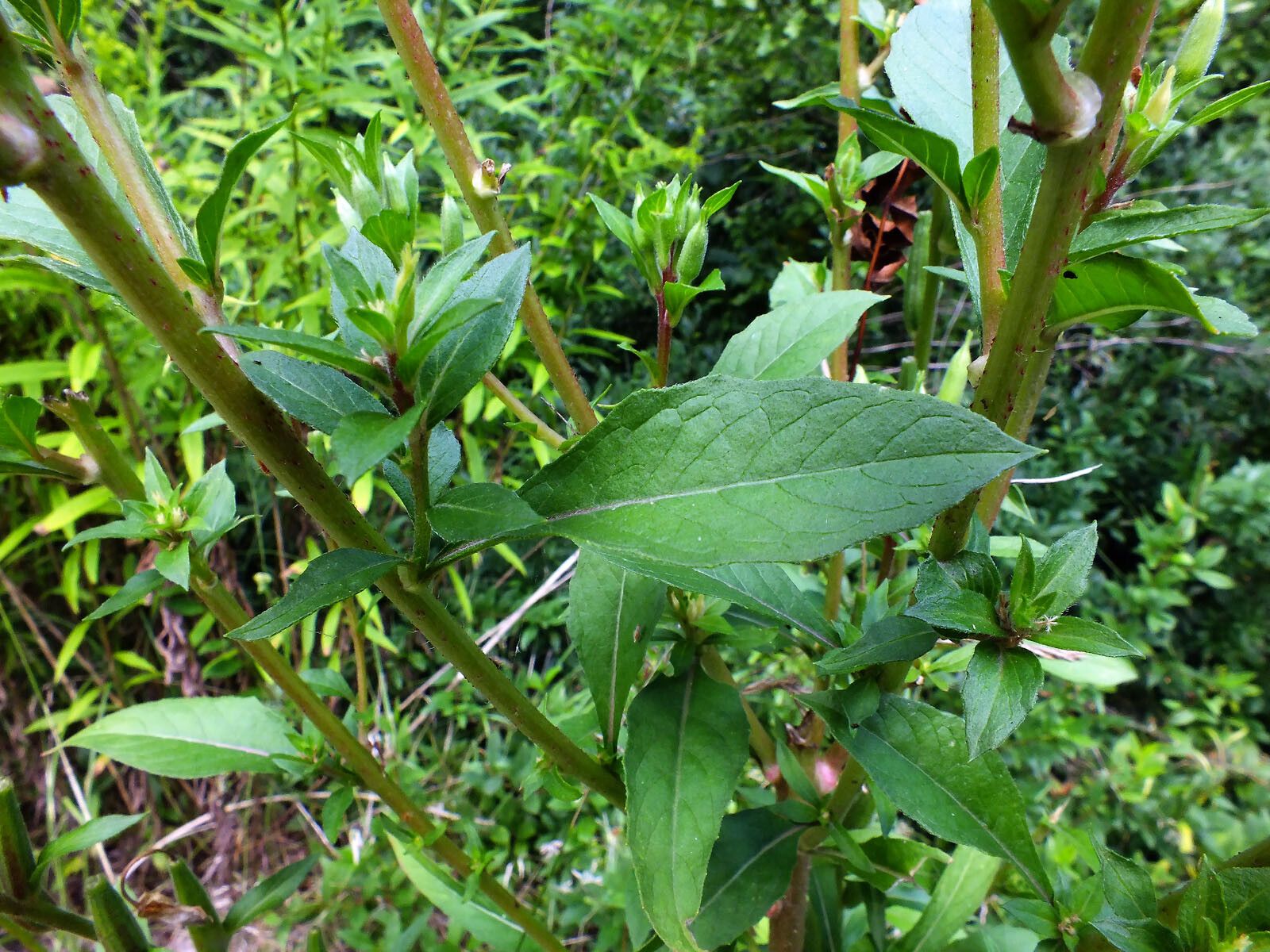
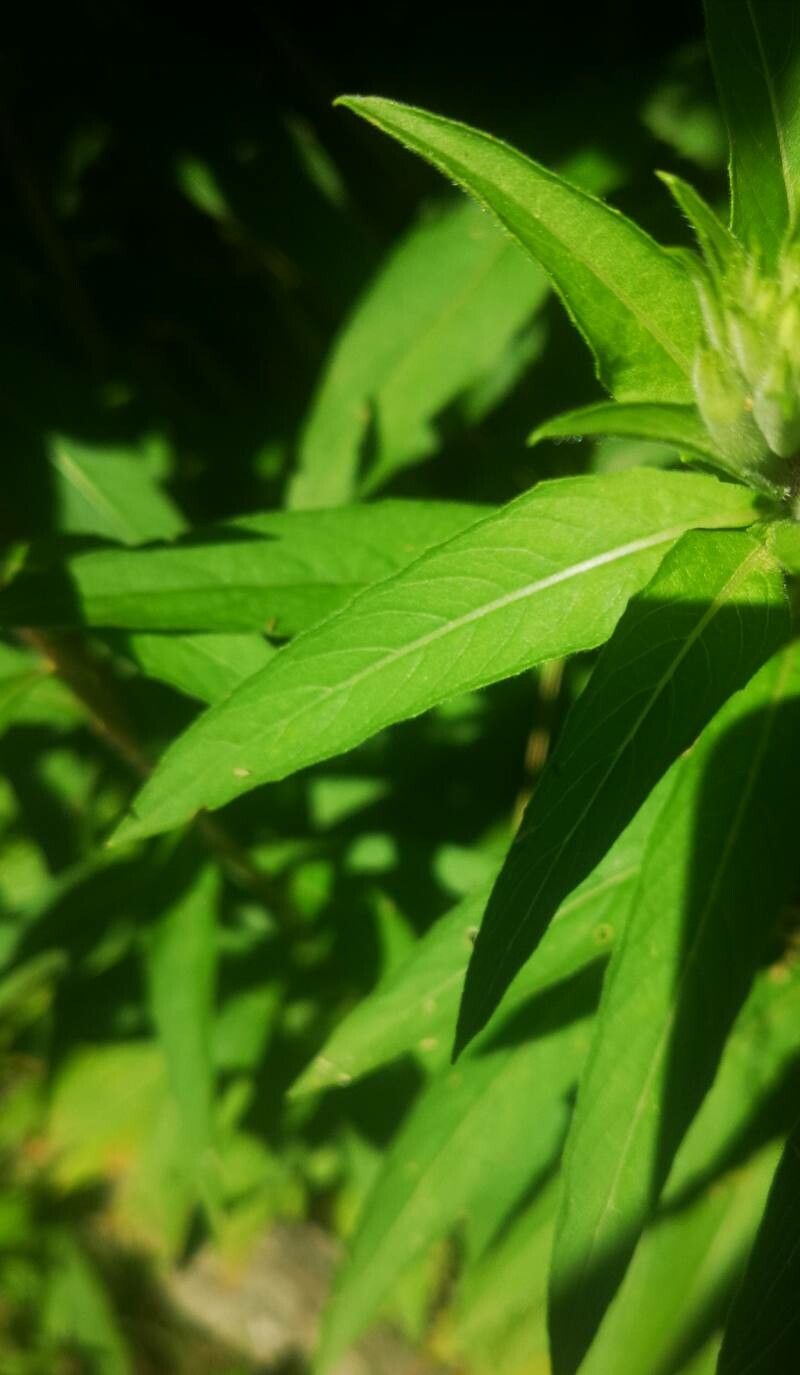
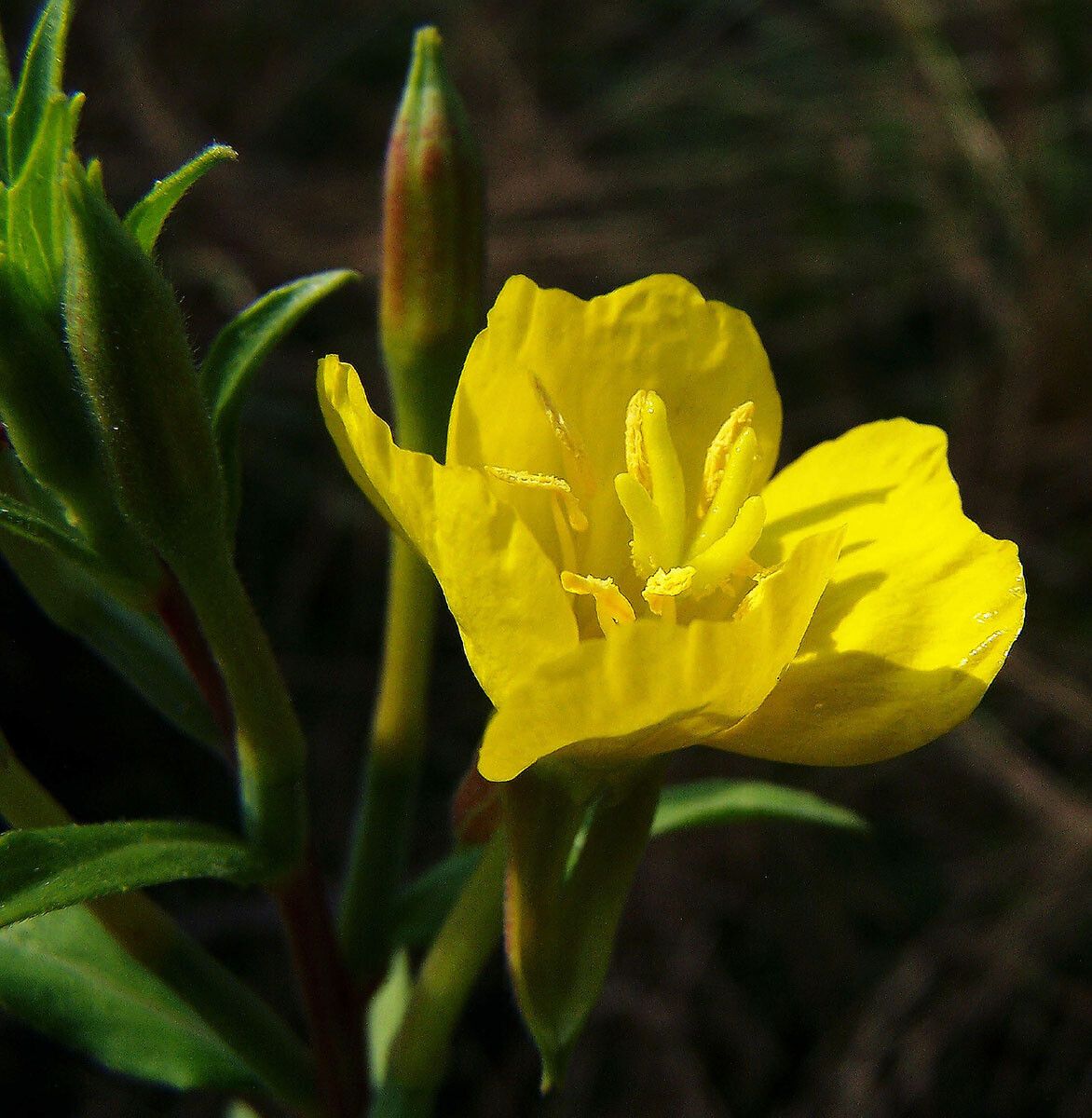
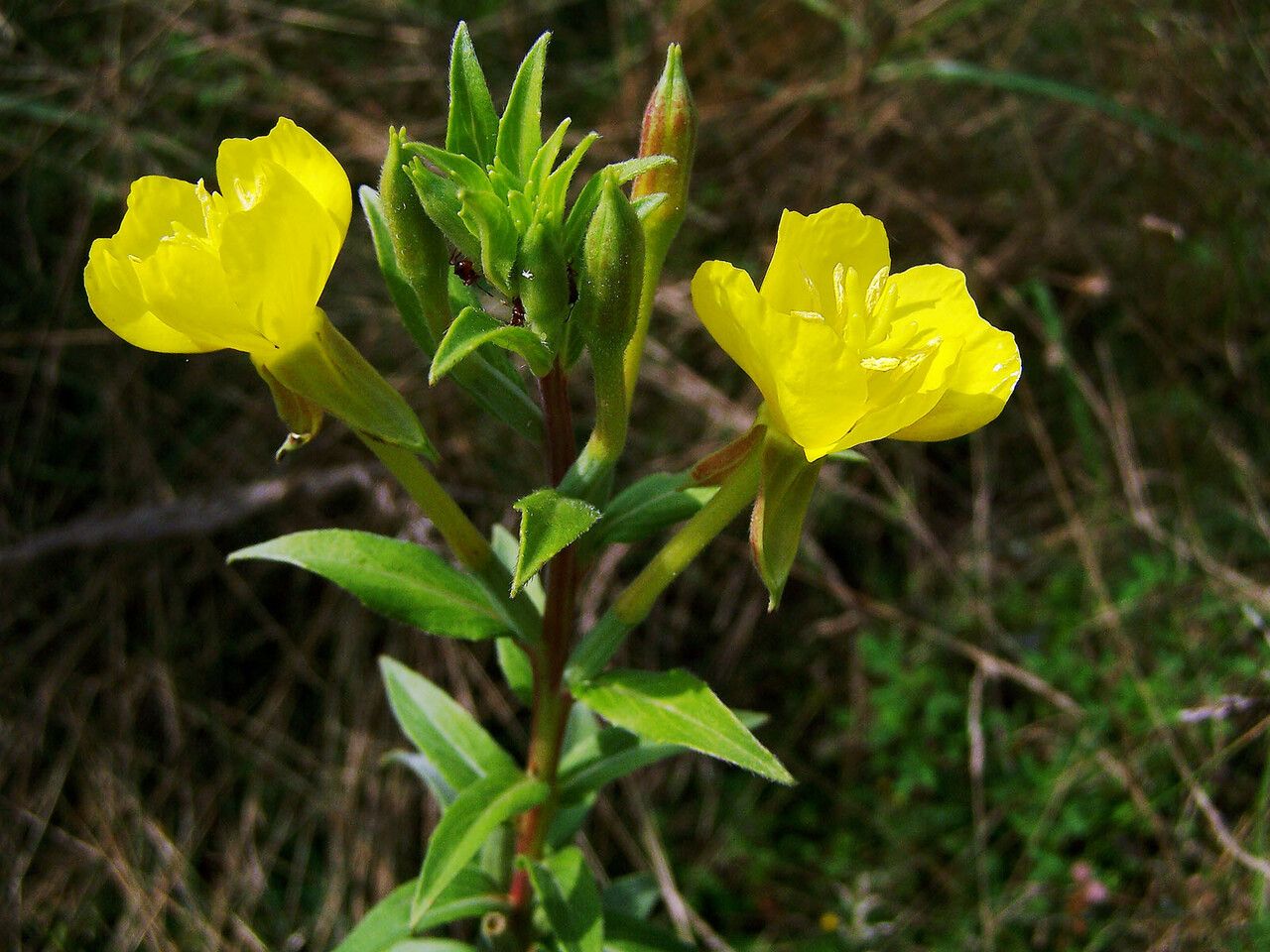
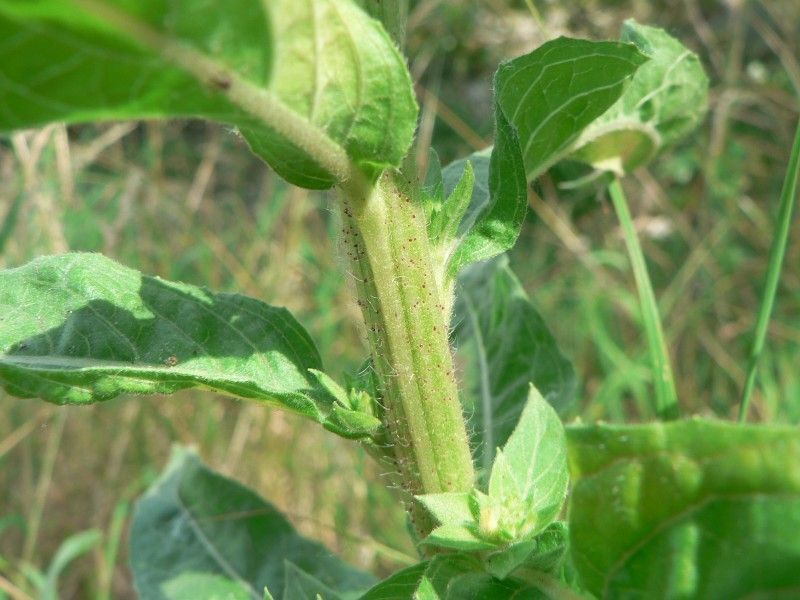
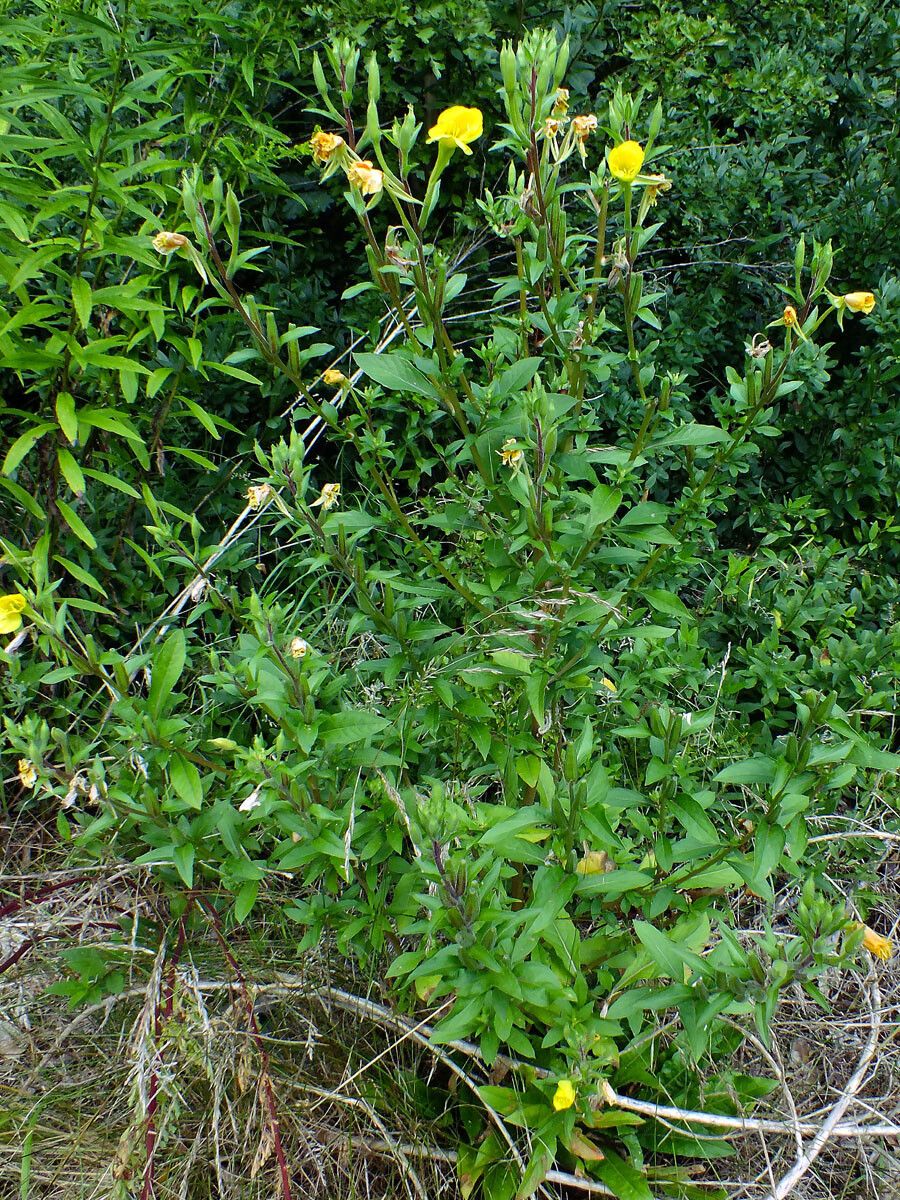
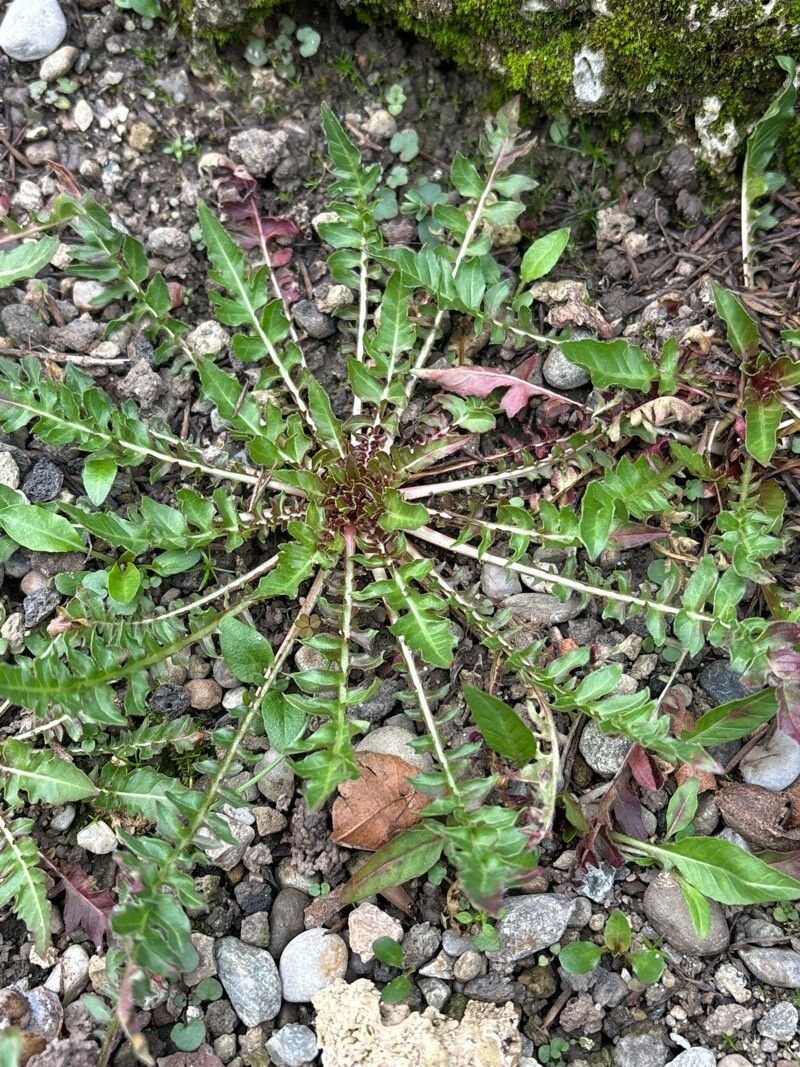
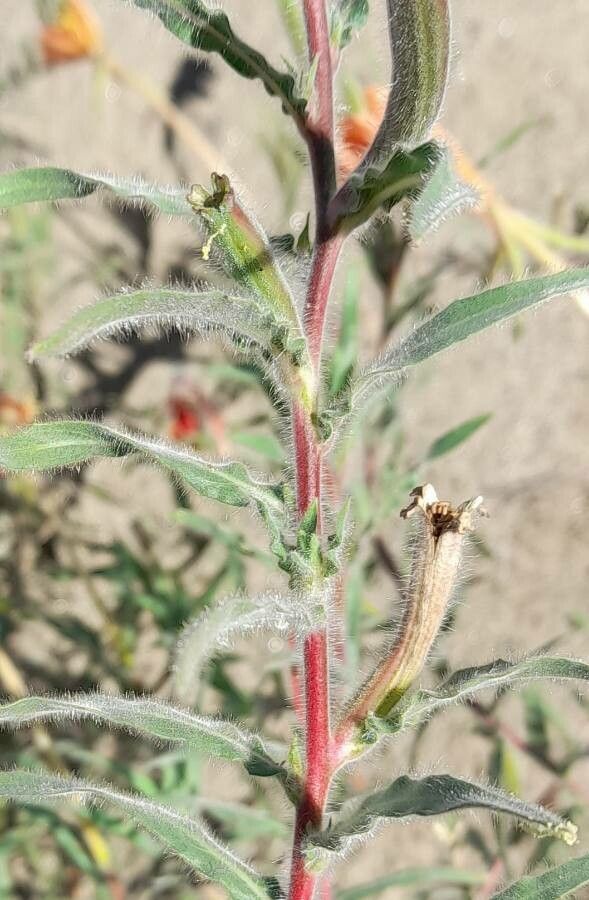
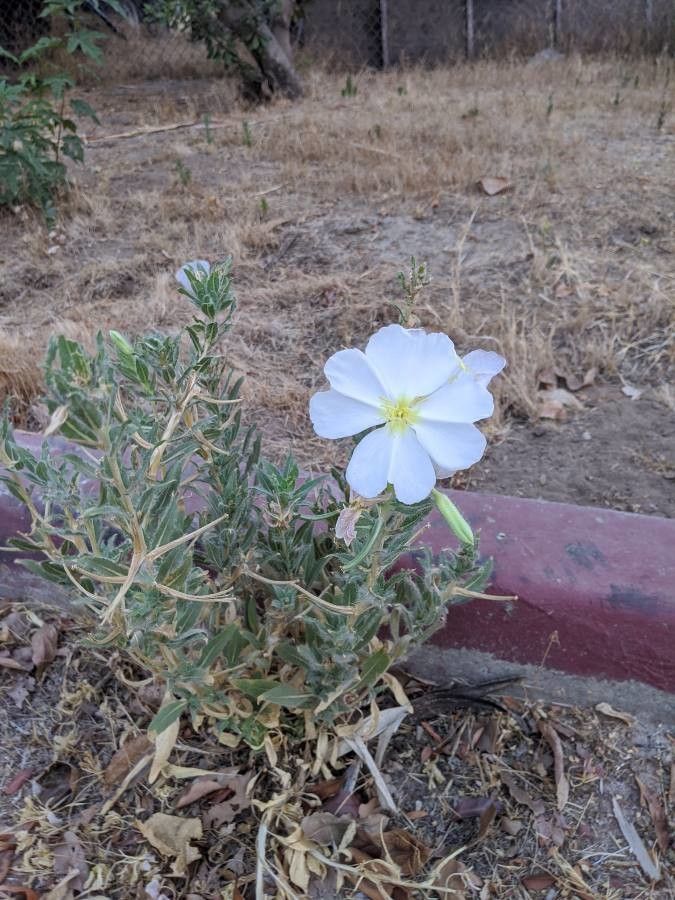
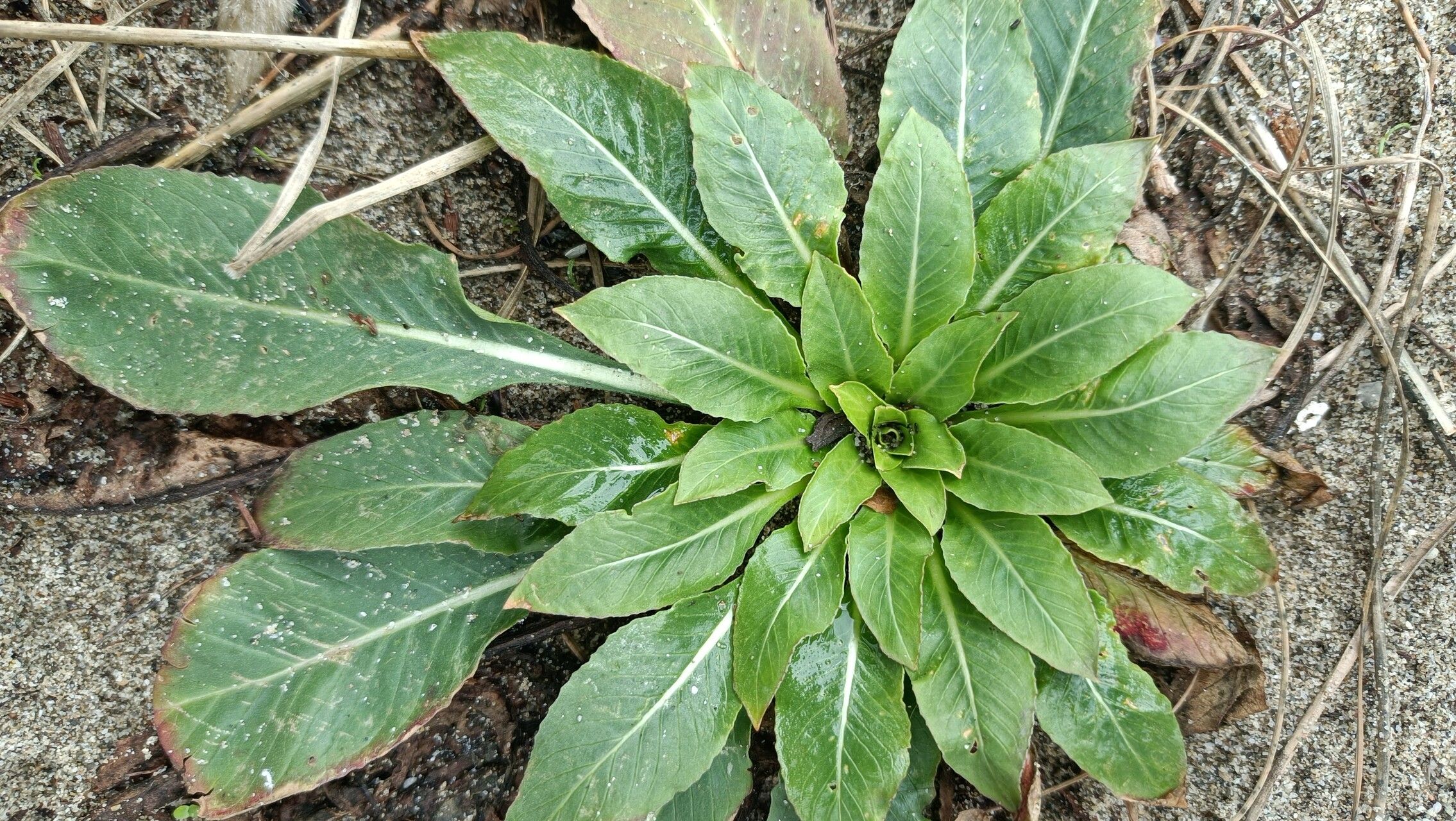
Oenothera biennis, the common evening-primrose, is a species of flowering plant in the family Onagraceae, native to eastern and central North America, from Newfoundland west to Alberta, southeast to Florida, and southwest to Texas, and widely naturalized elsewhere in temperate and subtropical regions. Evening primrose oil is produced from the plant.Other common names include evening star, sundrop, weedy evening primrose, German rampion, hog weed, King's cure-all and fever-plant.
Oenothera rubricaulis has strong resistance to disease and is generally not highly vulnerable to illnesses. Still, it can be affected by pests and diseases present in its surroundings. These problems are typically not serious. Regarding care, this plant requires a moderate amount of maintenance. It should be pruned regularly to keep a neat appearance and healthy growth. Fertilizing can also encourage flowering. Oenothera rubricaulis is suitable for anyone with outdoor space, like a garden or patio, and does not demand extensive gardening experience. It may need extra attention when grown indoors.
How to keep Oenothera Rubricaulis.
Light
Oenothera rubricaulis comes from bright, open habitats and performs best in full sun. It can tolerate partial shade but prefers direct sunlight for optimal growth. This plant, which may be annual or biennial, is known for its sun-loving nature.
Water
Oenothera rubricaulis flourishes with regular weekly watering but can also withstand moderate droughts, mirroring the rainfall patterns of its native environment. It thrives in conditions where soil moisture remains stable and benefits from being outdoors. To ensure this plant remains healthy and vigorous, proper irrigation during its active growth period is crucial.
Fertilizer
Oenothera rubricaulis are regarded as heavy feeders with respect to nutrients. They need frequent, low doses of nitrogen and potassium fertilizers and periodic applications of phosphorus, micronutrients, sulfur, and magnesium to sustain good growth and bright coloration. Continuous fertilization throughout the growing season is necessary to prevent deficiency symptoms and maintain optimal growth.
Pruning
To improve the health and beauty of Oenothera rubricaulis, it benefits from annual pruning in early to late spring, just after dormancy. During this process, you should remove any dead stems and shape the plant to promote better air circulation. This helps prevent disease and encourages abundant flowering, which enhances both the plant's overall vitality and its distinctive blooms.
Botanical profile.
- Plant Type
- Herb
- Life Cycle
- Biennial
- Genus
- Oenothera
- Family
- Onagraceae
- Hardiness Zone
- 4-10
- Leaf Type
- Deciduous
- Native Area
- Sweden, Austria, Czech Republic, Slovakia, Poland, Belarus, Ukraine, Russia, Lithuania, Norway, Germany, Switzerland, Denmark, Netherlands, Estonia, Finland, United Kingdom, Hungary, Latvia, Belgium, France
Reader questions.
What are the sunlight requirements for Oenothera rubricaulis?
Oenothera rubricaulis requires specific conditions of sunlight to thrive. For full sun exposure, the plant should receive above 6 hours of sunlight daily. In cases of partial sun, about 3-6 hours of sunlight is adequate. It's important to watch how sunlight moves through your garden throughout the day. Choosing the right spots that provide a perfect balance of light and shade will ensure the happiness and health of your Oenothera rubricaulis.
What is Oenothera rubricaulis?
Oenothera rubricaulis, also known by its botanical name as Oenothera rubricaulis, refers to a specific plant species. Unfortunately, there is no further detailed information provided about its essentials, symptoms of deficiencies or diseases, or any additional attributes.
What is the botanical name of Oenothera rubricaulis?
The botanical name for Oenothera rubricaulis is also Oenothera rubricaulis. This indicates both its common and scientific name are the same, simplifying its identification and study for enthusiasts and botanists alike.