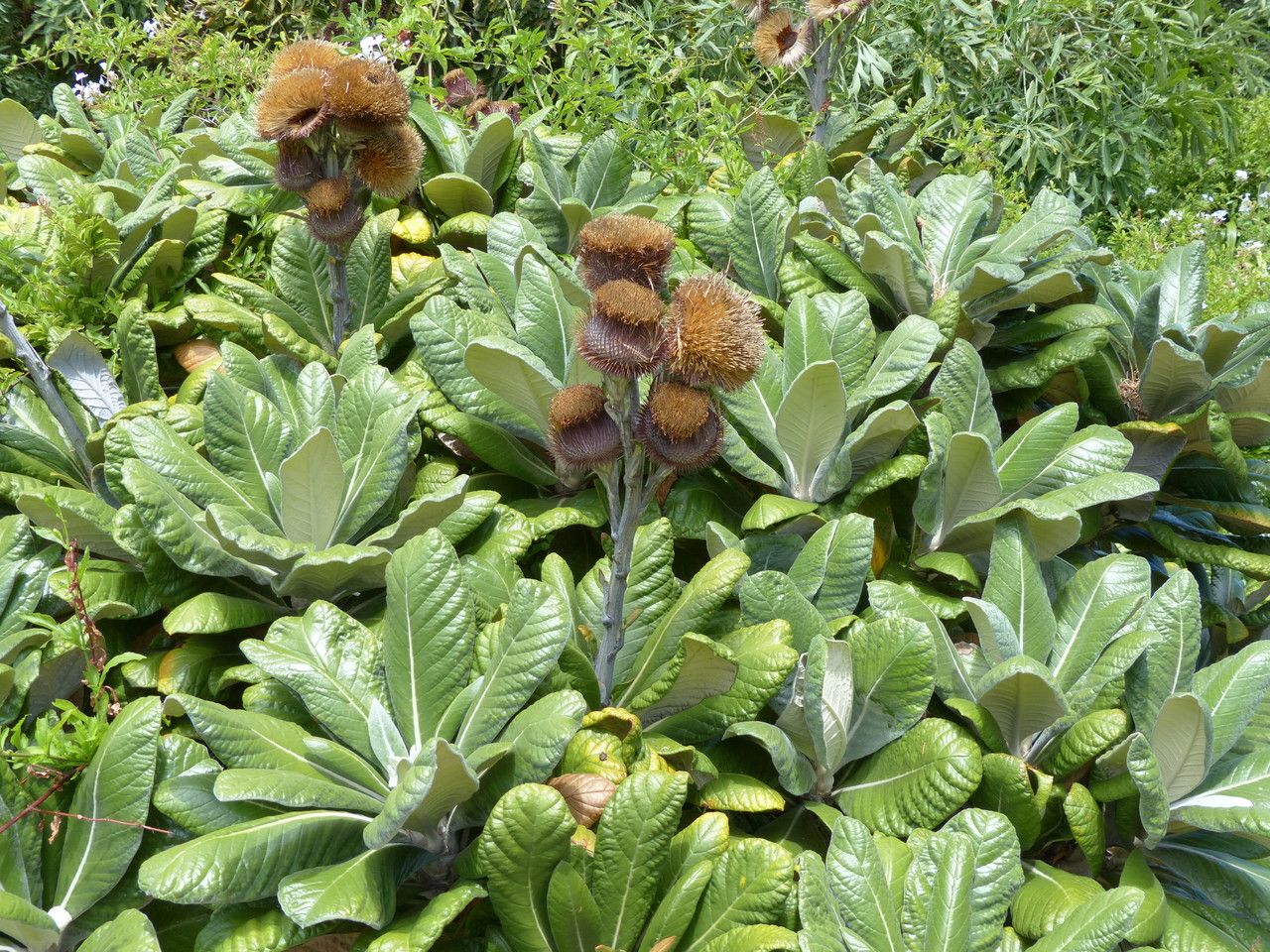
Oldenburgia grandis, commonly known as the "giant Oldenburgia," is a species of flowering plant in the Melastomataceae family. This impressive plant can grow up to 10 meters in height and is native to the tropical regions of Africa, including countries like Cameroon, Gabon, and Congo.
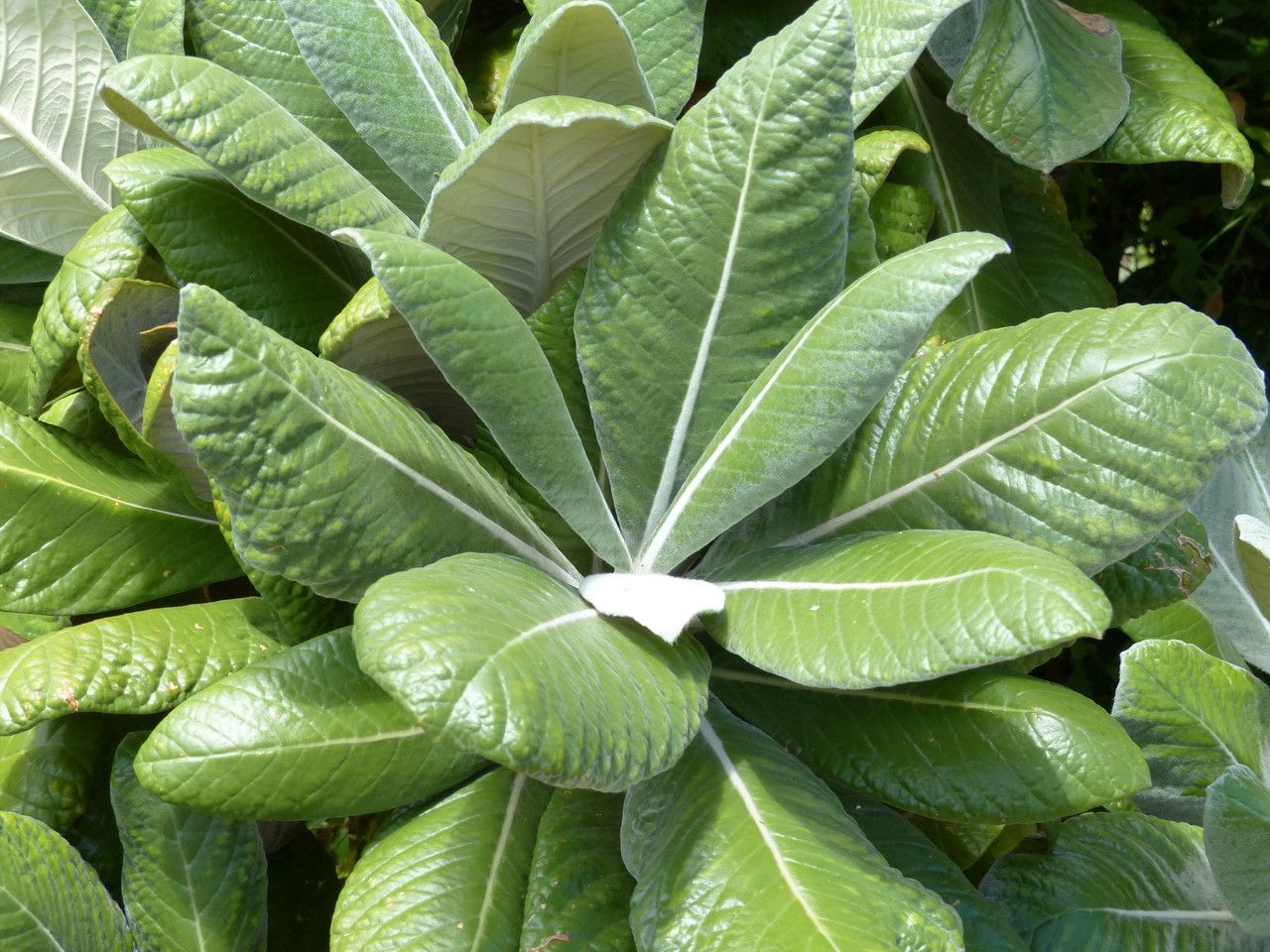
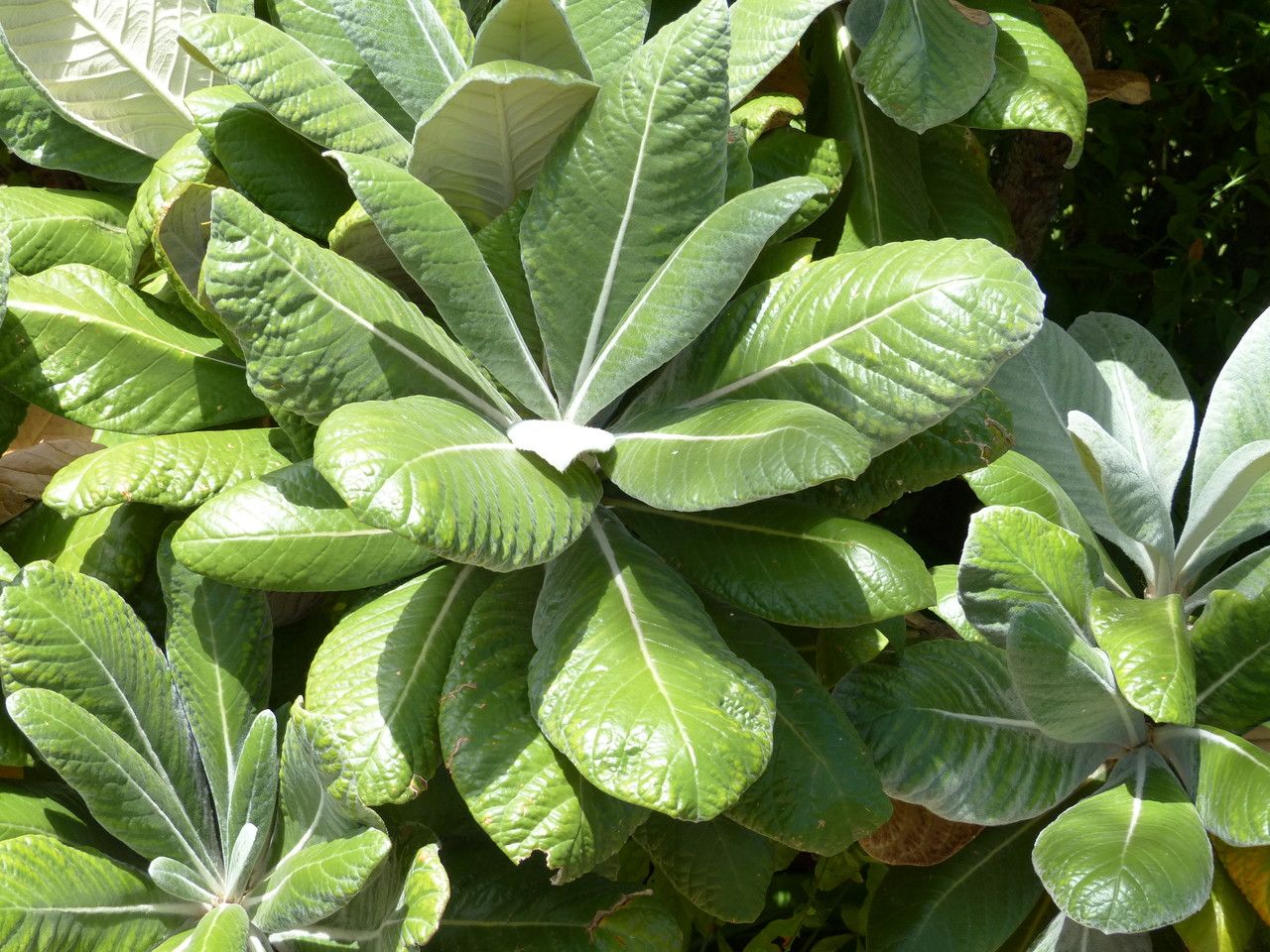
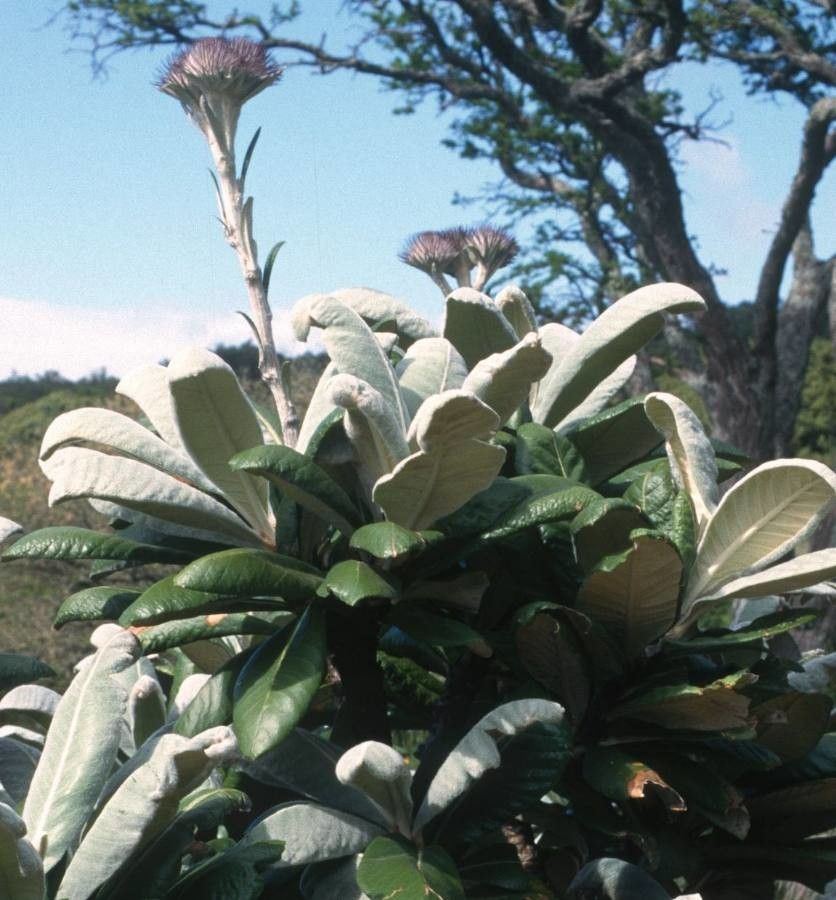
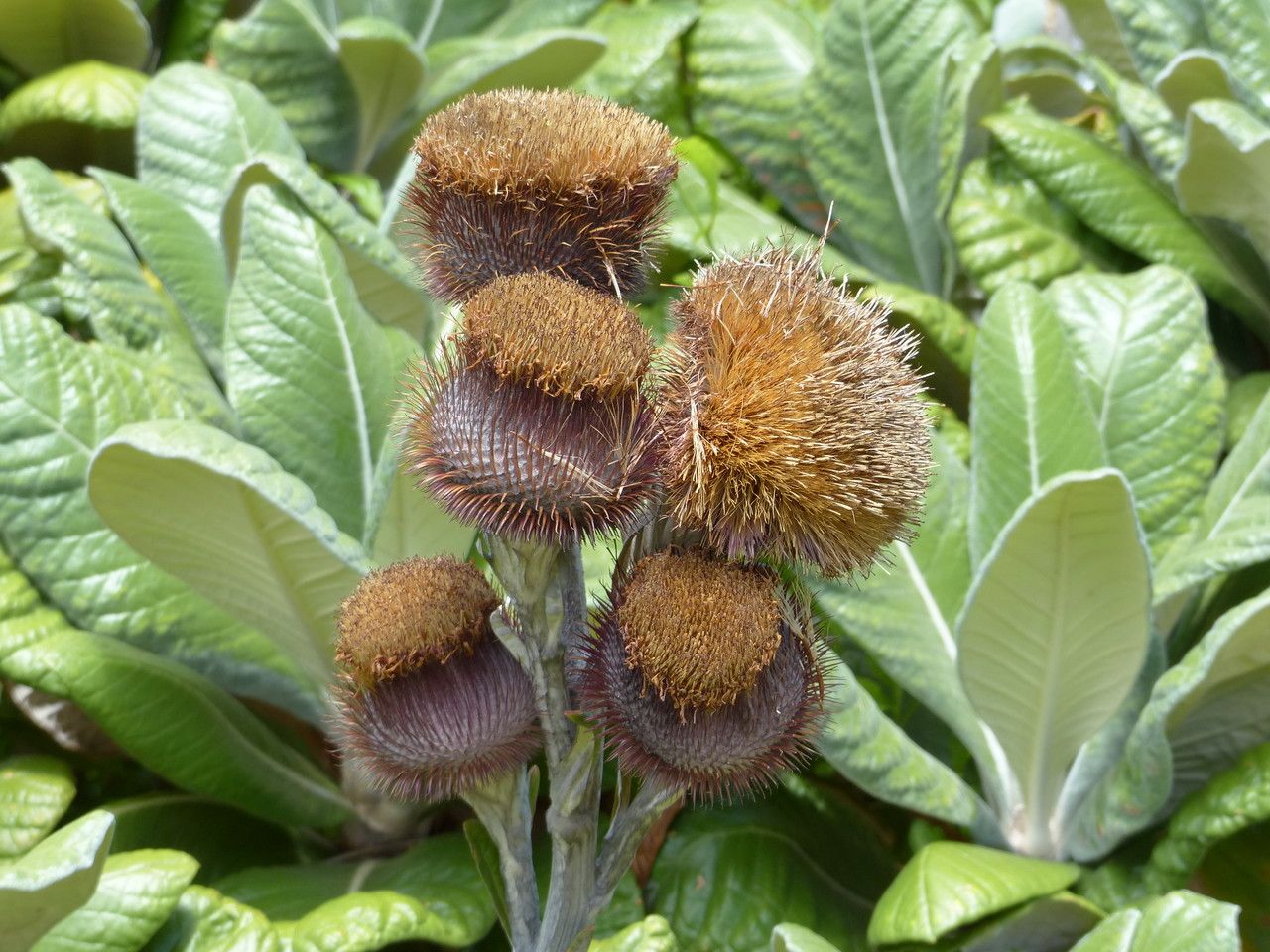
The leaves of Oldenburgia grandis are large, glossy, and green, arranged alternately along the stem with a prominent midrib running their length. The plant produces small, pinkish-purple flowers that cluster at the ends of long stalks.
For local communities, Oldenburgia grandis holds significant medicinal value. It is used to treat ailments such as fever, diarrhea, and stomach problems. Additionally, it has cultural importance among some African tribes who incorporate it into traditional rituals.
The giant Oldenburgia thrives in full sunlight or partial shade and prefers well-drained soil that retains moisture without becoming waterlogged. It can be propagated through seeds or stem cuttings, but it requires regular pruning due to its rapid growth rate.
In summary, Oldenburgia grandis is a remarkable tropical tree with both cultural and medicinal significance, making it an invaluable resource for local communities.
The Suurberg cushion bush is resistant to disease and is generally not prone to problems. In terms of care, this plant is fairly low maintenance. When planted outdoors it needs minimal watering, and larger plants usually do not need pruning. Smaller plants, however, should be pruned after they have finished blooming. Suurberg cushion busht is suitable for anyone with an outdoor area, such as a garden or deck, and does not require a great deal of care experience.
How to keep Oldenburgia Grandis.
Light
Suurberg cushion bush is native to habitats such as forest understories and rocky sites, where it occurs in natural shade. It prefers partial sun but can tolerate full sun or full shade, demonstrating its versatile, hardy nature.
Temperature
The Suurberg cushion bush adapts well to a wide range of climate conditions, from scorching summers to chilly winters. However, it does have an optimal temperature range for growth. When temperatures become too high, the plant is vulnerable to heat and humidity stress, which can cause it to die. In areas where temperatures approach the lower limit of its cold tolerance, it is important to provide insulation to protect the plant.
Fertilizer
Timing is vital when fertilizing the Suurberg cushion bush. Apply fertilizer in early spring and continue once a month until early summer. Fertilizer encourages attractive blooms and supplies energy during both dormant and active growth phases.
Pruning
The Suurberg cushion bush is a hardy perennial known for its cushion-like foliage. To promote growth and blooms, prune in early spring by removing dead stems and thinning out crowded areas. Regular, light pruning helps maintain its shape and health, preventing stress. These practices enhance both the plant's beauty and vitality.
Botanical profile.
- Plant Type
- Tree
- Life Cycle
- Perennial
- Genus
- Oldenburgia
- Family
- Compositae
- Hardiness Zone
- 9-11
- Mature Height
- 0.91 m to 2.13 m
- Mature Spread
- 0.91 m to 1.52 m
- Leaf Color
- Green, Gray
- Leaf Type
- Evergreen
- Flower Color
- White
- Flower Size
- 7.62 cm to 11.43 cm
- Bloom Time
- Early summer, Mid summer
- Planting Time
- Spring
- Harvest Time
- Late summer, Early fall
- Native Area
- South Africa
Other names.