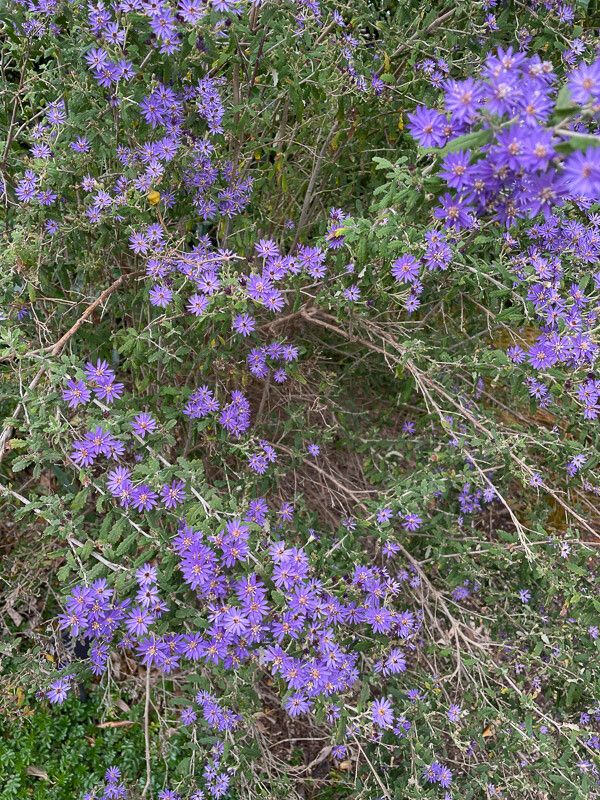
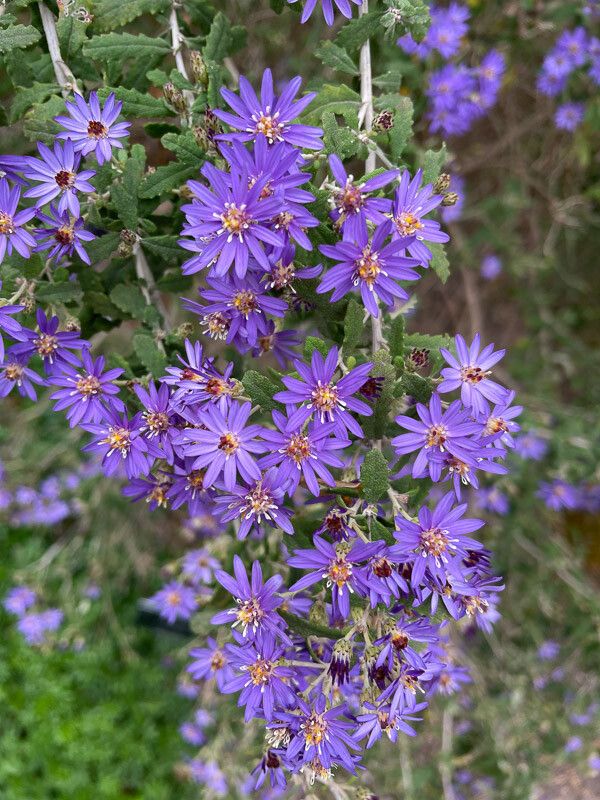
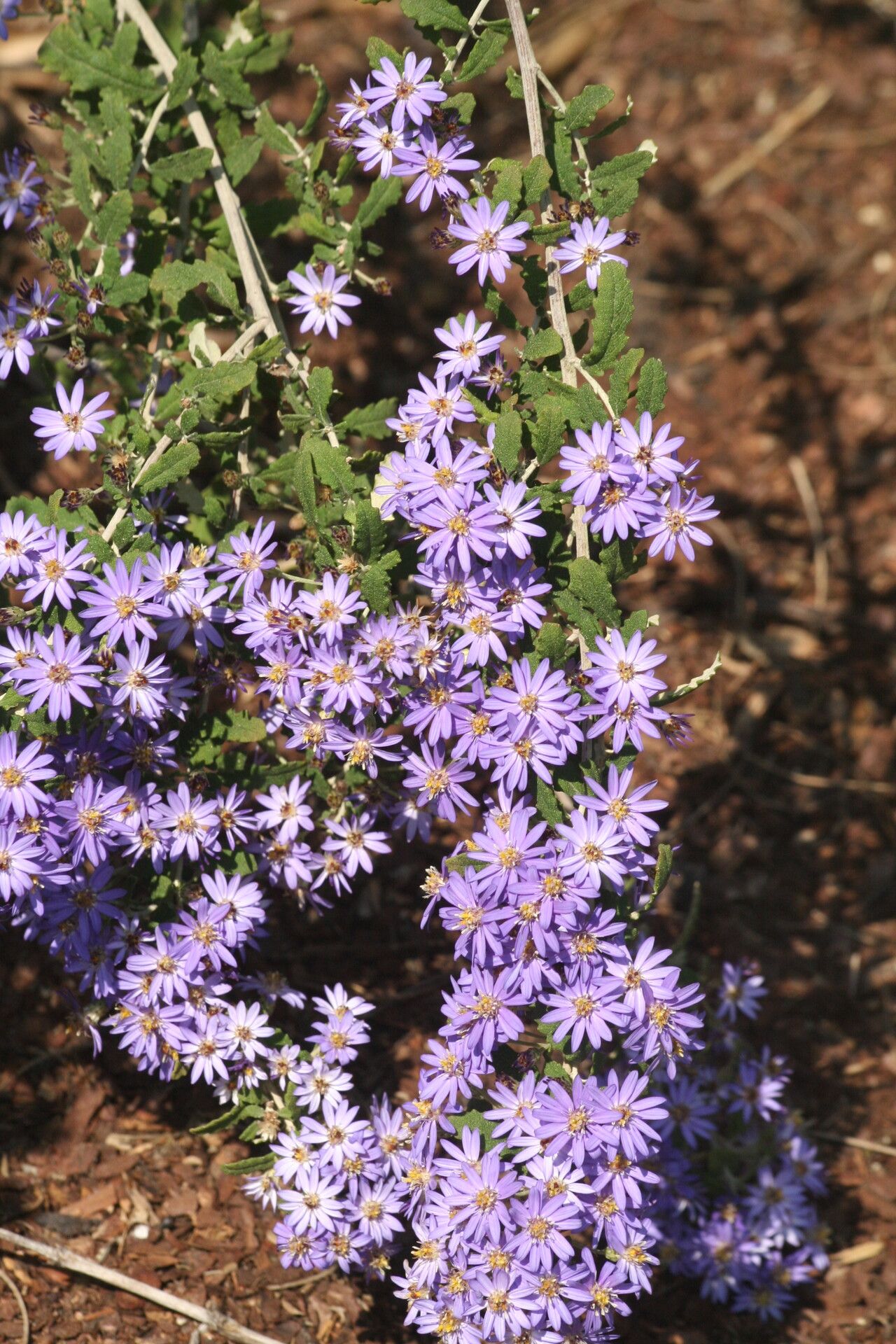
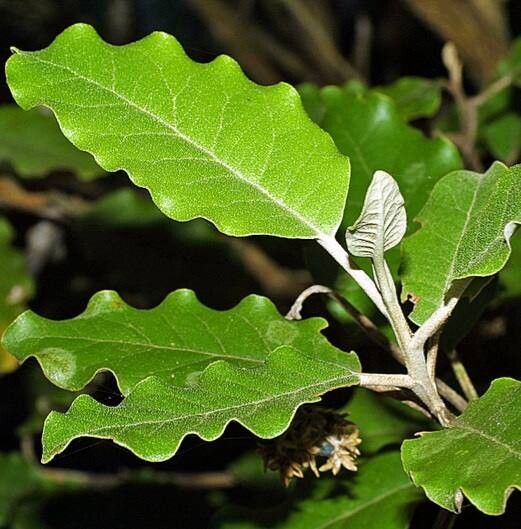
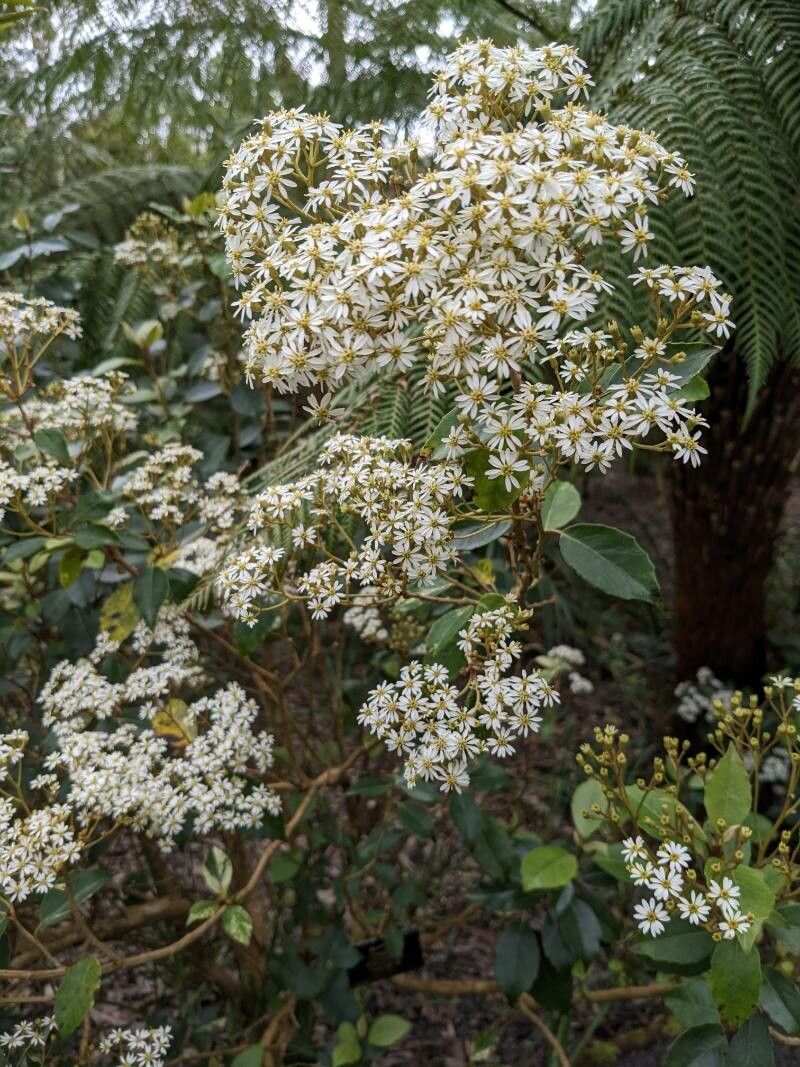
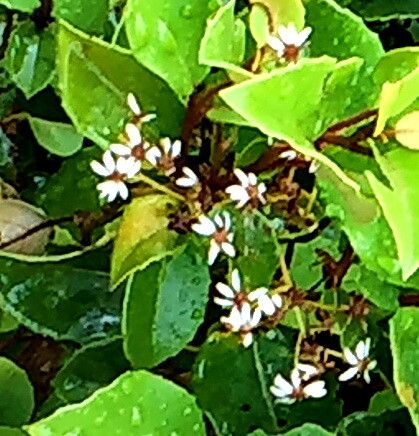
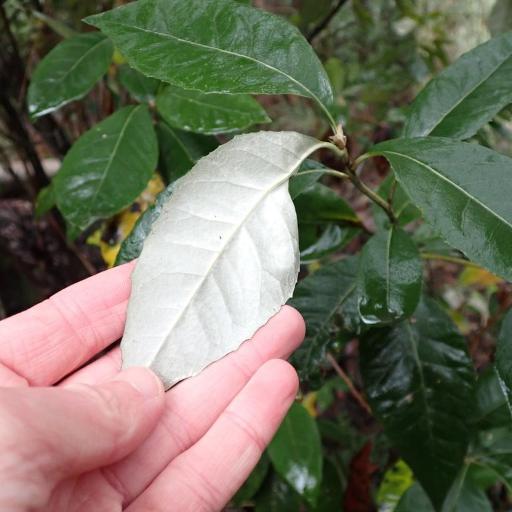
Olearia phlogopappa commonly known as the dusty daisy-bush or alpine daisy-bush is a species of flowering plant in the family Asteraceae that is commonly found in eastern New South Wales, Victoria and Tasmania. It is a small shrub with greyish-green foliage, daisy-like flowers in white, pink or mauve that can be seen from spring to late summer.
Dusty daisy-bush shows strong resistance to disease and is generally not prone to illnesses. Care-wise, this plant is fairly low-maintenance. When grown outdoors it needs minimal watering, and larger specimens typically do not require pruning. Smaller plants, however, should be pruned after they have finished blooming. Dusty daisy-bush is suitable for anyone with outdoor space, such as a garden or deck, and does not require much care experience.
How to keep Olearia Phlogopappa.
Light
Dusty daisy-bush naturally occurs in habitats like forest understories and rocky sites, where it grows in natural shade. It prefers partial sun but will tolerate both full sun and full shade, reflecting its adaptable, hardy character.
Water
The Dusty Daisy-Bush is a drought-tolerant plant well-suited for dry environments. It needs watering only every 1-2 weeks. It thrives outdoors, especially during the rainy season when increased moisture stimulates its growth.
Temperature
The dusty daisy-bush is highly adaptable to a variety of climates, coping with both hot summers and cold winters. It nevertheless has a preferred temperature range for healthy growth. If temperatures become excessively high, the plant can suffer from heat and humidity stress that may kill it. In areas where temperatures approach the lower limit of its cold tolerance, it is important to provide insulation to protect the plant.
Fertilizer
Timing is essential for feeding Dusty daisy-bush. Apply fertilizer in early spring and continue once a month until early summer. Fertilizer encourages attractive blooms and provides energy during both dormant and active growth stages.
Pruning
To maintain a healthy dusty daisy-bush, prune it in early to late winter. Cut back one-third of the plant to encourage dense growth and remove any damaged branches. This will enhance air circulation, reduce the risk of disease, and promote vigorous blooming. Make sure your cuts are clean and angled to prevent rot, while respecting the plant’s rest period.
Botanical profile.
- Plant Type
- Shrub
- Life Cycle
- Perennial
- Genus
- Olearia
- Family
- Asteraceae
- Hardiness Zone
- 8-10
- Mature Height
- 2.13 m
- Mature Spread
- 2.13 m
- Leaf Color
- White, Green, Gray, Silver
- Leaf Type
- Evergreen
- Flower Color
- White, Lavender
- Flower Size
- 2.03 cm to 3.05 cm
- Bloom Time
- Mid fall, Late fall, Early winter
- Planting Time
- Spring, Autumn
- Harvest Time
- Winter
Other names.