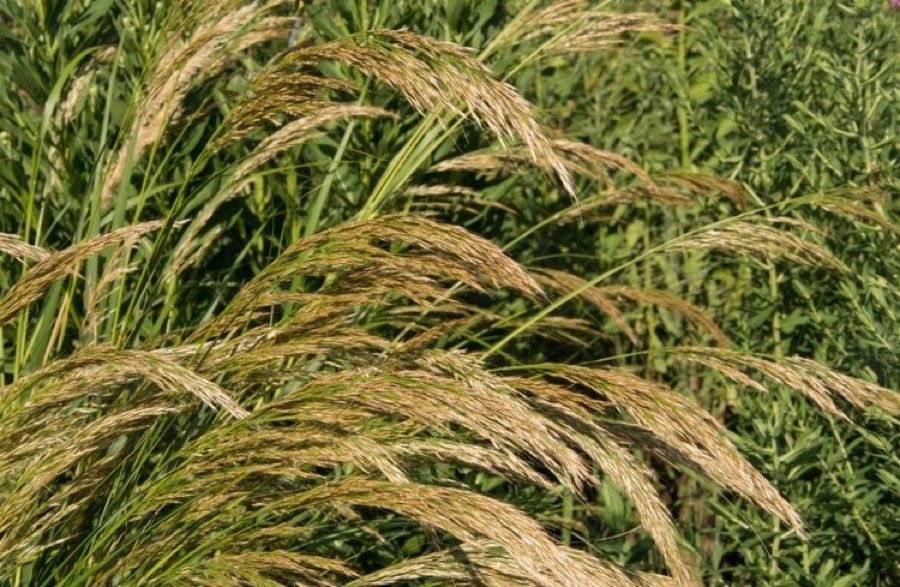
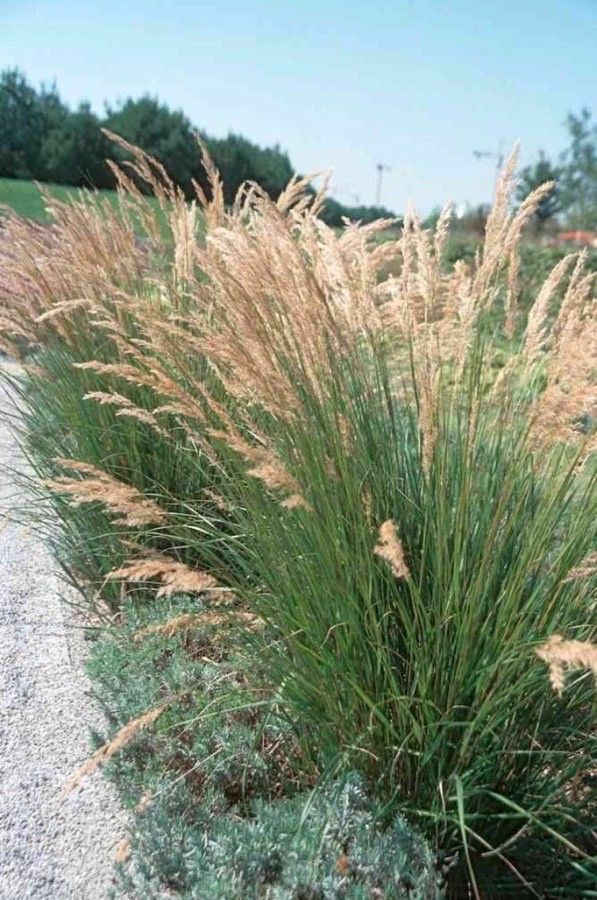
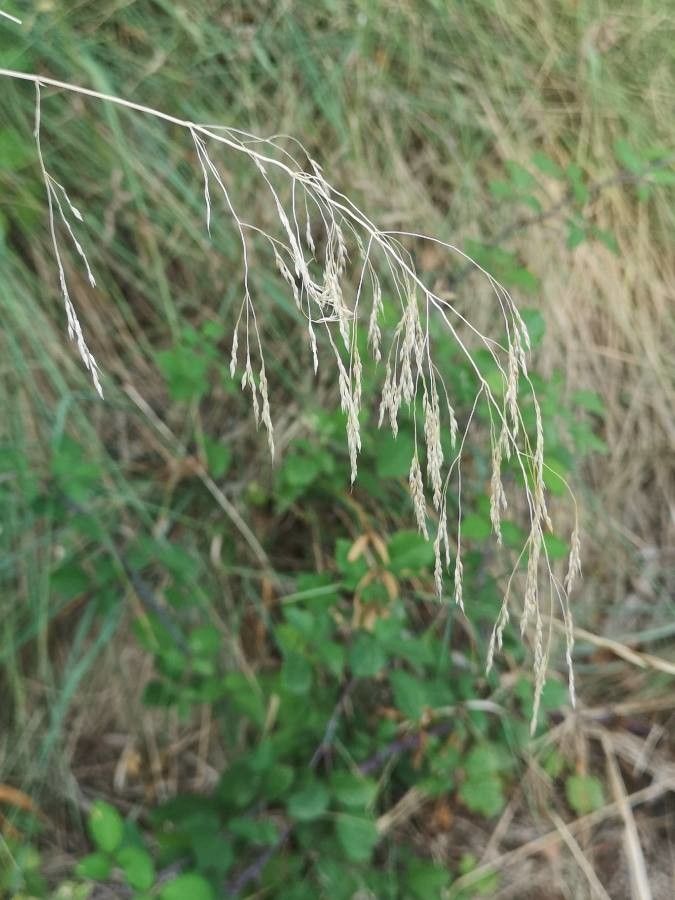
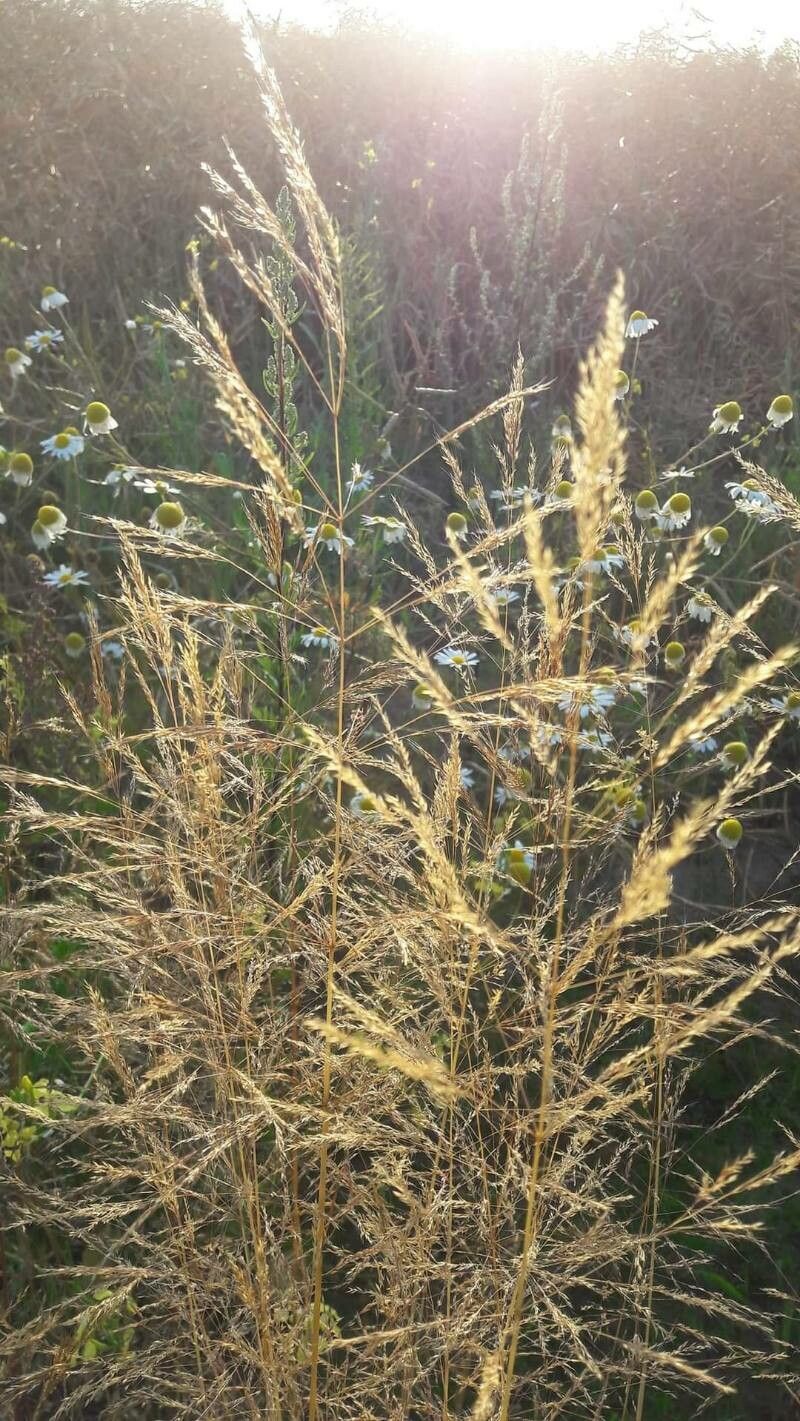
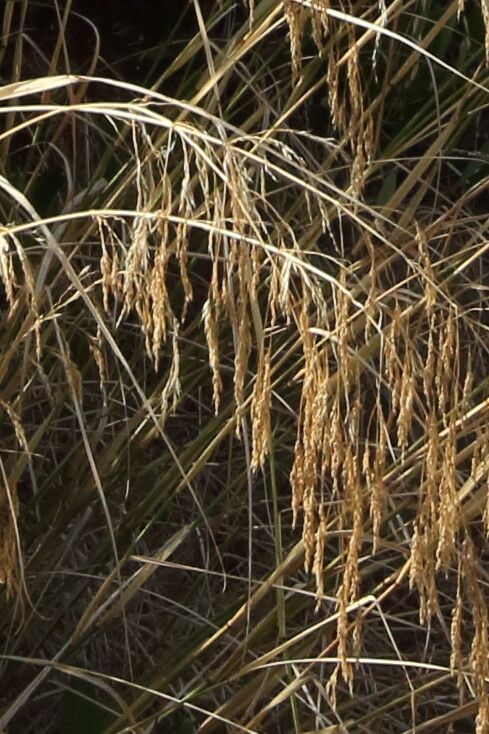
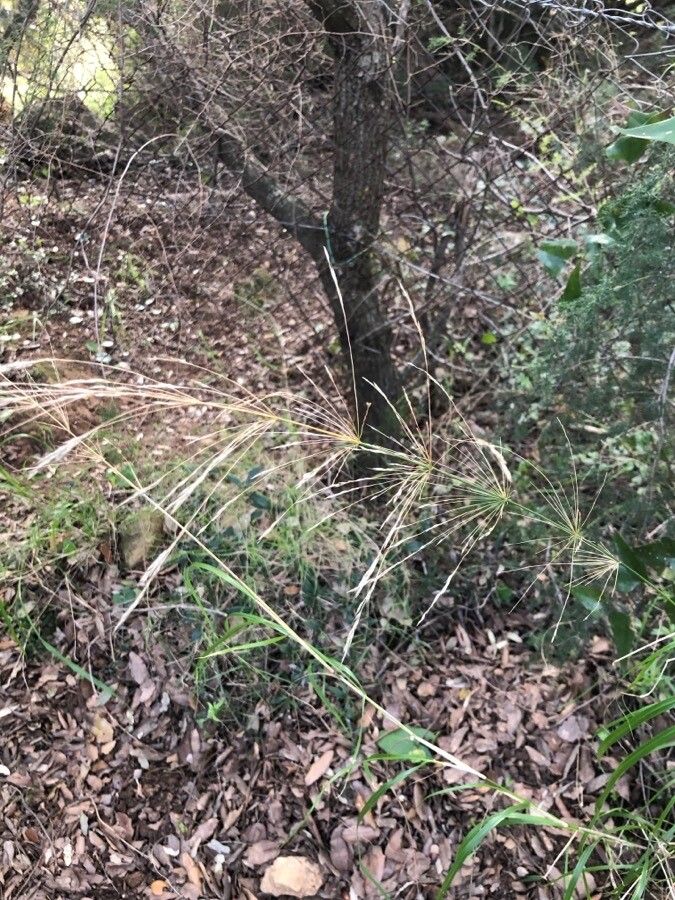
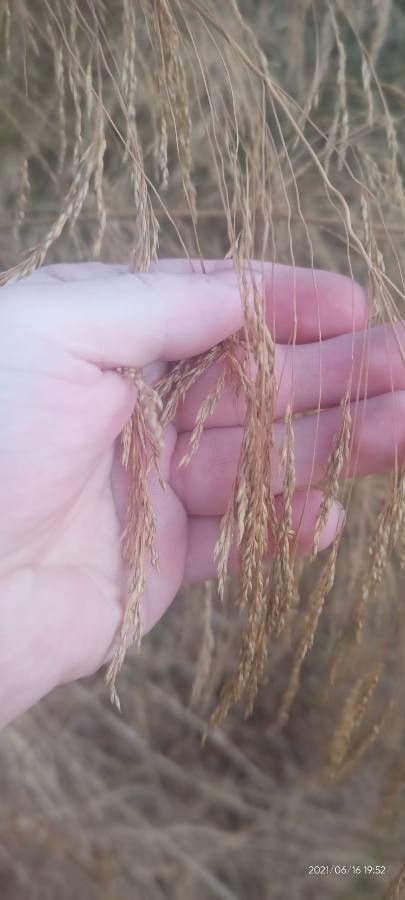
Oloptum miliaceum, commonly known as millet grass, is a perennial species in the Poaceae family. Native to Europe and Asia, it has been introduced worldwide as a forage crop. The plant can reach up to 1 meter in height and features narrow leaves that are green or bluish-green.
Millet grass is highly valued for its nutritional content, making it a key crop for livestock feed. Additionally, it can be used as a cover crop or green manure, thanks to its ability to fix atmospheric nitrogen into the soil.
The plant thrives in well-drained soils and is drought-tolerant. It typically blooms from June through August, producing small spikelets arranged in panicles at the top of its stems.
Although millet grass is not commonly grown by gardeners, it is crucial in agriculture due to its versatility and nutritional benefits.
Smilo grass has good resistance to disease and usually does not develop illnesses. However, it can be affected by pests and diseases found in its environment. These problems are typically not serious. For care, the plant requires moderate maintenance. Regular pruning is needed to keep a tidy appearance and support healthy growth. Fertilizing can also help encourage flowering. Smilo grass is suitable for people with outdoor spaces, such as a garden or patio, and does not need a lot of care experience. It may demand more attention when grown indoors.
How to keep Oloptum Miliaceum.
Light
Smilo grass is a sun-loving, perennial herbaceous plant native to open habitats and commonly found in meadows and grasslands. It prefers full sun but can also tolerate partial sun conditions.
Temperature
Smilo grass can adjust to an extensive array of temperature conditions, however its spread may be constrained by various water and heat circumstances. It flourishes most effectively in balmy climates during summertime with abundant rain or irrigation. Extended spells of overcast or wet climates, in addition to extended hot temperatures, can raise the probability of Smilo grass perishing. In the winter season, effective cold protection can boost the plant's chances of survival.
Fertilizer
Typically, a one-time application of fertilizer in spring is enough for Smilo grass, however, to optimize growth, it can be fed multiple times. It's recommended to feed it every one to one and a half months. Fertilization improves the look and function of the leaves, encouraging even color and a robust texture. Furthermore, it fosters development of roots and the absorption of nutrients that benefits the plant's health in the long run.
Botanical profile.
- Plant Type
- Herb
- Life Cycle
- Perennial
- Genus
- Oloptum
- Family
- Poaceae
- Hardiness Zone
- 5-9
- Mature Height
- 91 cm
- Mature Spread
- 49 cm
- Leaf Color
- Green, Blue
- Leaf Type
- Semi-evergreen
- Flower Color
- Yellow, Green, Brown
- Flower Size
- 0.25 cm to 0.51 cm
- Bloom Time
- Early summer, Mid summer
- Planting Time
- Spring, Summer
- Harvest Time
- Late summer, Early fall
Other names.