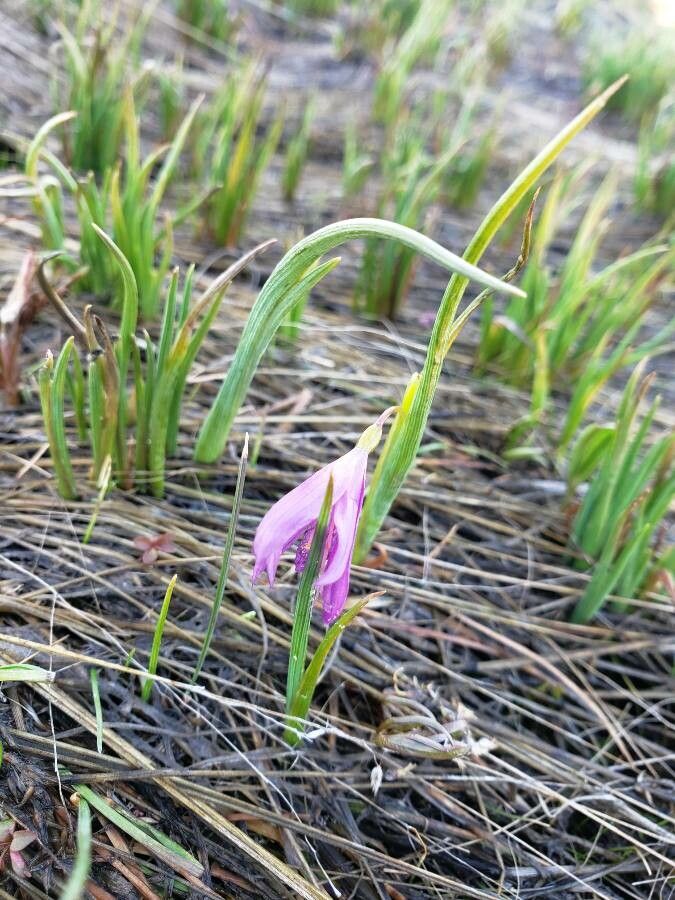
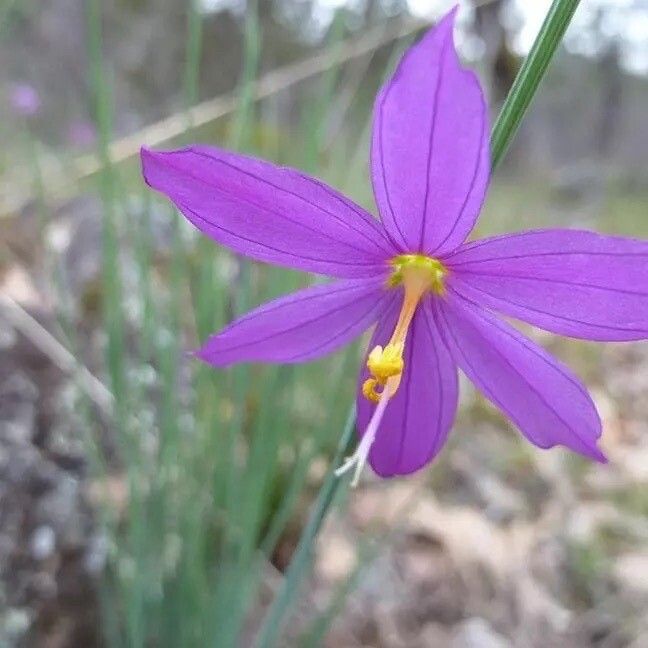
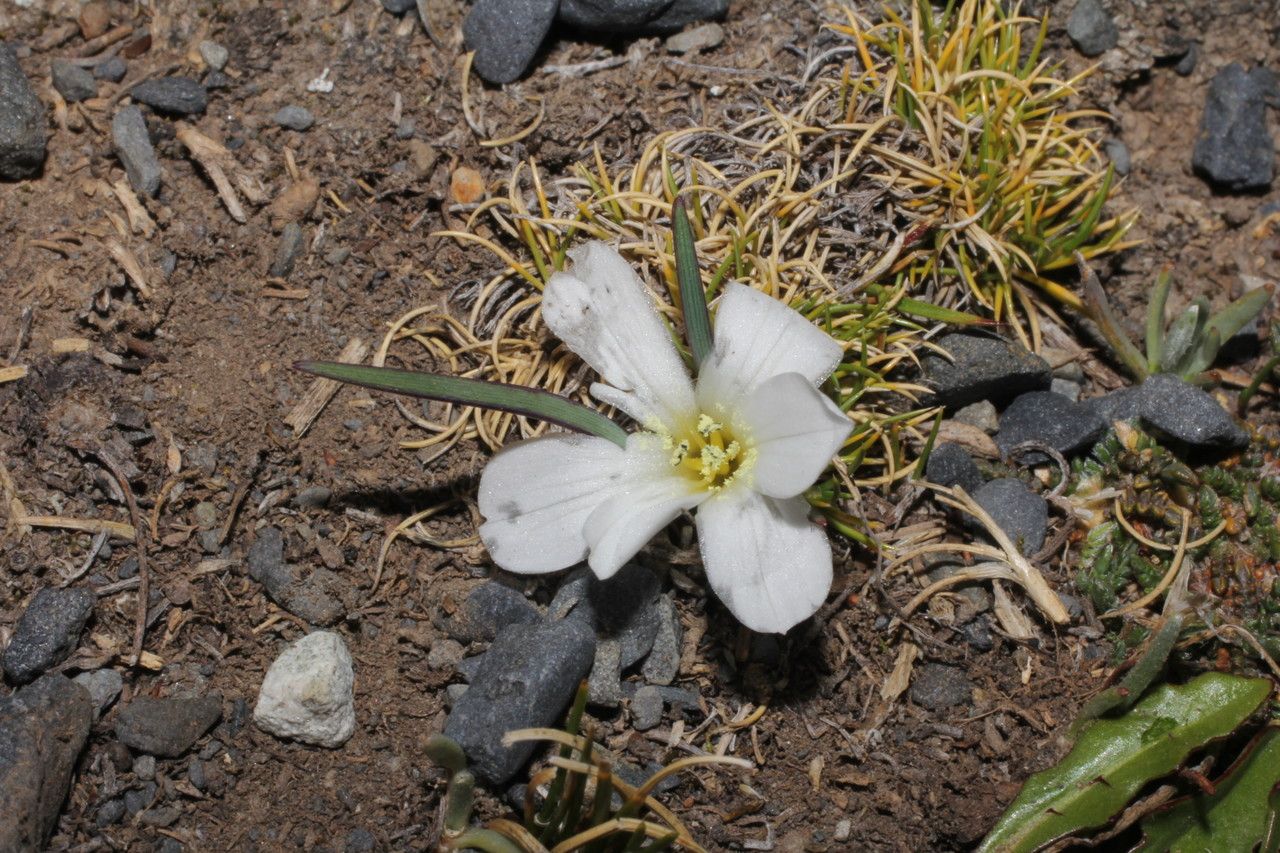
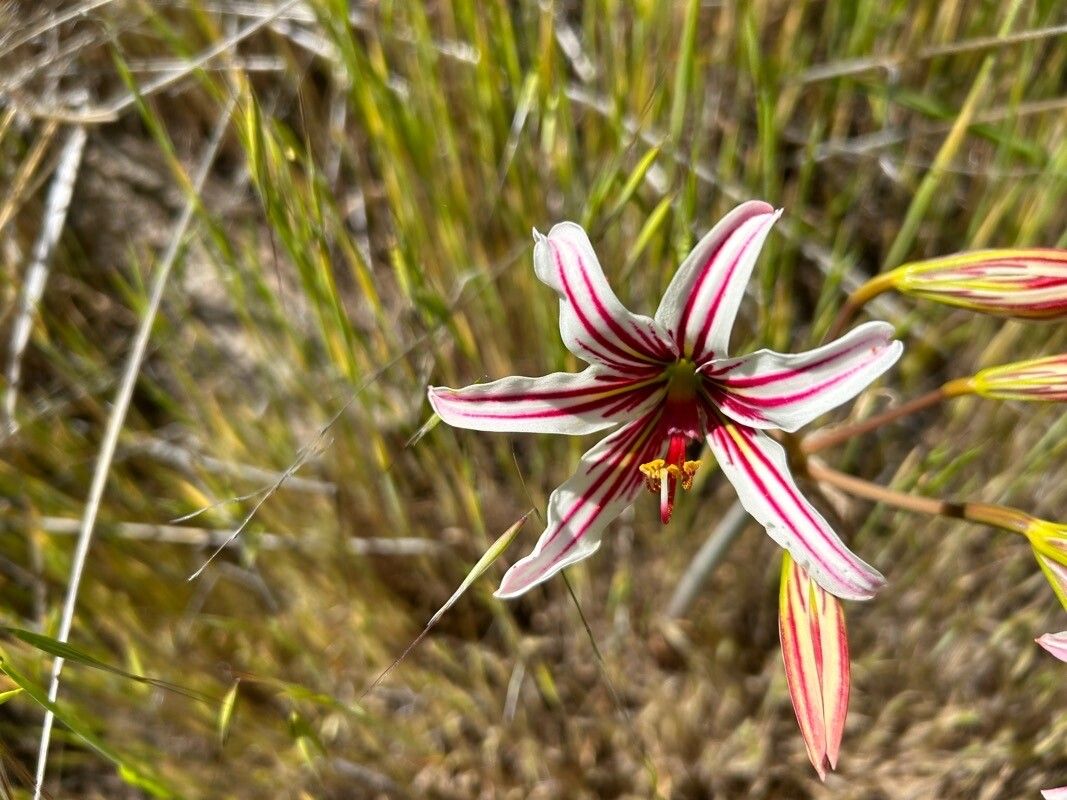
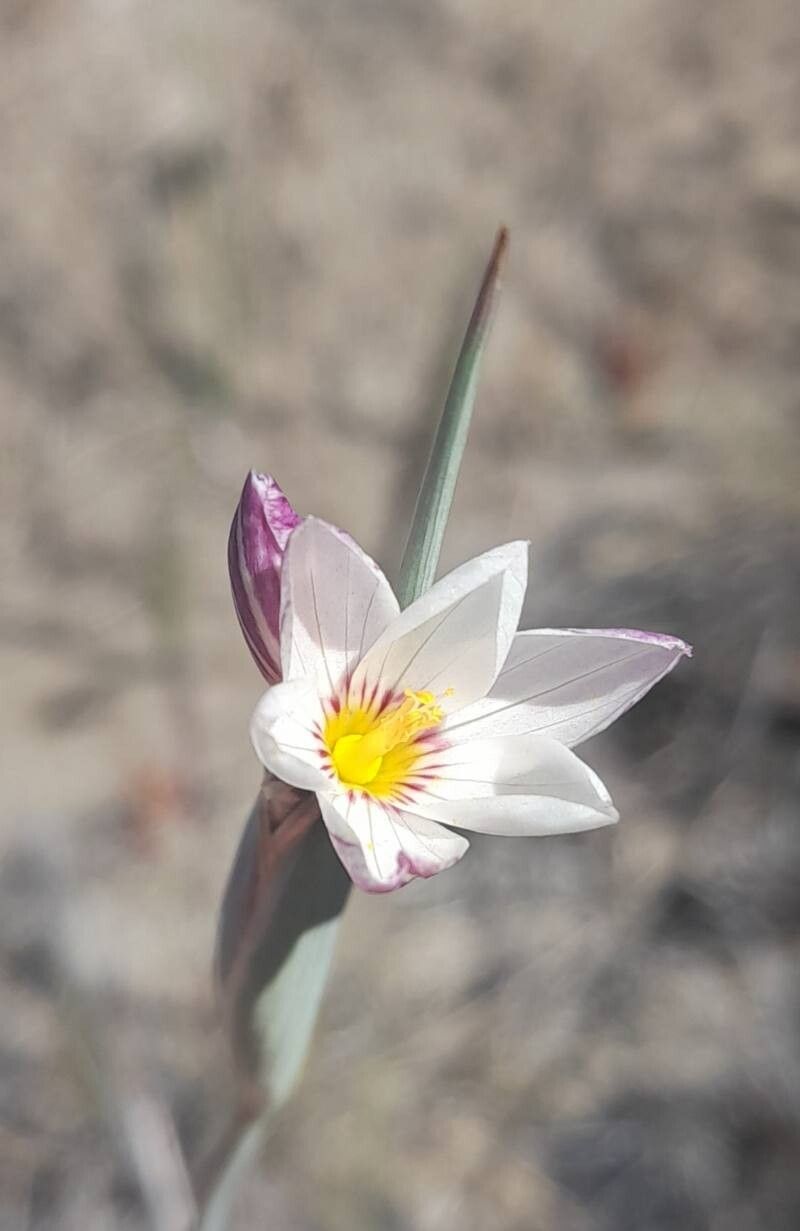
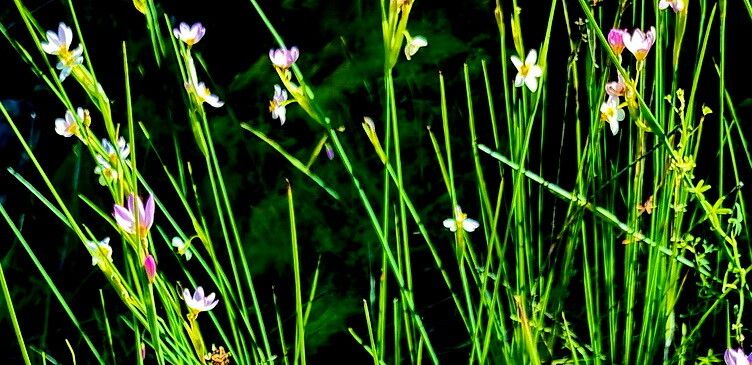
Olsynium douglasii, commonly known as Douglas' rush-lily, is a perennial herbaceous plant in the family Iridaceae. Native to western North America, it thrives in diverse habitats like meadows, rocky slopes, and open forests.
This plant typically reaches up to 30 cm in height and features narrow, grass-like leaves. Its small, star-shaped flowers have six petals that vary in color from blue-violet to purple or white, with yellow centers. These blooms appear from late spring to early summer.
Olsynium douglasii is a hardy species that can tolerate various soil types, although it prefers well-drained soils with moderate moisture. It requires full sun or partial shade for optimal growth.
Indigenous peoples have traditionally used this plant for medicinal purposes, such as treating headaches and stomach ailments. Additionally, it serves as a vital food source for various wildlife species, including deer, elk, rabbits, and rodents.
Overall, Olsynium douglasii is an attractive wildflower that enhances natural landscapes and contributes to ecological balance by supporting wildlife populations.
Douglas's grass widow has strong disease resistance and is, in general, not prone to illnesses. Still, it can be vulnerable to pests and diseases that exist in its environment. Such infections are typically mild. Regarding care, this plant needs moderate maintenance. It should be pruned regularly to preserve a neat appearance and encourage healthy growth. Applying fertilizer can also help stimulate flowering. Douglas's grass widow is appropriate for anyone with outdoor space, like a garden or patio, and does not demand extensive plant-care experience. It may call for more attention when kept indoors.
How to keep Olsynium Douglasii.
Light
Douglas's grass widow prefers a moderate amount of sunlight. In its native environment it grew under filtered, not intense, light. Excessive sun can stress the plant, while insufficient light can hinder its growth and flowering. It can adapt to different light levels.
Water
Douglas's grass widow flourishes in moist environments and benefits from regular watering, while avoiding waterlogging. To keep the soil consistently moist, it's ideal to water the plant weekly, especially during its vibrant spring bloom. When grown indoors, Douglas's grass widow adapts well to life in a container but requires careful watering to prevent both drought stress and over-saturation.
Temperature
Douglas's grass widow can tolerate a wide range of temperatures, but its distribution may still be restricted by different combinations of moisture and heat. It does best in warm summer climates with sufficient rainfall or watering. Extended periods of cloudy, rainy weather or prolonged high temperatures increase the likelihood of Douglas's grass widow dying. In winter, adequate protection from cold can improve the plant's survival rate.
Fertilizer
The best time to fertilize a Douglas's grass widow is in early spring, as it comes out of dormancy and begins active growth. Fertilizing supplies essential nutrients needed for healthy growth. Although Douglas's grass widow has relatively low fertilizer requirements, applying fertilizer annually can improve its survival and encourage better, longer-lasting flowers.
Pruning
Douglas's grass widow is a perennial plant known for its delicate foliage and vibrant purple flowers. To keep it healthy and looking its best, lightly prune the plant in the spring after it has finished flowering. This will encourage growth and maintain its appearance. Be sure to remove any spent stems and damaged leaves, but avoid heavy pruning to preserve its natural shape.
Pot & Repot
Repot Douglas's grass widow every 2 to 3 years in the spring, using a shallow, wide container. Make sure to use well-draining soil and be careful not to over-water the plant to prevent root rot. Place it in a sunny location and mist occasionally for optimal growth. Its hardiness makes it easier to care for after repotting.
Botanical profile.
- Plant Type
- Herb
- Life Cycle
- Perennial
- Genus
- Olsynium
- Family
- Iridaceae
- Hardiness Zone
- 5-9
- Mature Height
- 15 cm to 30 cm
- Mature Spread
- 10 cm
- Leaf Color
- Green, Gray
- Leaf Type
- Deciduous
- Flower Color
- Purple, Violet
- Flower Size
- 1.52 cm to 2.54 cm
- Bloom Time
- Early spring, Mid spring
- Planting Time
- Spring
- Harvest Time
- Late spring, Early summer
Other names.
Reader questions.
What are the sunlight requirements for Douglas’s grass widow?
Douglas’s grass widow thrives with about 3-6 hours of sunlight, which highlights the importance of placing it in an area that achieves a harmonious blend of light and shade. Originating in environments with filtered sunlight, too much direct sun can stress the plant, whereas insufficient sunlight hampers its growth and flowering capabilities. To compensate for less sunny environments or during winter, artificial lighting can be an effective solution. Indoor plants benefit from proper lighting setups, including LED lights, to ensure they receive wavelengths conducive to growth. The lighting intensity and duration need to be adjusted based on the plant’s requirements, mimicking natural sunlight patterns to foster healthy development.
What are the signs of incorrect lighting for Douglas’s grass widow?
Incorrect lighting can spur a range of symptoms in Douglas's grass widow. When light is too scarce, you might notice smaller leaves, sparser, stretched-out growth, quicker leaf drop, halted new growth, paler new leaves, and a possible stop in growth as the plant enters survival mode. Conversely, excessive sunlight exposure can lead to chlorosis (yellowing of the leaves due to chlorophyll breakdown), sunscald (pale or necrotic areas on the leaves or stems), leaf curling as a protective response to minimize water loss, wilting from excessive water loss, and leaf scorching, indicated by brown, crispy edges on the leaves. These symptoms reflect the plant's struggle to adapt to its lighting conditions, necessitating timely intervention to prevent further stress.
How can you address lighting issues for Douglas’s grass widow?
To optimize light exposure for Douglas’s grass widow, a gradual acclimation process is recommended. For indoor plants needing more sunlight, transition them to sunnier spots weekly until reaching the requisite 3-6 hours of direct sun. If relocation isn’t feasible, artificial lighting, such as desk lamps or grow lights, should be considered for at least 8 hours daily. Outdoors, incrementally moving plants to sunnier spots can help them adapt without risk of sunburn. Tackling obstructions, such as pruning branches to increase sunlight penetration, or transplanting smaller plants during dormant periods to better-lit areas, are effective strategies. Although parts of the plant already affected by light issues may not recover, adapting your approach will promote healthy new growth.