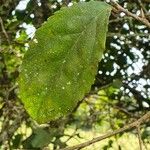
Oncoba spinosa
Fried-egg tree · Snuff-box tree · Bridge of the desert · Fried-egg flower · Fried Egg or Snuff Box
Description
Source: leafsnapOncoba spinosa, commonly known as the African Oncoba or the Snuff-box tree, is a small to medium-sized tree belonging to the family Salicaceae. It is native to tropical and subtropical regions of Africa and Madagascar. The plant has a distinctive appearance with its rough bark, spiny branches, and glossy green leaves arranged alternately on the stem. The African Oncoba produces fragrant white or cream-colored flowers that bloom in clusters during spring and summer. These flowers are followed by small, round fruits that turn yellow when ripe and contain several seeds known for their anti-inflammatory properties in traditional medicine. In addition to its medicinal uses, the plant is often grown for ornamental purposes due to its attractive appearance. Traditionally, it has been used to treat ailments such as fever, diarrhea, and dysentery across various African cultures. Oncoba spinosa prefers well-drained soils with moderate moisture levels but can tolerate drought conditions once established. It can be propagated through seeds or cuttings and requires regular pruning to maintain its shape. Overall, Oncoba spinosa is a fascinating plant with both ornamental value and medicinal properties, making it an important part of African culture and biodiversity conservation efforts across the continent.
💡 The fruit of the fried-egg tree is nearly spherical and about 6 cm in diameter. The outer shell is hard and has a reddish-brown color. After removing the sour pulp and seeds, these fruit shells are often transformed into snuff boxes. This practice has given the tree another name: the snuff-box tree.
Care Guide
💧 Water Every 7 days
The fried-egg tree, native to arid regions, is highly drought-tolerant and thrives with minimal water and infrequent rainfall. It needs occasional watering, ideally once every three weeks, making it an excellent choice for xeriscaping. The tree grows best in well-draining soil that mimics its natural dry environment.
☀️ Light Full sun
The fried-egg tree prefers settings where it receives plenty of sunlight. Its native environments provide that exposure on a regular basis. While it can tolerate periods of lower light, its growth and vigor may be weakened under those conditions.
What are the sunlight requirements for the Fried-egg tree?
The Fried-egg tree, or Oncoba spinosa, thrives in environments that receive above 6 hours of sunlight daily, placing it in the full sun category. It is essential to observe how sunlight moves through your garden to find spots offering the perfect balance of light and shade, ensuring the plants' optimal growth and happiness. In its native habitat, the Fried-egg tree grows best in generous sunlight exposure, although it can tolerate periods of lower sunlight. However, prolonged exposure to less-than-ideal light conditions can compromise its growth and vitality.
How can artificial lighting be used for indoor Fried-egg trees?
When natural sunlight is insufficient for Fried-egg trees indoors, especially during winter or in locations that receive less sunlight, artificial lighting becomes a vital solution. It's crucial to select the right type of artificial light, such as LED lights, which can be customized to provide the specific wavelengths of light the plant needs. Full sun plants require 30-50W per square foot of artificial light, partial sun plants need 20-30W per square foot, and full shade plants require 10-20W per square foot. The light source should be placed 12-36 inches above the plant to mimic natural sunlight, and most plants benefit from 8-12 hours of light per day.
What are the symptoms of light deficiency in Fried-egg trees?
Light deficiency in Fried-egg trees can lead to several noticeable symptoms. These include the development of smaller leaves compared to older ones, leggy or sparse growth with increased distances between leaves or stems, faster leaf drop as the plant tries to conserve resources, and either slower or completely halted new growth. There can also be lighter-colored new leaves, indicating insufficient sunlight and a lack of essential nutrients. Moreover, symptoms like chlorosis (leaves turning yellow), sunscald (damaged areas due to intense light), leaf curling (to minimize water loss and damage), wilting (loss of turgor pressure), and leaf scorching (brown, dry edges on leaves) can also occur.
What are the solutions for treating light deficiency in Fried-egg trees?
To address light deficiency in Fried-egg trees, gradually increasing sunlight exposure is key. For indoor plants, move them to a sunnier location, near a south-facing window, and keep curtains open during the day to ensure at least 6 hours of direct sunlight daily. If the plant is large or not easily movable, consider using artificial light, keeping a lamp on for at least 8 hours daily or investing in professional grow lights. For outdoor plants, move them progressively to sunnier spots each week, avoiding sudden changes to prevent sunburn. Reducing obstructions like pruning trees that block sunlight, and for smaller plants, considering transplanting during their dormant period to a location with better light and drainage can also help. While parts of the plant affected by insufficient sunlight may not recover, new growth should be healthy with improved light exposure.
🌡️ Temperature 20–37.8°C
The fried-egg tree grows best in its native environment when temperatures range from 68 to 100 °F (20 to 38 ℃). It favors warmer conditions, particularly in spring and summer. In colder seasons, temperature adjustments may be needed for optimal growth.
What are the ideal growing conditions for the Fried-egg tree?
The Fried-egg tree, or Oncoba spinosa, thrives in its native environment with a temperature range of 68 to 100 °F (20 to 38 °C), preferring warmer temperatures especially in spring and summer. It is extremely heat-loving and does not tolerate cold well. During colder seasons, and particularly in winter, maintaining temperatures above 20°C is beneficial for its growth. It's recommended to bring outdoor-grown Fried-egg trees indoors in autumn, placing them near a bright window but at a distance from heaters to avoid harm. The tree requires adjustments in its environment to ensure optimal growth throughout the year.
What should I do if my Fried-egg tree is exposed to low temperatures?
The Fried-egg tree prefers warm temperatures and is not tolerant of cold. It's best kept in conditions where the temperature is above 20°C, and it's important to ensure it does not go below 5°C during the winter. Exposure to temperatures below 1°C can result in discoloration of the leaves, which may turn brown or black and exhibit wilting and drooping after frost damage. If your Fried-egg tree is damaged by low temperatures, trim off the frost-damaged parts immediately and move the tree to a warmer, indoor environment. Place it near a south-facing window for ample sunlight but avoid placing it near heaters or air conditioning vents to prevent air dryness.
How should I care for my Fried-egg tree during high temperatures?
During the hotter summer months, it's crucial to ensure that the Fried-egg tree is kept below 38°C. Exposure to temperatures above 43°C can lighten the leaf color and make the plant more susceptible to sunburn. To care for a tree that has suffered from high temperatures, trim away the sunburned and dried-up parts. Then, relocate the plant to an area with shade, especially protecting it from the midday and afternoon sun. Water the plant in the morning and evening to keep the soil adequately moist, helping the tree to recover and thrive despite the heat.
💨 Humidity
🪴 Soil 5-6
🌱 Fertilizer
The best time to fertilize a Fried-egg tree is in early spring when it comes out of dormancy. Doing so encourages overall growth and the development of flowers. Fertilizing improves the foliage, stems, and branches, and encourages flowers that are large, vibrant, and long-lasting. It helps move nutrients from the roots to the flowers and enhances the plant’s health and resistance to disease.
🪴 Pot & Repot
✂️ Pruning
The Fried-egg tree features glossy green leaves and distinctive white flowers. To maintain its health and appearance, prune the tree in early spring. This helps remove damaged branches, improves airflow, and allows you to shape the plant. Light thinning encourages growth and flowering. Always use clean, sharp tools to minimize the risk of disease, and trim any suckers to better distribute the plant's energy.
🌿 Propagating
🐛 Diseases & pets
☠️ Toxicity
Characteristics
- Plant Type
- Tree
- Life Cycle
- Perennial
- Genus
- Oncoba
- Family
- Salicaceae
- Hardiness Zone
- 10-11
- Mature Height
- 4.88 m
- Mature Spread
- 3.05 m
- Leaf Color
- Green
- Leaf Type
- Semi-evergreen, Deciduous
- Flower Color
- White
- Flower Size
- 5.08 cm
- Bloom Time
- Late spring, Early summer, Mid summer
- Planting Time
- Spring, Summer, Autumn, Winter
- Harvest Time
- Late summer, Early fall, Mid fall