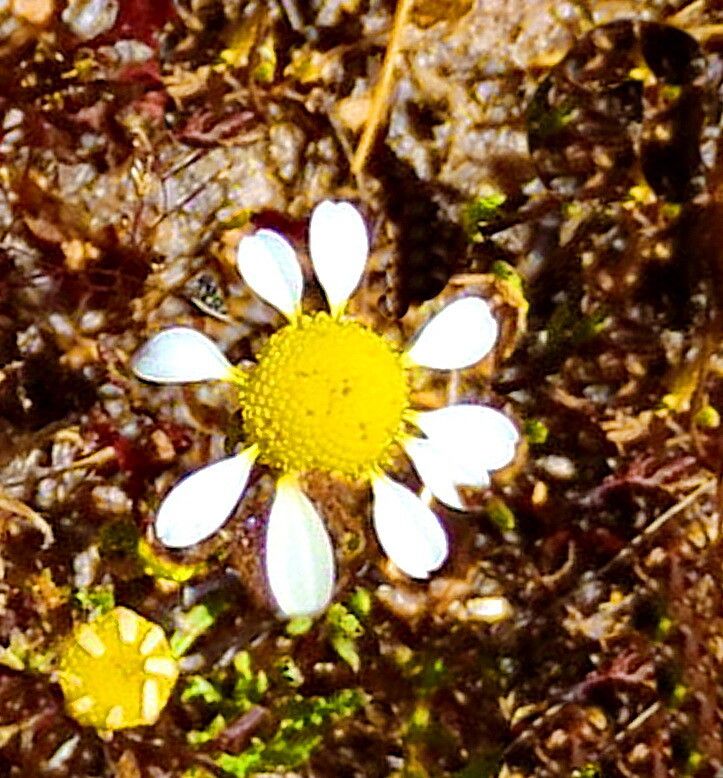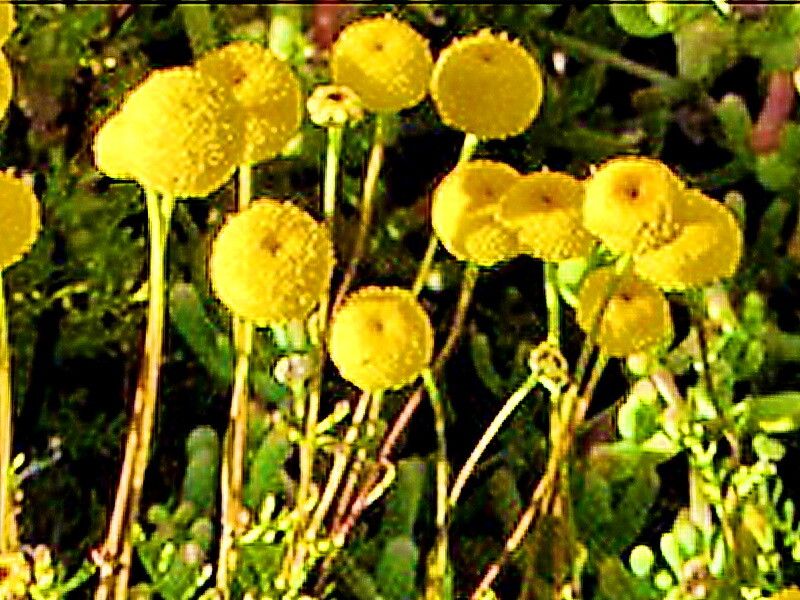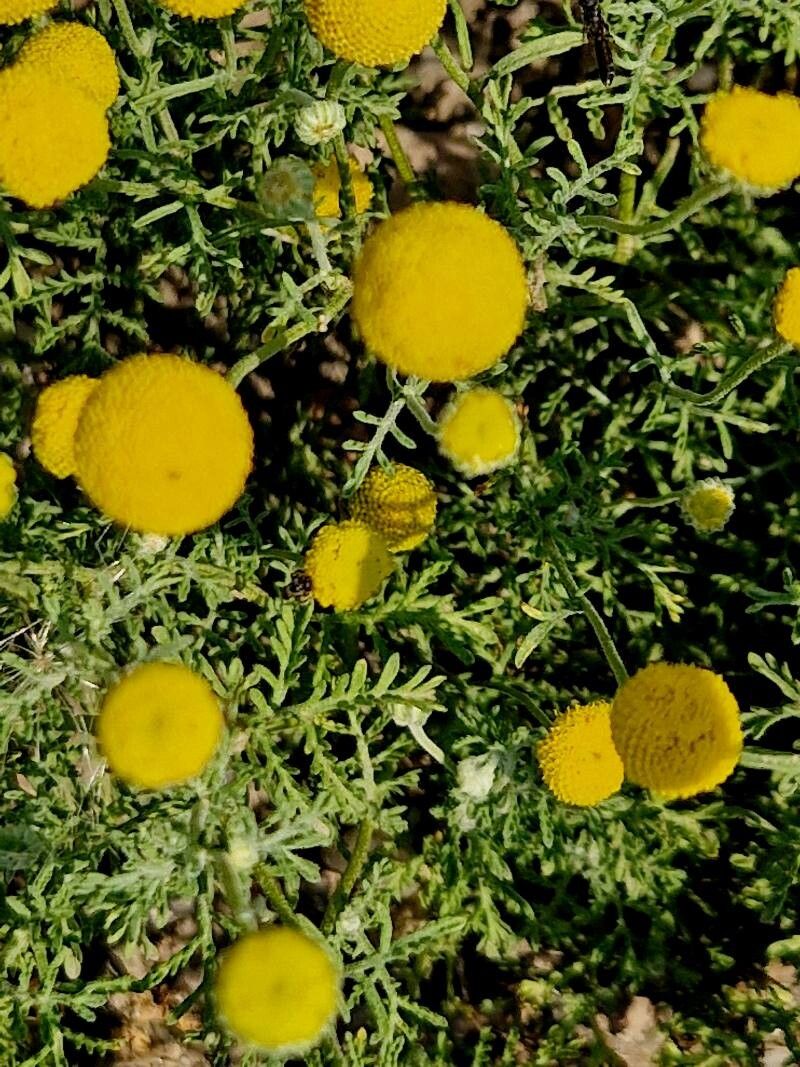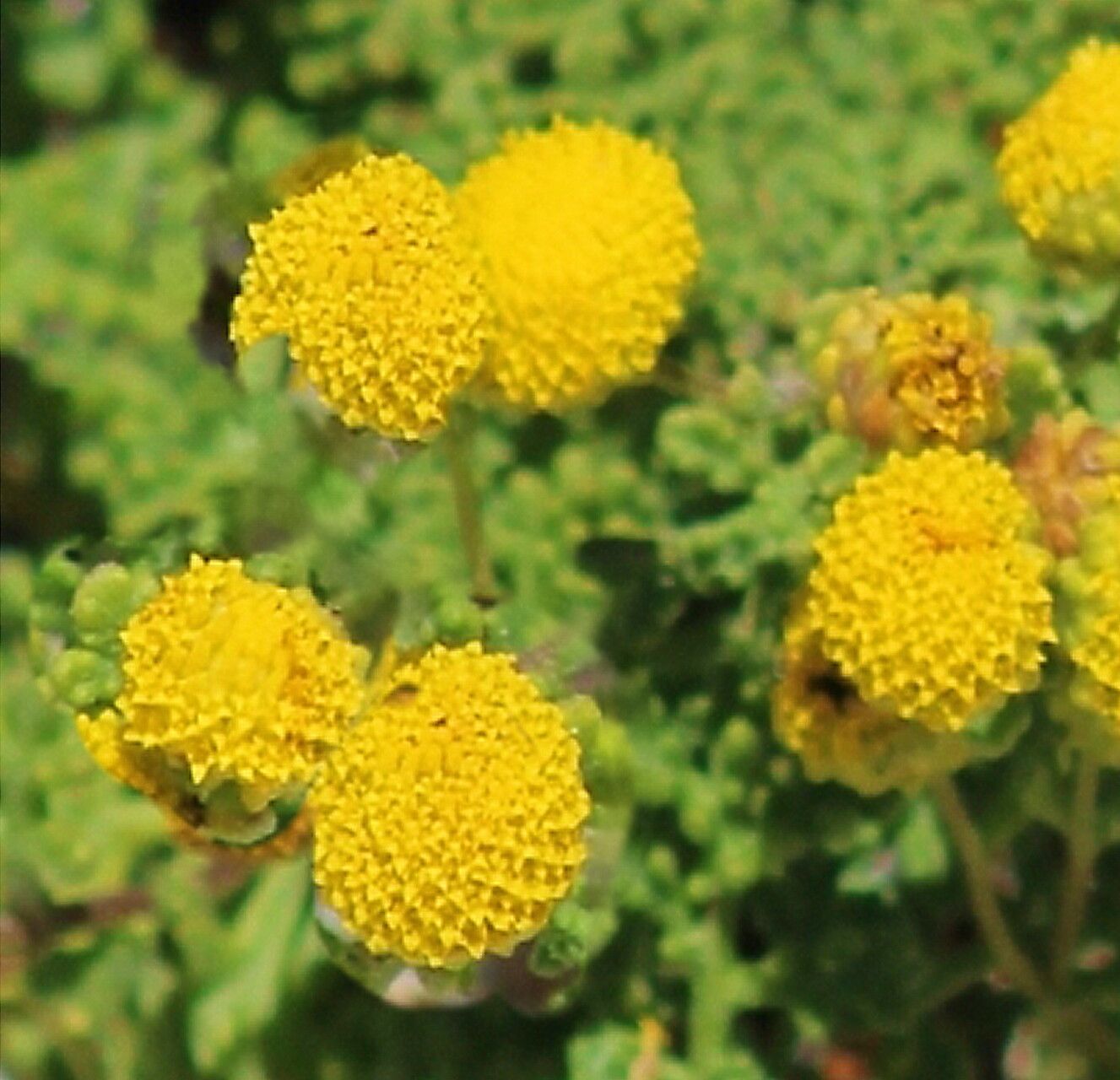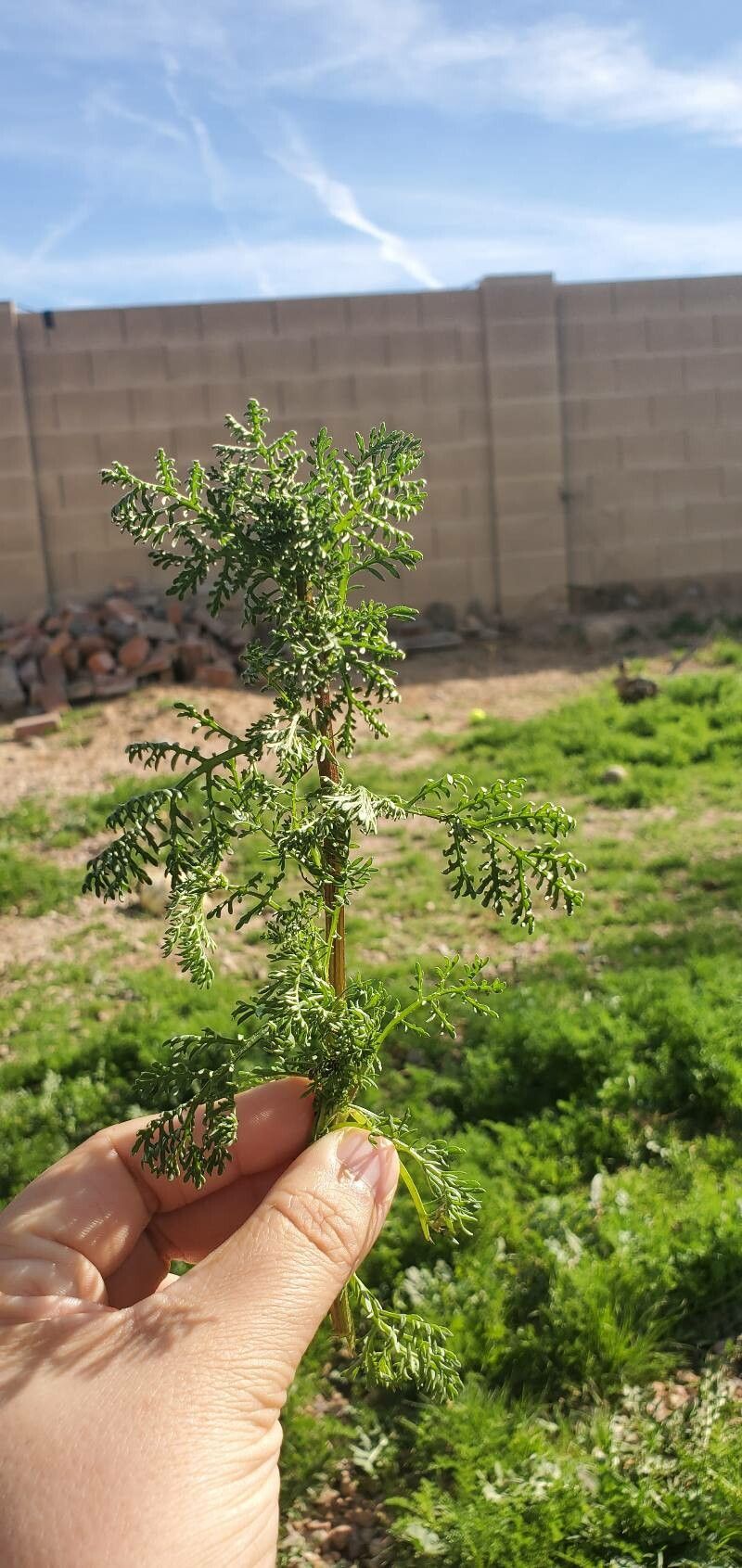
Oncosiphon pilulifer, also known as globe chamomile and stinknet, is a flowering plant in the daisy family (Asteraceae) native to South Africa and Lesotho. It is considered invasive in some parts of North America.
Stinknet is fairly resistant to disease and generally does not tend to develop illnesses. However, it can be vulnerable to pests and diseases present in its environment. Such infections are generally mild. Regarding care, the plant needs moderate upkeep. It should be pruned regularly to preserve a tidy appearance and support healthy growth. Applying fertilizer can also encourage flowering. Stinknet is suitable for anyone with an outdoor area, such as a garden or patio, and does not demand extensive horticultural experience. It may need more attention when cultivated indoors.
How to keep Oncosiphon Piluliferum.
Light
Stinknet is native to clear, luminous surroundings, and it flourishes under full sunlight. Although it can endure a semi-sunny climate, it thrives best under full sun exposure for superior growth. This plant, which can live for one or two years, is recognized for its affinity for sunlight.
Water
Stinknet originates from the arid regions of South Africa and is highly drought-tolerant. To mimic its natural environment, it needs to be watered weekly. The plant thrives outdoors in full sun and well-draining soil, which helps maximize water efficiency while promoting healthy growth.
Temperature
Stinknet thrives in climates where the average temperature hovers between 68 to 95°F (20 to 35℃). These temperatures are optimal for its growth. Individuals who are growing Stinknet in colder regions have to actively modify the plant's surroundings to accommodate the changing seasons.
Fertilizer
When Stinknet has almost completely blossomed, it's time to resume the fertilization process. As the flowers reach their maximum output, start a cycle of fertilization every three to four weeks, depending on weather conditions. However, when Stinknet reduces its production of new flowers, cease the application of fertilizer; there's no benefit in further fertilization if the plant is unable to generate additional blooms.
Pruning
Stinknet is an invasive annual plant known for its small yellow flowers and strong odor. To control its growth and improve airflow, it's best to prune it from early to late spring. Cut back spent flowers and any unruly stems during this period. Additionally, make sure to clean your tools thoroughly to prevent the spread of disease.
Botanical profile.
- Plant Type
- Herb
- Life Cycle
- Annual
- Genus
- Oncosiphon
- Family
- Asteraceae
- Hardiness Zone
- 9-10
- Mature Height
- 61 cm
- Mature Spread
- 20 cm to 40 cm
- Leaf Color
- Green, Dark Green
- Leaf Type
- Semi-evergreen
- Flower Color
- Yellow
- Flower Size
- 0.76 cm
- Bloom Time
- Spring
- Planting Time
- Spring, Autumn
- Harvest Time
- Late spring, Early summer, Mid summer
- Native Area
- South Africa, Lesotho