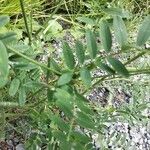
Onobrychis viciifolia
Sainfoin · Holy-clover · Esparcet · Common sainfoin · Sainfoin legume
Description
Source: leafsnapOnobrychis viciifolia, also known as O. sativa or common sainfoin (IPA: ['sænfɔɪn]) has been an important forage legume in temperate regions until the 1950s. During the Green Revolution it was replaced by high yielding alfalfa and clover species. Due to its anthelmintic properties the common sainfoin is a natural alternative to drugs to control nematode parasitism in the guts of small ruminants. This is the main reason why O. viciifolia came back to the scientific agenda during the last years.
🌳 Common sainfoin is not only a member of the legume family but also a valuable plant in agricultural systems. It is mainly used as a forage crop, valued for its high protein content that provides nutritious feed for livestock. Beyond the fields, common sainfoin is being investigated for its potential to produce natural sweeteners and essential oils, and for phytoremediation, since its adaptable roots may help indicate soil metal content — an unexpected facet of its usefulness.
Care Guide
💧 Water
Common sainfoin flourishes in temperate climates with moderate moisture levels. It benefits from consistent soil hydration and weekly watering, as long as waterlogging is avoided. Although it can endure brief periods of drought, keeping an eye on soil moisture during the growing season is essential for optimal growth.
What should I do if I give my Common sainfoin plants too much water or too little water?
Overwatering is a common issue that can harm Common sainfoin. It causes wilting and yellowing of stems and leaves, and can lead to diseases like root rot, mold, and mildew that can kill the plant. Underwatering is less common but still possible, resulting in brittle and brown leaves. It's important to notice signs of overwatering early and reduce watering immediately. If the soil drains poorly, replace it with well-draining soil. If underwatering is the issue, water more regularly until the signs improve.
How often should I give water to my Common sainfoin plant?
If your Common sainfoin plant is in a pot, the best way to know if it needs water is to stick your finger in the soil. If the top two to three inches of soil are dry, it's time to water. If you're growing the Common sainfoin outdoors in the ground, you can use the same method to check the soil. When the top few inches of soil are dry, it's time to water. Typically, during the spring and early fall, you'll need to water this plant about once a week. In very hot weather, you may need to water it twice or more per week. However, mature and well-established Common sainfoin plants can handle drought well.
How much water does my Common sainfoin require?
When watering your Common sainfoin, don't be hesitant in giving an ample amount of water. Make sure the first two to three inches of soil are dry before watering thoroughly. It's important to water enough to completely saturate the soil, causing excess water to flow out of the pot's drainage holes. If you don't see any excess water draining, you may have underwatered the plant. However, be cautious not to let water accumulate in the soil as it can harm the plant. On the other hand, if water doesn't drain well through the pot, it could indicate poorly draining soil, which is not good for the plant's health. When the plant is outside, about 1 inch of rain per week is sufficient.
"How do I know when and how much to water my Common sainfoin during different stages of growth?"
The water needs of the Common sainfoin can vary depending on its growth stages. In the first few years and after being transplanted, it requires more water because it's focused on developing new roots. These roots need extra moisture to support future growth. As the plant matures, it requires less water. Another stage that might require additional watering is during blooming, as the flowers need more moisture.
How do I water my Common sainfoin throughout the year?
The Common sainfoin has varying water needs throughout the year. During the hottest months of summer, it requires more frequent watering, potentially more than once a week, depending on how quickly the soil dries out. In contrast, during the winter when the plant is dormant, it needs significantly less water. In fact, you may not need to water it at all during this time. If you do choose to water in winter, limit it to about once a month to avoid potential disease.
☀️ Light Full sun
Common sainfoin needs plenty of sunlight in its native habitat to support healthy growth. A generous supply of light is vital for its vigor, particularly at the different stages of development. Too little or too much exposure can harm its condition and impede photosynthesis, appearing as poor growth and reduced health.
What are the sunlight requirements for Common Sainfoin?
Common Sainfoin (Onobrychis viciifolia) requires more than 6 hours of sunlight daily to thrive, highlighting the importance of full sun exposure for its growth and health. The plant benefits significantly from being placed in spots where it can enjoy a perfect balance of light and shade throughout the day. This adequate exposure to the sun is crucial during the plant's various stages of development, ensuring its vitality and aiding in optimal photosynthesis. When sunlight is insufficient, especially indoors or during less sunny seasons, artificial lighting can serve as a vital alternative, with specific recommendations including the usage of LED lights, which can be customized to provide specific wavelengths necessary for the plant's growth. Proper placement and duration of artificial lighting mimic natural sunlight conditions and promote healthier plant growth.
What are the signs of insufficient sunlight for Common Sainfoin and how can it affect the plant's growth?
When Common Sainfoin does not receive sufficient sunlight, it may exhibit symptoms such as smaller new leaves, leggy or sparse growth, faster leaf drop, reduced or halted growth, lighter-colored new leaves, chlorosis, sunscald, leaf curling, wilting, and leaf scorching. These signs indicate a range of issues from inadequate chlorophyll and essential nutrients to damage caused by intense sunlight exposure. Insufficient light prompts the plant into survival mode, leading to slowed down or completely stopped growth cycles, while overexposure may result in physical damage to the leaves or stems, and a decrease in the plant's overall health.
How can I address sunlight-related issues in Common Sainfoin?
To mitigate sunlight-related issues in Common Sainfoin, both indoor and outdoor care strategies are advisable. Indoors, gradually relocating plants to sunnier locations or supplementing with artificial lighting can ensure they receive at least 6 hours of direct sunlight daily. For outdoor plants, a gradual adjustment to brighter spots helps prevent sunburn, emphasizing careful transition to prevent shock. Reducing obstructions like overhanging branches or relocating the plant to a sunnier area can significantly improve sunlight exposure. It's vital to note that while affected parts of the plant may not recover, new growth should thrive under improved lighting conditions.
🌡️ Temperature 5–35°C
Common sainfoin is native to temperate regions and prospers in places where temperatures range from 41 to 95 °F (5 to 35 °C). In different seasons, this plant adapts well to temperature fluctuations within that range.
What is the native climate for Common Sainfoin?
Common Sainfoin is native to temperate climates and performs best in temperature ranges from 41 to 95 °F (5 to 35 °C). It adapts well to temperature fluctuations within this range across different seasons. Its strong resistance to cold means that it usually does not require special frost protection measures in winter. However, in regions where winter temperatures are expected to drop below -25°C, it's important to protect the plant by covering it with soil or straw. Additionally, it's advised to water the plant abundantly before the first freeze in autumn to keep the soil moist, helping to prevent drought and water scarcity for the plant during the winter and early spring.
How does Common Sainfoin react to low temperatures?
Common Sainfoin is remarkably cold-tolerant, thriving best when the temperature remains above 5°C. Throughout the winter, it is vital to ensure the temperature stays above -20°C to avoid damage. If temperatures fall below -25°C, while there might not be visible changes during the winter, the plant could demonstrate a decreased sprouting rate or even fail to sprout at all come springtime. To mitigate this, it's recommended to remove any parts of the plant that have failed to sprout in the spring.
What should be done if Common Sainfoin experiences high temperatures?
During summer, it's imperative to keep the temperature below 35°C for Common Sainfoin. Exceeding 38°C can cause the leaves to lighten in color, become prone to curling, susceptible to sunburn, and in severe cases, lead to the entire plant wilting and drying out. To address these issues, trim away the sunburned and dried-up parts of the plant. Relocate the plant to an area that offers shade during the midday and afternoon sun, or utilize a shade cloth to protect it. Ensuring the soil remains moist by watering the plant in the morning and evening is also crucial.
💨 Humidity
🪴 Soil 6-7
🌱 Fertilizer
The best time to fertilize a Common sainfoin is in early spring, as it exits dormancy and starts active growth. Fertilization supplies essential nutrients for healthy development. Although Common sainfoin has relatively low fertilizer requirements, an annual application can improve its survival and result in better, longer-lasting flowers.
Why should I put fertilizer on my Common sainfoin?
Common sainfoin benefits from fertilization for various reasons. Fertilization provides essential nutrients for the plant's growth above and below ground. Despite having relatively low fertilization requirements, annual fertilization can greatly benefit Common sainfoin. It helps maintain the plant's health and promotes the production of longer-lasting flowers. Therefore, those who want their Common sainfoin to thrive should consider regular fertilization.
When should I fertilize my Common sainfoin?
The best time to fertilize a Common sainfoin is in late winter to early spring when the plant is transitioning from dormant to active growth. Fertilizing at this time promotes healthy growth and sets the plant up for a successful season. Although early spring is generally the most beneficial, fall is also an acceptable time to fertilize. However, it is advisable to avoid fertilizing in summer and winter.
When is the best time to not fertilize my Common sainfoin?
Common sainfoin only needs to be fertilized once a year, during late winter or early spring. Overfertilizing during spring, summer, or fall can cause problems, unless you didn't fertilize in spring, then fall fertilizing is allowed. It's also not necessary to fertilize during winter since the plant is in a dormant phase and doesn't grow. Avoid fertilizing for most of the growing season and in winter.
What kind of plant food does my Common sainfoin need?
When it comes to fertilizing Common sainfoin, a general-purpose fertilizer with balanced nutrients will do the job. However, there are specific nutrient blends that can provide even better results. Some gardeners recommend using a fertilizer high in phosphorus to enhance root strength and flower quality, which is beneficial for flowering plants like Common sainfoin. Whether you choose a granular or liquid form, make sure the fertilizer is nutrient-rich. Additionally, organic options like compost and manure can also greatly improve the soil for Common sainfoin.
How can I add fertilizer to my Common sainfoin plant?
The most common way to fertilize a Common sainfoin is by applying a granular or pellet fertilizer to the soil around the plant. It is important to remember that the best time to fertilize is when the plant starts growing actively, after it completes its winter dormant phase. During early spring, wait for the plant to produce shoots through the soil before applying the fertilizer. Alternatively, some people prefer using liquid fertilizer instead of granular fertilizer. In that case, dilute the fertilizer with water before application. Whether you choose granular or liquid fertilizer, ensure that the soil is moistened before, during, and after fertilization.
🪴 Pot & Repot
✂️ Pruning
Common sainfoin is a perennial legume known for its deep taproots and pinkish flower spikes. Pruning from early to late spring promotes healthier growth, denser foliage, and more vigorous flowering while helping to prevent disease. By regularly pruning, you can maintain an attractive shape, enhancing the plant's health and improving the overall appearance of your garden.
🌿 Propagating
🐛 Diseases & pets
☠️ Toxicity
Onobrychis viciifolia has no toxic effects reported.
Characteristics
- Plant Type
- Herb
- Life Cycle
- Perennial
- Genus
- Onobrychis
- Family
- Fabaceae
- Hardiness Zone
- 5-9
- Mature Height
- 40 cm to 76 cm
- Mature Spread
- 61 cm
- Leaf Color
- Green
- Leaf Type
- Deciduous
- Flower Color
- Pink
- Flower Size
- 1.52 cm to 3.05 cm
- Bloom Time
- Late spring, Early summer, Mid summer
- Planting Time
- Spring, Summer, Autumn
- Harvest Time
- Mid summer
- Native Area
- Turkey, France