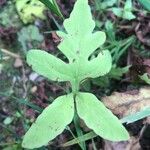
Onoclea sensibilis
Sensitive fern · Bead Fern · Meadow Brake · Polypod Brake · Sympathy fern
Description
Source: leafsnapOnoclea sensibilis, commonly known as the sensitive fern, is a deciduous species native to North America. It typically thrives in moist woodland areas and along stream banks. This fern can grow up to 3 feet tall and features triangular, light green fronds. A notable characteristic of Onoclea sensibilis is its high sensitivity to frost. The fronds will turn brown and die back at the first sign of frost, which is why it’s called the "sensitive fern." However, the plant will regrow from its underground rhizomes once warmer temperatures return. Historically, Native American tribes have used this plant for medicinal purposes, treating ailments such as fever, diarrhea, and rheumatism. Additionally, the plant serves as an important food source for wildlife, including deer and rabbits. Onoclea sensibilis can be cultivated in gardens with moist soil conditions, although it requires regular watering during dry spells. It can be propagated through division or spores, but it may take several years for a mature plant to become established. Overall, Onoclea sensibilis is a fascinating fern species with unique characteristics, making it a distinctive presence in its natural habitat.
🌳 Sensitive fern has established itself as more than merely a fern; it functions as an ecological indicator because it is sensitive to copper and becomes scarce in contaminated soils. Also, the plant’s durable fronds are put to use in basketry. This use not only demonstrates sensitive fern’s utility beyond its natural setting but also helps preserve traditional crafts and supports cultural heritage.
🎭 Agelessness, modesty, genuineness, self-assurance, affection, safety, renewal
Care Guide
💧 Water Every 7 days
Sensitive fern flourishes in moist and shaded environments, requiring consistent moisture and high humidity to thrive. For optimal growth, it should be watered twice a week. Typically found outdoors, this fern thrives during the growing season when increased sunlight is paired with ample water, mimicking the conditions of its native tropical understory habitat.
What do I need to do if I give my Sensitive fern too much or too little water?
Sensitive ferns can be overwatered if they sit in water or if there is no drainage in their planter. Too much moisture can lead to root problems and diseases. Signs of overwatering include wilted leaves, yellow leaves, drooping stems, and a soft or mushy texture. However, it is important to check for other causes since it is difficult to overwater a Sensitive fern. On the other hand, underwatering can also be an issue for Sensitive ferns. It is easy to accidentally let the plant get too dry, especially if you do not have a self-watering planter. In dry conditions, the fern can quickly turn brown and crispy. In severe cases, it may seem like all the fronds are dead, but there is still a chance to save the plant if the roots are still healthy. Trim off the dry and dead stems, thoroughly water the plant, and return it to its original spot. With proper care, the fern can recover and start growing new fronds, although it may take a few months to reach its previous size.
What is the right way to water my Sensitive fern?
To provide the best conditions for your Sensitive fern, it is important to keep the soil consistently moist, resembling its natural environment. This may require watering every one or two days. It is crucial to avoid letting the plant's soil dry out. Once the top layer of soil starts to feel slightly dry, it is time to water again. When watering, make sure to fully saturate the soil until water drains from the bottom of the pot. Afterward, remember to discard any excess water in order to prevent the pot from sitting in a puddle. Following this method will help maintain the soil's moisture level and prevent it from becoming too dry.
What do I need to think about when watering my Sensitive fern?
The humidity level in the air affects how often you need to water your Sensitive fern. Higher humidity means less frequent watering. Avoid placing the plant near heating or cooling vents, as it can dry out quickly. Choose a location with no drafts. Sensitive ferns prefer dappled and indirect sunlight, and temperatures between 55-80 degrees F (13-27 degrees C). Placing them in a warm and sunny windowsill can dehydrate them quickly. Rainwater or distilled water is ideal for this plant, although tap water generally works fine. Tap water may contain minerals and chemicals that can cause brown leaf tips due to the fern's delicate leaves. Avoid using small pots as they dry out quickly. Provide more space in the pot for the fern. Consider using a self-watering planter for Sensitive ferns, as it keeps the soil consistently moist and eliminates the need for frequent watering. This type of pot is also beneficial for the roots as it provides a continuous supply of water, preventing the soil from becoming too dry or wet.
☀️ Light Full shade
The sensitive fern flourishes in low-light conditions and prefers places with limited sunlight. It can tolerate areas that get somewhat more sun, but excessive light can harm its health. Native to habitats with dense plant cover, its growth and vigor are closely linked to particular lighting conditions.
What are the sunlight requirements for a Sensitive Fern?
The Sensitive Fern requires specific lighting conditions to thrive. It prefers full shade, meaning less than 3 hours of direct sunlight per day, or partial sun, which amounts to about 3-6 hours of sunlight. It's essential to observe the movement of sunlight through your garden to find spots that offer a balanced environment of light and shade, ensuring the plant's well-being. This species originates from environments with significant plant cover, where it has adapted to thrive under low light conditions. When exposed to too much sunlight, the plant may experience poorer health.
How should I use artificial lighting for my Sensitive Fern indoors?
Indoor Sensitive Ferns require adequate lighting for optimal growth, especially when natural sunlight is scarce, such as in winter or in spaces that don't receive much sunlight. Artificial lighting can play a crucial role here by promoting faster and healthier growth. LED lights are recommended because they can be customized to emit specific light wavelengths needed by the plant. For full sun plants, 30-50W per square foot is needed; partial sun plants require 20-30W per square foot, and full shade plants need 10-20W per square foot. Ensure the light source is placed 12-36 inches above the plant and mimics natural daylight hours, typically 8-12 hours per day, to foster healthy growth.
What are the symptoms of inadequate light for a Sensitive Fern?
A Sensitive Fern can exhibit several symptoms when suffering from inadequate light, including slower or halted growth, chlorosis, sunscald, leaf curling, wilting, and leaf scorching. These conditions range from reduced leaf production and losing the green color in leaves to physical damage from intense sunlight, such as pale or necrotic patches on plant tissues. Wilting reflects a plant's struggle with maintaining hydration under excessive sunlight, while leaf scorching is shown by brown, dry edges on leaves. These symptoms indicate the delicate balance the plant requires between sufficient light and protection from intense exposure.
What are some solutions for optimizing light exposure for a Sensitive Fern?
To optimize light exposure for a Sensitive Fern, consider several solutions based on the plant's location. Indoors, move your plants to locations where they can enjoy ample filtered light, including some direct morning sunlight, ideally 1-2 meters away from a window. If moving the plant isn't feasible, artificial lighting, such as desk lamps or professional grow lights, should be used for at least 8 hours daily. Outdoors, gradually acclimate your plants to sunnier spots each week to avoid sunburn. If sunlight is blocked, for ground plants, consider pruning nearby trees or transplanting the fern during its dormant period to a sunnier location with good drainage. It’s important to note that while parts of the plant that have suffered from lack of sunlight may not recover, new growth should be healthy with improved light conditions.
🌡️ Temperature 5–35°C
Sensitive fern is native to regions with a cool-summer climate, such as deciduous forests. It prefers temperatures between 41 to 95 ℉ (5 to 35 ℃) and can tolerate extreme drops as low as -22 ℉ (-30 ℃). In spring and summer it favors warm temperatures and moist soil, while in autumn and winter it can withstand freezing temperatures and moist soil conditions.
What is the native climate for Sensitive fern?
Sensitive fern, also known by its botanical name Onoclea sensibilis, thrives in regions that experience cool summer climates, such as deciduous forests. It prefers a temperature range from 41°F to 95°F (5°C to 35°C) and is capable of withstanding temperatures as low as -22°F (-30°C). During the spring and summer, the fern benefits from warm temperatures and moist soil, while in the autumn and winter, it can tolerate freezing temperatures as well as moist soil conditions. This fern is known for its strong resistance to cold, hence special frost protection measures are not typically necessary during winter. Yet, if winter temperatures are expected to plunge below -30°C, it's crucial to insulate the plant using soil or straw and ensure the soil is moist before the first freeze of autumn to help prevent drought and water scarcity for the plant during the colder months.
How does Sensitive fern react to low temperatures?
Sensitive fern exhibits a high tolerance to cold, optimally thriving when the ambient temperature is above 5°C. During winter months, it should be maintained at temperatures above -25°C. However, when temperatures drop below -30°C, the fern may not show noticeable damage during winter but could exhibit a decrease in sprouting, or in some cases, not sprout at all come spring. To mitigate this, it is advised to remove any parts of the fern that have failed to sprout in spring, thus promoting healthier growth and vitality for the season ahead.
How does Sensitive fern react to high temperatures?
In the summer, Sensitive fern fares best when temperatures are kept below 35°C. Should the temperature rise above 38°C, the plant's leaves might exhibit signs of stress, such as lightening in color, curling, and being more prone to sunburn. To address this, trim away the sunburned and dried parts of the plant. Relocating the fern to a shaded area, or employing the use of a shade cloth to protect it from the intense midday and afternoon sun, can help. Additionally, watering the plant in the early morning and evening will assist in keeping the soil adequately moist, thereby reducing the risk of damage from high temperatures.
💨 Humidity high (>60%)
This plant needs special care because it loves high humidity levels of 60-80% or more. The best way to achieve this is by placing a humidifier near the plant. Daily misting is also essential! Make sure the room has good ventilation.
🪴 Soil 5-6
🌱 Fertilizer
To promote lush foliage, sensitive ferns benefit from a nitrogen-rich fertilizer applied sparingly in the spring. It's best to use a balanced slow-release formula with a high nitrogen N-P-K ratio. Fertilize once at the beginning of the growing season, and refrain from feeding the ferns during their dormant period in the fall and winter.
Why is it important to add fertilizer to my Sensitive fern?
Fertilizing Sensitive fern is important for a few reasons. Firstly, it provides your plant with the necessary nutrients to promote healthy new growth. Additionally, these extra nutrients contribute to the overall well-being of the existing foliage and aid in the plant's resistance against diseases and pests.
When should I fertilize my Sensitive fern?
The feeding schedule of Sensitive fern depends on its location. While it is not a very hungry plant, it does need some extra nutrients. Outdoor plants should be fertilized once in the spring, whereas indoor specimens should be fed monthly from spring to summer.
When is it best not to fertilize my Sensitive fern?
To avoid excessive growth before winter, it is advised not to fertilize after early autumn. Additionally, refrain from fertilizing Sensitive fern during hot and dry periods, as dry soil is less effective at delivering nutrients and increased growth can require more water that may not be readily available. It is more suitable to apply fertilizer earlier in the season when temperatures are cooler. Lastly, be cautious not to inadvertently expose Sensitive fern to excessive fertilizer, as it can absorb nutrients from nearby plants or lawns.
What kind of fertilizer should I use for my Sensitive fern?
When selecting a fertilizer for Sensitive fern, there are different choices to consider depending on whether the plant is grown indoors or outdoors. Outdoor plants benefit from a layer of mulch or compost. For indoor plants, an ideal fertilizer would have an N-P-K (nitrogen-phosphorus-potassium) ratio of 3-1-2. However, a general-purpose fertilizer with an equal proportion of nutrients can also be effective in certain situations. Regardless of the fertilizer used, it is important to make sure that the ratio number for each nutrient is 3 or below.
How can I fertilize my Sensitive fern plant?
Fertilizing Sensitive fern is not complicated, but it varies depending on the plant's location. For outdoor garden plants, it is best to add a layer of mulch or compost to the soil, making sure it surrounds the plant's base. On the other hand, indoor plants typically flourish with a diluted liquid fertilizer applied before watering. It is recommended to do this monthly during the spring and summer seasons.
🪴 Pot & Repot 2-3 years
When repotting Sensitive fern, select a pot 1-2 inches (2.5–5.1 cm) larger with ample drainage. Use a well-draining potting mix. Repot in spring or fall, ensuring the root ball sits slightly below the rim of the flower pot. Water thoroughly after repotting and place it in a warm spot with indirect sunlight.
✂️ Pruning
To help sensitive ferns thrive, it's important to prune them early in the spring. Start by cutting back the old fronds to ground level to encourage new growth. Removing dead materials not only prevents disease but also improves air circulation. This promotes healthy, vibrant foliage and keeps the plant looking attractive.
🌿 Propagating
🐛 Diseases & pets
☠️ Toxicity
Characteristics
- Plant Type
- Fern
- Life Cycle
- Perennial
- Genus
- Onoclea
- Family
- Aspleniaceae
- Hardiness Zone
- 4-9
- Mature Height
- 91 cm
- Mature Spread
- 0.91 m to 1.22 m
- Leaf Color
- Green, Yellow
- Leaf Type
- Deciduous
- Planting Time
- Spring, Autumn
- Harvest Time
- Mid summer
- Native Area
- Russia, Japan, Mongolia, Koppen, South Korea