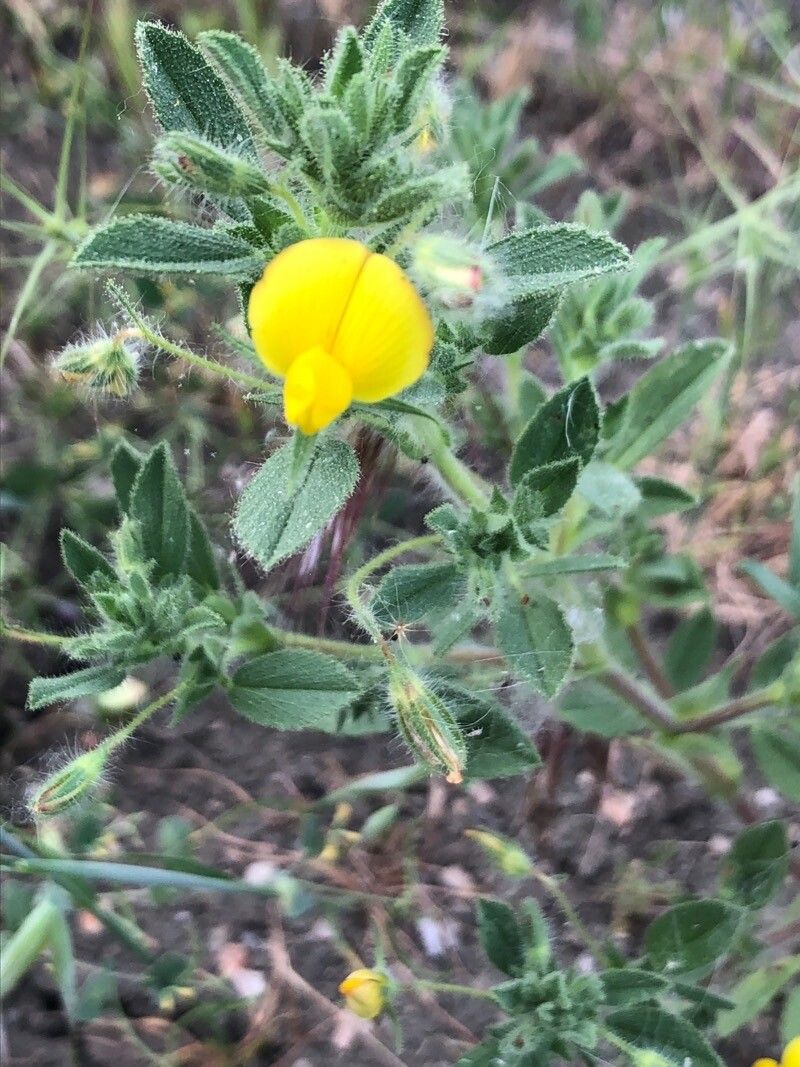
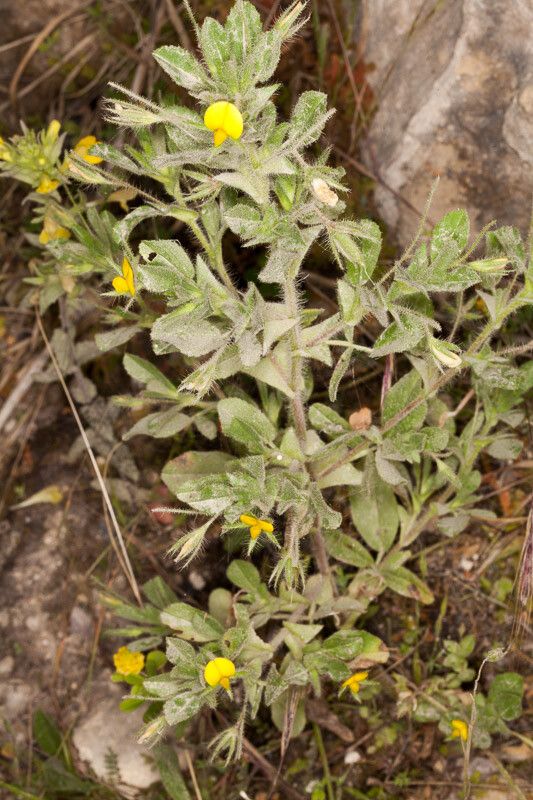
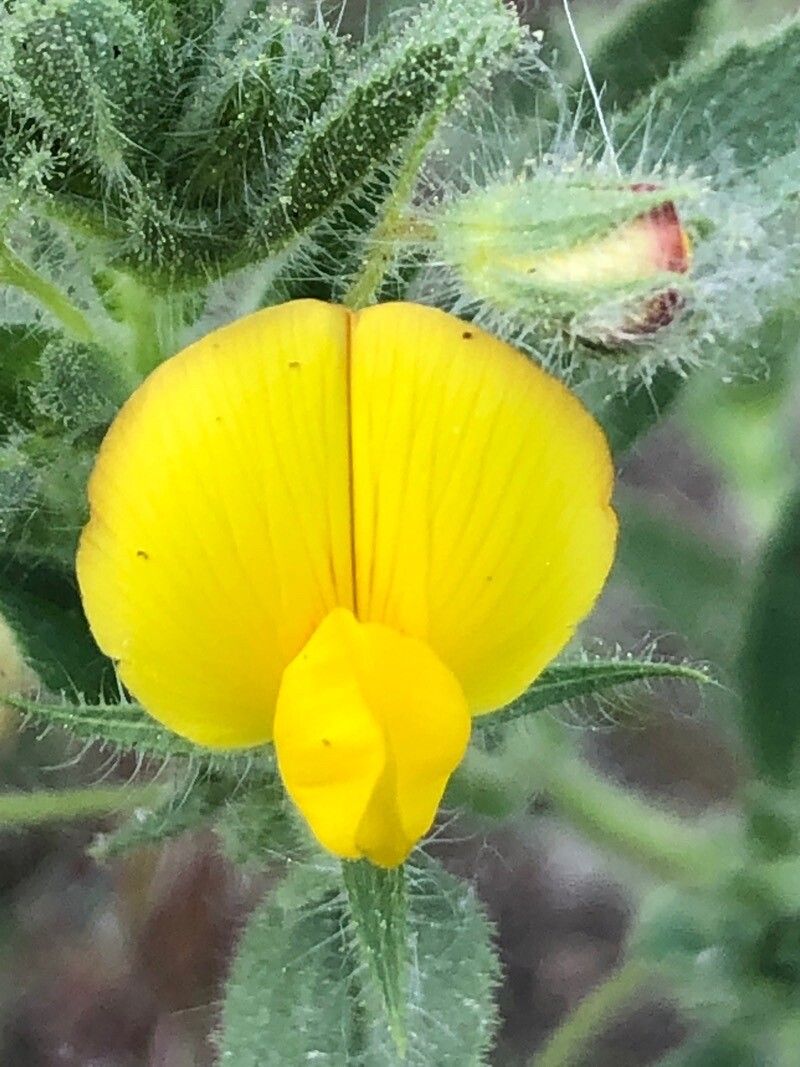
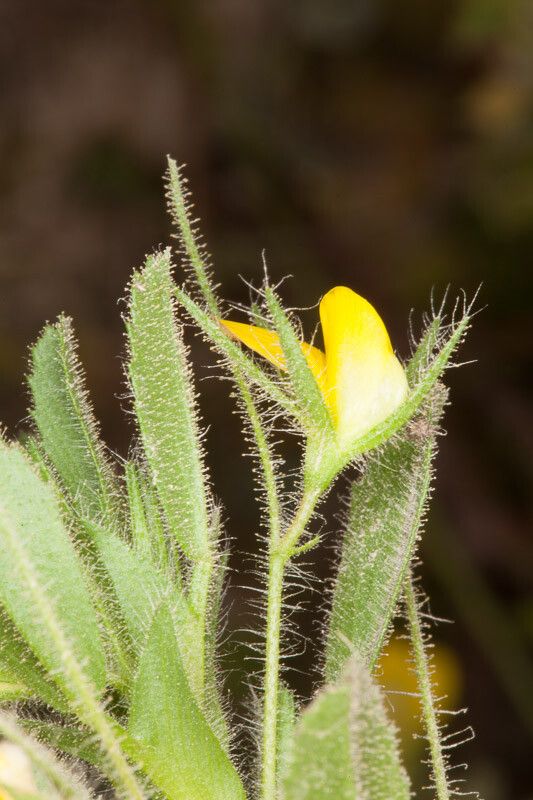
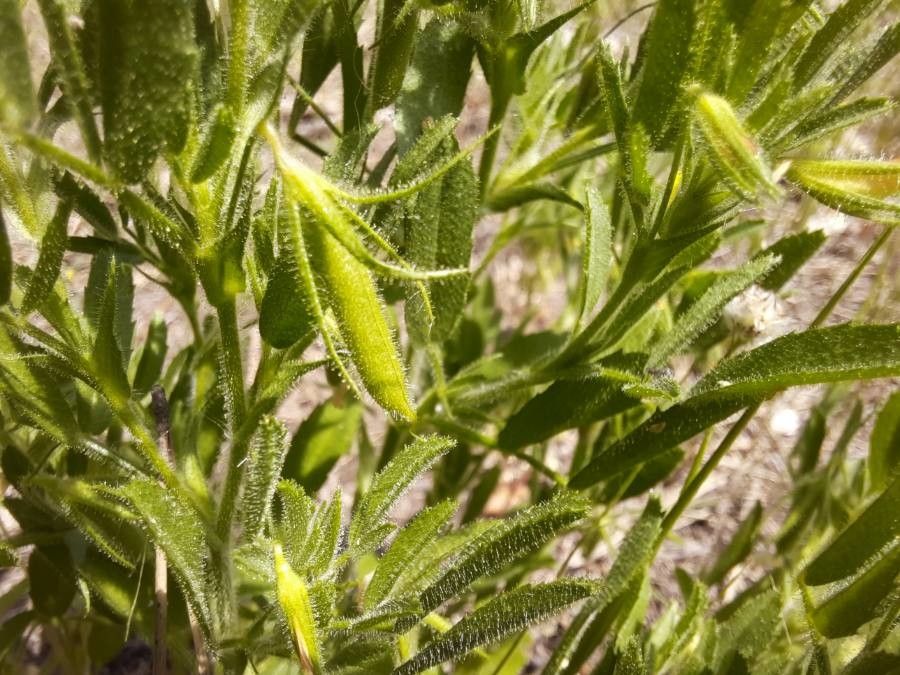
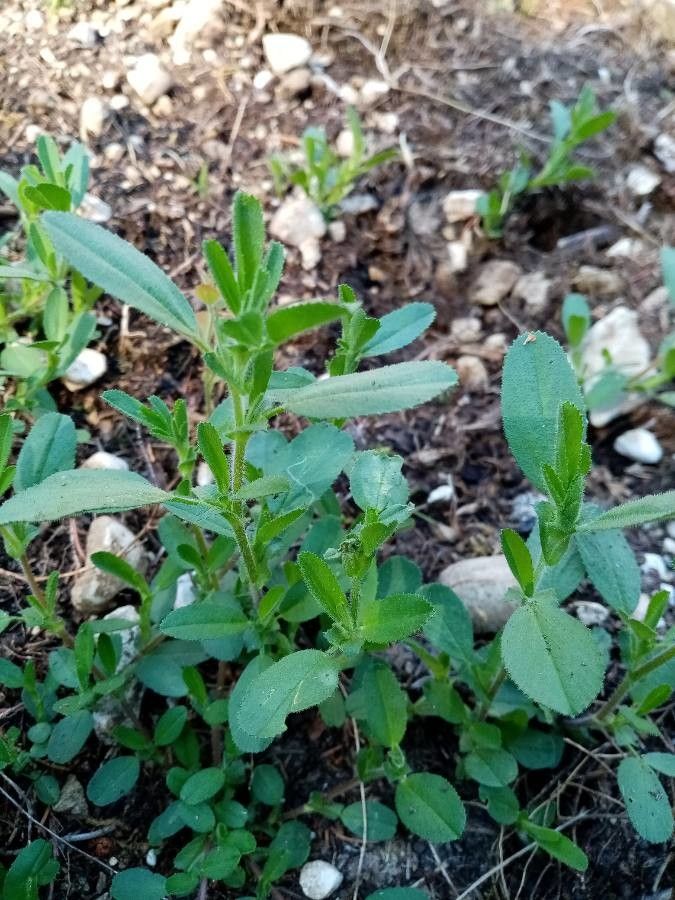
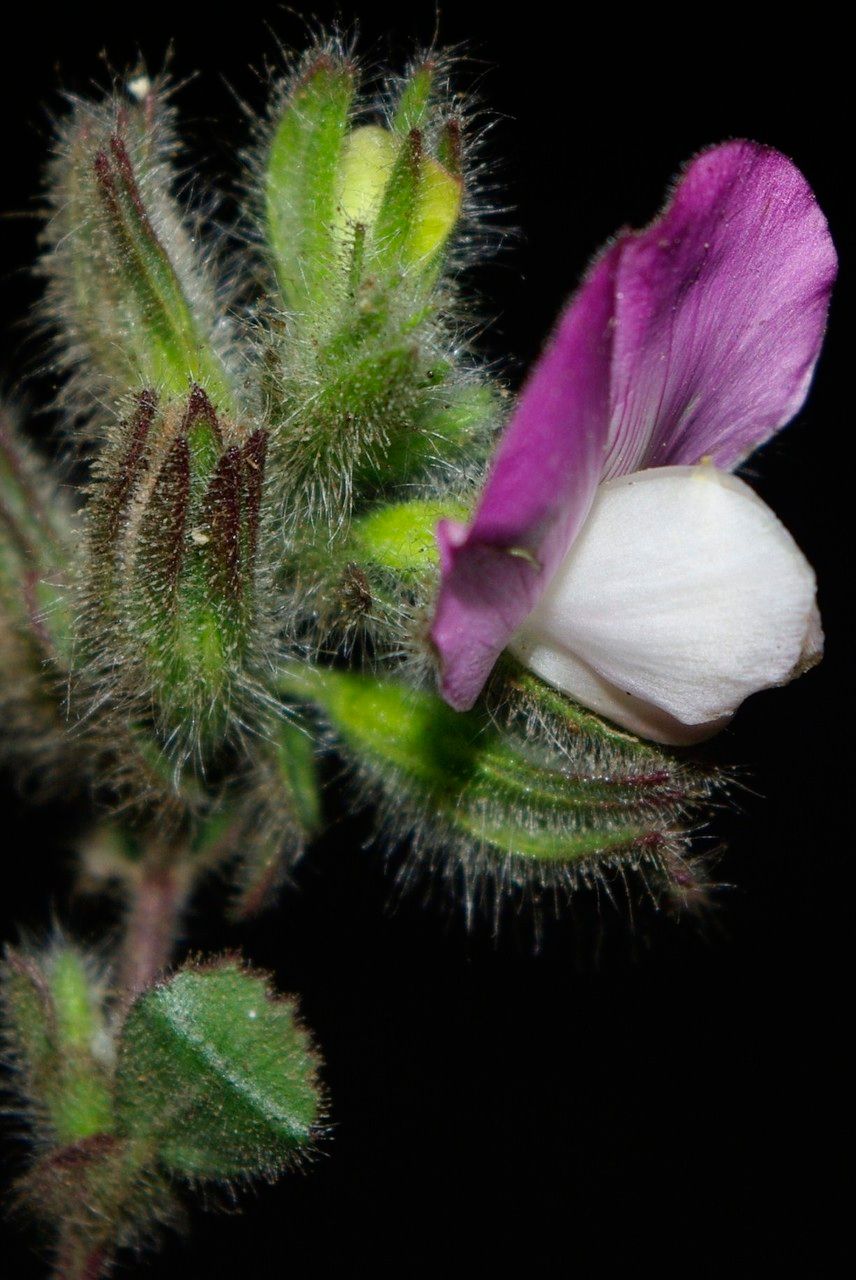
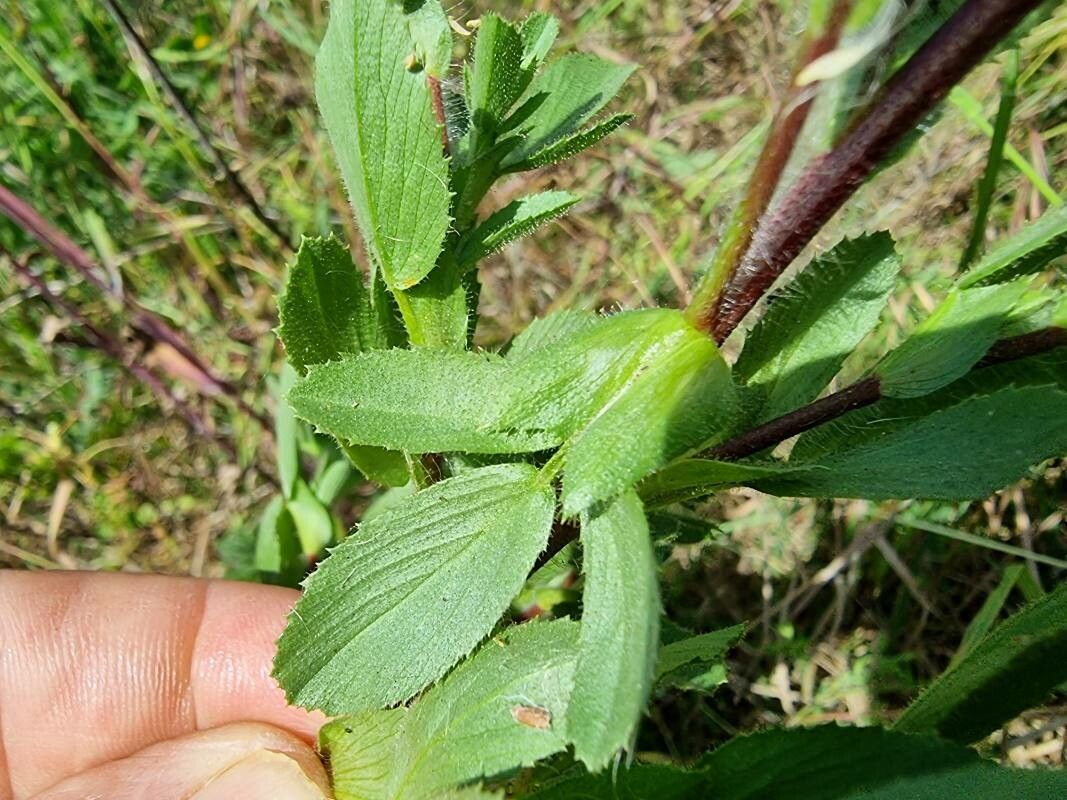
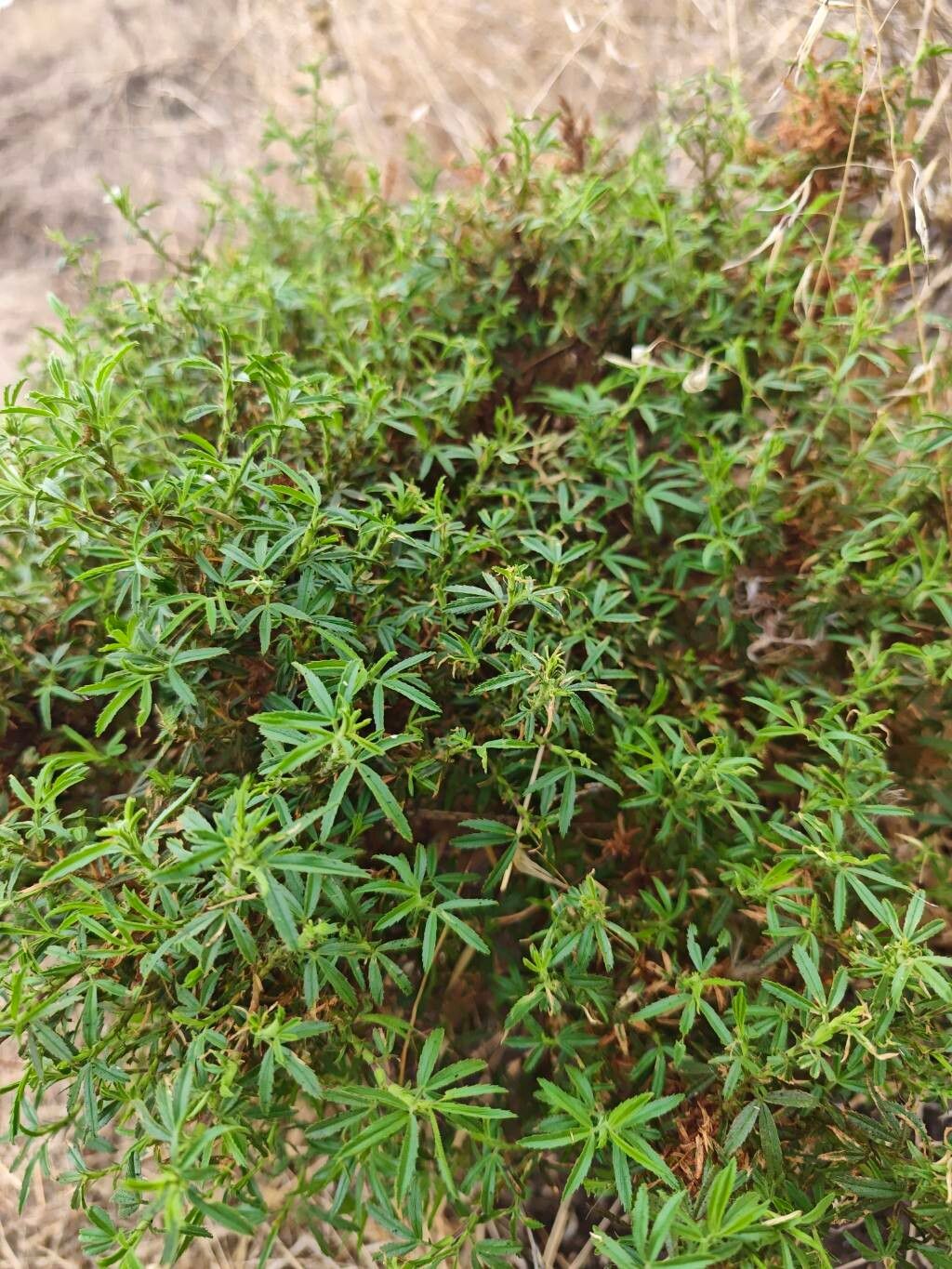
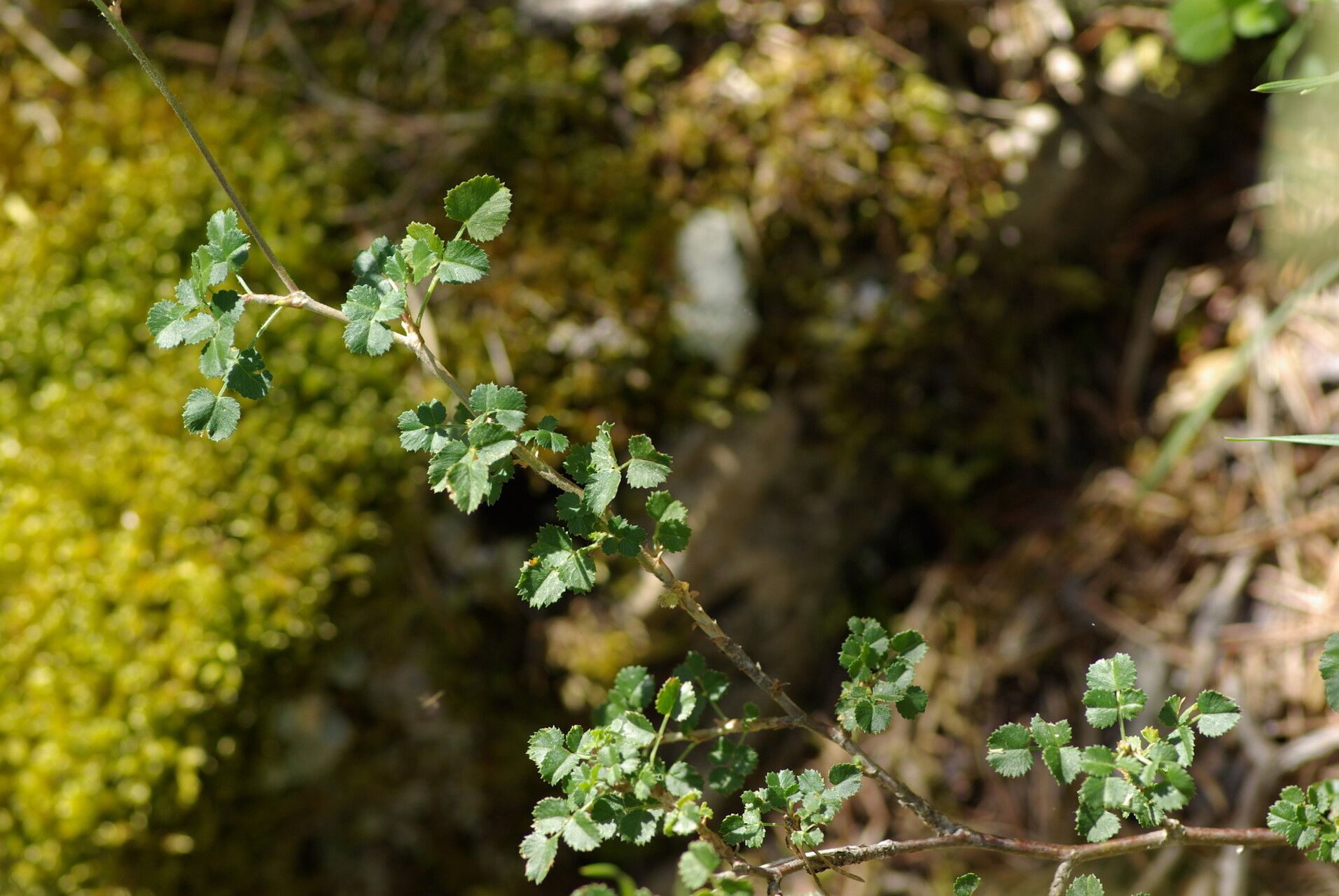
Ononis viscosa is a species of annual herb in the family Fabaceae. They have a self-supporting growth form and broad leaves. Individuals can grow to 0.18 m.
Sticky restharrow shows strong resistance to disease and typically does not suffer from many illnesses. Still, it can be affected by pests and diseases present in its environment. Such infections are generally mild. Regarding upkeep, this plant demands a moderate level of care. Regular pruning is necessary to preserve an attractive appearance and encourage healthy growth. Applying fertilizer can also assist in increasing bloom production. Sticky restharrow is a good choice for anyone with outdoor areas like a garden or a patio and does not need extensive gardening experience. If cultivated indoors, it may need more attentive care.
How to keep Ononis Viscosa.
Light
Sticky restharrow is a sun-loving perennial herbaceous plant native to open habitats and commonly found in meadows and grasslands. It prefers full sun but can also tolerate partial sun.
Water
Sticky restharrow, native to arid regions, is highly drought-tolerant and thrives when watered just once a week. It's important to avoid overwatering, as this can be harmful to the plant. Usually cultivated outdoors, sticky restharrow flourishes in well-draining soil, which closely resembles the dry conditions of its natural habitat.
Humidity
This plant prefers dry conditions, so don't mist it. However, watering it less often can also thrive in higher humidity.
Fertilizer
One fertilizer application in spring is typically enough for Sticky restharrow, but repeated feedings can boost growth. Feed it every one to one and a half months. Fertilizing improves the leaves' appearance and function, encouraging uniform color and a healthy texture. It also promotes root development and nutrient uptake for the plant's long-term health.
Pruning
Sticky restharrow is a robust, herbaceous plant known for its medicinal qualities. To maintain its health and encourage blooming, it should be pruned from early to late spring. During this time, remove any damaged stems and thin out the growth to improve air circulation. This practice enhances the plant's health, structure, and flowering potential. Always use clean, sharp tools to minimize the risk of infections, ensuring a vibrant and thriving plant.
Botanical profile.