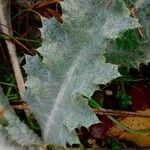
Onopordum acanthium
Cotton Thistle · Scotch thistle · Scottish thistle · Giant thistle · Heraldic thistle
Description
Source: leafsnapOnopordum acanthium, commonly known as Scotch thistle or cotton thistle, is a biennial plant belonging to the Asteraceae family. Native to Europe and Asia, it has also been introduced to other regions, including North America and Australia. The plant can reach up to 2 meters in height and is recognizable by its large, spiny leaves covered in white, woolly hairs. During its first year, Scotch thistle produces a rosette of leaves that lie close to the ground. In its second year, it develops tall stems adorned with purple flowers that bloom from June through August. These flowers are large and showy, surrounded by spiny bracts. Scotch thistle thrives in well-drained soils and full sun but can tolerate some shade. It is often found in disturbed areas such as roadsides and abandoned fields, as well as in natural habitats like grasslands and meadows. Historically, the plant has been used for its medicinal properties, particularly for its anti-inflammatory effects and its ability to stimulate digestion. However, in certain areas, it is considered an invasive species because it can outcompete native plants for resources. Overall, Onopordum acanthium is a plant with unique characteristics that can be both beneficial and problematic, depending on its location.
Care Guide
💧 Water Every 7 days
Scotch thistle flourishes in temperate regions and is drought-tolerant. However, for optimal health when cultivated, it benefits from weekly watering. Maintaining consistent soil moisture during its growing season promotes robust growth and a vibrant floral display, making it well-suited for outdoor environments.
How should I water my Scotch thistle plant?
When watering the Scotch thistle, it's best to use filtered water at room temperature. Tap water may contain harmful particles, so filtered water is recommended. The water should be room temperature or slightly warmer because the Scotch thistle is used to warm environments, and cold water can be shocking to its system. Avoid overhead watering to prevent foliage complications. Instead, water the soil until it is completely soaked with filtered room temperature water. This helps moisten the roots and allows them to continue spreading through the soil for nutrient collection.
What do I do if I give my Scotch thistle too much or too little water?
Overwatering and underwatering can harm your Scotch thistle. However, overwatering is more common and can cause wilting, yellowing, and diseases like root rot, mold, and mildew. Underwatering is less likely, but it can make the leaves brittle and brown. To care for your Scotch thistle, be vigilant for signs of overwatering, as some diseases may not be fixable if left too long. Reduce watering if you notice early signs of overwatering and check the soil drainage. Replace poorly draining soil with a loose, well-draining potting mix. If your Scotch thistle shows signs of underwatering, water more regularly until the signs improve.
How frequently should I give water to my Scotch thistle?
If your Scotch thistle is in a pot, the most precise way to determine if it needs water is by checking the soil with your finger. If you find that the top few inches of soil are dry, it's time to water it. For Scotch thistle grown outdoors in the ground, the same method can be used. When the top few inches of soil have dried out, it's time to water. During spring and early fall, watering once a week is often sufficient. In extremely hot weather, you may need to water twice a week or more. However, it's important to note that mature and well-established Scotch thistle has a remarkable ability to tolerate dry conditions.
How much water does my Scotch thistle require?
To properly water your Scotch thistle, don't skimp on the amount of water you give it. Wait until the top few inches of soil are dry, and then give it a good, deep watering. Make sure to water enough so that the soil becomes completely soaked. You'll know you've added enough water when you see excess water flowing out of the drainage holes at the bottom of the pot. If you don't see any excess water draining, it means you haven't watered enough. However, be careful not to let water accumulate in the soil, as this can harm the plant. On the other hand, if you notice water is not draining properly, it could indicate that the soil does not have good drainage. It's important to avoid this situation, as poorly draining soil can be harmful to the plant. If the plant is outdoors, receiving about 1 inch of rain per week should be enough to keep it sufficiently hydrated.
How do I water my Scotch thistle as it grows?
The water needs of the Scotch thistle can vary depending on its growth stages. Initially, during the first few years of its life or when it is newly transplanted, it requires more water. This is because the plant focuses its energy on developing new roots that will support future growth. These young roots need higher moisture levels to thrive. As the Scotch thistle matures over a few seasons, it will require less water. However, during the bloom period, when the plant is producing flowers, it will need additional water. This is because flower development consumes a significant amount of moisture.
☀️ Light Full sun
Scotch thistle does best with abundant sunlight, which supports healthy growth, though it can tolerate spots with reduced light. It naturally comes from sunlit environments. Excessive or insufficient sunlight can damage its health, altering leaf color and the frequency of flowering.
What are the sunlight requirements for Scotch thistle?
Scotch thistle requires full sun, meaning it should receive above 6 hours of sunlight daily for optimal growth. However, it can also grow in partial sun, with about 3-6 hours of sunlight. It's essential to observe the movement of sunlight through your garden carefully, choosing locations that offer a balance of light and shade to ensure the health and happiness of your plants. Scotch thistle originates from sun-drenched habitats, and while it thrives under ample solar exposure, it can also tolerate areas with less sunlight. Both overexposure and underexposure to sunlight can affect the plant's health, influencing its leaf color and bloom frequency.
Can artificial lighting be used for indoor Scotch thistle plants?
Yes, artificial lighting can be utilized for indoor Scotch thistle plants, especially when natural sunlight is insufficient, such as in winter or less sunny spaces. Artificial lights, like LED lights which can be customized to provide specific wavelengths, promote faster, healthier growth. For full sun plants, 30-50W/sq ft of artificial light is recommended; for partial sun plants, 20-30W/sq ft; and for full shade plants, 10-20W/sq ft. The light source should be placed 12-36 inches above the plant to mimic natural sunlight, and most plants require 8-12 hours of light per day to mimic the length of natural daylight hours effectively.
What are the common symptoms of inadequate light for indoor Scotch thistle?
Scotch thistle may show several symptoms when it doesn't receive enough light, including smaller new leaves, leggy or sparse growth, faster leaf drop, slower or no new growth, and leaves that appear lighter in color or show signs of chlorosis (yellowing). Additionally, excessive sunlight exposure can lead to sunscald, leaf curling, wilting, and leaf scorching. These symptoms indicate that the plant is struggling with its current light conditions, which can affect its overall health and vitality.
How can I ensure my Scotch thistle receives adequate sunlight?
To ensure your Scotch thistle receives adequate sunlight, gradually move the plant to a sunnier location each week, aiming for at least 6 hours of direct sunlight daily. For indoor plants, use a south-facing window and keep curtains open during the day for maximum exposure. If moving the plant isn't feasible or it's large, consider artificial light sources, keeping them on for at least 8 hours daily. For outdoor plants, avoid sudden changes in light intensity to prevent sunburn, and if trees block sunlight, prune them to improve exposure. For smaller plants, transplanting during the dormant period into areas with ample sunlight and good drainage can also be beneficial. It's important to remember that while some parts of the plant may not recover from insufficient sunlight, new growth post-adjustment will be healthy.
🌡️ Temperature 5–35°C
Scotch thistle is native to areas with moderate to high temperatures. It grows best between 68 and 95 °F (20 and 35 °C). Seasonal adjustments to replicate these conditions may be necessary for optimal growth.
What is the native environment of Scotch thistle?
Scotch thistle, known botanically as Onopordum acanthium, is native to environments that experience moderate to high temperature ranges. It thrives best in temperatures between 68 to 95 °F (20 to 35 °C). This plant has adapted well to these conditions, making it essential for those cultivating it to adjust seasonal conditions accordingly to mirror its natural habitat for optimal growth.
Does Scotch thistle need frost protection during winter?
Scotch thistle is noted for its strong cold resistance, meaning that special frost protection measures are usually unnecessary during winter. Nevertheless, should winter temperatures be expected to plummet below -25°C, it becomes important to take steps to protect the plant against the cold. This can typically be done by covering Scotch thistle with insulating materials such as soil or straw. Additionally, it is advisable to water the plant abundantly before the first freeze of autumn to ensure the soil is moist and freezes in that state, helping prevent the plant from experiencing drought and water scarcity during the colder months.
How should Scotch thistle be cared for in extremely low temperatures?
Although Scotch thistle can tolerate cold conditions well and prefers temperatures above 20°C, during winter, it's crucial to ensure the temperature does not fall below 0°C. If temperatures drop below -25°C, the plant might not show immediate damage but could experience a decrease in sprouting or fail to sprout at all come springtime. In such cases, it is recommended to remove any parts of the plant that have failed to sprout as part of its spring care routine.
What care does Scotch thistle require in high temperature conditions?
During the summer months, it's important to keep Scotch thistle's environment below 35°C to prevent heat stress. If temperatures rise above 38°C, the plant may show signs of distress, such as lighter leaf color, curled leaves, susceptibility to sunburn, and in severe cases, wilting and drying out completely. To mitigate this, one should trim away sunburned and dried-up parts of the plant, move it to a shaded location or use a shade cloth to protect it from the midday and afternoon sun. Watering the plant in the morning and evening will help keep the soil moist and reduce the risk of heat stress.
💨 Humidity
🪴 Soil 6-7
🌱 Fertilizer
Scotch thistle requires regular fertilization to encourage flowering but is sensitive to overfeeding. It needs small, frequent applications of fertilizer throughout its life cycle, especially during the peak active growth period and while it is flowering. You will feed your Scotch thistle until they stop blooming.
Why should I put fertilizer on my Scotch thistle?
Properly fertilizing flowering plants like Scotch thistle is important for their vigorous growth and beautiful blooms. These plants are known for blooming profusely, so they need a lot of fertilizer to replenish the nutrients required for their growth. Nitrogen plays a role in promoting early vegetative growth and keeping the foliage green through photosynthesis and chlorophyll production. Phosphorus is essential for enhancing flower formation and stem strength, as well as converting sunlight into energy and products that support growth. Potassium helps the movement of water, nutrients, and sugars within the plants, from the roots to the shoots. It also encourages root growth and improves the plants' ability to withstand drought during the summer.
When should I fertilize my Scotch thistle for the best results?
Scotch thistle needs frequent but light doses of fertilizer throughout its life cycle, especially during its peak growth and flowering period. It prefers to be consistently fed until it stops blooming. Container-grown plants require fertilizer more often than those in the ground due to their smaller root zone and limited access to nutrients.
When is it best to not fertilize my Scotch thistle?
Fertilizer can sometimes harm Scotch thistle instead of helping it, especially if the plant is already stressed for a different reason. If the Scotch thistle is dealing with diseases (like downy mildew, powdery mildew, gray mold, leaf spot) or insect problems (like aphids, spider mites, or whiteflies), it's best to avoid fertilizing. Adding fertilizer could weaken the plant's defenses, making it more susceptible to other pests or diseases. It's also important to avoid fertilizing when the soil surface becomes hardened or too dry, as this could lead to root damage. Instead, water the potting soil slightly before fertilizing. Additionally, during the hottest part of the summer when Scotch thistle may go dormant, it's best to refrain from fertilizing until growth resumes.
What kind of plant food does my Scotch thistle need?
Flowering bedding plants like Scotch thistle benefit the most from water-soluble or liquid fertilizers, particularly slow-release ones. It can be challenging to apply granular fertilizers to container-grown plants as they tend to quickly leach out of the container. For bedding plants, you have the option of choosing a balanced or all-purpose formula, or you can go for a bloom booster specifically designed for these plants. Bedding plants require more phosphorus during their blooming phase. Fertilizers that promote flowering usually contain lower amounts of nitrogen and higher amounts of phosphorus, which encourage bud development and blossoms rather than vegetative growth. Synthetic products with an N-P-K ratio of approximately 10-30-10 work well, and for organic fertilizers, a ratio of 2-8-4 is suitable.
How can I give my Scotch thistle plant the nutrients it needs to grow better?
If you are growing container plants, you may not need to fertilize the seeds when planting if your potting soil already has slow-release fertilizer. The initial fertilizer, along with the nutrients in the seed's endosperm, should be sufficient for the first couple of weeks. However, if your potting soil does not contain fertilizer, you should mix a small amount of slow-release starter fertilizer into the potting mix before filling the containers. Once your plants are six to eight weeks old and you notice flower buds developing, it is time to start fertilizing Scotch thistle. You should do this every two weeks, using one-third to one-half the recommended rate mentioned on the product label. Keep up with this fertilizing schedule until the Scotch thistle stops blooming for the season.
🪴 Pot & Repot
✂️ Pruning
🌿 Propagating
🐛 Diseases & pets
☠️ Toxicity
Seeds are toxic if broken or chewed, whole seeds pass through the gut harmlessly. Contains the toxin Ricin, and as little as 4-8 seeds are a lethal dose for a human.
Characteristics
- Plant Type
- Herb
- Life Cycle
- Biennial, Annual, Perennial
- Genus
- Onopordum
- Family
- Asteraceae
- Hardiness Zone
- 5-9
- Mature Height
- 0.61 m to 1.22 m
- Mature Spread
- 91 cm
- Leaf Color
- Silver, Gray
- Leaf Type
- Evergreen
- Flower Color
- Purple, Lavender
- Flower Size
- 2.54 cm to 7.62 cm
- Bloom Time
- Early summer, Mid summer
- Planting Time
- Spring, Autumn
- Harvest Time
- Mid summer
- Native Area
- India, Austria, Turkey, Sweden, Slovakia, Montenegro, Pakistan, Croatia, Slovenia, Yemen, Belarus, Uzbekistan, Russia, Iraq, Germany, Jordan, Romania, Belgium, Moldova, Portugal, Netherlands, Saudi Arabia, France, Tajikistan, Czech Republic, Bulgaria, Armenia, Poland, Greece, Ukraine, Serbia, China, Norway, Afghanistan, Kyrgyzstan, Kazakhstan, Italy, Spain, Switzerland, Denmark, Finland, Iran, Albania, Ireland, United Kingdom, Hungary, Algeria, Azerbaijan, Turkmenistan