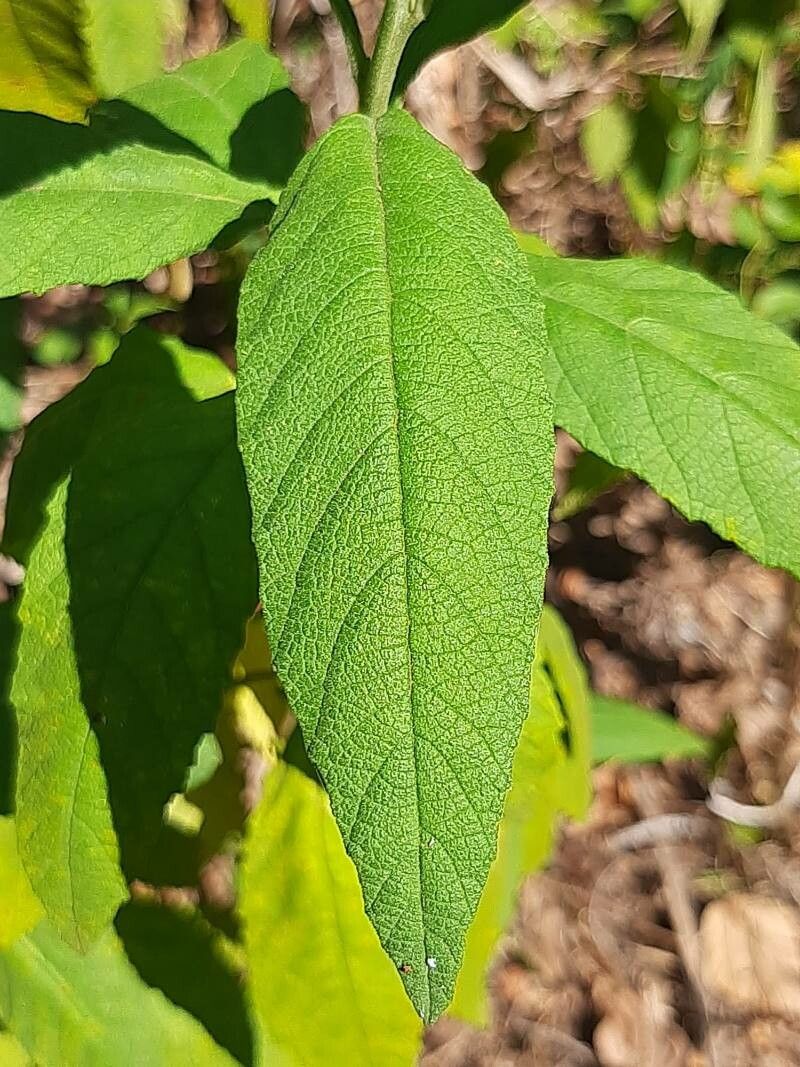
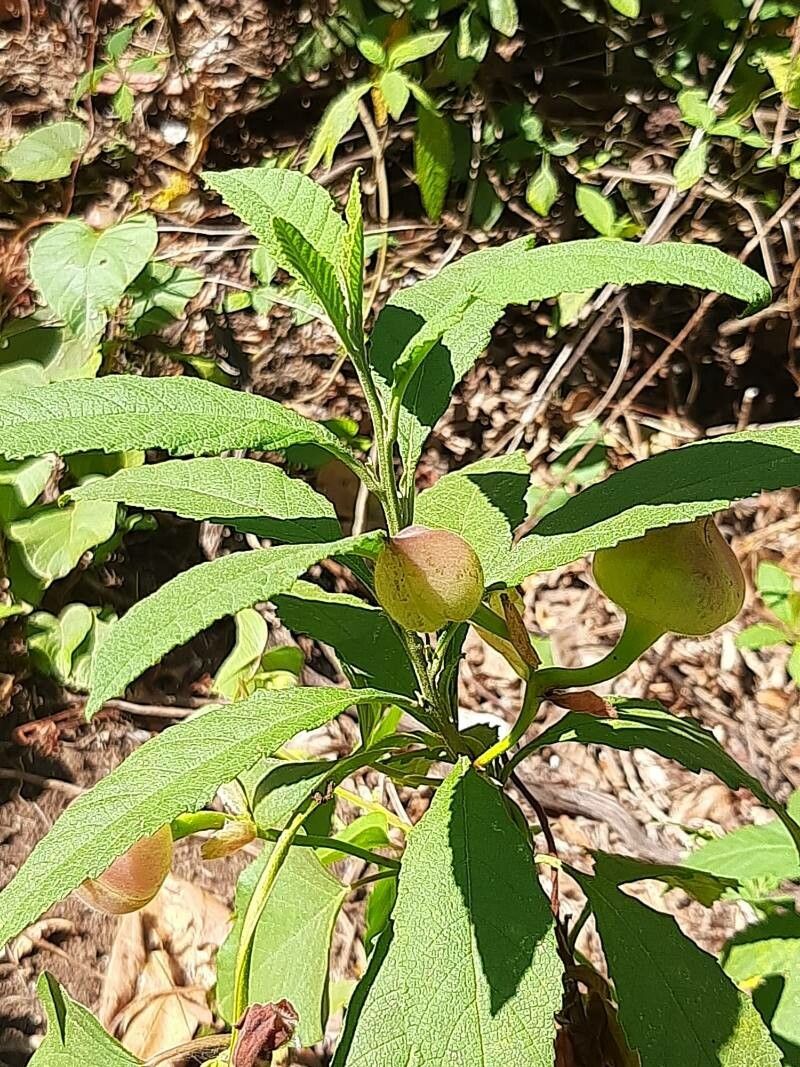
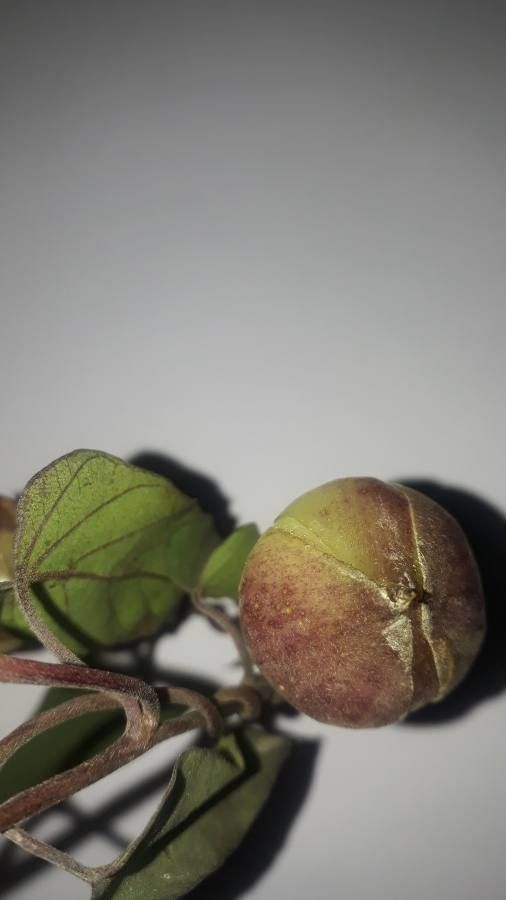
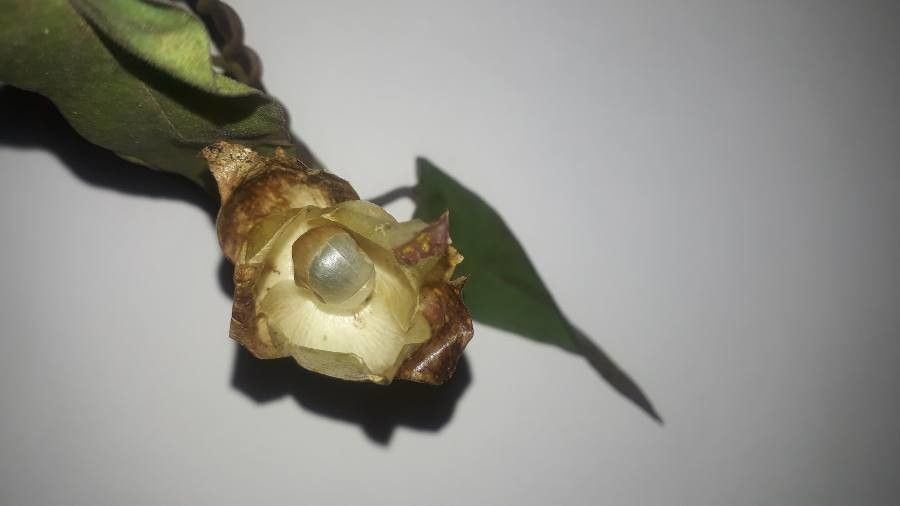
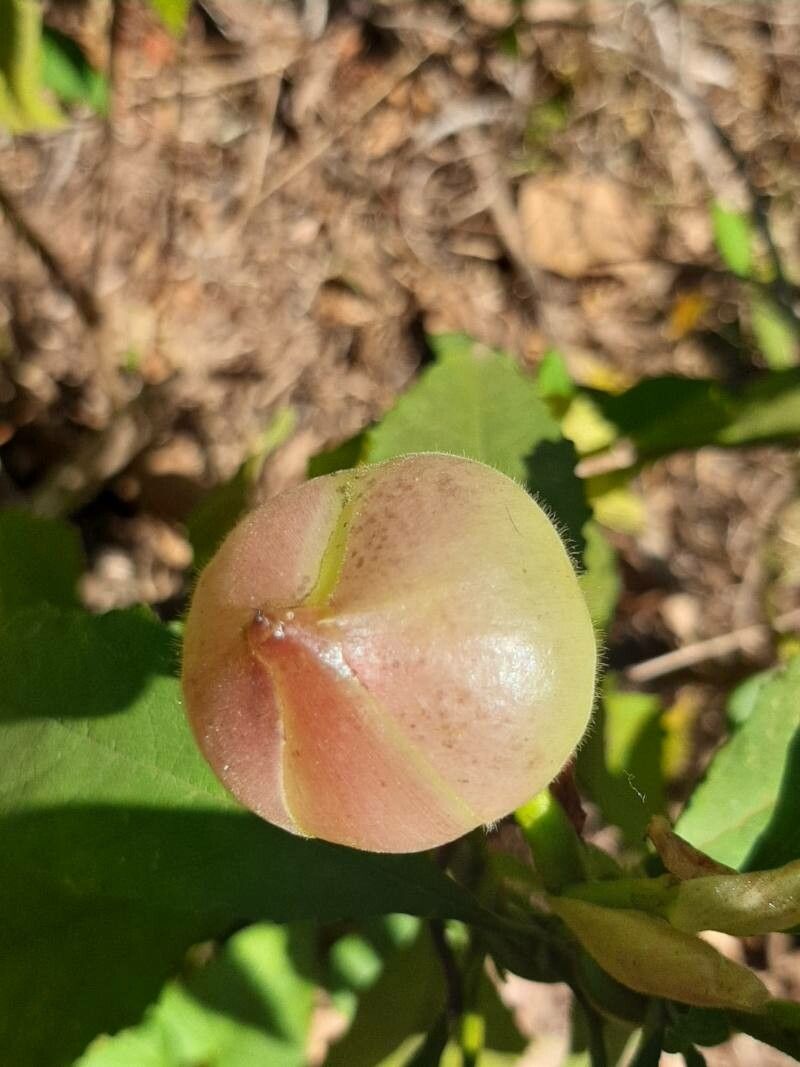
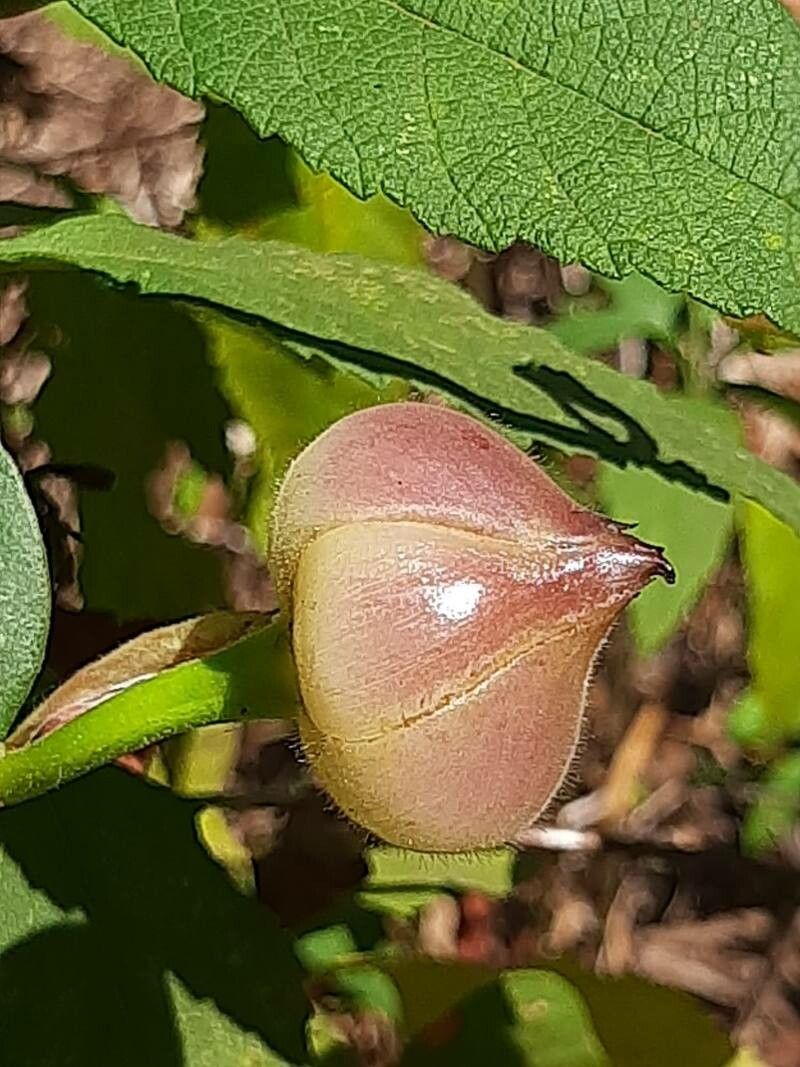
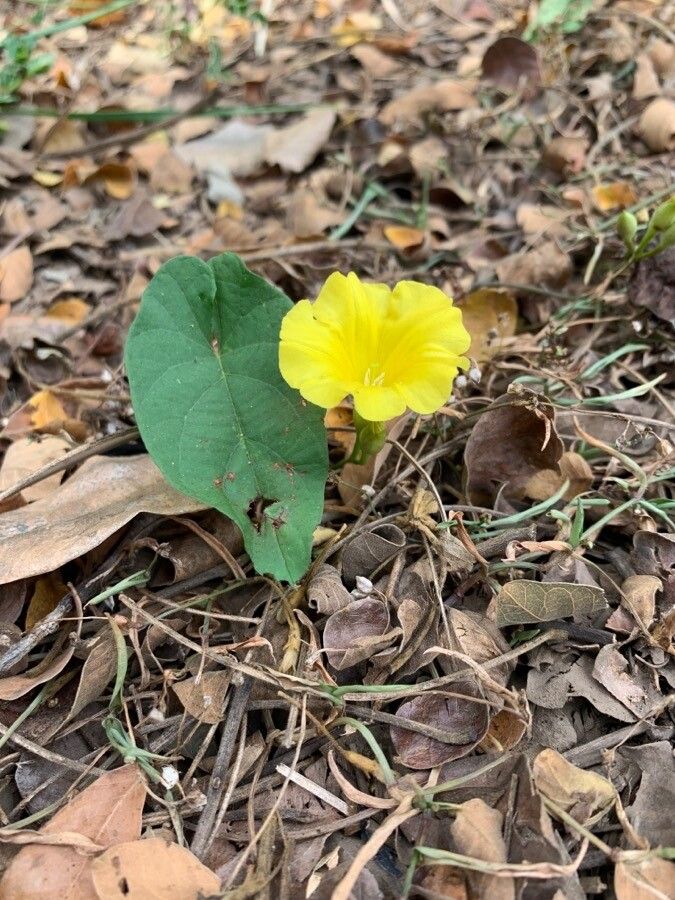
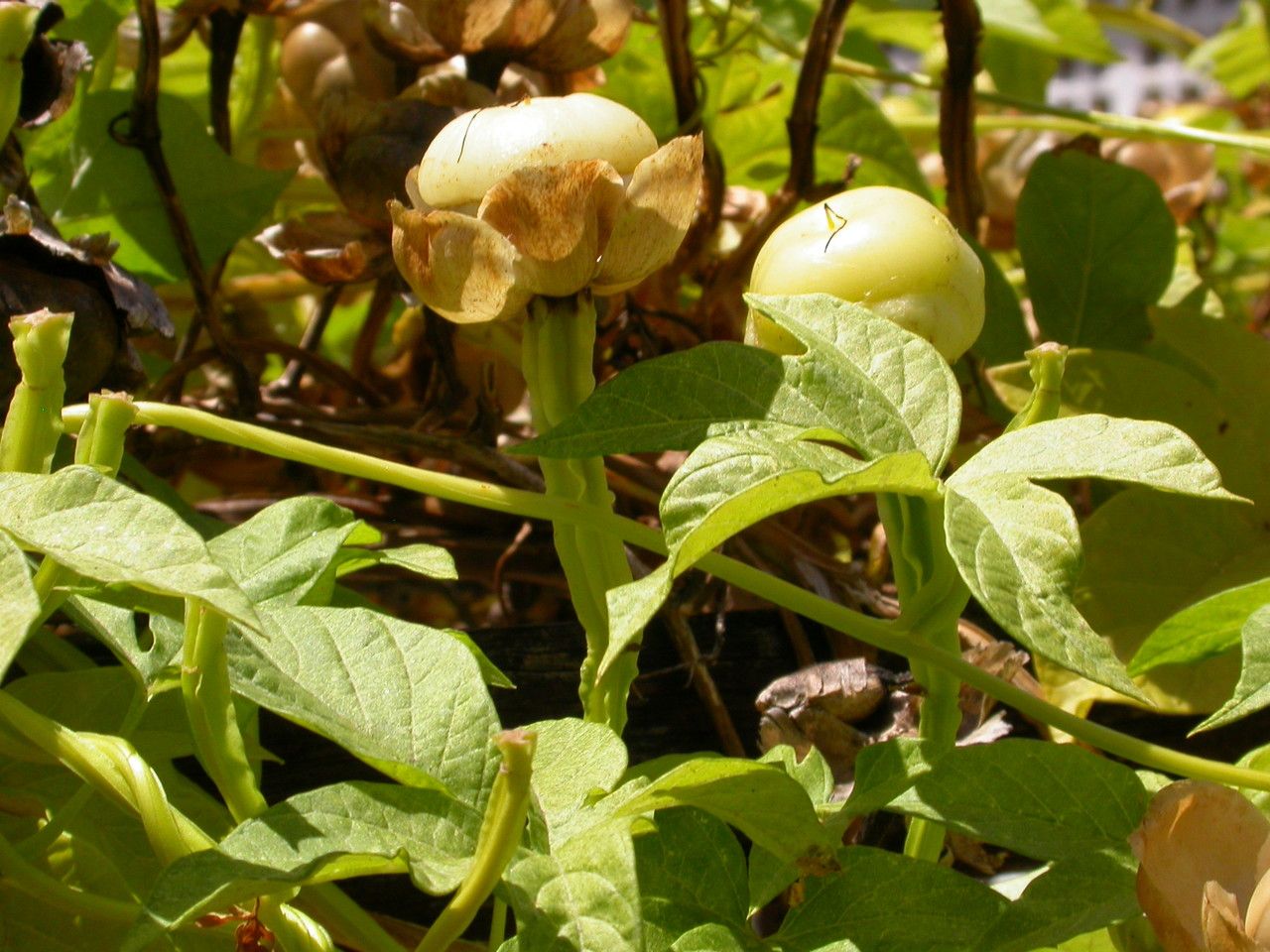
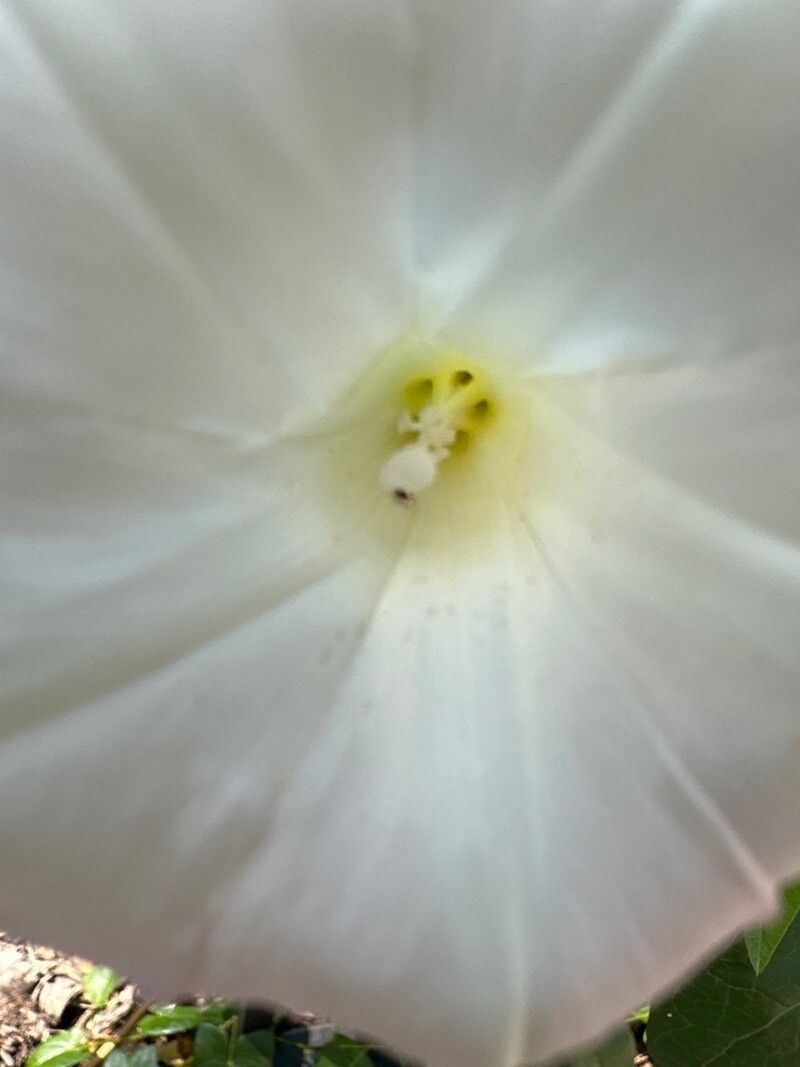
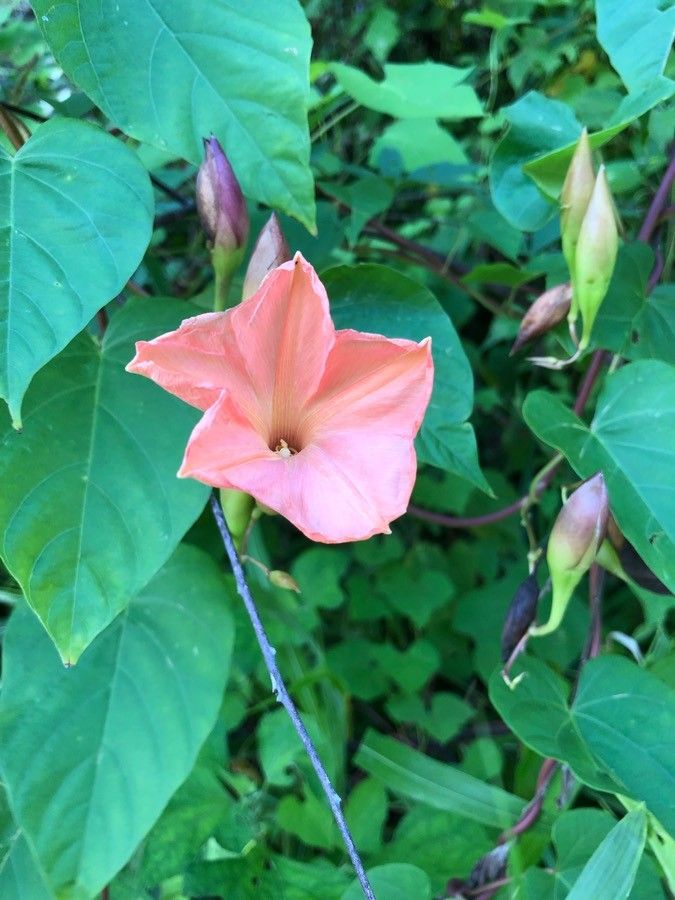
Operculina turpethum, commonly known as Indian jalap or turpeth root, is a perennial climbing plant in the Convolvulaceae family. Native to India, it can also be found in other parts of Asia. The plant features a woody stem and can grow up to 10 meters in length. The leaves of Operculina turpethum are heart-shaped with pointed tips, while its flowers are trumpet-shaped and come in white or pink hues, blooming during the summer months. The plant produces a capsule fruit that contains several seeds. For centuries, Operculina turpethum has been used in traditional medicine for its laxative properties. It contains active compounds such as resin glycosides, which stimulate bowel movements and help alleviate constipation. Besides its medicinal uses, Operculina turpethum holds cultural significance in India, where it is used as an offering to deities during religious ceremonies. In conclusion, Operculina turpethum is a valuable plant recognized for both its medicinal benefits and cultural importance.
Turpeth has good resistance to disease and is generally not prone to illnesses. In terms of care, the plant is fairly low-maintenance. When grown outdoors it needs minimal watering, and larger plants typically do not require pruning. Smaller plants, however, should be pruned after they have bloomed. Turpetht is suitable for anyone with an outdoor area, such as a garden or deck, and does not require much prior care experience.
How to keep Operculina Turpethum.
Light
Turpeth prefers settings where sunlight can thoroughly reach it, and it copes reasonably well in moderately lit areas. Bright, direct sun supports healthier growth, although too much can cause harm. On the other hand, inadequate sunlight can impede its development. Native to well-lit environments, turpeth usually needs abundant light during its various growth stages.
Water
Turpeth thrives in tropical environments with high humidity and consistent moisture. To keep the plant hydrated without overwatering, water it every three weeks. Often grown outdoors, turpeth flourishes in warm climates where the rainfall patterns align with its key developmental phases, ensuring optimal growth.
Temperature
Turpeth comes from tropical regions where the climate is generally warm and humid. Because of this, it is well suited to high temperatures and moisture. It is sensitive to abrupt temperature shifts and favors a steady thermal environment, so avoiding indoor temperature swings is important. It typically cannot tolerate cold and needs higher temperatures to grow. If the surrounding temperature falls too low, the plant may stop growing or even die.
Fertilizer
Fertilizing is essential for Turpeth care. Regular feedings during the active growing season maintain the energy needed for its showy foliage and support overall development. Failing to fertilize can lead to unhealthy leaves, reduced ornamental value, and stunted or weak growth that is more susceptible to breaking.
Pruning
Turpeth is a plant known for its vigorous growth and medicinal properties. To keep it healthy, effective pruning is essential. This involves removing weak stems to improve air circulation and overall plant health. The best time for pruning is early spring. Regular pruning not only enhances flowering and increases disease resistance, but also supports strong, robust growth.
Botanical profile.
- Plant Type
- Vine
- Life Cycle
- Perennial
- Genus
- Operculina
- Family
- Convolvulaceae
- Hardiness Zone
- 10-12
- Mature Height
- 3.96 m to 4.88 m
- Mature Spread
- 2.13 m to 3.96 m
- Leaf Color
- Green, Dark Green
- Leaf Type
- Evergreen
- Flower Color
- White
- Flower Size
- 2.54 cm to 10.16 cm
- Bloom Time
- Summer, Early fall, Mid fall
- Planting Time
- Spring, Summer, Autumn, Winter
- Harvest Time
- Late summer, Fall, Early winter
- Native Area
- Nepal, Sri Lanka, India, Malaysia, Philippines, Bangladesh, Laos, Kenya, Tanzania, China, Indonesia, Cambodia, Vietnam, Mozambique, Myanmar, Japan, Bhutan, Thailand
Other names.
Reader questions.
What are the sunlight requirements for Turpeth (Operculina turpethum)?
Turpeth (Operculina turpethum) thrives in conditions where it can receive the full intensity of the sun's rays, which is crucial for its healthy growth. It generally requires well-lit settings and benefits from being in full sun, which means it should receive above 6 hours of sunlight daily. However, partial sun, amounting to about 3-6 hours of sunlight, is also tolerated relatively well. It's important to ensure that the plant gets an adequate amount of sunlight at different growth stages to avoid issues such as stunted development or damage from overexposure.
How can artificial lighting benefit Turpeth indoors, and what are the best practices?
Indoor Turpeth plants require adequate lighting for optimal growth, especially when natural sunlight is insufficient. This scenario is common in winter or less sunny spaces. Artificial lights, particularly LED lights tailored to provide specific wavelengths needed by plants, serve as a vital solution. For plants that prefer full sun, 30-50W/sq ft of artificial light is recommended, 20-30W/sq ft for partial sun plants, and 10-20W/sq ft for full shade plants. The light source should be positioned 12-36 inches above the plant, mimicking natural sunlight's distance, and provided for 8-12 hours per day to emulate the natural length of daylight hours.
What are the common symptoms of light deficiency in Turpeth?
When Turpeth does not receive sufficient sunlight, it may exhibit symptoms of light deficiency such as smaller new leaves compared to older ones, leggy or sparse growth, and faster leaf drop. This can result in the plant looking weak, with longer spaces between leaves or stems, and may lead to a delay or halt in growth. Insufficient sunlight can also cause leaves to appear pale or develop irregular color patterns, indicating a lack of chlorophyll and essential nutrients.
What are the signs of too much sunlight exposure for Turpeth?
Turpeth plants exposed to excessive sunlight may show signs of sunscald, characterized by pale, bleached, or necrotic areas on plant tissue. Other symptoms include chlorosis, where leaves lose their green color and turn yellow, leaf curling as a defense mechanism to minimize water loss, wilting due to increased water loss through transpiration, and leaf scorching, which appears as brown, dry, and crispy edges on leaves. These symptoms suggest that the plant's photosynthetic capacity and overall health may be compromised due to overexposure to sunlight.
How can you manage light exposure for Turpeth to ensure healthy growth?
To manage light exposure for healthy Turpeth growth, gradually acclimate plants to sunnier locations by shifting them weekly until they receive at least 6 hours of direct sunlight daily. For indoor plants, utilize south-facing windows for maximum sunlight or employ artificial lighting such as desk lamps or professional grow lights for at least 8 hours a day if moving the plant isn't feasible. For outdoor plants, avoid sudden changes in light intensity to prevent sunburn. In cases where sunlight is blocked by obstructions like trees, consider pruning to allow more light through or transplant smaller plants to sunnier locations during their dormant period to ensure they get ample sunlight and good drainage.