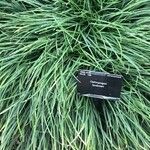
Ophiopogon bodinieri
Care Guide
💧 Water
Lilyturf flourishes in moist, shaded environments. It prefers soil that remains consistently moist, although it can tolerate moderate drought once it is established. For optimal growth, weekly watering is essential. As an ornamental ground cover, lilyturf benefits from mulching. Mulching helps retain soil moisture and mimics the natural leaf litter habitat it is accustomed to.
☀️ Light Partial sun
The lilyturf does best in spots that receive plenty of sun while still getting some shade during the day. Having originated in places with dappled light, it can also tolerate lower-light conditions. However, too much or too little light may hinder its healthy growth.
What are the sunlight requirements for Lilyturf?
Lilyturf requires varying degrees of sunlight depending on the specific conditions. It thrives best in partial sun, needing about 3-6 hours of sunlight daily. However, it can also survive in full shade, which is defined as less than 3 hours of direct sunlight. It's crucial to observe how sunlight moves through your garden to choose the optimal spots for your plants, taking into account both light and shade to ensure their wellbeing.
How does artificial lighting affect indoor Lilyturf plants?
Indoor Lilyturf plants benefit significantly from artificial lighting, especially when natural sunlight is insufficient, such as during winter or in spaces with limited sunlight. Adequate lighting is essential for optimal growth, and artificial lights serve as an excellent substitute. LED lights are preferred for their ability to provide specific wavelengths needed by the plants. For full sun plants, 30-50W per square foot is suggested, partial sun plants require 20-30W per square foot, and full shade plants need 10-20W per square foot. The light source should be placed 12-36 inches above the plant to simulate natural sunlight conditions, and it's recommended that plants receive 8-12 hours of light daily.
What are the symptoms of inadequate lighting for indoor Lilyturf?
When Lilyturf is grown indoors under insufficient lighting, it may exhibit several symptoms indicating light deficiency. These include smaller new leaves compared to older ones, leggy or sparse growth, faster leaf drop, slower or no new growth, and paler new leaves. In cases of excessive sunlight, symptoms might include chlorosis, where leaves lose their green color; sunscald, resulting in damage to leaves or stems; leaf curling as a defense mechanism; wilting due to loss of turgor pressure; and leaf scorching, characterized by brown, dry edges on leaves.
How can I address lighting problems for my Lilyturf?
Addressing lighting issues for Lilyturf involves both prevention and correction methods. Indoors, gradually acclimate plants to increasing levels of sunlight (3-6 hours daily) or utilize artificial lighting, such as desk or ceiling lamps for 8+ hours a day or professional plant grow lights. Outdoors, slowly move plants to better-lit areas to avoid sunburn. For plants in the ground, work on reducing obstructions like overhanging branches and, if necessary, consider transplanting smaller plants to sunnier locations during their dormant period. It's important to note that while damaged parts may not recover, new growth should reflect improved light conditions.
🌡️ Temperature 15–37.8°C
Lilyturf originates from regions where temperatures are usually between 59 and 100.4°F (15 and 38°C). It prefers a warm environment. In colder months, it is advisable to keep lilyturf warm to mimic its native temperature conditions.
What is the native climate for lilyturf?
Lilyturf is native to climates where temperatures typically range from 59 to 100.4°F (15 to 38°C), thriving in warm environments. To ensure the plant's health, it is essential to replicate these temperature conditions, especially during colder months. Lilyturf does have some cold tolerance, typically not requiring additional measures if the temperature stays above -5°C. However, should temperatures drop below -5°C, temporary cold protection measures like wrapping the plant in plastic film, fabric, or similar materials are recommended, and these should be removed once temperatures rise.
How does lilyturf react to low temperatures?
Lilyturf possesses moderate tolerance to low temperatures and performs best when conditions are above 15°C. During the winter months, keeping the temperature above -5°C is advisable. If the temperature falls below -10°C, lilyturf's leaves may droop and, in severe cases, wilt and eventually fall off. Recovery in mild cases is possible. To mitigate damage from frost, it is recommended to trim off the frost-damaged parts and, before facing low temperatures again, wrap the plant with non-woven fabric or cloth and construct a wind barrier for added protection.
How does lilyturf respond to high temperatures?
In the summer, it is crucial to keep lilyturf's temperature below 38°C. Should the temperature exceed 43°C, the plant may exhibit signs of stress such as lighter leaf color, dry and withered leaf tips, curled leaves, and increased susceptibility to sunburn. Damage mitigation includes trimming away sunburned and dried-up parts of the plant, relocating it to a shaded location especially during midday and afternoon, or employing a shade cloth. Additionally, maintaining soil moisture through watering in the morning and evening can help the plant cope with high temperatures.
What are the botanical details of lilyturf?
Lilyturf's botanical name is Ophiopogon bodinieri. It is a plant that thrives in specific temperature conditions, requiring careful management to ensure its health and longevity, especially in environments that deviate from its native climate.
💨 Humidity
🪴 Soil 6-7
🌱 Fertilizer
The best time to fertilize Lilyturf is in early spring, as it comes out of dormancy and begins active growth. Fertilizing supplies essential nutrients needed for healthy growth. Although Lilyturf has relatively low fertilizer requirements, feeding it once a year can improve its survival and encourage better, longer-lasting flowers.
🪴 Pot & Repot
✂️ Pruning
Lilyturf is a low-maintenance evergreen perennial with grass-like leaves and small, spiky flowers. To promote healthier growth and improve air circulation, prune it in early spring or late winter to remove any dead foliage. This will also help reduce the risk of disease.
🌿 Propagating
🐛 Diseases & pets
☠️ Toxicity
Characteristics
- Plant Type
- Herb
- Life Cycle
- Perennial
- Genus
- Ophiopogon
- Family
- Asparagaceae
- Hardiness Zone
- 8-11
- Mature Height
- 20 cm
- Mature Spread
- 61 cm
- Leaf Color
- Dark Green
- Leaf Type
- Evergreen
- Flower Color
- White, Purple
- Flower Size
- 1.02 cm to 6.35 cm
- Bloom Time
- Early summer, Mid summer
- Planting Time
- Spring
- Harvest Time
- Late summer, Early fall, Mid fall
- Native Area
- China