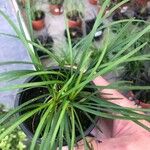
Ophiopogon japonicus
Mondo-grass · Dwarf lilyturf · Snake's-beard · Ophiopogon · Lily turf grass
Description
Source: leafsnapOphiopogon japonicus, commonly known as mondo grass or dwarf lilyturf, is a perennial evergreen plant belonging to the Asparagaceae family. Native to East Asia, it naturally grows in China, Japan, and Korea. This plant features a clumping growth habit and typically reaches a height of 6-8 inches, with narrow, dark green leaves. In the summer, mondo grass produces small white or pale purple flowers on short stalks. These blossoms are followed by small black berries containing seeds for propagation. Due to its dense growth habit and shade tolerance, mondo grass is often used as ground cover. It can also serve as an edging plant or be planted in masses to create an attractive border. Mondo grass prefers well-drained soil with moderate moisture, though it can tolerate drought conditions once established. While it grows best in partial shade, it can also thrive in full sun if provided with adequate moisture. Overall, Ophiopogon japonicus is an attractive, low-maintenance perennial that adds texture and interest to any garden. It offers excellent ground cover options for shaded areas of the landscape.
💡 Legend has it that the dwarf lilyturf was once a fairy living in the sky. She was deeply moved by the suffering of people afflicted with fevers and resolved to help them. Using her magical powers, she imbued the plants she nurtured with the ability to heal diseases. Over time, these plants became known as the dwarf lilyturf.
🌳 Dwarf lilyturf is commonly planted in clusters in gardens, where its greenery fills the spaces between more eye-catching plants. It is valued for the lush, dense clumps it forms in shady areas and is frequently used in rock gardens, borders, as ground cover, or in flower beds. Dwarf lilyturf is an excellent filler for bulb plantings and provides a striking contrast to plants with lighter-colored foliage or flowers, helping them stand out.
🎭 Being fearless, and expecting nothing in return.
Care Guide
💧 Water Every 7 days
Dwarf lilyturf thrives in humid environments and needs consistent moisture because it is sensitive to drought. To maintain its lush appearance, it is essential to water it weekly. Although it is primarily an outdoor plant, it grows best when conditions resemble natural rainfall, which encourages vigorous growth during the growing season.
How should I water my Dwarf lilyturf plant?
To properly water the Dwarf lilyturf, it is important to use filtered water at room temperature. Tap water may have harmful particles, so filtered water is safer for the plant. The recommended temperature of the water is room temperature or slightly warmer because the plant is accustomed to a warm environment, and cold water can be a shock. Avoid spraying water directly onto the foliage to prevent any complications. Instead, thoroughly water the soil with filtered, room-temperature water until it is completely soaked. This helps moisten the roots and allows them to continue spreading through the soil, collecting the necessary nutrients for the plant's health.
What do I do if I give too much or too little water to my Dwarf lilyturf?
Proper watering is essential for the health of your Dwarf lilyturf. While both overwatering and underwatering can be harmful, overwatering is more commonly seen. Overwatering can cause wilting, yellowing leaves, and may lead to root rot, mold, and mildew. On the other hand, underwatering is less likely, as Dwarf lilyturf is drought-tolerant. However, if underwatering does occur, the leaves may become brittle and brown. Early detection of overwatering is crucial, as some diseases may become irreversible if not addressed promptly. Reduce watering if you notice signs of overwatering and consider using well-draining soil. If your plant is not receiving enough water, simply water it more regularly until the signs improve.
How frequently should I water my Dwarf lilyturf?
If your Dwarf lilyturf is in a pot, you can check if it needs water by sticking your finger into the soil. If the top two to three inches of soil are dry, it's time to water it. For Dwarf lilyturf planted outdoors, you can use the same method. If the first few inches of soil have dried out, it's time to water. Typically, you'll need to water this plant about once a week in spring and early fall. During extremely hot weather, you may need to water it twice or more per week. However, mature and well-established Dwarf lilyturf can handle drought well.
How much water does my Dwarf lilyturf require?
To water your Dwarf lilyturf effectively, don't be afraid to give it a generous amount of water. Make sure the first two to three inches of soil are dry before watering, and then give it a good, deep watering. You want the water to fully saturate the soil, so add enough water that it starts to drain out of the pot's drainage holes. If you don't see any excess water draining, it means you haven't watered enough. However, be careful not to let water accumulate inside the soil, as this can harm the plant. If water doesn't drain well from the pot, it could be a sign of poorly draining soil, which is bad for the plant's health. If the plant is outdoors, about 1 inch of rain per week should be adequate.
How should I water my Dwarf lilyturf as it grows?
The water requirements of the Dwarf lilyturf can vary depending on its growth stages. When the plant is in its early years or has been recently transplanted, it will need more water than usual. During these stages, the plant dedicates a lot of energy to developing new roots which support future growth. These roots require additional moisture to thrive. As the plant matures over a few seasons, it will require less water. Another growth stage that requires increased watering is during the bloom period. Flower development consumes a significant amount of moisture, so it is important to provide extra water during this time.
☀️ Light Partial sun
Mondo grass does best in spots with moderate sunlight, though it can tolerate both high and low light conditions. Too much sun can burn the leaves, while too little may cause slower growth. In its native environment it commonly grows beneath a leafy canopy, so it isn’t dependent on constant sunlight.
What are the sunlight requirements for Dwarf Lilyturf?
Dwarf Lilyturf requires about 3-6 hours of sunlight daily for optimal growth, which is considered partial sun. However, it can also thrive in full sun or full shade conditions, meaning it can handle more than 6 hours of sunlight. It's essential to watch how sunlight moves through your garden to place Dwarf Lilyturf in spots that offer a balance of light and shade, ensuring the plant remains healthy and vibrant.
Can Dwarf Lilyturf adapt to different sun exposures?
Yes, Dwarf Lilyturf is quite adaptable and can thrive in areas with moderate sun exposure, even though it can withstand both intense and minimal sunlight. Excessive sunlight may cause leaf scorch, while insufficient sunlight could lead to slow growth. In its native habitat, Dwarf Lilyturf often grows under a leafy canopy, indicating it does not require constant direct sunlight to prosper.
How should I provide artificial lighting for Dwarf Lilyturf?
Indoor Dwarf Lilyturf plants require adequate lighting for optimal growth, especially when natural sunlight is insufficient. Artificial lights are critical in such situations, promoting faster and healthier growth. To ensure your Dwarf Lilyturf receives the right amount of light, use LED lights and provide 10-50W/sq ft of artificial light based on the plant's light requirements (full shade to full sun). Position the light source 12-36 inches above the plant and mimic natural daylight hours by keeping the lights on for 8-12 hours per day.
What are signs of improper lighting for Dwarf Lilyturf?
Dwarf Lilyturf may exhibit several symptoms if it experiences insufficient light, including small or lighter-colored new leaves, leggy or sparse growth, faster leaf drop, slower or no new growth, and chlorosis. Excessive sunlight can lead to symptoms such as sunscald, leaf curling, wilting, and leaf scorching. These signs indicate the plant's need for lighting adjustments to maintain its health and appearance.
How can I adjust Dwarf Lilyturf's lighting conditions?
To optimize Dwarf Lilyturf's growth, gradually increase its sunlight exposure to achieve 3-6 hours of direct sunlight daily. For plants that can't be easily moved or are too large, consider using artificial light sources like desk or ceiling lamps for at least 8 hours daily or invest in professional plant grow lights. Outdoors, move your plants to progressively sunnier spots each week to avoid sunburn. Indoors, enhance light exposure through artificial lighting or by minimizing obstructions to sunlight. Affected parts of the plant may not recover, but new growth will be healthy with improved light conditions.
🌡️ Temperature 15–37.8°C
Mondo grass originates from East Asia and thrives in temperate conditions. The plant prefers temperatures from 59 to 100 ℉ (15 to 38 ℃). In cooler months the temperature should be kept above 50 ℉ (10 ℃), while in summer the plant ought to be placed in a shaded area to avoid overheating.
What is the native region and preferred temperature for Dwarf lilyturf?
Dwarf lilyturf, known botanically as Ophiopogon japonicus, is native to East Asia and thrives under temperate conditions. This plant prefers a temperature range from 59 to 100°F (15 to 38°C). During the cooler months, it's essential to keep the temperature above 50°F (10°C) to maintain its health. In contrast, during the warmer summer months, Dwarf lilyturf requires a shaded area to avoid overheating. Its strong cold resistance usually negates the need for special frost protection measures in winter. However, if temperatures are expected to drop below -15°C, measures such as covering the plant with soil or straw are advisable. Watering the plant abundantly before the first freeze in autumn is also recommended, ensuring the soil remains moist and enters a frozen state. This preparation helps the plant avoid drought and water scarcity during the winter and early spring seasons.
How does Dwarf lilyturf react to low temperatures?
Dwarf lilyturf exhibits strong cold tolerance, with optimal growth observed when temperatures are maintained above 15°C. However, during winter, it is crucial to keep the plant above -10°C to ensure its health. Exposure to temperatures falling below -15°C might not show immediate changes during the winter, but such conditions can lead to a decreased rate of sprouting or even a complete lack of sprouting in the spring. If this occurs, the solution involves removing any parts of the plant that have failed to sprout in the spring, allowing for healthier growth and recovery.
What should be done if Dwarf lilyturf experiences high temperatures?
During the summer months, it's essential for the health of Dwarf lilyturf to be kept in conditions where the temperature doesn't exceed 38°C. Exposure to temperatures above 43°C can result in the leaves of the Dwarf lilyturf becoming lighter in color, curling, and becoming susceptible to sunburn. In severe cases, the plant may completely wilt and dry out. To address this issue, any sunburned or dried-up parts of the plant should be trimmed away. Moving the plant to a shaded location, particularly away from the midday and afternoon sun, or using a shade cloth, can provide the necessary protection. Additionally, watering the plant in the morning and evening to maintain soil moisture can help mitigate heat stress.
💨 Humidity
🪴 Soil 6-7
🌱 Fertilizer
Typically, a single fertilizer application in spring is enough for Mondo grass, though multiple feedings can optimize growth. Apply fertilizer every month to every month and a half. Fertilization improves the leaves’ appearance and function, helping maintain even color and a healthy texture. It also promotes root development and nutrient uptake for sustained plant health.
Why is it important to add fertilizer to my Dwarf lilyturf?
The main structure of the Dwarf lilyturf is made up of its leaves. Fertilization is a highly effective way to ensure that the leaves not only look great but also fulfill their purpose. By fertilizing properly, you can help the Dwarf lilyturf maintain consistent leaf color and a healthy texture. Additionally, fertilization works below the soil's surface to promote the growth of new roots and maintain existing roots. This means that fertilization not only keeps the plant healthy in the present, but also improves its ability to absorb nutrients from the soil in the future.
When should I fertilize my Dwarf lilyturf plant?
If you grow your Dwarf lilyturf outdoors, it will start growing new leaves in early spring. This is when you should start fertilizing it. Usually, giving it fertilizer once in the spring is enough. But if you want to maximize its growth, you can fertilize it multiple times throughout the spring and early summer, about once every month to a month and a half.
When is the best time to not use fertilizer on my Dwarf lilyturf?
During the late fall and winter, your Dwarf lilyturf will go into a dormant phase and stop growing. It's best to avoid fertilizing during this time. In spring and summer, if you choose to fertilize multiple times, start decreasing the amount as summer approaches because the growth rate of your Dwarf lilyturf will also slow down. In general, it is not recommended to fertilize your Dwarf lilyturf when it's extremely hot or the soil is very dry. Fertilizing in such conditions can stress the plant and cause it to die sooner.
Which fertilizer does my Dwarf lilyturf require?
Choosing the best fertilizer for a Dwarf lilyturf is actually quite simple. These plants will do well with a general-purpose garden fertilizer that has equal amounts of nitrogen, phosphorus, and potassium. Look for a fertilizer with a ratio of 10-10-10 or something similar, as this will be highly effective. Avoid fertilizers that have a high nitrogen content if you're unsure. Most of the recommended fertilizers for Dwarf lilyturf come in a granular form, making them easy to apply. It's also beneficial to use slow-release fertilizers, and you can even consider feeding your Dwarf lilyturf with organic soil amendments like compost.
How should I fertilize my Dwarf lilyturf?
To help your Dwarf lilyturf grow, wait until its first leaves appear in early spring. Then, apply a balanced slow-release fertilizer to the soil around the base of the plant. You can repeat this process later in the season if you wish. When applying fertilizer, make sure to target the soil, not the plant itself. You may need to move some leaves aside to reach the soil near the roots. Additionally, it's a good idea to water your Dwarf lilyturf before and after feeding it.
🪴 Pot & Repot 2-3 years
When repotting Mondo grass, select a pot 1-2 inches (2.5–5.1 cm) larger with ample drainage. Use a well-draining potting mix. Repot in spring or fall, ensuring that the root ball is slightly lower than the rim of the flower pot. Water thoroughly after repotting and place in a warm spot with indirect sunlight.
✂️ Pruning
Dwarf lilyturf is a low-growing, evergreen perennial with grass-like leaves and small violet flowers. To promote healthy growth and remove dead leaves, prune the plant in early spring. Regular trimming helps improve air circulation and boosts the plant's vitality. For the best results, use clean and sharp tools when pruning.
🌿 Propagating
🐛 Diseases & pets
☠️ Toxicity
Characteristics
- Plant Type
- Herb
- Life Cycle
- Perennial
- Genus
- Ophiopogon
- Family
- Asparagaceae
- Hardiness Zone
- 7-11
- Mature Height
- 20 cm to 40 cm
- Mature Spread
- 30 cm to 61 cm
- Leaf Color
- Green
- Leaf Type
- Evergreen
- Flower Color
- White, Purple, Pink
- Flower Size
- 0.76 cm to 0.76 cm
- Bloom Time
- Early summer, Mid summer
- Planting Time
- Spring
- Harvest Time
- Mid summer
- Native Area
- Myanmar, Japan, Philippines, Laos, South Korea, China