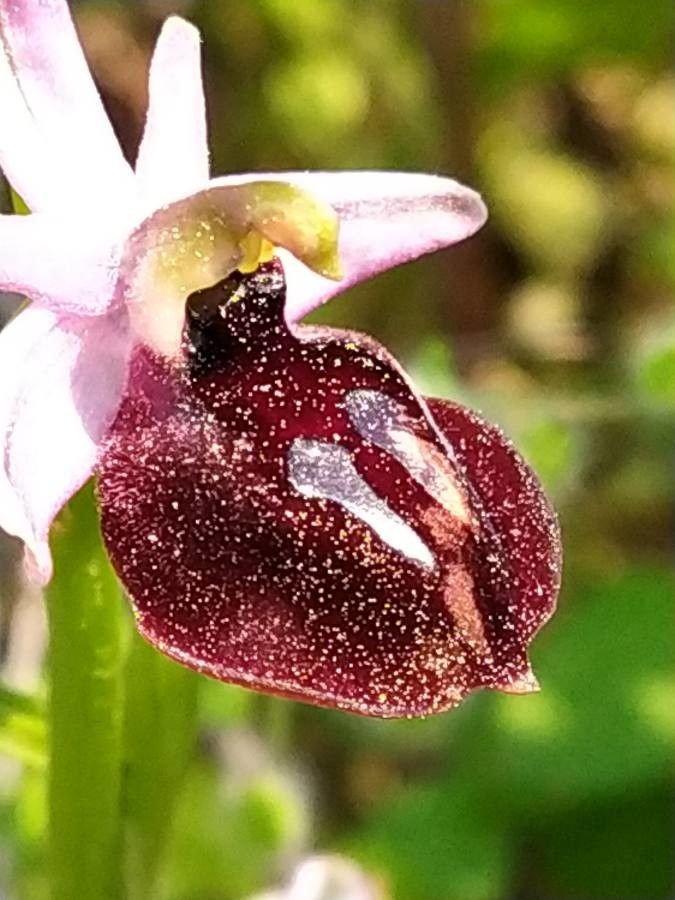
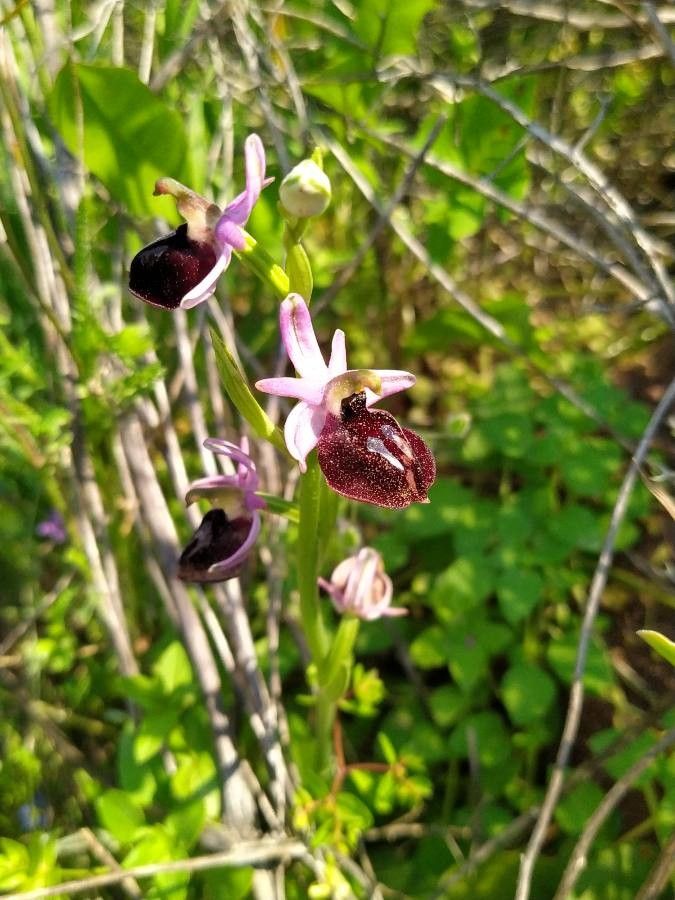
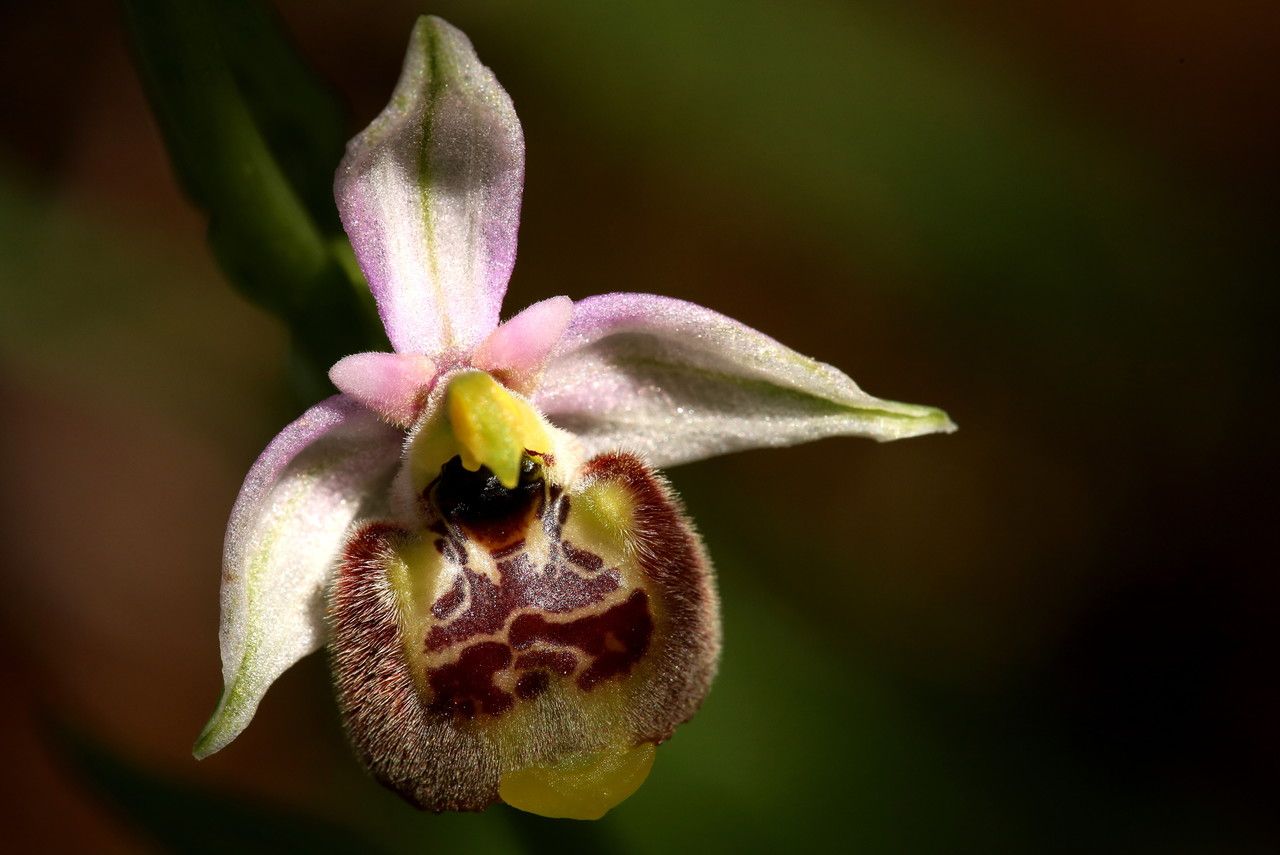
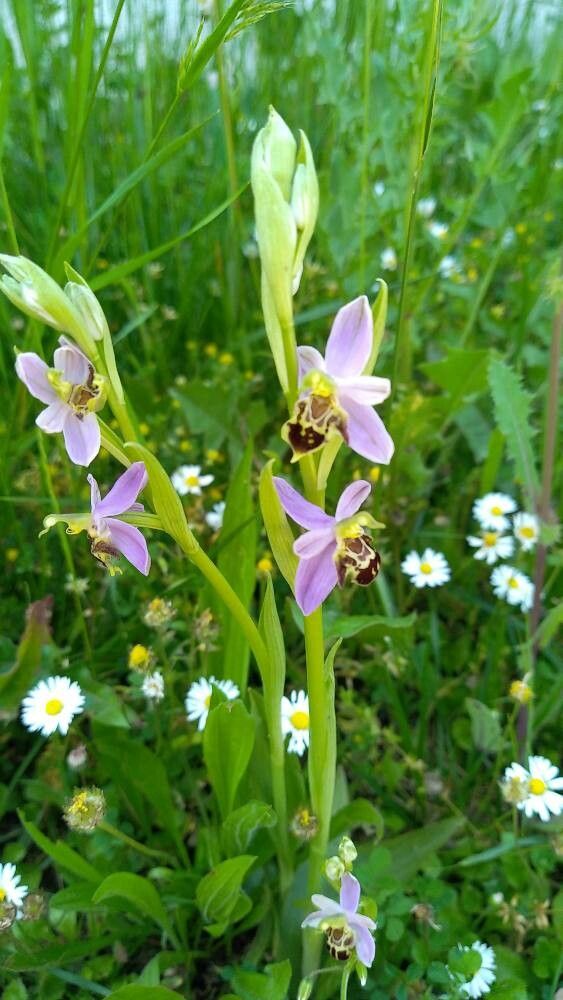
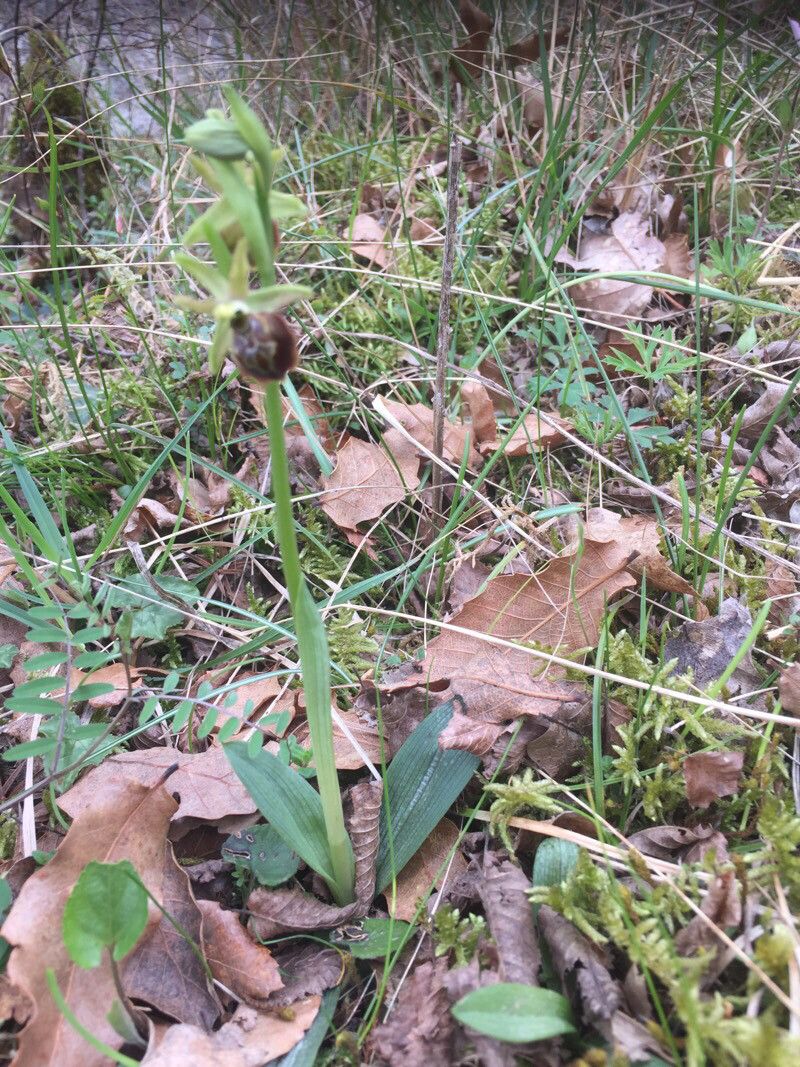
Ophrys ferrum-equinum, the horseshoe bee-orchid, is a terrestrial species of orchid native to Albania, Greece, and Turkey, including Crete and other islands of the Aegean. It owes its species name to the characteristic shape of a silver horse-shoe on the brown petal.
Horseshoe orchid typically has strong resistance to disease and is subject to relatively few insect pests. Its care is considered difficult because it needs a high-humidity yet well-ventilated environment with few harmful pathogens. Too much watering can cause root rot. Although anyone can grow a Horseshoe orchid, keeping it healthy and getting it to bloom again requires more cultivation experience.
How to keep Ophrys Ferrum Equinum.
Light
The horseshoe orchid is native to habitats like forest understories and rocky areas, where it grows in natural shade. It prefers partial sun but can tolerate full sun or full shade, demonstrating its versatility and hardiness.
Temperature
Horseshoe orchid can adjust to a wide variety of temperature conditions, though its range may still be restricted by different combinations of moisture and heat. It performs best in warm summer conditions with sufficient rainfall or watering. Extended stretches of cloudy, rainy weather, as well as prolonged high temperatures, can raise the chance of a Horseshoe orchid dying. In winter, adequate protection from cold can increase the plant’s survival rate.
Fertilizer
The best time to fertilize a Horseshoe orchid is in early spring, when it is coming out of dormancy and starting active growth. Fertilization supplies essential nutrients for healthy development. Although the Horseshoe orchid has fairly low fertilizer requirements, feeding it once a year can improve its survival and encourage better, longer-lasting flowers.
Pruning
Horseshoe orchids are renowned for their distinctive flowers. To maintain their health and appearance, it's best to prune them in early spring after they have finished blooming. During pruning, focus on shaping the plant and removing any dead growth. Cut old flower spikes at their base, but be sure to preserve the foliage. Regular pruning is essential as it improves air circulation, reduces the risk of disease, and encourages healthy flowering in future cycles.
Botanical profile.
- Plant Type
- Herb
- Life Cycle
- Perennial
- Genus
- Ophrys
- Family
- Orchidaceae
- Hardiness Zone
- 7-10
- Mature Height
- 20 cm to 40 cm
- Mature Spread
- 10 cm to 15 cm
- Leaf Color
- Green, Dark Green
- Leaf Type
- Deciduous
- Flower Size
- 1.52 cm to 2.54 cm
- Bloom Time
- Early spring, Mid spring
- Planting Time
- Spring, Autumn
- Harvest Time
- Late spring, Early summer
- Native Area
- Albania, Turkey, Greece
Other names.
Reader questions.
What is the botanical name of the Horseshoe orchid?
The botanical name of the Horseshoe orchid is Ophrys ferrum-equinum. This name helps in scientifically identifying the plant, distinguishing it from other species within the Ophrys genus and the broader orchid family.