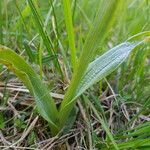
Ophrys insectifera
Fly orchid · Insect Bearing Ophrys
Description
Source: leafsnapOphrys insectifera, the fly orchid, is a species of orchid and the type species of the genus Ophrys. It is remarkable as an example of the use of sexually deceptive pollination and floral mimicry, as well as a highly selective and highly evolved plant–pollinator relationship.
Care Guide
💧 Water
The fly orchid thrives in humid environments, needing consistent moisture without becoming waterlogged. It requires weekly watering and prefers stable temperatures along with indirect light. During its growing season, maintaining high humidity is essential for proper flowering, which makes indoor cultivation ideal for managing its conditions.
☀️ Light Partial sun
The Fly orchid occurs in habitats like forest understories and rocky terrain, where it is subject to natural shade. It prefers partial sunlight but is able to tolerate both full sun and deep shade, reflecting its adaptable and hardy character.
What are the sunlight requirements for a Fly Orchid?
The Fly Orchid (Ophrys insectifera) has specific sunlight requirements to thrive. It needs partial sun, which means about 3-6 hours of sunlight per day, but it can also grow in full shade, where it receives less than 3 hours of sunlight per day. It's important to observe how sunlight moves through your garden to find spots that offer the ideal balance of light and shade for your Fly Orchid, ensuring its growth and happiness.
What is the botanical name of the Fly Orchid?
The botanical name of the Fly Orchid is Ophrys insectifera.
🌡️ Temperature 5–32.2°C
Fly orchid can tolerate a broad range of temperatures, but its distribution may still be restricted by particular combinations of moisture and heat. It does best in warm summer climates with sufficient rainfall or watering. Long stretches of cloudy, rainy weather or prolonged high temperatures can raise the chance of the Fly orchid dying. In winter, adequate protection from cold can increase the plant's survival rate.
What is the Fly orchid?
The Fly orchid, known scientifically as Ophrys insectifera, is a distinct species of orchid. It is renowned for its unique appearance, which mimics a flying insect to attract pollinators. Despite the detailed information often sought about its growing conditions, notable characteristics, and care instructions, this piece focuses on introducing the Fly orchid by its common and botanical names.
💨 Humidity
🪴 Soil 6-7
🌱 Fertilizer
The best time to fertilize a Fly orchid is in early spring, as it comes out of dormancy and begins active growth. Fertilizing supplies essential nutrients for healthy development. Although the Fly orchid has relatively low fertilizer needs, applying fertilizer annually can improve its survival and encourage better, longer-lasting flowers.
🪴 Pot & Repot
✂️ Pruning
The Fly Orchid has unique flowers that resemble insects. For optimal growth, it should be pruned from early to late spring. Start by removing any damaged leaves and perform light pruning to maintain the plant's shape. Avoid heavy pruning, as it can be harmful. These practices help ensure the plant's health and promote vibrant blooms, enhancing the appeal of any garden.
🌿 Propagating
🐛 Diseases & pets
☠️ Toxicity
Characteristics
- Plant Type
- Herb
- Life Cycle
- Perennial
- Genus
- Ophrys
- Family
- Orchidaceae
- Hardiness Zone
- 5-8
- Mature Height
- 15 cm to 30 cm
- Mature Spread
- 10 cm to 20 cm
- Leaf Color
- Green
- Leaf Type
- Deciduous
- Flower Color
- Brown, Green
- Flower Size
- 3.81 cm
- Bloom Time
- Mid spring, Late spring, Early summer
- Planting Time
- Spring, Summer
- Harvest Time
- Summer
- Native Area
- Sweden, Austria, Czech Republic, Slovakia, Montenegro, Poland, Greece, Croatia, Slovenia, Belarus, Serbia, Russia, Lithuania, Norway, Hungary, Germany, Italy, Spain, Switzerland, Denmark, Estonia, Finland, France, Ireland, United Kingdom, Romania, Latvia, Belgium, Netherlands