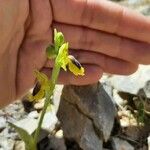
Ophrys lutea
Yellow Ophrys · Yellow bee orchid
Description
Source: leafsnapOphrys lutea, the yellow bee-orchid, is a species of orchid native to southern Europe, North Africa, and the Middle East, the range extending from Portugal and Morocco to Syria.
Care Guide
💧 Water
The yellow bee orchid flourishes in Mediterranean climates that offer plenty of sunshine and occasional rainfall. It can handle moderate humidity and brief dry periods. For the best growth, water the yellow bee orchid once a week. Its efficient root system allows it to absorb moisture quickly, making it resilient and easy to care for.
How should I water my Yellow bee orchid?
The watering needs of the Yellow bee orchid depend on its growth phase. During active growth, water the soil and occasionally mist the leaves in warm weather. In winter or cool, wet conditions, focus on watering the soil directly. Signs that your plant needs more water include dry, discolored leaves and roots. Overwatering will cause the plant to become mushy and limp. Use a well-draining potting mix when growing the orchid in a pot. Water multiple times per week during the growing season, ensuring quick drainage to avoid standing water. Adjust the amount of water based on the pot size, with larger pots needing water less frequently. Rainwater or distilled water is best and should match the air temperature as closely as possible.
What should I do if I give too much or too little water to my Yellow bee orchid?
To prevent killing your Yellow bee orchid, it's important to avoid leaving it in overly moist soil for too long. While these plants need frequent watering during active growth, they also require well-draining soil. Overwatering can cause the plant to become mushy and develop root rot. If this happens, you can use sterilized pruning shears to remove any rotting roots. Repotting the orchid is then necessary, ensuring the new container has proper drainage and using a fast-draining potting mix. However, excessive repotting may not be beneficial for the Yellow bee orchid, so it's crucial to find the right balance of watering. If the plant starts to shrivel and feels dry to the touch, it is likely underwatered. In this case, increase the watering frequency as the soil may be drying out faster than expected.
How often should I give water to my Yellow bee orchid?
During the active growth stage in spring and summer, water your Yellow bee orchid once or twice a week. Increase watering to three times a week or more during hot and dry weather. In winter, watering frequency should be reduced to two or three times a month. However, if you keep your Yellow bee orchid indoors, the soil may dry quicker, so you may need to increase the number of monthly waterings. Use fall as a time to gradually reduce watering from multiple times per week to the reduced winter schedule.
What should I think about when watering my Yellow bee orchid during different seasons and growth times?
When planning the watering schedule for your Yellow bee orchid, it's important to consider two growth phases. The first phase is the active growth period, which occurs in spring and summer. During this time, the plant needs to be watered multiple times per week. The second phase is the rest period, which lasts about two to three months in winter. During this period, the plant requires significantly less water and fertilization. Watering once or twice per month is sufficient. To prepare for winter, gradually reduce watering frequency from multiple times per week in the fall to the appropriate rate for winter.
How do I water my Yellow bee orchid differently when I keep it inside?
The Yellow bee orchid needs a relatively humid growing environment. Indoor growing locations often lack the necessary air moisture, causing the plant and soil to dry out faster compared to its outdoor growth. To counter this, you can use a humidifier in the room where you grow the orchid and water it more often. However, it's important to note that while this orchid prefers humidity, it also requires proper air circulation to avoid excessive moisture buildup and related diseases. Adding a fan to the growing room can help maintain adequate air circulation.
☀️ Light Full sun
The yellow bee orchid flourishes when given abundant light, which supports its healthy growth. Throughout its various growth stages it can tolerate reduced light exposure. Coming from habitats where strong light is common, it maintains vitality even in lowered light conditions. However, extremes of too little or too much light can impair its well-being.
What are the sunlight requirements for the Yellow bee orchid?
The Yellow bee orchid requires full sun exposure, defined as above 6 hours of sunlight daily, to thrive optimally. It can also grow in partial sun, which is about 3-6 hours of sunlight. Observing how sunlight moves through your garden to find the perfect balance of light and shade is crucial for the plant's happiness and ensuring it gets the right amount of light.
How does the Yellow bee orchid adapt to different lighting conditions?
The Yellow bee orchid thrives in ample light, supporting its healthy growth through its varied growth stages. Originating from environments with strong light, it maintains vitality in reduced light settings as well. However, extreme light conditions, either too little or too much, can negatively impact the plant's well-being. In spaces with insufficient natural light, especially during winter or in less sunny areas, artificial lighting can provide a vital solution. LED lights are recommended for their ability to offer specific wavelengths needed for plant growth, with requirements varying based on the plant's natural sunlight needs.
What are the symptoms of light deficiency in the Yellow bee orchid?
When the Yellow bee orchid is placed in rooms with inadequate lighting, it might show several symptoms indicating light deficiency. These include smaller new leaves, leggy or sparse growth, faster leaf drop, halted or no new growth, and lighter-colored new leaves. Excessive sunlight can also cause issues like chlorosis, where leaves lose their green color, sunscald with pale or necrotic areas on plant tissue, leaf curling as a defense against too much sunlight, wilting due to increased water loss, and leaf scorching characterized by dry, brown edges on leaves.
How can you manage and improve lighting conditions for the Yellow bee orchid?
Improving lighting conditions for the Yellow bee orchid involves several strategies. Indoors, gradually moving the plant to sunnier locations or using artificial lights like desk lamps or professional grow lights can help. Outdoor plants should be moved to sunlight gradually to prevent sunburn, focusing on the best spots for sunlight without sudden changes in light intensity. Reducing obstructions by pruning trees or branches that block sunlight and transplanting smaller plants during their dormant period to sunnier locations with good drainage are effective methods to ensure plants receive adequate sunlight.
🌡️ Temperature 15–35°C
The Yellow bee orchid can tolerate a wide range of temperature conditions, but its distribution may nonetheless be restricted by different combinations of water and heat. It performs best in warm summer climates with sufficient rainfall or regular watering. Extended periods of cloudy, rainy weather or prolonged high temperatures increase the likelihood of the Yellow bee orchid dying. In winter, adequate protection from the cold can enhance the plant's chances of survival.
What is the Yellow bee orchid?
The Yellow bee orchid, known scientifically as Ophrys lutea, is a distinctive species of orchid admired for its yellow-flowered beauty. This particular orchid is noted for its resemblance to a bee, which aids in its pollination process. Unfortunately, specific details regarding its essentials, such as care, habitat, or cultural significance, as well as symptoms of common issues, were not provided.
💨 Humidity
🪴 Soil 6-7
🌱 Fertilizer
The best time to fertilize a Yellow bee orchid is in early spring, when it is coming out of dormancy and beginning active growth. Fertilization supplies essential nutrients for healthy development. Although the Yellow bee orchid has relatively low nutrient needs, fertilizing once a year can improve its survival and encourage better, longer-lasting flowers.
🪴 Pot & Repot
✂️ Pruning
The yellow bee orchid thrives with minimal pruning in early spring. After it finishes flowering, remove any damaged leaves and trim back the spent flower spikes to maintain its shape. Be careful not to over-prune, as this can cause stress and affect future blooms. By providing timely care and following recommended horticultural practices, you can enhance the yellow bee orchid's vigor and ornamental value.
🌿 Propagating
🐛 Diseases & pets
☠️ Toxicity
Characteristics
- Plant Type
- Herb
- Life Cycle
- Perennial
- Genus
- Ophrys
- Family
- Orchidaceae
- Hardiness Zone
- 7-10
- Mature Height
- 40 cm
- Mature Spread
- 10 cm to 20 cm
- Leaf Color
- Green
- Leaf Type
- Deciduous
- Flower Color
- Yellow, Brown
- Flower Size
- 0.51 cm to 4.06 cm
- Bloom Time
- Early spring, Mid spring
- Planting Time
- Spring, Summer, Autumn, Winter
- Harvest Time
- Late spring, Early summer
- Native Area
- Turkey, Italy, Spain, France, Cyprus, Albania, Algeria, Greece, Portugal