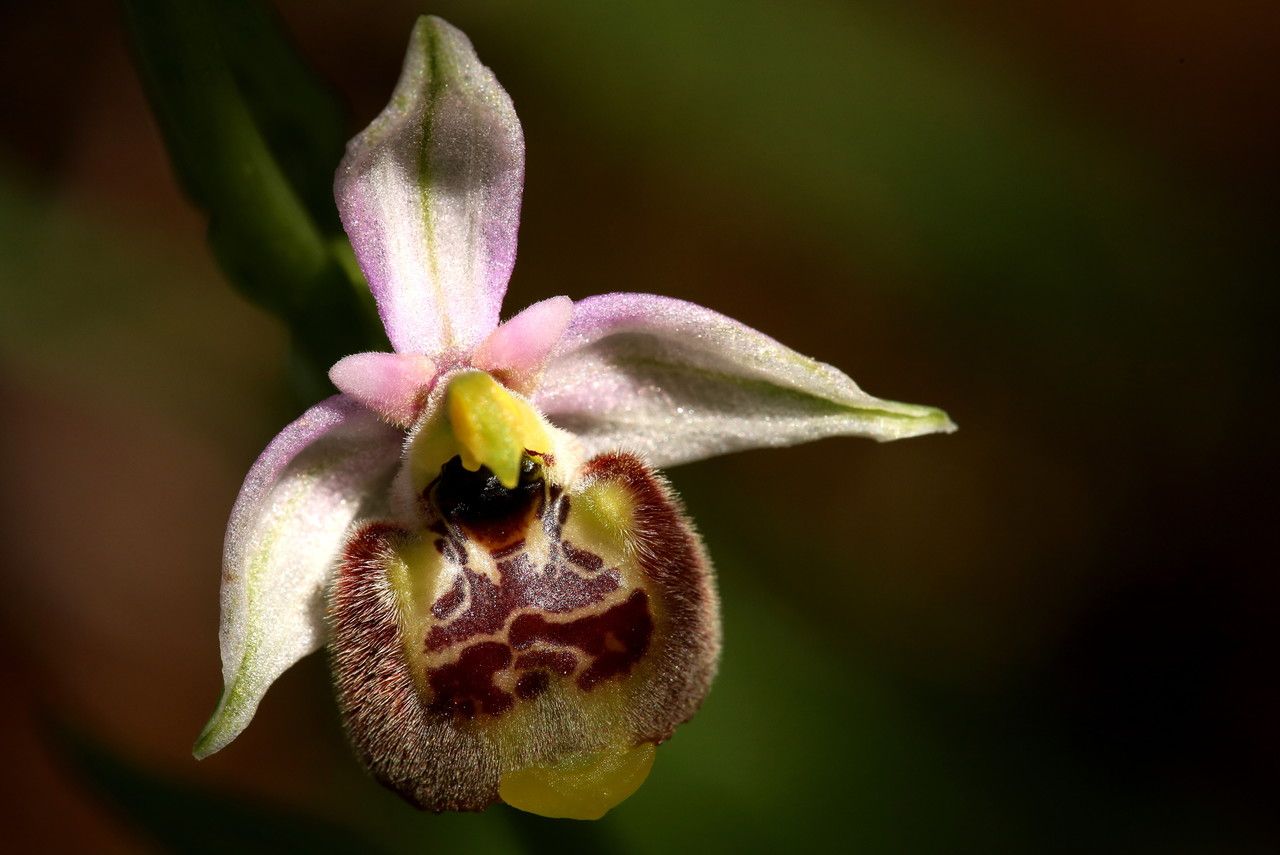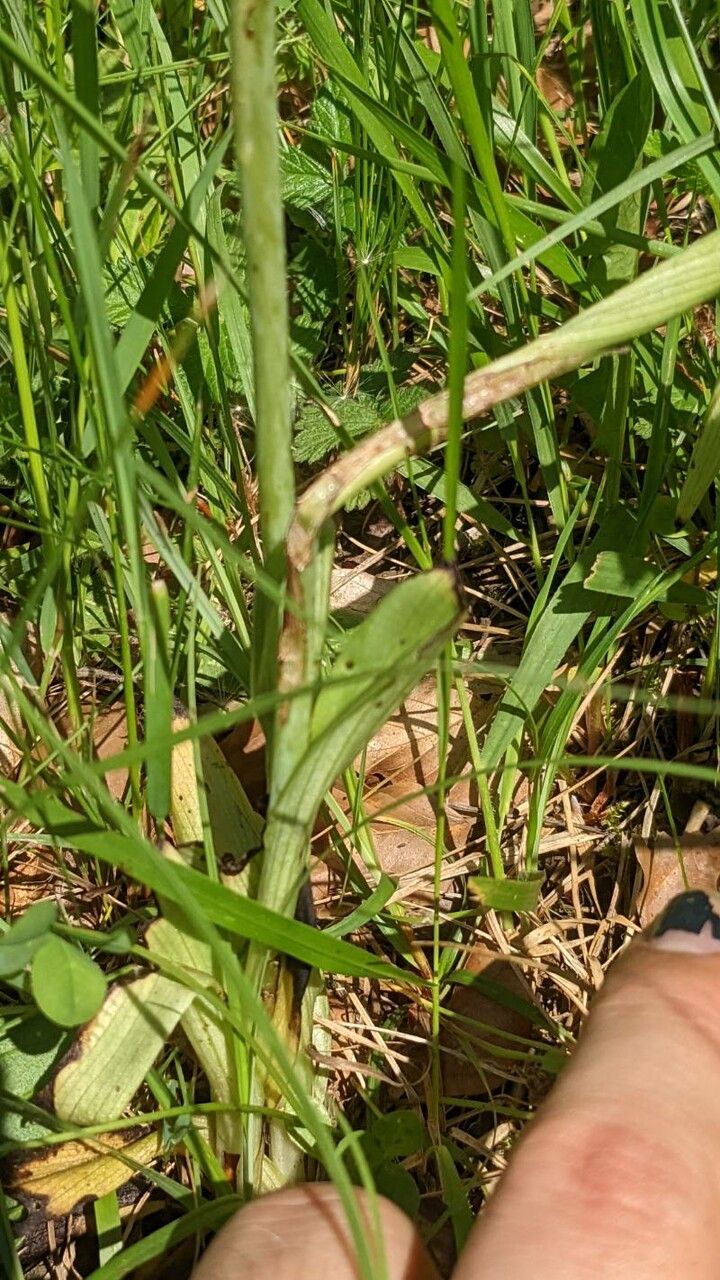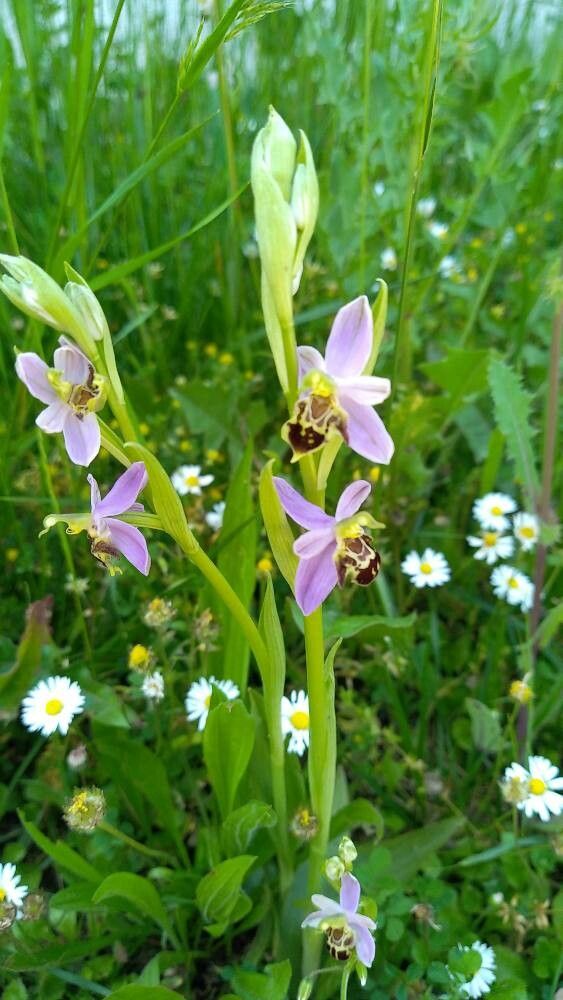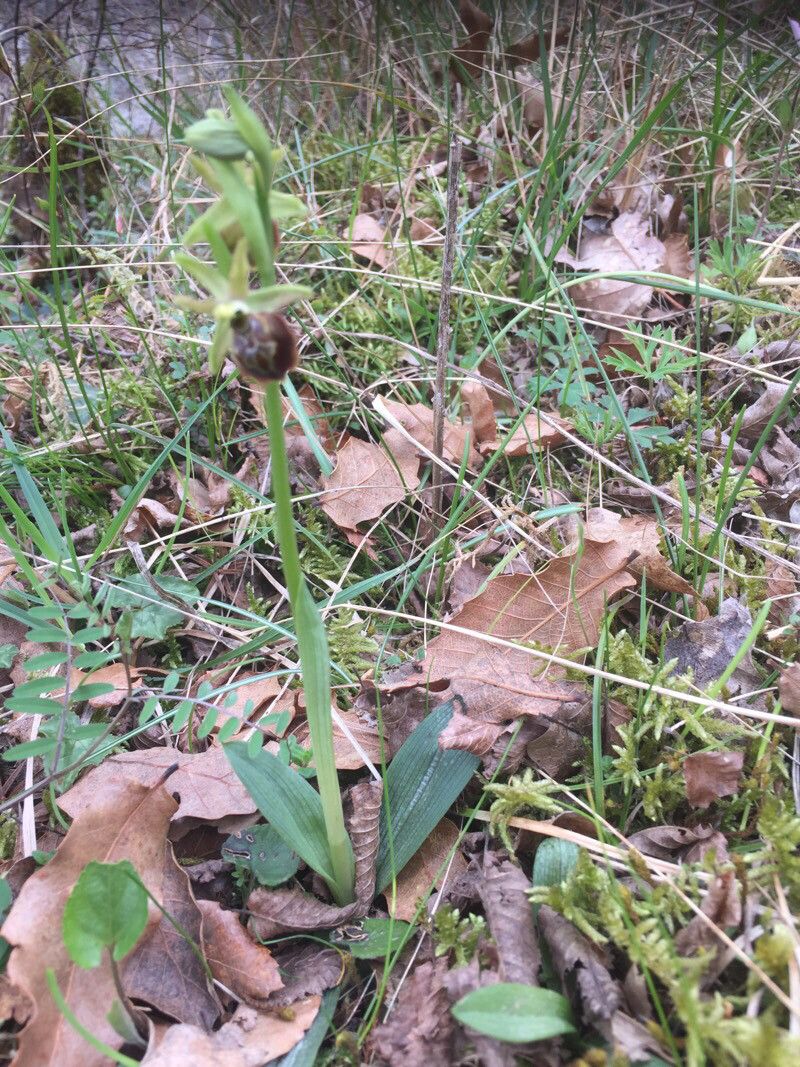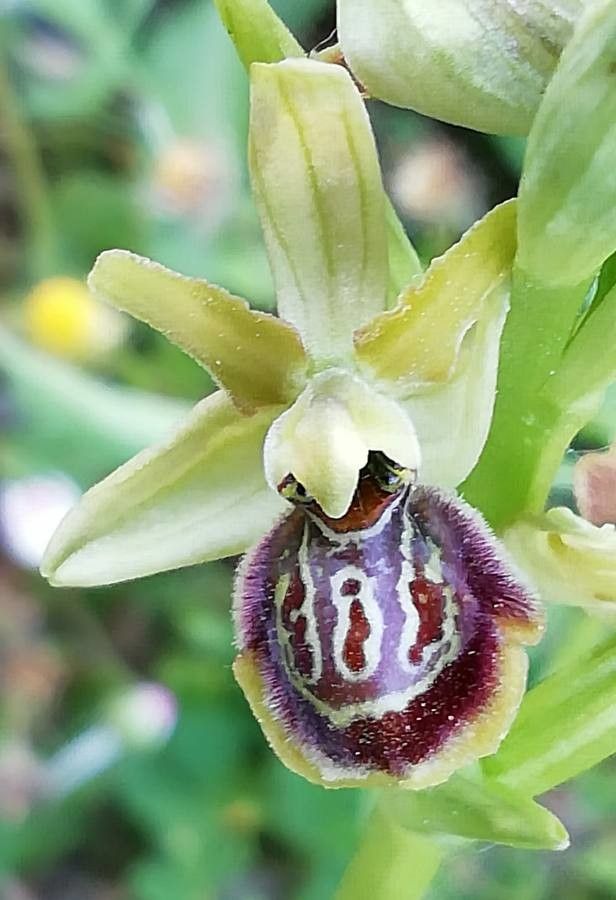
The Early spider-orchid is generally quite disease-resistant and is affected by relatively few insect pests. Its care is regarded as challenging because it needs an environment that is both high in humidity and well ventilated, with minimal harmful pathogens. Overwatering can cause root rot. While anyone can cultivate the Early spider-orchid, keeping it healthy and encouraging it to bloom again demands greater growing experience.
How to keep Ophrys Riojana.
Light
Early spider-orchid occurs naturally in habitats like forest understories or rocky areas, where it grows in natural shade. It prefers partial sun but can tolerate full sun or full shade, demonstrating its versatile and hardy nature.
Temperature
Early spider-orchid can tolerate a wide span of temperatures, but its distribution can still be restricted by different mixes of moisture and heat. It performs best in warm summer conditions with sufficient rainfall or watering. Extended stretches of cloudy, rainy weather, as well as prolonged high temperatures, raise the risk of the Early spider-orchid dying. In winter, shielding it from cold improves its chances of survival.
Fertilizer
The optimal period to provide nutrients to an Early spider-orchid is during the early spring, as it transitions from dormancy to active development. This feeding process supplies essential nutrients necessary for robust growth. Despite the fact that Early spider-orchid doesn't require much fertilization, yearly application of fertilizer can boost its longevity and contribute to superior, more enduring blossoms.
Botanical profile.
- Plant Type
- Herb
- Life Cycle
- Perennial
- Genus
- Ophrys
- Family
- Orchidaceae
- Hardiness Zone
- 6-9
- Mature Height
- 20 cm to 40 cm
- Mature Spread
- 10 cm to 20 cm
- Leaf Color
- Light Green, Dark Green
- Leaf Type
- Deciduous
- Flower Color
- Brown, Green
- Flower Size
- 2.03 cm to 3.05 cm
- Bloom Time
- Early spring, Mid spring
- Planting Time
- Spring
- Harvest Time
- Late spring, Early summer