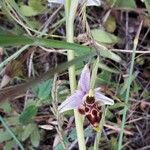
Ophrys scolopax
Woodcock bee-orchid · Woodcock orchid · Bee orchid
Description
Source: leafsnapOphrys scolopax, known as the woodcock bee-orchid or woodcock orchid, is a species of terrestrial orchid found around the Mediterranean and the Middle East, from Morocco and Portugal to Hungary and Iran.
Care Guide
💧 Water
The Woodcock Bee-Orchid, native to the Mediterranean region, thrives in coastal and subalpine climates that experience dry spells. While it is drought-tolerant, it also appreciates humidity, requiring weekly watering for optimal growth. This orchid is best grown outdoors, where it can utilize its tubers to store water, allowing it to survive extended periods without rain.
How should I water my Woodcock bee-orchid properly?
The watering needs of the Woodcock bee-orchid depend on its growth phase. During active growth, water the soil and occasionally water overhead if it's warm to allow moisture absorption through the leaves. In winter or cool/wet weather, only water the soil directly. Look for signs of needing more water like thin, dry leaves or discoloration. If the plant receives too much water, it will appear mushy and limp. Use a pot with good drainage and water multiple times per week during the growing season. Make sure water drains quickly to avoid standing water. Adjust the amount of water based on pot size, larger pots needing less frequent watering. Use rainwater or distilled water, matching the water temperature to the air if possible.
What should I do if I give my Woodcock bee-orchid too much or too little water?
One of the most common ways to kill your Woodcock bee-orchid is by letting it sit in overly moist soil for too long. Although these plants need regular watering during active growth, they also require soil that drains water quickly. If you overwater the plant, it will become mushy and develop root rot. In such cases, you should use sterile pruning shears to remove any rotting roots. Afterward, repot the Woodcock bee-orchid in a container that allows for drainage and fill it with a fast-draining potting mix. However, excessive repotting may not be well-tolerated by this plant, so getting the watering right is crucial. If the Woodcock bee-orchid is underwatered, it will start to shrivel and feel dry to the touch. This usually happens when the soil dries out faster than expected, in which case you should increase the frequency of watering.
How often should I water my Woodcock bee-orchid?
To ensure the healthy growth of your Woodcock bee-orchid, it's important to adjust your watering schedule throughout the year. In the active growth stage (spring and summer), watering once or twice per week is sufficient. However, during hot and dry periods, it may be necessary to increase watering to three times per week or more. In winter, watering requirements decrease significantly. Watering the Woodcock bee-orchid two to three times per month should be enough to keep it alive during the coldest months. However, if you are keeping the plant indoors during winter, be aware that indoor conditions may cause the soil to dry out faster. In this case, you may need to increase the frequency of watering. During fall, gradually decrease the watering frequency from the summer rate to match the reduced winter schedule.
What things should I think about when watering my Woodcock bee-orchid at different times of the year and when it's growing?
When planning the watering schedule for your Woodcock bee-orchid, it is important to consider two growth phases. The first growth phase is the active growth period, which occurs in spring and summer. During this period, the plant should be watered multiple times per week. The second growth phase is the rest period, which occurs during winter. During this time, the Woodcock bee-orchid should experience a reduced watering schedule for about two to three months. Watering should be done once or twice per month during this period. To transition from the active growth period to the rest period, gradually reduce watering frequency from multiple times per week in the fall to the appropriate once or twice per month rate for winter.
If I grow my Woodcock bee-orchid indoors, how should I water it differently?
The Woodcock bee-orchid thrives in a relatively humid environment. However, most indoor growing locations lack the necessary air moisture, causing the plant and soil to dry out quickly. To overcome this, consider using a humidifier in the room where you grow the Woodcock bee-orchid and watering it more frequently. It is important to note that while this plant prefers humidity, it also needs sufficient air circulation to avoid excess moisture and potential diseases. To ensure proper air circulation, adding a fan to the growing room is recommended.
☀️ Light Partial sun
The Woodcock bee-orchid occurs naturally in habitats like forest understories and rocky sites, where it grows in natural shade. It favors partial sun but is able to tolerate full sun or full shade, showing its versatility and hardiness.
What are the sunlight requirements for Woodcock bee-orchid?
Woodcock bee-orchid requires partial sun, thriving best in about 3-6 hours of sunlight, but it can also tolerate full shade, which is less than 3 hours of sunlight. This versatility makes it suitable for various garden spots, ensuring you can find an ideal location that provides the perfect balance of light and shade to keep your plants happy. It's important to observe how sunlight moves through your garden to choose the best spots for your plants.
How do artificial lights support plant growth indoors?
Indoor plants, including Woodcock bee-orchid, require adequate lighting for optimal growth, especially when natural sunlight is insufficient, such as during winter or in less sunny spaces. Artificial lights serve as an essential solution, promoting faster and healthier plant growth. When choosing artificial lighting: LED lights are highly recommended because they can be tailored to provide specific wavelengths needed by plants. Full sun plants need 30-50W/sq ft of artificial light, partial sun plants need 20-30W/sq ft, and full shade plants need 10-20W/sq ft. The light source should be placed 12-36 inches above the plant to mimic natural sunlight, and most plants will need 8-12 hours of light per day.
What are symptoms of light deficiency in Woodcock bee-orchid?
When grown indoors with insufficient light, Woodcock bee-orchid may display several symptoms indicating light deficiency. These include smaller new leaves, leggy or sparse growth, faster leaf drop, slower or no new growth, lighter-colored new leaves, and indications of chlorosis. Excessive sunlight can cause symptoms like sunscald, leaf curling, wilting, leaf scorching, which damages the plants' leaves or stems, presenting as pale, bleached, or necrotic areas, and it can significantly reduce the plant's overall health.
How can you adjust light conditions to optimize Woodcock bee-orchid's growth?
To optimize Woodcock bee-orchid's growth in varying light conditions, implement gradual changes to their light exposure. Indoors, if the plant is large or not easily movable, consider using artificial light, keeping a desk or ceiling lamp on for at least 8 hours daily, or invest in professional grow lights. Outdoors, gradually move your plants to sunnier spots each week to avoid sunburn, allowing them to adapt to the changing light conditions. If sunlight is blocked by obstructions, prune obstructing branches or move smaller plants during their dormant period to a sunnier location with good drainage, ensuring new growth is healthy.
🌡️ Temperature 15–35°C
Woodcock bee-orchid can tolerate a wide range of temperatures, but its distribution may still be constrained by different combinations of moisture and heat conditions. It grows best in warm summer climates with sufficient rainfall or watering. Extended periods of cloudy, rainy weather or prolonged high temperatures can increase the chance of the Woodcock bee-orchid dying. In winter, protecting it from cold can improve the plant's likelihood of survival.
What is the Woodcock bee-orchid?
The Woodcock bee-orchid, known botanically as Ophrys scolopax, is a species of orchid.
💨 Humidity
🪴 Soil 4-5
🌱 Fertilizer
The best time to fertilize a Woodcock bee-orchid is in early spring, as it comes out of dormancy and begins active growth. Fertilization supplies essential nutrients for healthy development. Although the Woodcock bee-orchid needs relatively little fertilizer, applying it annually can improve its survival and encourage better, longer-lasting flowers.
🪴 Pot & Repot
✂️ Pruning
The Woodcock bee-orchid needs minimal pruning. In the spring, simply remove dead leaves and spent stems to encourage healthy growth. It's important not to over-prune, as this can stress the plant. By maintaining a balance, you can ensure the orchid's optimal vigor and blooming performance.
🌿 Propagating
🐛 Diseases & pets
☠️ Toxicity
Characteristics
- Plant Type
- Herb
- Life Cycle
- Perennial
- Genus
- Ophrys
- Family
- Orchidaceae
- Hardiness Zone
- 7-10
- Mature Height
- 49 cm
- Mature Spread
- 10 cm to 20 cm
- Leaf Color
- Light Green, Dark Green
- Leaf Type
- Deciduous
- Flower Color
- Brown, Green, Pink
- Flower Size
- 2.54 cm
- Bloom Time
- Mid spring, Late spring, Early summer
- Planting Time
- Spring
- Harvest Time
- Summer
- Native Area
- Tunisia, Italy, Spain, France, Algeria, Morocco, Portugal