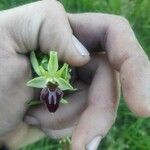
Ophrys sphegodes
Early spider orchid · Bee Orchid · Wasp Orchid
Description
Source: leafsnapOphrys sphegodes, commonly known as the early spider-orchid, is a species of sexually-deceptive orchid native to Europe and the Middle East. It is a very varied species with many subspecies recognised.
Care Guide
💧 Water Every 1-2 weeks
The early spider-orchid thrives in moderate water conditions, requiring watering once every one to two weeks. It originates from temperate regions and can tolerate reduced water levels. During colder months, the orchid enters a dormant phase, significantly reducing its water needs.
How should I water my Early spider-orchid?
The way you water the Early spider-orchid depends on whether it is in an active growth phase or not. During active growth, water the soil and occasionally water from above to allow the plant to absorb moisture through its leaves. In winter or cool, wet weather, only water the soil directly. Look for signs that your plant needs more water, such as thin and dry roots and leaves or discoloration. If the Early spider-orchid receives too much water, it will become mushy and limp. Use a pot with good drainage and a well-draining potting mix. Water the plant multiple times per week during the growing season, ensuring that each watering drains quickly. The amount of water needed depends on the pot size, with larger pots needing less frequent watering. Rainwater or distilled water is best, and try to match the water temperature to the air temperature as closely as possible.
What should I do if I give too much or too little water to my Early spider-orchid plant?
One of the most common ways to kill an Early spider-orchid is by keeping the soil too moist for too long. While these plants need frequent watering during active growth, they also require well-draining soil. Overwatering can result in a mushy plant with root rot. In such cases, use sterile pruning shears to cut out any rotted roots before repotting the plant. The new pot should have good drainage and be filled with fast-draining potting mix. However, excessive repotting can negatively affect the Early spider-orchid, so it's important to find the right watering balance. If the plant becomes underwatered, it will shrivel and feel dry to the touch. In this situation, increase your watering frequency as the soil may be drying out faster than anticipated.
How often do I need to water my Early spider-orchid?
To ensure the healthy growth of your Early spider-orchid, it is important to adjust your watering frequency throughout the year. During the active growth stage in spring and summer, water your orchid once or twice a week. If there are extended periods of hot and dry weather, increase watering to three times a week or more. In winter, the watering frequency should be reduced. Water your Early spider-orchid two to three times a month to maintain its health during the coldest months. If you keep the orchid indoors during winter, be aware that indoor growing locations may cause the soil to dry out faster than usual. In this case, you may need to increase the number of monthly waterings. Finally, in the fall, gradually decrease watering from the summer rate to prepare for the reduced winter watering schedule.
What things should I think about when watering my Early spider-orchid at different times of the year and during different stages of growth?
When planning the watering schedule for your Early spider-orchid, it's important to consider two growth phases. The first phase is the active growth period, which happens in spring and summer. During this time, it's recommended to water the plant multiple times per week. The second phase is the rest period, which occurs during winter for about two to three months. During this period, the plant requires less water and fertilization. Watering about once or twice per month is sufficient. As autumn approaches, you should gradually decrease the frequency of watering from multiple times per week to once or twice per month, which is suitable for winter.
If I grow my Early spider-orchid indoors, how should I water it in a different way?
The Early spider-orchid prefers a humid environment, which may be difficult to achieve indoors. To prevent the plant and soil from drying out too quickly, try using a humidifier in the room where you grow it. You may also need to water it more often. However, be careful not to create excessive moisture and the diseases it can bring. To ensure proper air circulation, consider placing a fan in the room as well.
☀️ Light Partial sun
The early spider-orchid does well with substantial but not intense sunlight, demonstrating adaptability to abundant light. Native to environments where sun exposure varies, this species does not require full sun yet can tolerate it. Excessively strong light may cause problems, while too little can hinder growth.
What are the sunlight requirements for Early Spider-Orchid?
The Early Spider-Orchid requires about 3-6 hours of sunlight daily (partial sun) but can also thrive in conditions where it receives more than 6 hours of sunlight (full sun). It's adaptable to various light conditions that reflect its natural habitat, which can range from open fields to partially shaded areas. Watch the sunlight through your garden to find spots that offer the right balance of light and shade, ensuring the plant's well-being without exposing it to excessively strong light that could cause issues or insufficient light that might stunt its growth.
How does artificial lighting benefit Early Spider-Orchid indoors?
Artificial lighting is crucial for Early Spider-Orchid's growth indoors, especially in conditions where natural sunlight is scarce, like during winter or in less sunny spaces. LED lights are recommended because they can be customized to provide specific light wavelengths needed by the plants. For full sun plants, 30-50W/sq ft of artificial light is needed, partial sun plants require 20-30W/sq ft, and full shade plants need 10-20W/sq ft. The light source should be placed 12-36 inches above the plant, mimicking natural sunlight, and the duration should simulate natural daylight hours, usually 8-12 hours per day.
What are some common symptoms of light deficiency in Early Spider-Orchid?
Common symptoms of light deficiency in Early Spider-Orchid include smaller new leaves compared to older ones, leggy or sparse growth, faster leaf drop, slower or no new growth, lighter-colored or pale new leaves indicating a lack of chlorophyll, and issues such as chlorosis, sunscald, leaf curling, wilting, and leaf scorching. These symptoms suggest that the plant is not receiving adequate sunlight, which is vital for its health and growth.
What are the solutions to insufficient sunlight for Early Spider-Orchid?
To address insufficient sunlight for Early Spider-Orchid, gradually shift the plants to sunnier spots each week until they receive 3-6 hours of direct sunlight daily, which helps them adapt to changing light conditions. If the plant is large or not easily movable, consider using artificial light, keeping a desk or ceiling lamp on for at least 8 hours daily, or invest in professional plant grow lights. For outdoor plants, avoid sudden changes in light intensity to prevent sunburn. Minimizing obstructions, such as pruning trees that block sunlight, and transplanting smaller plants during their dormant period to sunnier locations with good drainage are also effective solutions.
🌡️ Temperature 10–35°C
Early spider-orchid can tolerate a wide span of temperatures, but its distribution can still be restricted by different mixes of moisture and heat. It performs best in warm summer conditions with sufficient rainfall or watering. Extended stretches of cloudy, rainy weather, as well as prolonged high temperatures, raise the risk of the Early spider-orchid dying. In winter, shielding it from cold improves its chances of survival.
💨 Humidity
🪴 Soil 6-7
🌱 Fertilizer
The optimal period to provide nutrients to an Early spider-orchid is during the early spring, as it transitions from dormancy to active development. This feeding process supplies essential nutrients necessary for robust growth. Despite the fact that Early spider-orchid doesn't require much fertilization, yearly application of fertilizer can boost its longevity and contribute to superior, more enduring blossoms.
Why should I apply fertilizer to my Early spider-orchid?
The main structure of the Early spider-orchid is made up of its leaves. Fertilization is an important way to ensure that the leaves of the orchid look great and fulfill their function. Proper fertilization will help maintain the color and texture of the leaves. It also supports the growth of new roots and maintenance of existing roots below the soil's surface. This means that fertilization not only keeps the plant healthy in the present, but also improves its ability to absorb nutrients from the soil in the future.
When should I fertilize my Early spider-orchid?
Growing your Early spider-orchid outdoors each year will result in new growth in early spring. The appearance of these leaves indicates the start of the fertilization period. While a single application of fertilizer is usually sufficient, if you want to maximize growth, you can repeat the feeding multiple times during the spring and early summer. This can be done about once every month to a month and a half.
When is the best time to not add fertilizer to my Early spider-orchid plant?
During the late fall and winter, your Early spider-orchid will go into a dormant phase, stopping new growth. Therefore, avoid fertilizing it during this time. If you decide to fertilize during spring and summer, gradually reduce the frequency as summer approaches since the orchid's growth rate will decrease. It's important to never fertilize the Early spider-orchid during excessively hot weather or when the soil is extremely dry, as this can harm the plant and lead to premature death.
What kind of fertilizer does my Early spider-orchid require?
Choosing the best fertilizer for an Early spider-orchid is actually quite simple. These plants will do well with a general-purpose garden fertilizer that has equal parts nitrogen, phosphorus, and potassium. A fertilizer with a 10-10-10 ratio or something similar will work effectively. Avoid using fertilizers with high levels of nitrogen if you're unsure. The majority of suitable fertilizers for an Early spider-orchid are granular and slow-release, making them easy to apply to the soil. Another helpful option is to nourish your plant with organic compost or similar soil amendments.
How should I add fertilizer to my Early spider-orchid plant?
To ensure proper growth of your Early spider-orchid, wait until its first leaves break through the soil's surface in early spring. At this point, apply a granular slow-release fertilizer with a balanced formula to the soil around the base of the plant. If desired, you can repeat this process later in the season. Remember to always apply the fertilizer to the soil, not the plant itself, even if you need to move some leaves aside to access the soil above the roots. Additionally, watering your Early spider-orchid before and after fertilizing is usually recommended.
🪴 Pot & Repot
✂️ Pruning
The early spider-orchid has distinct, spider-like flowers and requires minimal pruning. The ideal time to prune is from early to late spring. Carefully remove any dead foliage and old stems to encourage healthy growth and flowering. This will help maintain the plant's vigor and ensure stunning displays.
🌿 Propagating
🐛 Diseases & pets
☠️ Toxicity
Characteristics
- Plant Type
- Herb
- Life Cycle
- Perennial
- Genus
- Ophrys
- Family
- Orchidaceae
- Hardiness Zone
- 6-9
- Mature Height
- 20 cm to 61 cm
- Mature Spread
- 10 cm to 15 cm
- Leaf Color
- Green
- Leaf Type
- Deciduous
- Flower Color
- Brown
- Flower Size
- 2.29 cm to 2.59 cm
- Bloom Time
- Early spring, Mid spring
- Planting Time
- Spring
- Harvest Time
- Late spring, Early summer
- Native Area
- Germany, Austria, Italy, Spain, Switzerland, Greece, United Kingdom, Hungary, Croatia, Slovenia, Belgium, France