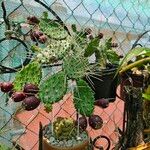
Opuntia decumbens
Care Guide
💧 Water
☀️ Light Full sun
Decumbens cactus, originally from dry areas, flourish in direct sunlight, as their native habitat is typically marked by bright sun and little shade. It does, however, tolerate partial sun, showcasing a degree of versatility in its development.
🌡️ Temperature 20–37.8°C
The decumbens cactus flourishes in hot climates and needs elevated temperatures during its growth period to stimulate its growth and metabolism. It thrives on lots of sunlight, the right amount of water, and proper airflow. Nonetheless, it's vulnerable to harm from extremely low temperatures and too much watering. It's crucial to find a balance and prevent extreme highs in temperature and excessively arid conditions too.
💨 Humidity
🪴 Soil 0-0
🌱 Fertilizer
For the decumbens cactus, it's enough to apply a light amount of fertilizer 1-2 times annually during its growth period. Refrain from fertilizing it during the winter and summer when it's in a dormant state. If the plant has been repotted, lower the amount of fertilizer and wait a few months post-repottting before you start fertilizing again. Providing fertilizer aids in robust growth and promotes blooming.
🪴 Pot & Repot
✂️ Pruning
🌿 Propagating
🐛 Diseases & pets
☠️ Toxicity
Characteristics
- Plant Type
- Succulent, Shrub
- Life Cycle
- Perennial
- Genus
- Opuntia
- Family
- Cactaceae
- Hardiness Zone
- 9-11
- Mature Height
- 49 cm to 91 cm
- Mature Spread
- 0.91 m to 2.13 m
- Leaf Color
- Green, Dark Green
- Leaf Type
- Evergreen
- Flower Color
- Yellow
- Flower Size
- 5.08 cm to 6.35 cm
- Bloom Time
- Summer, Early fall
- Planting Time
- Summer
- Harvest Time
- Late summer, Fall
- Native Area
- Honduras, Mexico, Guatemala, Nicaragua, Costa Rica, Panama