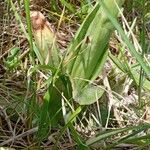
Orchis anthropophora
Man Orchid
Description
Source: leafsnapOrchis anthropophora (formerly Aceras anthropophorum), the man orchid, is a European species of orchid whose flowers resemble a human figure. The head is formed by the petals and sepals, and the suspended torso and limbs by the lobes of the labellum. It usually grows in calcareous grassland.
Care Guide
💧 Water
The Man orchid, native to the meadows of the Mediterranean, thrives in moist environments and is also drought-tolerant. To ensure optimal hydration without causing over-saturation, it should be watered weekly. Typically grown outdoors, this orchid benefits from natural rainfall during its active growing season, which promotes maximum health and vigor.
How should I water my Man orchid?
The way you water the Man orchid depends on whether it's in an active growth phase or not. During active growth, water the soil and occasionally water from above if it's warm. In winter or cool, wet weather, stick to direct soil watering. If the roots and leaves become dry or discolored, it needs more water. If it looks mushy and limp, it's getting too much water. Use a pot with good drainage and water multiple times per week during the growing season, ensuring that the water drains quickly. The size of the pot determines how often you water. Use rainwater or distilled water that matches the air temperature as closely as possible.
What should I do if I give my Man orchid too much water or too little water?
One common way to kill a Man orchid is by keeping it in overly moist soil for too long. While these plants require frequent watering during active growth, they also need well-draining soil. Overwatering can lead to root rot, causing the plant to become mushy. In such cases, it's important to use clean pruning shears to remove any rotted roots before repotting the orchid in a container with good drainage and fast-draining potting mix. However, excessive repotting may not be favorable for the Man orchid, so it's crucial to find the right balance when watering. If the orchid becomes underwatered, it will start to shrivel and feel dry to the touch. In these instances, increasing the watering frequency can help ensure the soil doesn't dry out too quickly.
How frequently should I give water to my Man orchid?
During the active growth stage, which happens in spring and summer, you should water your Man orchid once or twice a week. If it's hot and dry for a long time, increase watering to three times a week or more. In winter, water your Man orchid, but not as much. Water it two to three times a month to keep it alive during the coldest months. However, if you keep the orchid indoors in winter, be aware that indoor locations can dry out the soil faster than usual. This may mean you need to water it more frequently. In the fall, you can gradually reduce watering from multiple times a week to the reduced winter schedule.
What do I need to think about when watering my Man orchid during different seasons and growth stages?
When planning the watering schedule for your Man orchid, there are two important growth phases to consider. The first phase is the active growth period, which occurs in spring and summer. During this time, the plant needs to be watered multiple times per week. The second phase is the rest period, which lasts for about two to three months in winter. During this period, the Man orchid requires less water and fertilizer. It is recommended to water the plant only once or twice per month. In the fall, gradually reduce the watering frequency from multiple times per week to once or twice per month, which is appropriate for the winter season.
If I grow my Man orchid indoors, how should I water it differently?
The Man orchid thrives in a humid environment, which is a challenge to recreate indoors. This lack of moisture can cause the plant and its soil to dry out faster. To counter this, you can place a humidifier in the room where you grow your Man orchid. You may also need to increase watering frequency. However, while humidity is important, it's also crucial to have proper air circulation to prevent excessive moisture and diseases. Including a fan in the room will help maintain adequate air circulation.
☀️ Light Full sun
The man orchid needs plenty of sunlight to grow healthily. The island habitats where it comes from are especially known for intense sunlight. Because of its adaptability, it can also survive in areas with somewhat reduced sun. However, too much or too little light can hinder the plant's growth.
What are the sunlight requirements for Man Orchid (Orchis anthropophora)?
Man Orchid requires ample sunlight for healthy growth, thriving in environments with strong sunlight exposure typical of its native island environments. It needs above 6 hours of sunlight for full sun conditions and can also grow in partial sun, which is about 3-6 hours of sunlight. However, it's important to observe how sunlight moves through your garden to find the perfect spots that provide a balance of light and shade, ensuring the plant's well-being.
How can artificial lighting be used for Man Orchid indoors?
When natural sunlight is insufficient for Man Orchid, especially during winter or in less sunny spaces, artificial lighting provides a crucial alternative for optimal growth. LED lights are recommended because they can be adjusted to supply the specific wavelengths required by your plants. Full sun plants need 30-50W/sq ft of artificial light, partial sun plants need 20-30W/sq ft, and full shade plants need 10-20W/sq ft. The light source should be placed 12-36 inches above the plant to mimic natural sunlight, and most plants will need 8-12 hours of light daily.
What are the symptoms of insufficient or excessive light in Man Orchid?
Symptoms of light deficiency in Man Orchid include smaller new leaves, leggy or sparse growth, faster leaf drop, slowed or halted new growth, and pale or irregularly colored leaves indicating a lack of chlorophyll and essential nutrients. Excessive sunlight can lead to chlorosis (yellowing leaves), sunscald, leaf curling, wilting, and leaf scorching. These symptoms signify damage to the plant's ability to photosynthesize and maintain health.
What solutions can address Man Orchid's light-related issues?
To optimize Man Orchid's growth, gradually acclimate it to receive at least 6 hours of direct sunlight daily by moving it to sunnier locations each week. For indoor plants, especially those that are large or not easily movable, consider using artificial lighting for at least 8 hours daily or invest in professional plant grow lights. For outdoor plants, ensure a gradual adaptation to sunlight to prevent sunburn. Prune obstructions like tree branches to improve sunlight access or transplant smaller plants during their dormant periods to spots with better sunlight and drainage. Note that parts of the plant affected by poor light may not recover, but new growth will be healthy with improved light conditions.
🌡️ Temperature 15–32.2°C
Man orchid grows best in conditions that replicate its native habitat, with temperatures between 59 and 89.6 °F (15 to 32 ℃).
What are the ideal growth conditions for Man orchid?
Man orchid thrives best in environments that closely replicate its natural habitat, with ideal temperatures ranging between 59 to 89.6 °F (15 to 32 °C). The plant possesses a strong resistance to cold, which typically eliminates the need for special frost protection measures during the winter months. However, should the temperatures drop below -15°C, protective measures are recommended, such as covering the plant with soil or straw. To prepare for winter, it's advisable to water the plant thoroughly before the first freeze in autumn, helping to maintain moist soil through the winter and into early spring.
How does Man orchid react to low temperatures?
Man orchid is notably cold-tolerant, performing best when temperatures stay above 15°C. During the winter, it is crucial to keep the plant above -10°C. If temperatures fall below -15°C, while there may not be visible damage during the winter, the plant may exhibit reduced sprouting, or in some cases, fail to sprout at all come spring. To manage this, it is recommended to remove any non-sprouting parts in the spring.
What should be done if Man orchid experiences high temperatures?
In the summer, it is important to ensure that temperatures around the Man orchid do not exceed 32°C. Should temperatures rise above 35°C, the plant's leaves may begin to lighten in color, curl, become susceptible to sunburn, or in extreme cases, the plant may wilt and dry completely. To counter these effects, trim away the affected areas and relocate the plant to a shaded area, especially during midday and the afternoon, or utilize a shade cloth. Additionally, water the plant during the cooler morning and evening hours to keep the soil moist and help the plant stay hydrated.
💨 Humidity
🪴 Soil 6-7
🌱 Fertilizer
For the Man orchid, the primary time to apply fertilizer is in early spring while the flowers are forming. The correct fertilizer promotes improved blooms and helps the Man orchid produce attractive flowers. Fertilizing in early spring ensures excellent flowers during the season and supplies energy for dormant growth phases.
🪴 Pot & Repot
When repotting a man orchid, pick a pot that is only slightly bigger and has good drainage—ideally a clear orchid pot. Use an orchid-specific, well-draining substrate that includes bark or moss. Carefully clean the roots and cut away any that are dead or rotting. Repot after the plant has finished flowering, typically in spring or fall, water thoroughly, and position it in bright, indirect light. Once repotted, avoid disturbing the roots.
✂️ Pruning
The man orchid flourishes with careful pruning from early to late spring, which helps encourage healthy growth and blooming. Important techniques include removing spent flowers and damaged foliage, making sure to use clean cuts to prevent disease. Pruning also improves air circulation, reduces the risk of disease, and enhances the plant's overall vitality and visual appeal.
🌿 Propagating
🐛 Diseases & pets
☠️ Toxicity
Characteristics
- Plant Type
- Herb
- Life Cycle
- Perennial
- Genus
- Orchis
- Family
- Orchidaceae
- Hardiness Zone
- 7
- Mature Height
- 40 cm
- Mature Spread
- 30 cm
- Leaf Color
- Green, Blue
- Leaf Type
- Deciduous
- Flower Color
- Green, Yellow, Red, Brown
- Flower Size
- 1.27 cm to 1.52 cm
- Bloom Time
- Mid spring, Late spring
- Planting Time
- Spring, Summer
- Harvest Time
- Early summer, Mid summer
- Native Area
- Turkey, Tunisia, Montenegro, Cyprus, Greece, Croatia, Morocco, Serbia, Russia, Germany, Portugal, Italy, Spain, Switzerland, France, Albania, United Kingdom, Algeria, Belgium, Netherlands