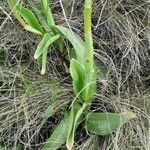
Orchis purpurea
Lady Orchid
Description
Source: leafsnapOrchis purpurea, the lady orchid, is a herbaceous plant belonging to the genus Orchis of the family Orchidaceae.
🌳 Lady orchid is highly prized in horticulture, particularly by orchid enthusiasts, because of its striking appearance and its rarity in the wild, which has driven a small but passionate market for cultivation. It is not generally known for broad practical uses, but its aesthetic appeal and the challenge of growing it make it a revered species among collectors who try to reproduce its specific growing conditions and preserve its beauty.
Care Guide
💧 Water
The lady orchid thrives in moist, well-drained soil, similar to its natural woodland habitat. While it does well in consistently humid conditions, it can tolerate brief periods of dryness. Weekly watering is crucial for maintaining proper hydration, particularly when grown indoors. During the active growing season, it's important to carefully monitor indoor humidity levels.
How should I water my Lady orchid?
The way you water your Lady orchid depends on its growth phase. During active growth, water both the soil and the leaves when the weather is warm. In winter or cool, wet weather, stick to watering the soil only. You can tell if the orchid needs more water if the roots and leaves become thin and dry or show discoloration. If you give the orchid too much water, it will become mushy and limp. Use a pot with good drainage and water multiple times per week during the growing season. The water should quickly drain through the potting mix to avoid standing water. The amount of water needed depends on the pot size, with larger pots needing water less frequently. Use rainwater or distilled water, matching the water temperature to the air as closely as possible.
What do I do if I give my Lady orchid too much or too little water?
To keep your Lady orchid healthy, it's important to avoid keeping the soil too wet for too long. While these plants require frequent watering while they're actively growing, they also need well-draining soil. Overwatering can cause the plant to become mushy and develop root rot. If this happens, you can use sterile pruning shears to remove any rotted roots and then repot the orchid in a container with good drainage and fast-draining potting mix. However, the Lady orchid doesn't respond well to frequent repotting, so it's essential to find the right watering balance. If you notice the orchid starting to shrivel and feel dry, it may be underwatered. In this case, you should increase the frequency of watering as the soil is drying out faster than expected.
How often should I give water to my Lady orchid?
During the active growth stage in the spring and summer months, you should water your Lady orchid once or twice a week. If the weather is hot and dry for a long time, you may need to increase watering to three times a week or more. In the winter, you still need to water your Lady orchid, but not as much. Watering two to three times a month should be enough to keep it alive during the coldest months. However, if you keep your Lady orchid indoors during winter, be aware that indoor locations can dry out the soil faster, so you may need to water more often. In the fall, gradually reduce watering from multiple times a week to the reduced winter schedule.
What do I need to think about when I water my Lady orchid in different seasons and when it's growing?
To properly water your Lady orchid, it's important to consider two significant growth phases. The first phase is the active growth period, which occurs in spring and summer. During this time, you should water the plant multiple times per week. The second phase is the rest period, which happens during winter for about two to three months. During this period, the Lady orchid requires much less water and fertilization than usual. You should water the plant about once or twice per month during winter. To transition from the active growth period to the rest period, gradually reduce the watering frequency from multiple times per week in the fall to the appropriate once or twice per month rate for winter.
How do I need to water my Lady orchid if I keep it indoors?
The Lady orchid needs a relatively humid environment to thrive. Unfortunately, most indoor locations do not have enough moisture in the air for this plant. As a result, the plant and its soil dry out faster indoors compared to outdoors. To solve this issue, it is recommended to use a humidifier in the room where you grow your Lady orchid. You may also need to water it more often. However, it is important to note that while Lady orchids prefer humidity, they also require good air circulation to prevent excessive moisture and diseases. To ensure proper air circulation, you should consider using a fan in the room where you grow the plant.
☀️ Light Full sun
Lady orchid flourishes in full sun and can also grow in partly sunlit spots. It comes from habitats where sunlight is abundant, which supports its health and vigorous growth. Too little or too much light can impede its development or cause stress to the plant.
What are the sunlight requirements for a Lady orchid (Orchis purpurea)?
Lady orchid (Orchis purpurea) requires full sun, which means it needs above 6 hours of sunlight daily, but it can also grow in partial sun, receiving about 3 to 6 hours of sunlight. Observing the movement of sunlight through your garden is crucial to find spots that offer a perfect balance of light and shade, ensuring the plants' optimal growth and happiness.
How does sunlight influence the growth of Lady orchid?
Sunlight plays a significant role in the growth of Lady orchid. Originating from ecosystems abundant in sunlight, it thrives under ample rays but can also manage in partially sunlit areas. The right amount of sunlight contributes to its health and robust growth, while a lack or excess of sunlight may hinder its development or cause stress to the plant.
What solutions exist for Lady orchids that don't get enough natural sunlight?
For Lady orchids not receiving sufficient natural sunlight, especially during winter or in less sunny spaces, artificial lighting serves as an essential solution. LED lights, due to their ability to provide specific wavelengths needed for plant growth, are recommended. For full sun plants, 30-50W/sq ft of artificial light is needed, partial sun plants require 20-30W/sq ft, and full shade plants need 10-20W/sq ft. Positioning the light source 12-36 inches above the plant and mimicking natural daylight hours, with most plants needing 8-12 hours of light per day, can promote healthier, faster growth.
What symptoms indicate insufficient lighting for Lady orchid?
Symptoms of insufficient lighting for Lady orchid include small leaves, leggy or sparse growth, faster leaf drop, slower or no new growth, lighter-colored new leaves, chlorosis (yellowing leaves due to the breakdown of chlorophyll), sunscald, leaf curling, wilting, and leaf scorching. These symptoms signify the plant's struggle in low-light conditions, which can lead to a delay in growth or even damage to the plant's overall health.
How can I help my Lady orchid adapt to the right light conditions?
To adapt your Lady orchid to the right light conditions, gradually move it to a sunnier location each week if it requires more sunlight, ensuring at least 6 hours of direct sunlight daily for optimal growth. For indoor plants, using desk or ceiling lamps for at least 8 hours daily or professional grow lights can provide additional light. Outdoors, avoid sudden changes to prevent sunburn. If sunlight is blocked, prune or transplant to minimize obstructions and provide enough sunlight. Note that parts of the plant damaged by insufficient sunlight may not recover, but with proper light exposure, new growth will be healthy.
🌡️ Temperature 5–25°C
Lady orchid originates from temperate climates and needs temperatures between 41 and 77 °F (5 to 25 °C) to thrive. When seasonal temperatures fluctuate, its surrounding temperature may need to be adjusted to mimic its native environment.
What is the native climate for Lady Orchid, and what temperature range does it thrive in?
The Lady Orchid, or Orchis purpurea, is native to temperate climates and flourishes within a temperature spectrum of 41 to 77 °F (5 to 25 °C). To ensure optimal growth, it may be necessary to adjust the surrounding temperature during seasons with varying climates to closely replicate its natural habitat.
How should Lady Orchid be cared for during winter?
Lady Orchid is remarkably cold-tolerant and does not require special frost protection measures in the winter. However, it is wise to water the plant generously before the first freeze of autumn. This ensures the soil remains moist as it enters a frozen state, which helps in preventing drought and water scarcity for the plant during the colder months and into early spring.
What should be done if the temperature drops below -25°C for a Lady Orchid?
While Lady Orchid is extremely cold-tolerant, winter temperatures should be kept above -25°C. If temperatures fall below this benchmark, the plant may not show immediate damage, but there's a risk of decreased sprouting or even a complete lack of sprouting in spring. If this occurs, any parts of the plant that have failed to sprout by spring should be removed.
How does high temperature affect Lady Orchid and what should be done?
Lady Orchid is sensitive to high temperatures; growth will halt and the plant becomes prone to rot if the temperature climbs above 25°C. To mitigate heat stress, sunburned and dried-up parts of the plant should be trimmed away. Additionally, moving the plant to a shaded location or using a shade cloth can protect it from harsh midday and afternoon sun. Keeping the soil moist by watering in the morning and evening is also beneficial.
💨 Humidity high (>60%)
This plant needs special care because it loves high humidity levels of 60-80% or more. The best way to achieve this is by placing a humidifier near the plant. Daily misting is also essential! Make sure the room has good ventilation.
🪴 Soil 6-7
🌱 Fertilizer
The best time to fertilize a Lady orchid is in early spring, as it comes out of dormancy and starts active growth. Fertilizing supplies essential nutrients for healthy development. Although the Lady orchid has relatively low fertilizer requirements, applying fertilizer once a year can improve its survival and encourage better, longer-lasting flowers.
🪴 Pot & Repot
✂️ Pruning
To encourage healthy growth, prune lady orchids from early to late spring. Remove any dead stems and old blooms to promote better flowering. Making clean cuts helps prevent infection, and regular pruning improves the plant's size, airflow, and appearance. Always use sterilized tools for the best results.
🌿 Propagating
🐛 Diseases & pets
☠️ Toxicity
Orchis purpurea has no toxic effects reported.
Characteristics
- Plant Type
- Herb
- Life Cycle
- Perennial
- Genus
- Orchis
- Family
- Orchidaceae
- Hardiness Zone
- 5
- Mature Height
- 30 cm to 91 cm
- Mature Spread
- 20 cm to 30 cm
- Leaf Color
- Dark Green
- Leaf Type
- Deciduous
- Flower Color
- Purple, Pink
- Flower Size
- 5.08 cm to 20.32 cm
- Bloom Time
- Late spring, Early summer
- Planting Time
- Spring, Summer
- Harvest Time
- Early summer, Mid summer