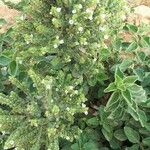
Origanum heracleoticum
Origanum · Winter Sweet-marjoram
Care Guide
💧 Water
☀️ Light Full sun
Greek oregano hails from sun-drenched habitats, like open fields and sunny meadows. It thrives best in full sunlight but can also withstand areas of partial sun.
🌡️ Temperature 5–37.8°C
Greek oregano prefers temperate climates, much like conditions humans typically find agreeable. It performs best in environments that are not excessively hot or cold. Exposure to excessive heat increases the plant's susceptibility to sunburn, hence during summer periods, it's recommended to shield it from extreme heat by providing some shade. When the temperatures decrease, Greek oregano goes into dormancy. If the aim is to keep the plant growing throughout the year, warmer temperatures must be ensured during the winter months. The plant can be harmed by frost, so it's essential to steer clear of it.
💨 Humidity
🪴 Soil 6-8
🌱 Fertilizer
For optimal yield and taste of Greek oregano, make sure there's plenty of nitrogen present throughout the growing phase, including before planting and during harvest. Plants that are well-hydrated and properly fertilized yield plentiful, robust leaves and help reduce bitterness. Before planting, enhance the soil with organic substances such as compost or manure, preferably 2 to 8 weeks ahead.
🪴 Pot & Repot
✂️ Pruning
🌿 Propagating
🐛 Diseases & pets
☠️ Toxicity
Characteristics
- Plant Type
- Herb
- Life Cycle
- Perennial
- Genus
- Origanum
- Family
- Lamiaceae
- Hardiness Zone
- 5-11
- Mature Height
- 15 cm
- Mature Spread
- 30 cm
- Leaf Color
- Green
- Leaf Type
- Semi-evergreen
- Flower Color
- White
- Flower Size
- 0.51 cm to 0.76 cm
- Bloom Time
- Summer, Early fall
- Planting Time
- Spring, Summer, Autumn
- Harvest Time
- Late summer, Fall
- Native Area
- Italy, Turkey, Greece