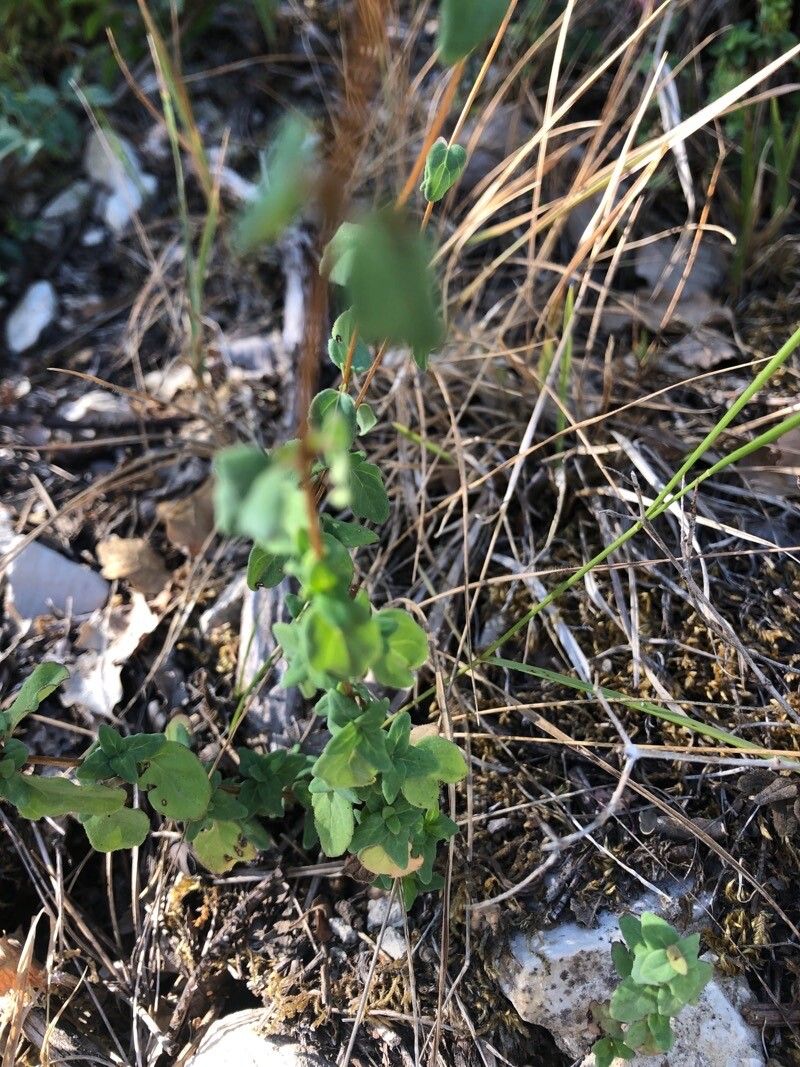
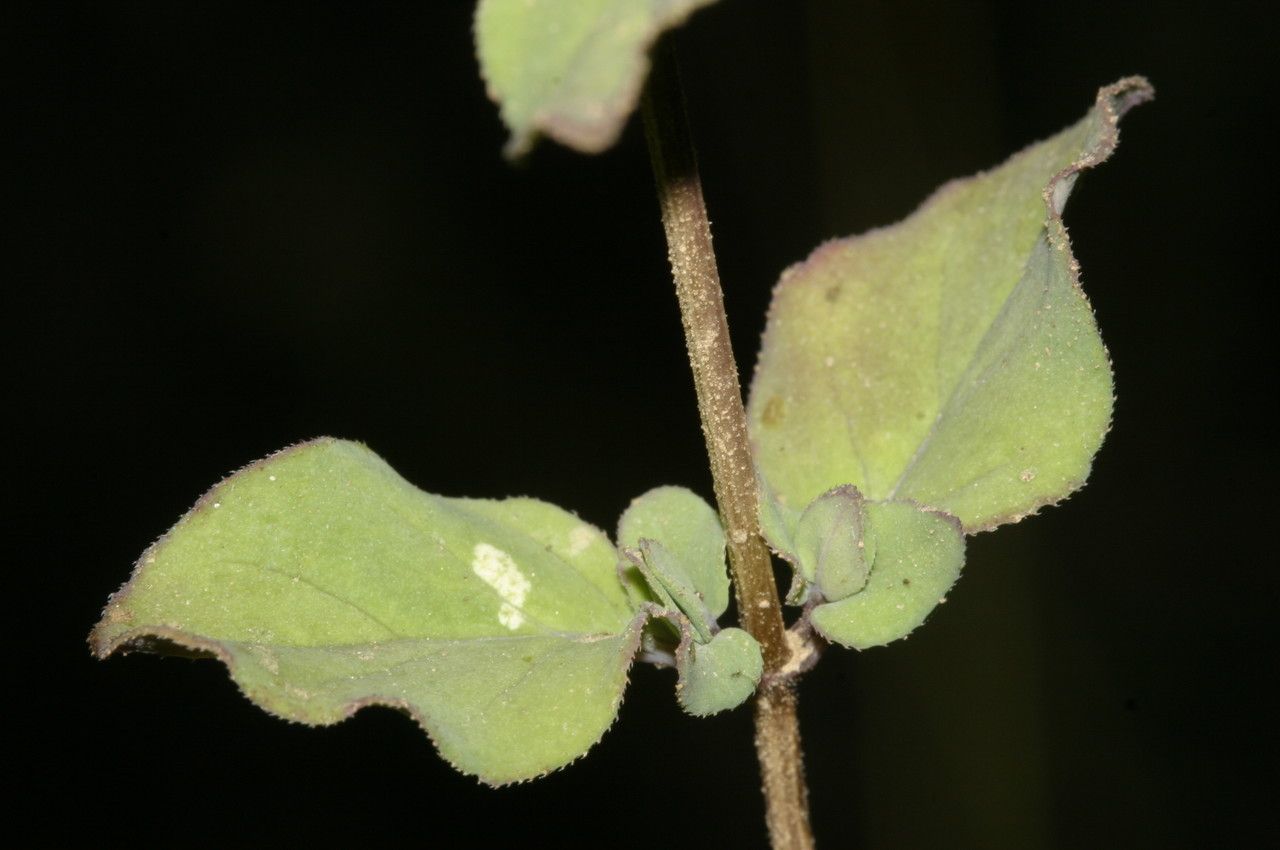
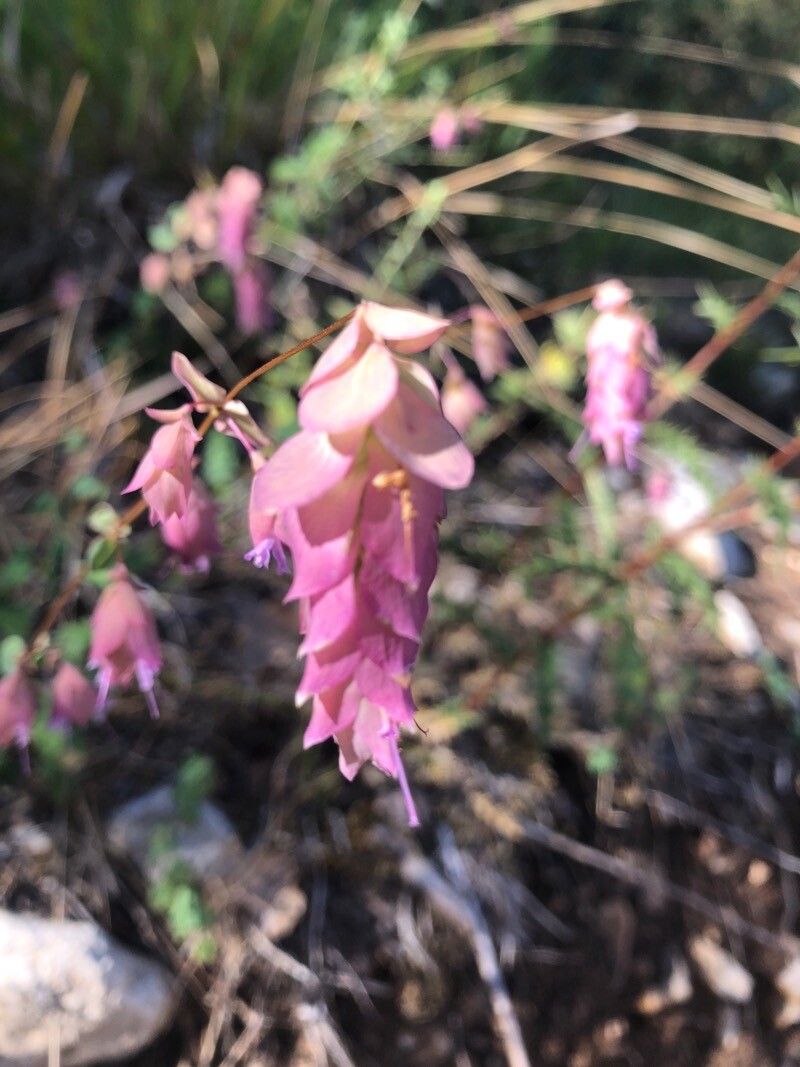
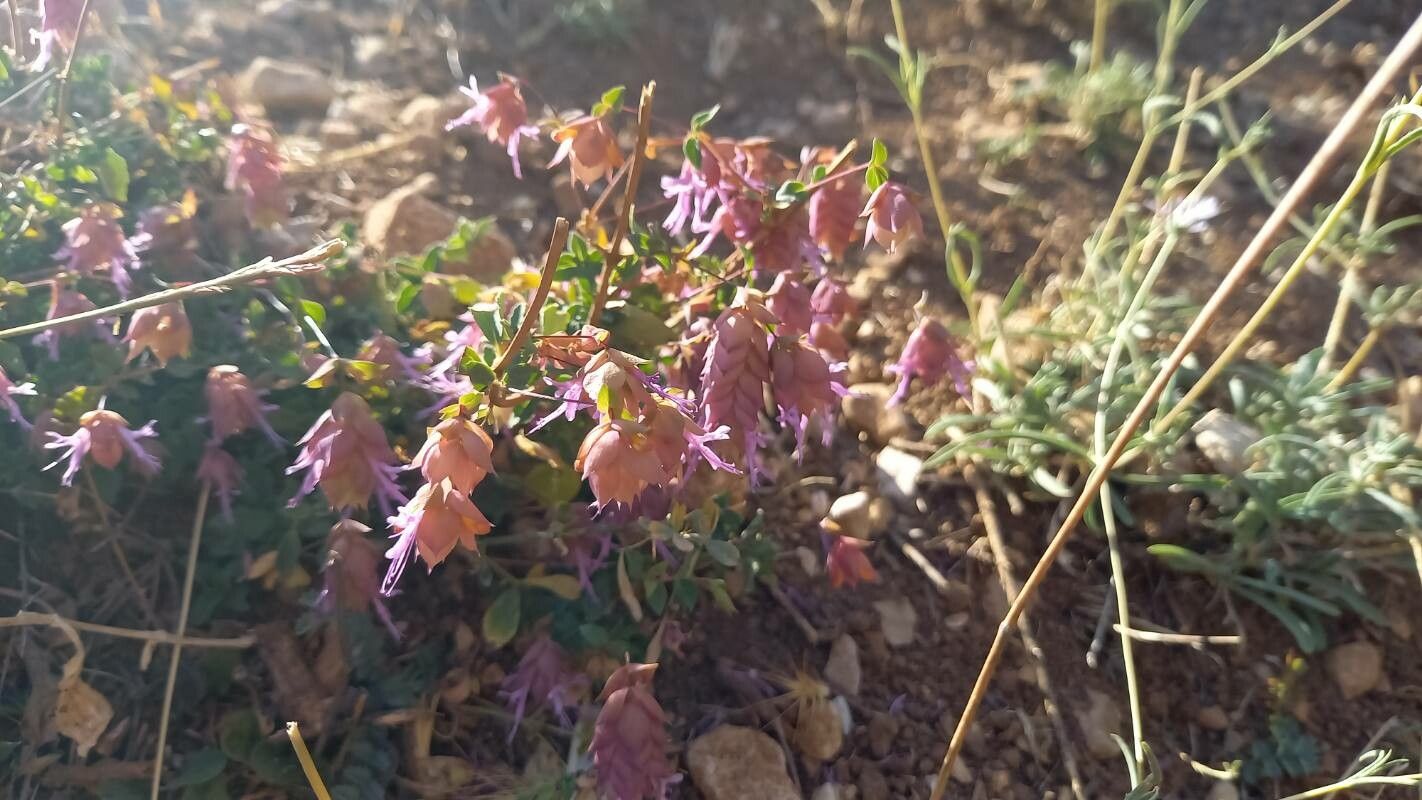
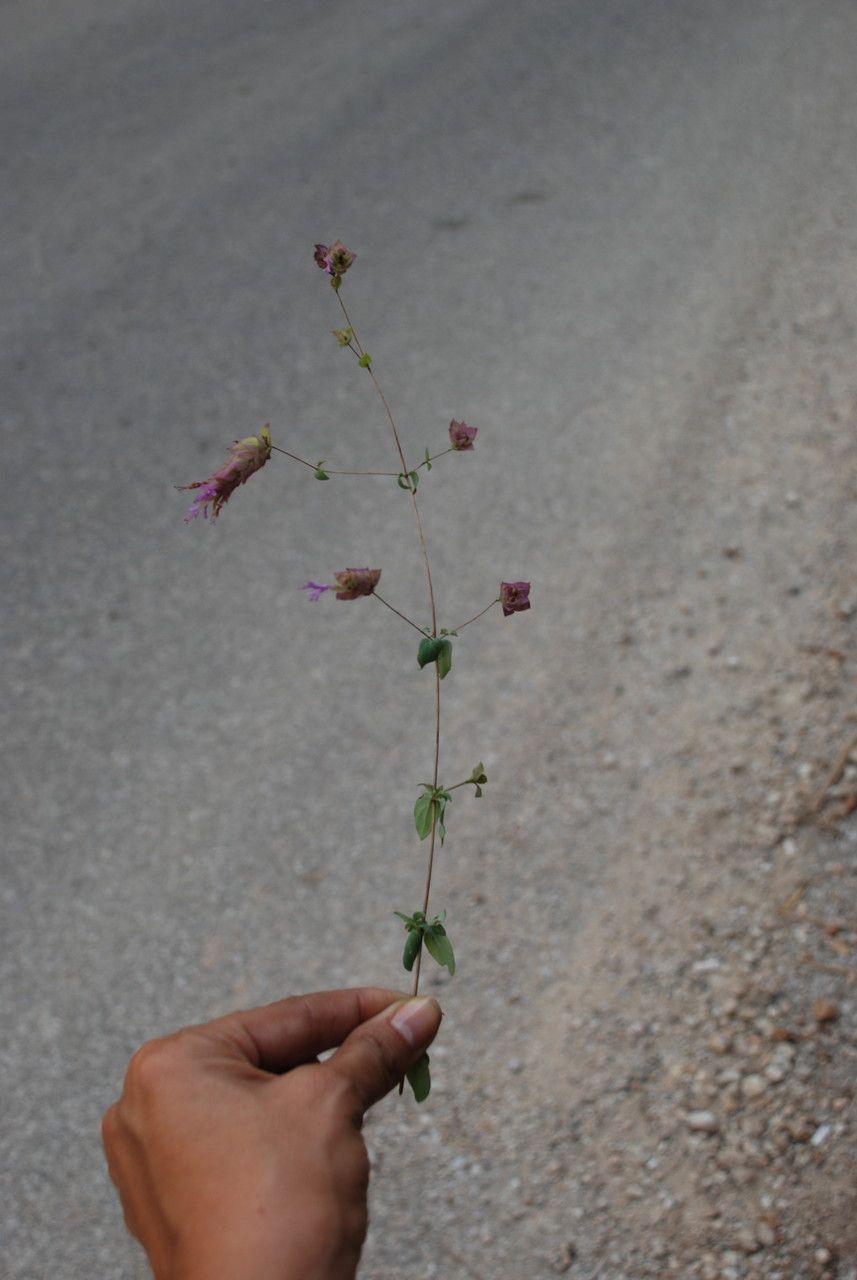
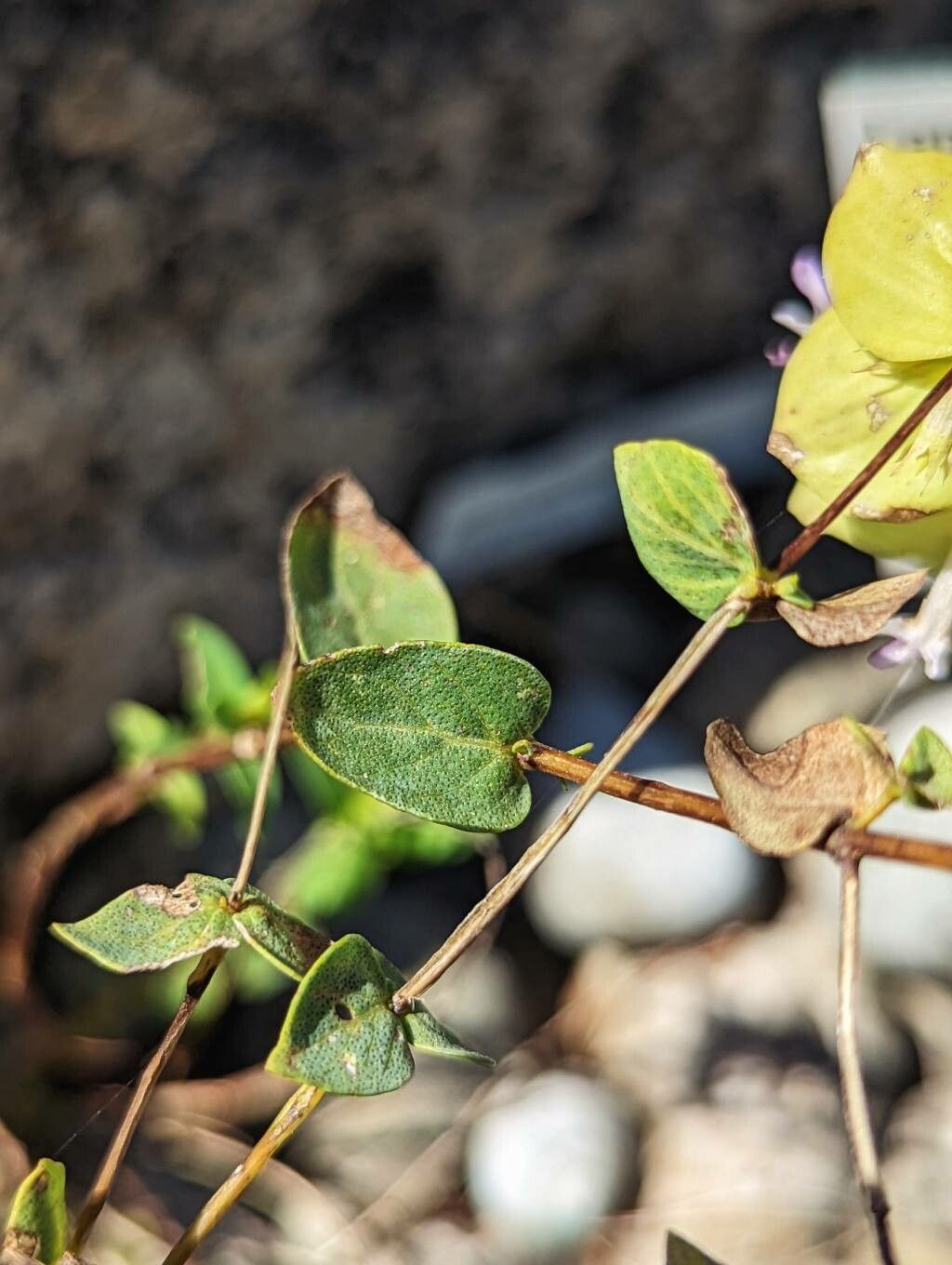
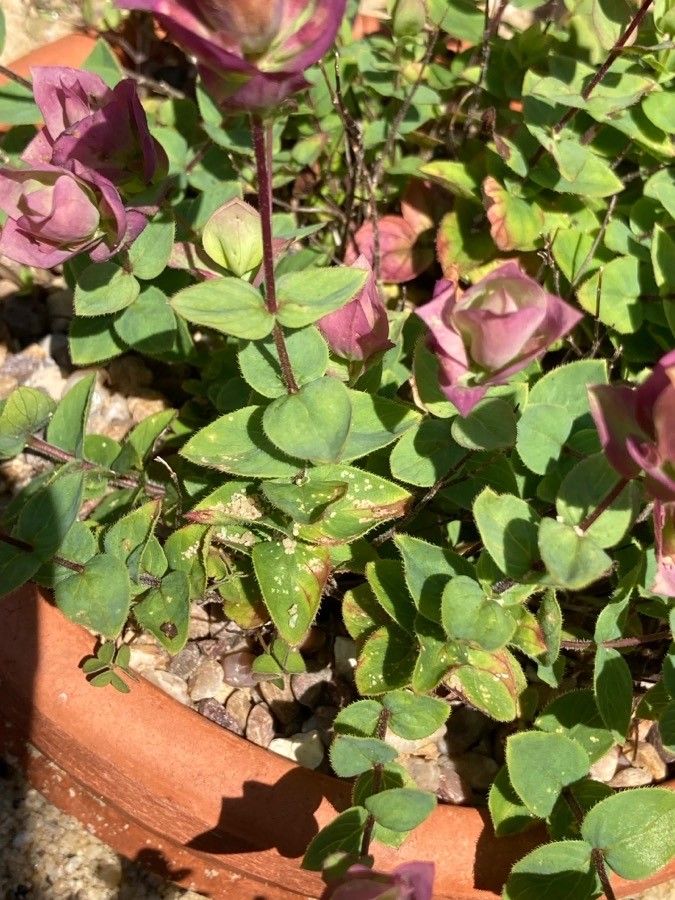
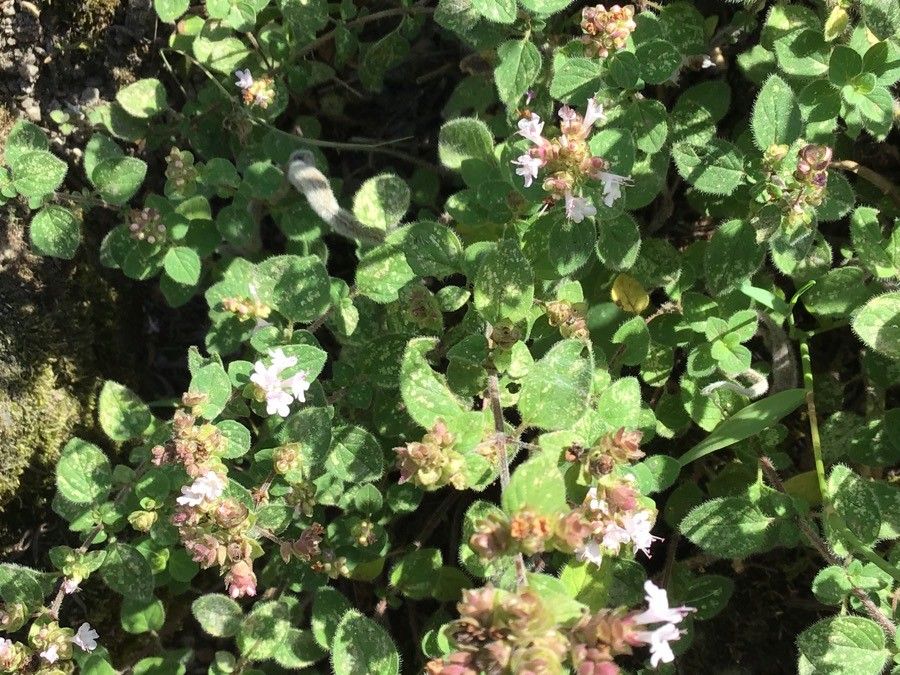
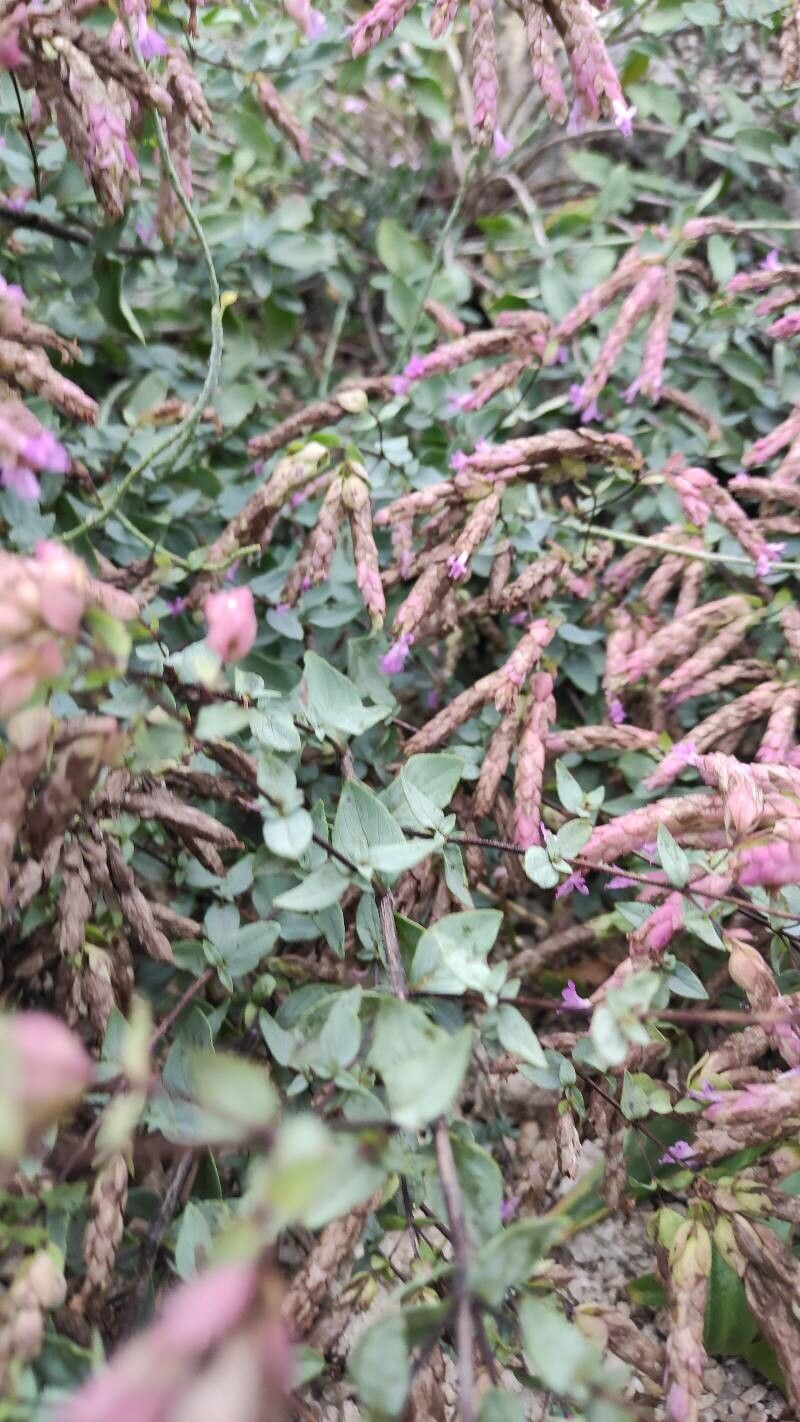
Origanum libanoticum, commonly known as Lebanese oregano, is a perennial herb that belongs to the mint family. Native to the Mediterranean region, it thrives in rocky and dry areas. This plant features a woody stem that can grow up to 60 centimeters in height and produces small white or pink flowers during the summer months.
The leaves of Origanum libanoticum are highly aromatic and are widely used as a culinary herb in Mediterranean cuisine. They have a robust flavor that is similar to oregano but with slightly sweeter undertones. In addition to its culinary uses, the plant has medicinal properties. Its essential oil is known for its antiseptic, anti-inflammatory, and antioxidant qualities.
For optimal growth, Origanum libanoticum requires well-drained soil and full sun exposure. It can be propagated through seeds or cuttings during the spring or autumn months. Once established, the plant demands minimal care but should be pruned regularly to encourage bushier growth.
Overall, Origanum libanoticum is an attractive herb that not only enhances the flavor of dishes but also offers numerous health benefits. It makes an excellent addition to any garden or kitchen windowsill!
How to keep Origanum Libanoticum.
Water
Origanum libanoticum is native to the eastern Mediterranean region. It thrives in well-drained soil with moderate moisture. While it is drought-tolerant, it benefits from weekly watering and is usually grown outdoors, where it can take advantage of natural rainfall. Its growth cycle is closely aligned with the seasonal availability of water.
Pruning
Origanum libanoticum is a cascading herb known for its aromatic leaves and delicate flowers. To keep it healthy and well-shaped, prune it in early spring before new growth begins. Focus on removing dead stems and any leggy growth. This will help maintain its shape, improve air circulation, and reduce the risk of disease. Be sure to use clean, sharp tools for the best results.
Botanical profile.
Other names.