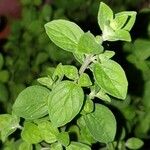
Origanum majorana
مرزنگوش · پوت مرجان · Marjoram · Pot marjoram · Sweet marjoram
Description
Source: leafsnapOriganum majorana, commonly known as sweet marjoram, is a perennial herb from the mint family. Native to the Mediterranean region, it has been cherished for centuries in both cooking and traditional medicine. The plant features small, oval-shaped leaves that are gray-green in color and produces small white or pink flowers during the summer. Sweet marjoram is celebrated for its aromatic properties and sweet, slightly spicy flavor, making it a popular ingredient in numerous dishes. It can be used either fresh or dried to season meats, vegetables, soups, stews, and sauces. In traditional medicine practices worldwide, including Ayurveda (Indian medicine), sweet marjoram has been used to treat various ailments such as digestive issues like bloating or constipation, respiratory problems like coughs, menstrual cramps, insomnia, and anxiety. The plant thrives in well-drained soil with full sun exposure but can also tolerate partial shade. Growing up to 2 feet tall with a similar spread, it is an ideal choice for container gardening on balconies or patios. Overall, Origanum majorana is an easy-to-grow herb with numerous culinary and medicinal uses, making it a favorite among gardeners who enjoy cultivating their own herbs at home.
💡 Sweet marjoram, a herb with a much sweeter flavor than oregano, can be used in a variety of savory dishes, such as meats, stews, and soups. In ancient times, the Greeks and Romans saw marjoram as a symbol of happiness. Newlyweds would wear garlands of marjoram on their heads to represent love and joy. Even in death, marjoram held significance; it was often placed on gravesites as a symbol of hope for a peaceful afterlife.
🌳 Although best known for its culinary uses, sweet marjoram's roles in ecosystems are often ignored. This aromatic perennial provides an important nectar source for many pollinators, including bees, butterflies, and other beneficial insects. Its thick foliage gives shelter and suitable breeding habitat for garden fauna, supporting biodiversity. Additionally, sweet marjoram was used in traditional storage practices to protect clothing and linens from insects because of its scent, acting as a natural deterrent and pleasantly fragrancing them — a custom that has waned with modern advancements.
🎭 Joy
Care Guide
💧 Water Every 7 days
Sweet marjoram flourishes in conditions similar to the Mediterranean, characterized by moderate humidity and occasional dry spells. This drought-tolerant herb requires watering once a week, with deep watering preferred. It's important to let the soil dry out slightly between watering sessions. Sweet marjoram favors well-draining soil, making it an excellent choice for container gardening, which helps prevent root rot.
How should I water my Sweet marjoram plant?
To properly water Sweet marjoram, it is best to use filtered water at room temperature. Tap water may have harmful particles, so filtering it is preferable. The water should not be cold, as the plant is accustomed to warm environments and cold water can be a shock. Avoid watering the plant from above, as this can cause problems with the leaves. Instead, slowly pour the filtered room temperature water onto the soil until it is fully soaked. This benefits the plant by moisturizing the roots and aiding in the absorption of nutrients.
What should I do if I give my Sweet marjoram too much or too little water?
Both overwatering and underwatering can harm the health of your Sweet marjoram plant, but overwatering is more common. When overwatered, the plant's stems and leaves may wilt and turn yellow. Overwatering for a long time can also lead to diseases like root rot, mold, and mildew that can kill the plant. Underwatering is less likely, as Sweet marjoram can tolerate drought. However, if underwatered, the leaves may become brittle and brown. It's important to notice signs of overwatering early on. Some diseases caused by overwatering may be irreversible if not addressed promptly. Reduce watering if you notice early signs of overwatering, and check the soil drainage. Replace poorly draining soil with a loose, well-draining potting mix. If signs of underwatering are present, water the plant more regularly until the signs improve.
How frequently should I give water to my Sweet marjoram plant?
If your Sweet marjoram is in a pot, the most precise way to determine if it needs water is by checking the soil. Stick your finger into the soil and if the top two to three inches are dry, it's time to water it. If you have Sweet marjoram growing outdoors in the ground, you can use a similar method to test the soil. Once again, if you find that the top few inches of soil are dry, it's time to water. Typically, during spring and early fall, you'll need to water this plant about once a week using this method. However, when it's extremely hot, you may need to increase watering to twice a week or more. It's worth noting that mature and well-established Sweet marjoram can handle drought quite well.
How much water does my Sweet marjoram plant require?
When watering your Sweet Marjoram, it's important not to hold back on the amount of water you give. Checking the top two to three inches of soil, you'll want it to be dry before watering. It's best to give a thorough, deep watering to completely saturate the soil. Make sure to add enough water so that it flows out of the drainage holes in the pot. If you don't see excess water draining, you haven't given enough water. However, be careful not to let water accumulate in the soil, as it can be harmful to the plant. On the other hand, if water isn't draining properly, it may indicate poor soil drainage, which can be detrimental to the health of the plant. If the plant is outdoors, receiving about 1 inch of rain per week should be sufficient.
When should I water my Sweet marjoram as it grows?
The water needs of Sweet marjoram can vary depending on its growth stages. In the early years or after transplanting, it requires more water due to the focus on root development. These young roots need extra moisture to support future growth. As the plant matures, it will require less water. Additionally, during the bloom period, the plant may need additional water to support flower development.
☀️ Light Full sun
Sweet marjoram performs best with a considerable amount of daytime sunlight, although it can cope with somewhat less. Ideally, it needs 6–8 hours of adequate sun each day. Insufficient sun can hinder its growth, whereas too much exposure can damage its leaves.
What are the sunlight requirements for Sweet Marjoram?
Sweet Marjoram needs a significant amount of sunlight to thrive, ideally 6-8 hours of good sun exposure daily. It can survive with slightly less light but limited sunlight could impede its growth, and overexposure may damage its foliage. There are generally two conditions to consider: full sun, which is above 6 hours of sunlight, and partial sun, about 3-6 hours of sunlight. Observing how sunlight moves through your garden will help you choose spots that offer a perfect balance for your plants.
How can I use artificial lighting for Sweet Marjoram indoors?
Indoor Sweet Marjoram requires adequate lighting, especially when natural sunlight is insufficient. Artificial lights, like LEDs that can be customized to specific wavelengths, are essential for promoting healthy growth. The requirements vary based on the type of plant: full sun plants need 30-50W/sq ft, partial sun plants need 20-30W/sq ft, and full shade plants require 10-20W/sq ft of artificial light. The light source should be placed 12-36 inches above the plant, and the duration should mimic natural daylight hours, typically 8-12 hours per day.
What are the symptoms of inadequate lighting for Sweet Marjoram?
Symptoms of light deficiency in Sweet Marjoram may include smaller new leaves, leggy or sparse growth, faster leaf drop, slower or no new growth, lighter-colored new leaves, chlorosis, sunscald, leaf curling, wilting, and leaf scorching. Each symptom signifies different aspects of light deficiency, from inadequate sunlight causing poor growth and development to excessive sunlight resulting in damage to the foliage.
What solutions are available for Sweet Marjoram suffering from poor lighting conditions?
To combat poor lighting conditions for Sweet Marjoram, consider gradually moving plants to sunnier spots to receive at least 6 hours of direct sunlight daily. Utilize south-facing windows and keep curtains open for maximum exposure. If outdoor or ground-planted and not easily movable, reduce obstructions by pruning trees or bushes that block sunlight, and consider transplanting smaller plants to well-lit areas during their dormant period. For indoor plants large or not easily movable, using artificial light like desk or ceiling lamps for at least 8 hours daily, or investing in professional grow lights, can provide the necessary light exposure.
🌡️ Temperature 10–35°C
Sweet marjoram is native to areas where temperatures range from 68 to 95 °F (20 to 35 ℃). It prefers these warmer conditions. In cooler seasons, it is advisable to move sweet marjoram to a slightly warmer environment to mimic its preferred temperature regime.
What are the ideal temperature conditions for growing Sweet Marjoram?
Sweet Marjoram thrives in environments where temperatures range between 68 to 95 °F (20 to 35 °C), preferring warmer climates. It has a strong resistance to cold and typically doesn't require special frost protection. However, if winter temperatures are expected to drop below the plant's cold tolerance threshold, it's important to protect it from the cold by covering it with soil or straw and watering abundantly before the first freeze in autumn to ensure the soil stays moist and prevents drought and water scarcity during winter and early spring.
How do I care for Sweet Marjoram in low temperatures?
Sweet Marjoram is cold-tolerant and performs best when temperatures stay above its minimum growth threshold. During winter, maintaining temperatures above this minimum is crucial. If temperatures fall below the plant's growth limit, you may not observe noticeable changes immediately, but there could be a decrease in sprouting or even no sprouting in spring. In such cases, it's advisable to remove any parts of the plant that have failed to sprout come spring.
What should I do if Sweet Marjoram experiences high temperatures?
In the summer, ensure Sweet Marjoram remains below its maximum temperature tolerance to avoid stress. Exceeding this temperature can lead to leaves becoming lighter, prone to curling, susceptible to sunburn, and, in severe cases, causing the plant to wilt and dry out. To mitigate these issues, trim away sunburned and dry parts, move the plant to a shaded area or use a shade cloth to protect it from midday and afternoon sun. Additionally, water the plant in the morning and evening to maintain soil moisture.
💨 Humidity normal (40-60%)
This plant will thrive in moderate humidity, which is probably the level in your home. However, misting it a few times a week can be very beneficial. Make sure the room has good ventilation.
🪴 Soil 6-7
🌱 Fertilizer
To maximize the yield and flavor of Sweet marjoram, supply adequate nitrogen throughout the entire growth cycle, including pre-planting and at harvest. Well-watered, properly fertilized plants produce plentiful, healthy leaves and reduce bitterness. Before planting, improve the soil with organic matter such as compost or manure, ideally 2 to 8 weeks prior.
Why should I put fertilizer on my Sweet marjoram plant?
Fertilization is important for the Sweet marjoram because it provides essential nutrients for the plant's growth above and below ground. Although the Sweet marjoram doesn't require much fertilization, it can greatly benefit from it. While the plant can survive without fertilization, annual fertilization is highly beneficial as it promotes better flower growth and longevity. Therefore, those who want their Sweet marjoram to thrive should continue with regular fertilization.
When should I fertilize my Sweet marjoram?
For optimal results, it is recommended to fertilize Sweet marjoram in the late winter to early spring when it is transitioning from dormancy to active growth. Fertilizing at this time promotes healthy growth and sets the plant up for a successful season. Although fertilizing Sweet marjoram in the fall is acceptable, it is not advised to feed the plant during the summer and winter seasons.
When is it not a good idea to fertilize my Sweet marjoram?
To properly fertilize your Sweet marjoram, it is important to note that the best time is during late winter and early spring. This plant has low fertilization needs, so a single annual feeding is sufficient. Overfertilizing during spring, summer, and fall can cause complications, unless you did not fertilize in spring, in which case it is acceptable to feed in fall. It is unnecessary to fertilize during winter as the Sweet marjoram is in a dormant phase and does not produce new growth. Therefore, fertilizing during most of winter is not recommended.
What kind of fertilizer does my Sweet marjoram plant need?
You can use any general-purpose fertilizer with a balanced mix of the three main plant nutrients for Sweet marjoram. However, there are some nutrient blends that may be even more beneficial. Many gardeners believe that higher amounts of phosphorus lead to stronger roots and better flowers. Since Sweet marjoram is a flowering plant, using a fertilizer rich in phosphorus may be the best option. It doesn't matter if the fertilizer is granular or liquid, as long as it contains plenty of nutrients. In addition to manufactured fertilizers, you can also improve the soil for Sweet marjoram using organic methods such as compost and manure. These materials will help create a healthy growing medium for your Sweet marjoram.
How should I fertilize my Sweet marjoram?
To fertilize a Sweet marjoram, the most common method is to use a granular or pellet fertilizer. It's important to fertilize when the plant is transitioning from winter dormancy to active growth. In early spring, wait for shoots to emerge from the soil before applying fertilizer. Alternatively, you can use liquid fertilizer, which should be diluted with water before application. Remember to moisten the soil before, during, and after applying fertilizer, regardless of the type used.
🪴 Pot & Repot 2-3 years
To encourage healthy growth, repot sweet marjoram every 2 to 3 years during the spring. Choose a pot that is slightly larger than the current one, and keep the soil consistently moist. Avoid fertilizing the plant for a month after repotting to allow the roots to recover. These steps help ensure robust development and prevent stress on the roots.
✂️ Pruning
Sweet marjoram benefits greatly from regular pruning, which promotes bushiness and enhances the plant's overall health. The main techniques include pinching off new growth and removing dead stems, ideally from early to late spring. Using clean, sharp shears is crucial to prevent damage and to boost leaf production, which is particularly important for culinary purposes.
🌿 Propagating
🐛 Diseases & pets
☠️ Toxicity
Characteristics
- Plant Type
- Herb
- Life Cycle
- Perennial, Annual, Biennial
- Genus
- Origanum
- Family
- Lamiaceae
- Hardiness Zone
- 6-9
- Mature Height
- 30 cm to 61 cm
- Mature Spread
- 30 cm to 61 cm
- Leaf Color
- Green, Gray, Silver
- Leaf Type
- Deciduous
- Flower Color
- White, Pink
- Flower Size
- 2.54 cm
- Bloom Time
- Late spring, Early summer, Mid summer
- Planting Time
- Spring
- Harvest Time
- Mid summer
- Native Area
- Cyprus, Yemen, Turkey, Pakistan