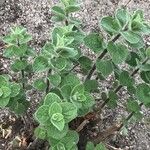
Origanum syriacum
Biblical-hyssop · Lebanese oregano · Syrian oregano
Description
Source: leafsnapOriganum syriacum, also known as Syrian oregano or za'atar, is a perennial herb from the mint family. Native to the Middle East and Mediterranean regions, it has been used for centuries in both culinary and medicinal applications. The plant can grow up to 60 cm tall and features small, oval-shaped leaves that are gray-green in color. During the summer months, it produces clusters of pink or purple flowers. Syrian oregano boasts a strong aroma and flavor reminiscent of thyme, with hints of mint and citrus. It is a staple in Middle Eastern cuisine, frequently used in za'atar spice blends along with sesame seeds, sumac, salt, and other herbs. Beyond its culinary uses, Syrian oregano has been traditionally employed for medicinal purposes, such as alleviating digestive issues like bloating and indigestion. Recent studies suggest that it may possess anti-inflammatory properties, potentially offering benefits for conditions such as arthritis. In summary, Origanum syriacum provides both culinary and potential health benefits, making it a valuable addition to any herb garden or kitchen pantry.
Care Guide
💧 Water Every 7 days
Biblical hyssop thrives in Mediterranean climates and is well-suited for drought conditions. It prefers dry soil but does need occasional watering. For the best growth, water it weekly. When grown outdoors, biblical hyssop benefits from natural rainfall, which enhances its growth during different seasons and improves its aromatic qualities.
☀️ Light Full sun
Biblical-hyssop is native to habitats that receive plentiful sunlight, such as open fields and sunny meadows. It prefers full sun but can also tolerate partial sun.
🌡️ Temperature 10–35°C
Biblical-hyssop prefers moderate temperatures, similar to the range people usually find comfortable. It does best in conditions that are neither extremely hot nor very cold. The main problem in hot weather is sunburn, so giving it some shade in summer is recommended to prevent excessive heat. When temperatures decline, Biblical-hyssop becomes dormant. If continuous growth is wanted, warmer conditions must be maintained through the winter. Frost can injure the plant and should be avoided.
💨 Humidity
🪴 Soil 6-8
🌱 Fertilizer
To maximize the yield and flavor of Biblical-hyssop, provide sufficient nitrogen throughout the entire growth period, from before planting through harvest. Well-watered, properly fertilized plants develop plentiful, healthy leaves and exhibit less bitterness. Before planting, amend the soil with organic matter such as compost or manure, ideally 2 to 8 weeks beforehand.
🪴 Pot & Repot 2-3 years
To ensure optimal growth of biblical hyssop, repot the plant every 2 to 3 years in the spring. Choose a container that is the right size to support healthy root development. After repotting, place the plant in a location with bright, indirect light and be careful not to overwater it, as this will help the plant recover more effectively. With the right care, this aromatic herb will reward you with its delightful fragrance.
✂️ Pruning
Biblical hyssop, known for its aromatic leaves and white flowers, thrives when pruned in early spring to improve density and shape. Pruning later in the season helps maintain its size and remove any spent blooms. Using sharp shears to cut just above the leaf nodes encourages healthy branching. Regularly removing dead parts prevents pests, which enhances the plant's appearance and boosts its oil production.
🌿 Propagating
🐛 Diseases & pets
☠️ Toxicity
However, Lebanese oregano is also a very well-liked herb that is frequently used to season salads, sauces, soups, stews, stuffings, roasts, vegetables, as well as meat. It can be used fresh or dried. The dried leaves of this herb can also be added to potpourris. Although the stems and flower buds of oregano plants are occasionally consumed, the leaves are the part of the plant that humans normally eat.
Characteristics
- Plant Type
- Herb
- Life Cycle
- Perennial
- Genus
- Origanum
- Family
- Lamiaceae
- Hardiness Zone
- 6-9
- Mature Height
- 30 cm to 76 cm
- Mature Spread
- 61 cm
- Leaf Color
- Gray, Light Green
- Leaf Type
- Semi-evergreen
- Flower Color
- White, Pink
- Flower Size
- 0.25 cm to 0.51 cm
- Bloom Time
- Summer, Early fall
- Planting Time
- Spring, Autumn
- Harvest Time
- Late summer, Fall
- Native Area
- Western Asia and Eastern Mediterranean