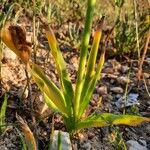
Ornithogalum arabicum
Arabian starflower · Lesser Cape-lily · Star of Bethlehem
Description
Source: leafsnapOrnithogalum arabicum is a species of star of Bethlehem native to northern Africa and southern Europe. Common names include Arab's eye, lesser cape-lily, and Arabian starflower.
🌳 Arabian starflower may not have many atypical applications, but it is particularly valued in the floral industry for its star-shaped blooms and long vase life. It makes arrangements and bouquets stand out, making it a popular decorative choice for special occasions. Its fragrant nature has raised interest in extracting essential oils from Arabian starflower, though this is not widely industrialized or documented.
Care Guide
💧 Water
The Arabian starflower is well-suited for arid environments thanks to its ability to tolerate drought. It thrives with a sparse watering schedule, ideally receiving water once a week. As an outdoor plant suited for Mediterranean climates, it synchronizes its growth with seasonal rainfall and conserves water during dry periods.
What is the most effective way to give water to my Arabian starflower?
When watering the Arabian starflower, it is recommended to use filtered water at room temperature. Tap water may contain harmful particles, so filtered water is safer. The water should be at room temperature or slightly warmer since the Arabian starflower is used to a warm environment and cold water can be a shock. It is also best to avoid overhead watering as it can cause problems with the foliage. Instead, apply filtered room temperature water directly to the soil until it is completely soaked. This helps moisten the roots and aids in nutrient absorption.
What do I do if I give my Arabian starflower too much or too little water?
Overwatering is a common issue that can harm your Arabian starflower, causing wilting and yellowing of the leaves. This can lead to diseases like root rot, mold, and mildew, which can be fatal. Underwatering is less common, but can still happen and result in brittle, brown leaves. It's important to recognize the signs of overwatering early to prevent irreversible damage. Reduce watering immediately if you see these signs, and consider replacing poorly draining soil. If your starflower is not getting enough water, simply increase the watering frequency until the signs improve.
How often do I need to water my Arabian starflower?
If your Arabian starflower is potted, the most accurate way to determine if it needs water is by sticking your finger into the soil. If the first two to three inches of soil feel dry, it's time to water. If you're growing the Arabian starflower outdoors in the ground, you can use the same method to test the soil. When the first few inches of soil have dried out, it's time to water. During the spring and early fall, watering once a week is often sufficient. However, during extremely hot weather, you may need to water twice or more per week. It's worth noting that mature, well-established Arabian starflowers have a remarkable ability to tolerate drought.
How much water does my Arabian starflower plant need?
To properly water your Arabian starflower, don't hesitate to give it a generous amount of water. Make sure the top two to three inches of soil are dry before watering. It's important to thoroughly soak the soil, allowing excess water to drain through the pot's drainage holes. If you notice that the water is not draining properly, you may be underwatering or dealing with poorly draining soil, which is harmful to the plant. However, be cautious not to let water accumulate in the soil, as this can also be dangerous. If the plant is outside, approximately 1 inch of rainfall per week is enough.
How do I water my Arabian starflower at different stages of growth?
The water needs of the Arabian starflower vary depending on its growth stages. During the first few years of its life or after transplanting, it requires more water to support root growth. As the plant matures, it will require less water. Additionally, during the bloom period, the Arabian starflower may need more water due to increased moisture usage for flower development.
☀️ Light Full sun
The arabian starflower prefers bright settings, which promote vigorous growth. Native to regions with abundant light, this plant does well in surroundings that replicate those conditions. It can, however, continue to grow in somewhat dimmer locations as well. Too much or too little sun can hinder its healthy flowering.
What are the sun requirements for the Arabian Starflower?
The Arabian Starflower thrives in environments with ample sunlight, requiring more than 6 hours of direct sunlight to flourish best ('Full sun'). It can also grow in 'Partial sun' conditions, with about 3-6 hours of sunlight. However, it's crucial to watch how sunlight moves through your garden and choose locations that provide a good balance of light and shade, ensuring the plants' well-being.
What are the essentials for growing an Arabian Starflower?
The Arabian Starflower, with its origins in brightly lit areas, has a strong preference for environments high in light. It thrives in such conditions but can also adapt to slightly less bright settings. Both excess and insufficient sun exposure can negatively affect its flowering process. Additionally, indoor plants may require artificial lighting to achieve optimal growth, especially in winter or less sunny areas. LED lights are recommended because they can be customized to the plant's needs. Full sun plants need 30-50W/sq ft, partial sun plants need 20-30W/sq ft, and full shade plants need 10-20W/sq ft of artificial light. The light source should be placed 12-36 inches above the plant, simulating natural sunlight, for 8-12 hours per day.
What symptoms indicate inadequate lighting for an Arabian Starflower?
Symptoms of lighting deficiency in an Arabian Starflower include smaller new leaves, leggy or sparse growth, faster leaf dropping, slower or halted new growth, lighter-colored new leaves, chlorosis, sunscald, leaf curling, wilting, and leaf scorching. These signs suggest either too little or too much exposure to sunlight and indicate the plant's struggle to perform photosynthesis efficiently or to maintain adequate hydration.
What are the solutions for correcting light issues in Arabian Starflowers?
To address light issues for Arabian Starflowers, follow these strategies: Indoor plants should be gradually moved to sunnier spots until they receive at least 6 hours of direct sunlight daily, or use artificial lighting like a desk or ceiling lamp for at least 8 hours daily or invest in professional grow lights. For outdoor plants, adjust their location gradually to avoid shock and sunburn. Obstructions to sunlight can be mitigated by pruning or transplanting to a better-lit location. Remember, while parts of the plant damaged by improper lighting may not recover, new growth under improved conditions should be healthy.
🌡️ Temperature 15–35°C
Arabian starflower originates from temperate areas and grows best within a temperature range of 59 to 95 °F (15 to 35 ℃). In colder or hotter seasons, adjustments may be necessary to ensure optimal growth.
What is the native climate for Arabian Starflower?
The Arabian Starflower, known botanically as Ornithogalum arabicum, is native to regions with a temperate climate. It finds the temperature range of 59 to 95 °F (15 to 35 °C) most conducive to its growth. For gardeners living in areas outside this temperature range, adjustments may be necessary during colder or warmer seasons to maintain the plant's health and ensure its optimal growth.
Does the Arabian Starflower have any cold tolerance?
Yes, the Arabian Starflower does have some tolerance to cold. Generally, it does not require any protective measures when the temperature stays above -5°C. However, for temperatures expected to drop below -5°C, temporary cold protection measures are advisable. These can include wrapping the plant in plastic film, fabric, or other materials to insulate it from the cold. It's important to remove these protective materials once the temperature begins to rise, to prevent overheating or suffocating the plant.
What should I do if the temperature falls below the Arabian Starflower's comfort zone?
For temperatures falling below the Arabian Starflower's comfort zone, there are specific steps you can take to safeguard your plant. In the event of low temperatures, particularly below 15°C, and as low as -10°C, the plant's leaves may droop or, in severe cases, wilt and fall off. It's recommended to trim off frost-damaged parts and prepare the plant for future cold spells by wrapping it in non-woven fabric or cloth and setting up a wind barrier to protect against cold winds. In contrast, in high temperatures above 35°C, and especially over 41°C, the plant may exhibit signs of stress such as lighter leaf color, dry and withered leaf tips, and susceptibility to sunburn. To help the plant recover, trim away sunburned and dried-up parts, move it to a shadier location or employ a shade cloth during the hottest parts of the day, and ensure the soil remains moist with morning and evening watering.
💨 Humidity
🪴 Soil 6-7
🌱 Fertilizer
The best time to fertilize an Arabian starflower is in early spring, when it is coming out of dormancy and beginning active growth. Fertilization supplies essential nutrients for healthy growth. Although Arabian starflower has relatively low fertilizer requirements, annual fertilization can improve its survival and promote better, longer-lasting flowers.
Why should I put fertilizer on my Arabian starflower?
Fertilization plays a vital role in the growth of the Arabian starflower and other plants. It provides essential nutrients for both above and below-ground development. Despite having low fertilization needs, regular annual fertilization can greatly benefit the Arabian starflower. It ensures the plant's survival and promotes the production of longer-lasting, more beautiful flowers. Therefore, those seeking to enhance the appearance of their Arabian starflower should prioritize annual fertilization.
When should I fertilize my Arabian starflower?
To ensure healthy growth, the best time to fertilize an Arabian starflower is late winter to early spring when it is transitioning from dormancy to active growth. Fertilizing during this period allows the plant to start the season strongly. Although early spring is generally the most favorable time, it is also acceptable to fertilize in the fall. However, it is not recommended to feed the Arabian starflower during summer or winter.
When is the best time to not put fertilizer on my Arabian starflower?
To maintain the health of your Arabian starflower, it is best to fertilize it only in late winter and early spring. This plant does not require frequent feeding, so a single annual fertilization is enough. Avoid fertilizing it during spring, summer, and fall to prevent overfertilization and the potential complications it may cause. However, if you missed fertilizing in spring, you can still feed it in the fall. Also, refrain from fertilizing the plant during the dormant growth phase in winter when it does not produce new growth.
What kind of fertilizer does my Arabian starflower need?
For growing Arabian starflower, using a general-purpose fertilizer with a balanced amount of the main plant nutrients will work well. However, there are specific nutrient blends that can be even more beneficial. Many gardeners believe that high phosphorus levels lead to stronger roots and better flowers, making a phosphorus-rich fertilizer a good choice for this flowering plant. Whether you choose granular or liquid fertilizer, make sure it is nutrient-rich. Additionally, you can improve the soil for your Arabian starflower by using compost, manure, and similar organic materials. These methods contribute to creating a healthy growing medium.
How can I feed my Arabian starflower?
The most common way to fertilize an Arabian starflower is by applying granular or pellet fertilizer to the soil surrounding the plant. It is important to fertilize the plant during its active growth phase, which occurs after it has finished its winter dormant phase. When using granular fertilizer, wait until early spring when the plant begins to emerge from the soil and then apply it. Alternatively, some people prefer to use liquid fertilizer, which should be diluted with water before application. Whether using granular or liquid fertilizer, it is recommended to moisten the soil before, during, and after applying the fertilizer.
🪴 Pot & Repot
✂️ Pruning
Arabian starflower, known for its star-shaped white blooms and slender stems, thrives when pruned in early spring. To promote its health, remove any spent flowers and damaged leaves. Trimming back overgrown stems encourages denser growth, which leads to robust development and more abundant flowering. This process enhances the plant's overall vitality and appearance.
🌿 Propagating
🐛 Diseases & pets
☠️ Toxicity
Characteristics
- Plant Type
- Herb
- Life Cycle
- Perennial
- Genus
- Ornithogalum
- Family
- Asparagaceae
- Hardiness Zone
- 8-10
- Mature Height
- 46 cm to 61 cm
- Mature Spread
- 10 cm
- Leaf Color
- Green
- Leaf Type
- Deciduous
- Flower Color
- White
- Flower Size
- 3.05 cm to 5.08 cm
- Bloom Time
- Late spring, Early summer
- Planting Time
- Winter, Spring
- Harvest Time
- Early summer, Mid summer