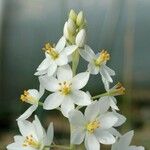
Ornithogalum conicum
Chinkerinchee · Summer chickerinchee · Chincherinchee
Care Guide
💧 Water
☀️ Light Full sun
Chincherinchee grows best with a generous amount of sunlight but can also tolerate sites with moderate sun. It originates from regions that receive abundant sunshine. Both too much and too little light can affect its healthy growth, possibly causing leaf yellowing or reduced development.
🌡️ Temperature 15–35°C
Chincherinchee is native to habitats where temperatures range from 59 to 95 °F (15 to 35 ℃). It prefers those conditions, so its placement and care should reflect that.
💨 Humidity
🪴 Soil 6-7
🌱 Fertilizer
The best time to fertilize a Chincherinchee is in early spring, as it emerges from dormancy and starts active growth. Feeding supplies essential nutrients for healthy development. While Chincherinchee has fairly low fertilizer requirements, an annual application can improve its survival and encourage stronger, longer-lasting blooms.
🪴 Pot & Repot
✂️ Pruning
🌿 Propagating
🐛 Diseases & pets
☠️ Toxicity
Characteristics
- Plant Type
- Herb
- Life Cycle
- Perennial
- Genus
- Ornithogalum
- Family
- Asparagaceae
- Hardiness Zone
- 7-10
- Mature Height
- 28 cm to 49 cm
- Mature Spread
- 10 cm to 15 cm
- Leaf Color
- Green
- Leaf Type
- Deciduous
- Flower Color
- White
- Flower Size
- 5.08 cm
- Bloom Time
- Late spring, Early summer, Mid summer
- Planting Time
- Winter
- Harvest Time
- Late summer, Early fall, Mid fall