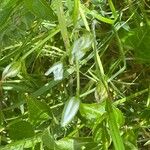
Ornithogalum divergens
Ορνιθόγαλο το σκιαδανθές · Garden Star-of-Bethlehem · Star of Bethlehem · Grass Lily · Sleepydick
Description
Source: leafsnapOrnithogalum divergens, commonly known as the spreading star-of-Bethlehem, is a perennial herbaceous plant belonging to the family Asparagaceae. Native to South Africa, this plant thrives in rocky areas and grasslands. It forms a basal rosette of narrow leaves, which can reach up to 30 cm in length and 1 cm in width. The stem can grow up to 60 cm tall and supports clusters of small white flowers with green stripes on their petals. These flowers bloom in late winter or early spring and attract pollinators such as bees and butterflies. Ornithogalum divergens is easy to cultivate and prefers well-drained soil in full sun or partial shade. The plant can be propagated by division or from seed, though it may take several years for seed-grown plants to bloom. In traditional African medicine, the spreading star-of-Bethlehem is used to treat various ailments, including coughs, colds, fever, headaches, stomach problems, and wounds. Overall, Ornithogalum divergens is an attractive ornamental plant with delicate white flowers that enhance any garden setting. Additionally, its medicinal properties make it a valuable addition for both aesthetic and health purposes.
Care Guide
💧 Water Every 7 days
The Lesser Star of Bethlehem thrives in environments with periodic rainfall and exhibits moderate drought tolerance. To maintain proper hydration without causing oversaturation, it benefits from weekly watering. When grown indoors, it is important to keep the soil consistently moist to prevent overwatering and root rot, ensuring optimal growth.
How should I water my Lesser star of bethlehem?
When watering the Lesser star of bethlehem, it is best to use filtered water at room temperature or slightly warmer. Tap water can contain harmful particles that can affect the plant's health. The plant prefers warm environments, so cold water can be a shock to its system. It is important to avoid overhead watering as it can cause problems with the foliage. Instead, water the plant by applying filtered room temperature water directly to the soil until it is completely soaked. This helps moisten the roots and allows them to continue spreading and gathering nutrients from the soil.
What should I do if I give my Lesser star of bethlehem too much or too little water?
Overwatering is a more common issue than underwatering for the health of your Lesser star of bethlehem. When overwatered, the stems and leaves may wilt and turn yellow, and it can also lead to diseases like root rot. Underwatering is less likely, but it can still happen, causing brittle and brown leaves. It's important to notice signs of overwatering early and reduce watering immediately. If the soil drains poorly, replace it. If the plant is receiving too little water, simply water more regularly until the signs improve.
How frequently should I water my Lesser star of bethlehem?
If your Lesser star of bethlehem is in a pot, you can check if it needs water by sticking your finger in the soil. If the top two to three inches of soil are dry, it's time to water it. If you have your Lesser star of bethlehem planted outside, you can use the same method to test the soil. When the top few inches of soil have dried out, it's time to water. During spring and early fall, you'll usually need to water this plant about once a week. But in extremely hot weather, you may need to water it twice a week or even more. However, mature and well-established Lesser star of bethlehem plants can handle dry conditions quite well.
How much water does my Lesser Star of Bethlehem plant require?
To properly water your Lesser star of bethlehem, you should not hesitate to give it a generous amount of water. Make sure to water thoroughly until the first two to three inches of soil are dry. The goal is to saturate the soil completely, allowing excess water to drain through the pot's drainage holes. If you do not see water draining out, then you have likely not given enough water. However, be cautious not to let water accumulate in the soil, as this can harm the plant. On the other hand, if water does not drain well, it may be a sign of poorly draining soils, which can also harm the plant's health. If the plant is outdoors, 1 inch of rain per week will suffice.
How do I water my Lesser star of bethlehem during different stages of growth?
The watering needs of the Lesser star of bethlehem can vary depending on its growth stages. In the first few years of its life or when it has just been transplanted, it will require more water than usual. This is because during these stages, the plant focuses on developing new roots to support future growth, and these roots perform best with slightly more moisture. Once the plant has matured after a few seasons, it will need less water. Another stage where it may require more water is during the bloom period, as the development of flowers requires a significant amount of moisture.
☀️ Light Full sun
Plentiful light in its surroundings is crucial for the lesser star of bethlehem’s growth and well-being. Although it can tolerate lower light conditions, it does best in places that receive ample sunlight. Too little light can harm its health, while too much exposure may put stress on the plant.
What are the sunlight requirements for Lesser Star of Bethlehem?
Lesser Star of Bethlehem thrives in full sun, requiring above 6 hours of sunlight for optimal growth, but it can also manage in partial sun conditions, which entail about 3-6 hours of sunlight. It's essential to observe how sunlight moves through your garden to find the perfect spot that ensures your plants are happy with the right balance of light and shade.
What essentials should be considered for Lesser Star of Bethlehem's growth?
Plentiful illumination is crucial for the growth and well-being of Lesser Star of Bethlehem. While it can withstand lesser lighting conditions, it truly flourishes in bright environments. Insufficient light affects its health negatively, whereas too much direct exposure can stress the plant. For indoor plants lacking natural light, particularly in winter or darker spaces, artificial lighting like LED lights, customizable to plant needs, plays a vital role. They should provide 30-50W/sq ft for full sun plants, 20-30W/sq ft for partial sun plants, and 10-20W/sq ft for full shade plants, positioned 12-36 inches above the plant for 8-12 hours per day to mimic natural sunlight.
What are the symptoms of light deficiency or overexposure in Lesser Star of Bethlehem?
Symptoms of inadequate lighting include smaller new leaves, leggy or sparse growth, faster leaf drop, and slower or no new growth, indicating the plant is striving to conserve resources. Leaves may appear lighter or exhibit chlorosis—losing their green color due to lack of chlorophyll. Overexposure signs include sunscald, leaf curling, wilting, leaf scorching, with symptoms presenting as bleached or necrotic areas on the plant, curled leaves to reduce sunlight exposure, or browning edges on leaves due to excessive light.
How can I address the light conditions for Lesser Star of Bethlehem to ensure its growth?
To optimize growth, indoor plants may be gradually moved to receive at least 6 hours of direct sunlight daily, using a south-facing window or artificial lighting if moving the plant is not feasible. For outdoor plants, a gradual relocation to sunnier spots is recommended to prevent sunburn, aiming for a smooth transition to better light conditions. If obstructions limit sunlight, consider pruning or relocating smaller plants to areas with ample sunlight and good drainage during their dormant periods. It's important to note that parts of the plant damaged by poor light may not recover, but new growth should be healthy once proper lighting conditions are met.
🌡️ Temperature 5–35°C
Lesser star of bethlehem can tolerate a wide range of temperatures, but its distribution may still be constrained by various combinations of moisture and heat. It performs best in warm summer climates with sufficient rainfall or regular watering. Extended stretches of cloudy, rainy weather or sustained high temperatures can increase the chance of Lesser star of bethlehem dying. In winter, adequate protection from cold can improve the plant's survival.
What is Lesser Star of Bethlehem?
The Lesser Star of Bethlehem is a plant known botanically as Ornithogalum divergens. It is recognized for its distinctive characteristics and has been studied for various properties and uses in different contexts.
💨 Humidity
🪴 Soil 6-7
🌱 Fertilizer
Early spring, as the Lesser star of bethlehem comes out of dormancy and begins active growth, is the best time to fertilize it. Fertilizing supplies essential nutrients for healthy growth. Although the Lesser star of bethlehem needs relatively little fertilizer, an annual application can improve its survival and encourage better, longer-lasting flowers.
🪴 Pot & Repot
✂️ Pruning
The Lesser Star of Bethlehem is a perennial plant that features star-shaped blooms in the spring. To maintain the plant's health, prune it after it finishes flowering, which typically occurs from early to late spring. During pruning, remove any dead foliage and thin out crowded areas to improve air circulation. Regular pruning not only encourages healthy growth but also enhances flowering. Remember to keep your cutting tools clean to prevent the spread of disease.
🌿 Propagating
🐛 Diseases & pets
☠️ Toxicity
Mildy toxic, can cause adverse conditions if consumed in large quantities.
Characteristics
- Plant Type
- Herb
- Life Cycle
- Perennial
- Genus
- Ornithogalum
- Family
- Asparagaceae
- Hardiness Zone
- 5-9
- Mature Height
- 10.06 m to 14.94 m
- Mature Spread
- 15 cm to 25 cm
- Leaf Color
- Dark Green
- Leaf Type
- Deciduous
- Flower Color
- White
- Flower Size
- 3.05 cm to 4.06 cm
- Bloom Time
- Early spring, Mid spring
- Planting Time
- Spring, Summer
- Harvest Time
- Late spring, Early summer
- Native Area
- Turkey, Slovakia, Montenegro, Cyprus, Bulgaria, Greece, Croatia, Ukraine, Lebanon, Serbia, Germany, Syria, Italy, Spain, Switzerland, France, Albania, Romania, Portugal