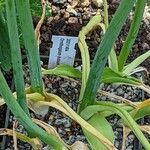
Ornithogalum dubium
Sun Star · Snake flower · Yellow chincherinchee · Orange star · Arabian starflower
Description
Source: leafsnapOrnithogalum dubium, common names sun star, star of Bethlehem or yellow chincherinchee, is a species of flowering plant in the family Asparagaceae, subfamily Scilloideae. It is a South African (Cape Province) endemic. The Latin specific epithet dubium means "dubious" or "unlike others of the genus".
🌳 Sun star, although mainly recognized as a colorful ornamental plant, also plays a lesser-known role as a bioindicator for certain pollutants. Preferring abundant sunlight, sun star can show signs of stress or produce fewer blooms when subjected to high concentrations of urban pollutants. Additionally, hobbyists sometimes include the dried stalks in floral arrangements, using their structural elegance long after the flowers have faded.
🎭 The Jesus Christ Child — innocence, hope, trust and honesty
Care Guide
💧 Water Every week
The sun star plant thrives in seasonal dryness and demonstrates strong resilience to drought conditions. It prefers a well-drained environment and requires watering once a week to maintain optimal health. While it is typically grown indoors, the sun star benefits from being planted in sandy potting soil, which ensures good drainage and prevents waterlogging.
How frequently should I water my Sun star plant?
The growth of your Sun star depends on its location and current state of growth. After planting, water them well once to kick start their growth. Then, wait for shoots to appear before watering again. If your Sun star is in a pot, water it when the top 1-2 inches of soil feels dry. Container plants dry out faster, so ensure the soil stays damp. For Sun stars planted outside, they don't need extra water if it has rained recently. The Sun star is somewhat drought resistant, but be cautious not to overwater as it can lead to rotting and plant death.
Do I need to change how often I water my Sun star plant based on the seasons or weather conditions?
When your Sun star plant is growing, water it once a week. As the temperature gets warmer, the soil will dry out faster, so you may need to water it more often. Remember, a dry soil is better for the Sun star than a soil that is too wet. During the summer, the Sun star plant will become dormant and the above-ground parts will dry up and die. If you planted the Sun star outdoors, you generally won't need to water it. However, if there is a lot of rain in your area, you should consider digging them out to protect the buds from rot caused by excess water. If you planted the Sun star in pots, you should stop watering it completely after the above-ground part dries out. Once the above-ground part has completely dried, dig up the buds and store them in a cool place or simply stop watering them to keep the soil dry. You can resume watering in the next growing season. Alternatively, you can leave them in the soil in a cool location until the next growing season.
What should I keep in mind when planting my Sun star inside or outside?
To effectively monitor the moisture levels of your containers, check for any signs of excessive wetness or waterlogging. If you find them sodden or waterlogged, it's advisable to move them to a sheltered position. Allow the containers to dry out and only return them outdoors when the weather improves. When planting your outdoor plants, it's important to consider the amount of rainwater they will receive. To prevent waterlogging and decay, choose well-drained soil for planting. For both indoor and outdoor plants, it's crucial to limit watering before the buds start growing from the bulbs. Allowing the soil to completely dry out before watering in small amounts will help prevent bulb rot. Only start watering regularly after new shoots have emerged. Indoor Sun star plants are more prone to rotting due to low light and poor ventilation. When watering them, exercise caution and ensure that a significant portion of the soil is dry before watering. If you find it difficult to maintain the appropriate moisture levels indoors, reassess the location of your Sun star plant. Conversely, when kept outdoors, with good ventilation and ample light, the risk of rotting is relatively low.
What can I do if I give Sun star too much or too little water?
The Sun star plant can develop yellow leaves if it is over-watered. This is normal towards the end of its blooming period, but if the leaves turn yellow before the flowers have bloomed, it means there is too much water. To address this, make sure there is proper drainage and refrain from watering for a couple of days. Adding sawdust to the soil can help absorb the excess moisture. If the problem persists despite controlled watering, check if the seedpods have rotted by digging them up and examining their color and texture. If you find severe decay, remove the affected seedpods promptly. On the other hand, an under-watered Sun star may also develop yellow leaves, along with drooping stems, smaller curled leaves, and brown patches. If you have given your plant too little water, don't worry. Sun stars can tolerate drought to some extent. Once you realize the plant needs water, give it a good drink without saturating the surrounding soil. Just make sure the soil is moist, but avoid overwatering, as prolonged periods of water can cause root rot and fungus growth on the bulb. This can result in spots on the leaves and buds, as well as discoloration and death of leaf tips.
☀️ Light Full sun
The sun star grows best with plentiful sunlight, which is crucial for healthy development and flowering. It can tolerate moderate sun but performs best in spots with the longest daylight. Too much sun can scorch the leaves, while too little may prevent it from blooming.
What are the sunlight requirements for a Sun Star plant?
The Sun Star plant thrives best in full sunlight, requiring more than 6 hours of direct sunlight daily. It can also grow in partial sun, which is about 3-6 hours of sunlight. Observing how sunlight moves through your garden and choosing spots with the ideal balance of light and shade are crucial to ensure the plant's happiness and health.
What are the essentials for growing a Sun Star plant?
Sun Star plants require abundant solar exposure for healthy growth and bloom. They can tolerate moderate sunlight but perform best in areas with maximum daylight. Overexposure can cause leaf scorching, whereas underexposure may prevent the plant from blossoming. In cases where natural sunlight is insufficient, especially for indoor plants in winter or less sunny spaces, artificial lighting can be used. LED lights are recommended for providing the specific wavelengths needed for optimal growth, with varying wattage requirements based on the plant's sunlight needs.
What symptoms indicate a Sun Star plant is getting inadequate light?
When Sun Star plants receive inadequate light, they exhibit several symptoms such as smaller new leaves, leggy or sparse growth, faster leaf drop, slower or no new growth, lighter-colored new leaves, and symptoms of chlorosis, sunscald, leaf curling, wilting, and leaf scorching. These signs indicate the plant's struggle with light deficiency, affecting its growth and overall health.
What solutions can help overcome light deficiency in Sun Star plants?
To combat light deficiency in Sun Star plants, gradually relocating them to a sunnier spot is beneficial, ensuring at least 6 hours of direct sunlight daily. For indoor plants that are large or hard to move, using artificial lighting for at least 8 hours daily can provide additional light. When outdoors, avoid sudden changes in light intensity to prevent sunburn. Removing obstructions that block sunlight and considering transplanting smaller plants during their dormant period can also improve sunlight exposure. Note that parts of the plant affected by insufficient sunlight may not recover, but new growth should be healthy following increased light exposure.
🌡️ Temperature 20–41.1°C
The preferred temperature range for sun star is 68 to 105 ℉ (20 to 41 ℃). This plant originates from areas where temperatures are mild to warm. In hot summer months, it is advisable to keep the plant in partial shade and increase humidity to prevent heat stress.
What is the optimal temperature range for a Sun star plant?
The optimal temperature range for a Sun star (Ornithogalum dubium) plant is between 68 to 105°F (20 to 41°C). Native to moderate to warm regions, this heat-loving plant thrives best when temperatures are kept within this range. During the hot summer months, it's advisable to provide the Sun star plant with partial shade and increase humidity levels around it to prevent heat stress. Additionally, in colder seasons, particularly autumn, it's recommended to move outdoor-grown Sun star plants indoors. Placing them near a bright window while ensuring they are not too close to heaters helps in maintaining an ideal environment. Keeping the temperature above the minimum suitable growth temperature during winter supports the plant's growth, whereas temperatures nearing the minimum tolerable range can be harmful.
How does low temperature affect Sun star plants and what are the solutions?
Sun star plants prefer warm temperatures and do not tolerate low temperatures well. They flourish when the temperature is maintained above the minimum suitable growth level. During winter, it's essential to keep them above the minimum tolerable temperature to avoid stress. Exposure to temperatures below the growth limit can cause the leaves to lighten in color and, following frost damage, turn brown or black. Symptoms of distress include wilting and drooping. The solution to such temperature stress includes trimming off frost-damaged parts and moving the plant to a warm indoor environment. Positioning the plant near a south-facing window ensures ample sunlight, but it should not be placed near heaters or air conditioning vents, which can lead to excessively dry air and further stress the plant.
What effects do high temperatures have on Sun star plants, and how can they be mitigated?
High temperatures can pose challenges for Sun star plants, particularly during summer, when it's crucial to keep the plant below the maximum suitable growth temperature. Exceeding the tolerable maximum temperature can cause the leaves to lighten and make the plant more susceptible to sunburn. To mitigate the impacts of high temperatures, sunburned and dried-up parts of the plant should be trimmed away. Relocating the plant to an area that provides shade during the peak midday and afternoon sun helps protect it. Additionally, watering the plant in the morning and evening ensures the soil stays moist, aiding in temperature stress relief.
💨 Humidity normal (40-60%)
This plant will thrive in moderate humidity, which is probably the level in your home. However, misting it a few times a week can be very beneficial. Make sure the room has good ventilation.
🪴 Soil 6-7
🌱 Fertilizer
Sun star needs the most fertilizer during its active growth period, which takes place mainly in spring, summer, and early fall. Fertilizing provides essential nutrients the soil may lack, encouraging healthy root and stem growth and producing attractive foliage, a key characteristic of this plant.
Why should I add plant food to my Sun star?
Just like any other plant, the Sun star needs soil nutrients to grow. However, there's no guarantee that the soil where your plants grow will have all the necessary nutrients. That's why fertilization and soil amendments are important. They ensure that your garden plants not only get the basic nutrients they need, but also the specific ones required by each plant. In the case of the Sun star, fertilization is necessary to promote healthy root and stem development throughout the growing season. It also helps this plant produce fantastic-looking leaves, which are its main attraction.
When should I fertilize my Sun star?
The Sun star requires the most fertilizer when it is actively growing, which is usually during spring, summer, and early fall. During these months, you should feed it regularly, approximately every two to four weeks. As winter approaches, you can start reducing the amount of fertilizer gradually until you stop entirely, as the Sun star's growth slows down significantly during this time.
When is it not a good idea to add fertilizer to my Sun star?
You should feed your Sun star regularly throughout most of the year, including spring, summer, and most of the fall. However, if you notice any signs of excessive fertilization or if you have made a mistake in the fertilization process causing issues like fertilizer burn, you should address and resolve those issues before resuming regular feeding. The only exception is during winter, when you should not fertilize the Sun star. If you are growing this plant indoors in a cold winter region, it will go into a dormant phase during this time. Feeding the plant during its dormant phase is unnecessary and detrimental to its growth, as it can lead to fertilizer burn.
What kind of fertilizer does my Sun star plant need?
The fertilizer for a Sun star uses a specific blend of nutrients, but each nutrient is present in low amounts. Ideally, the fertilizer should have an N-P-K ratio of 3-1-2. However, a general-purpose fertilizer with an even blend of nutrients can also work well in some cases. Regardless of the type of fertilizer used, the ratio of each nutrient should be 10 or lower. The fertilizer can be either granular or liquid based. If you choose to use liquid fertilizer, it is best to dilute it by half. While granular fertilizer has few downsides, it is most sensible to use liquid fertilizer, especially if you water your Sun star while feeding it.
How do I take care of my Sun star plant?
When fertilizing your Sun star, it's important to follow the instructions provided with the fertilizer. In general, it's recommended to apply the fertilizer just before or while watering the soil to avoid damaging the plant's roots. If you're using a slow-release granular fertilizer, sprinkle it on the soil and then water immediately after. For liquid-based fertilizers, dilute them with water, apply to the soil, and then provide a bit more water. It's particularly important to dilute the fertilizer by at least half in the spring and fall when the plant's growth is picking up or slowing down, respectively.
🪴 Pot & Repot 2-3 years
Repot the sun star every 2 to 3 years during spring, after its dormancy period. Choose a medium-sized pot with good drainage to prevent moisture retention. After repotting, place the sun star in bright, indirect light and water it moderately. Using a well-draining soil mix is crucial for the sun star's recovery and overall health.
✂️ Pruning
Sun stars have vibrant, star-shaped flowers. To promote growth and blooming, prune them in early spring. Be sure to remove any dead leaves and spent stalks to prevent disease, but avoid heavy pruning. This practice encourages better air circulation, reduces the risk of pests, and enhances the plant's overall vitality.
🌿 Propagating
🐛 Diseases & pets
☠️ Toxicity
Characteristics
- Plant Type
- Herb
- Life Cycle
- Perennial
- Genus
- Ornithogalum
- Family
- Asparagaceae
- Hardiness Zone
- 10-13
- Mature Height
- 30 cm
- Mature Spread
- 10 cm
- Leaf Color
- Green, Blue
- Leaf Type
- Deciduous
- Flower Color
- Orange, Yellow
- Flower Size
- 2.54 cm
- Bloom Time
- Spring
- Planting Time
- Spring
- Harvest Time
- Late spring, Early summer
- Native Area
- Europe, North Africa, and the Middle East (Mediterranean)