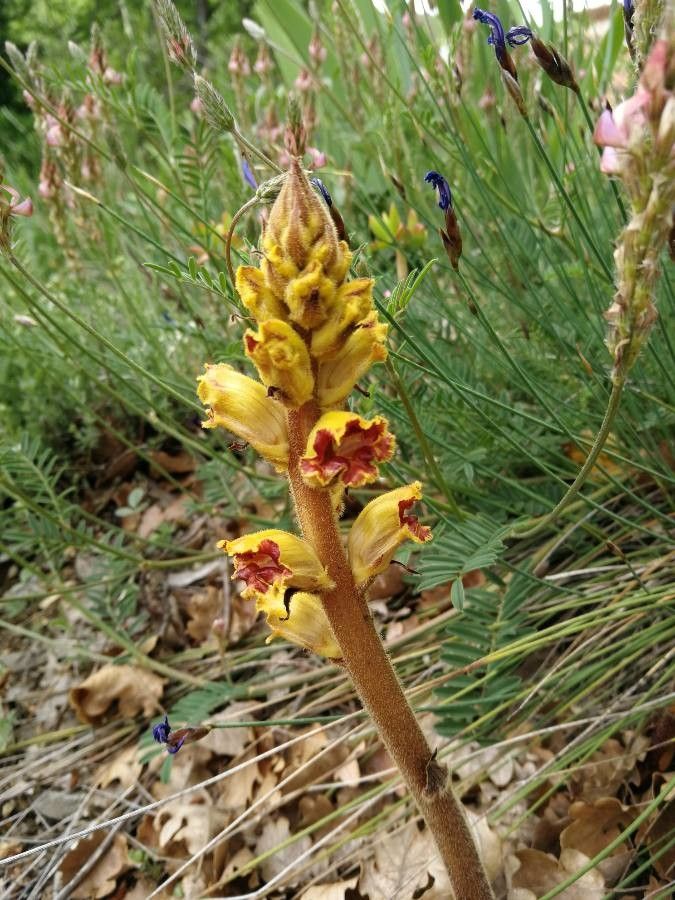
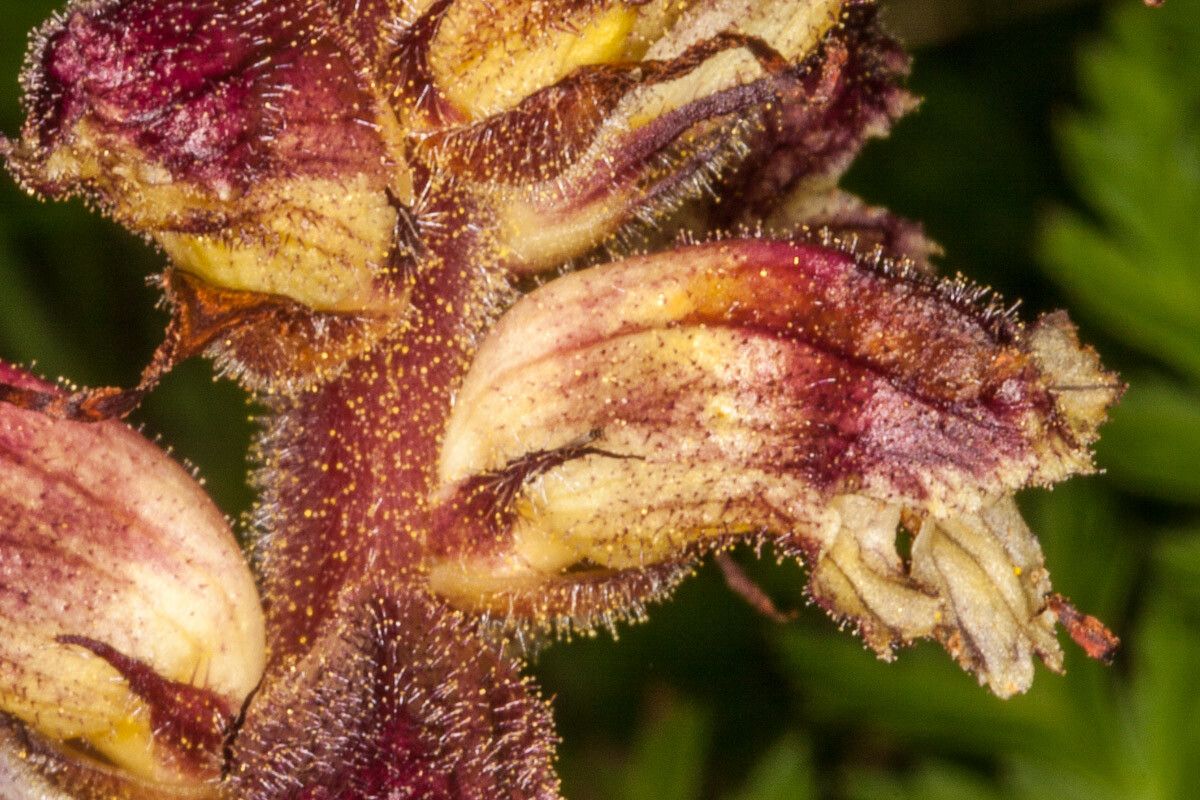
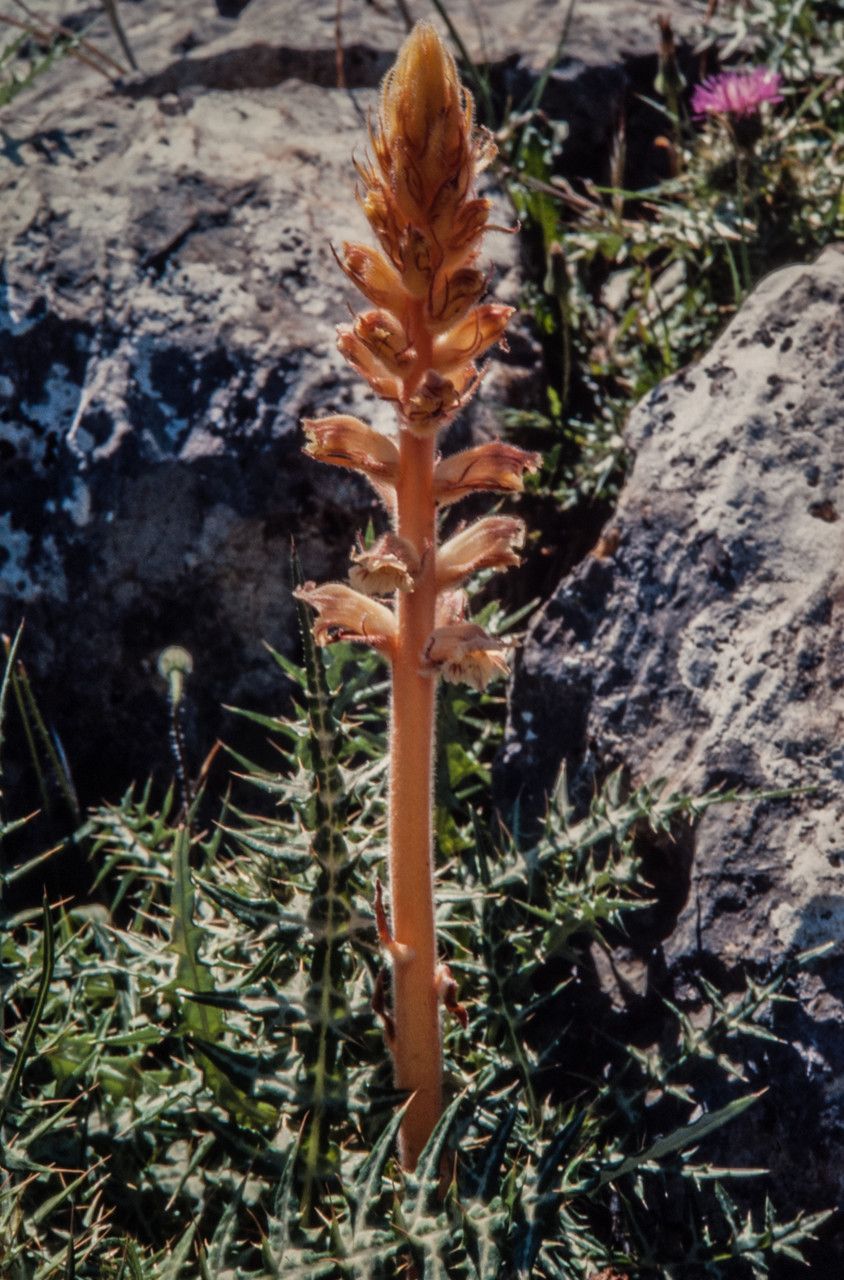
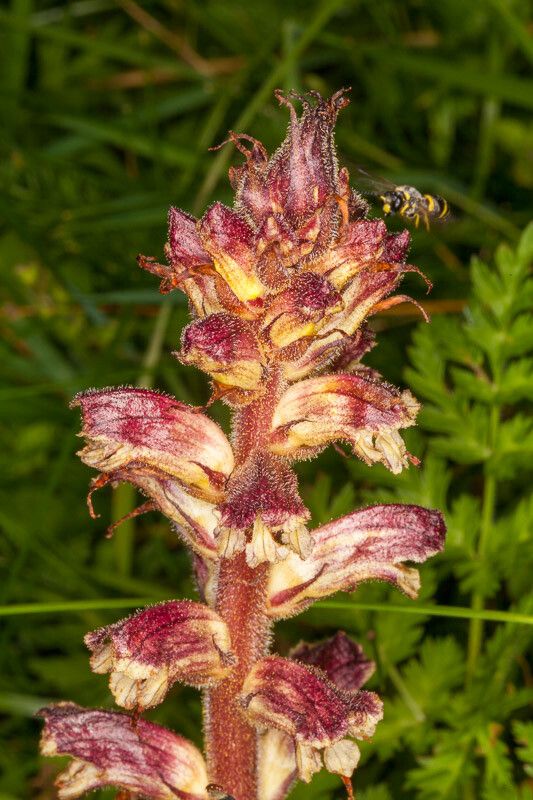
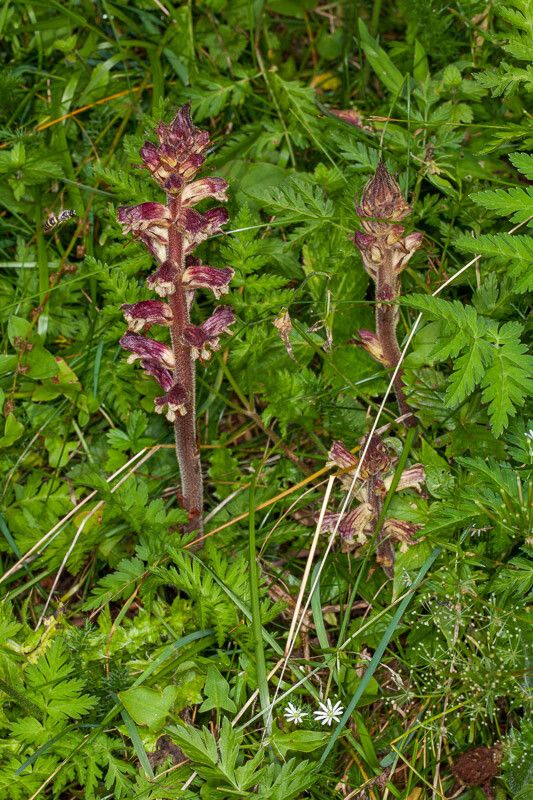
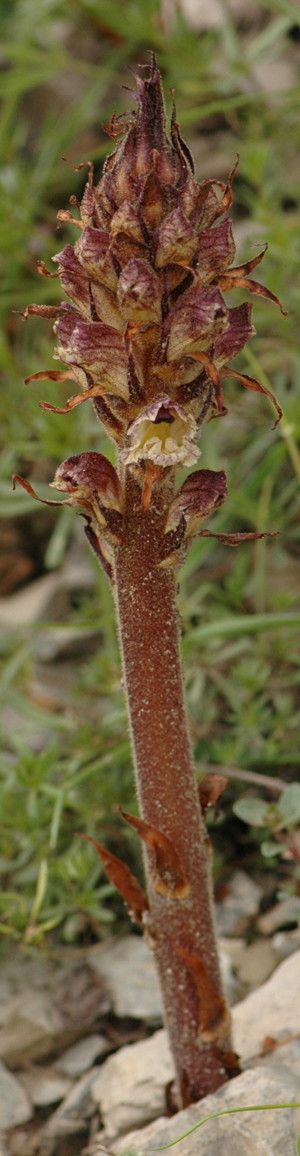
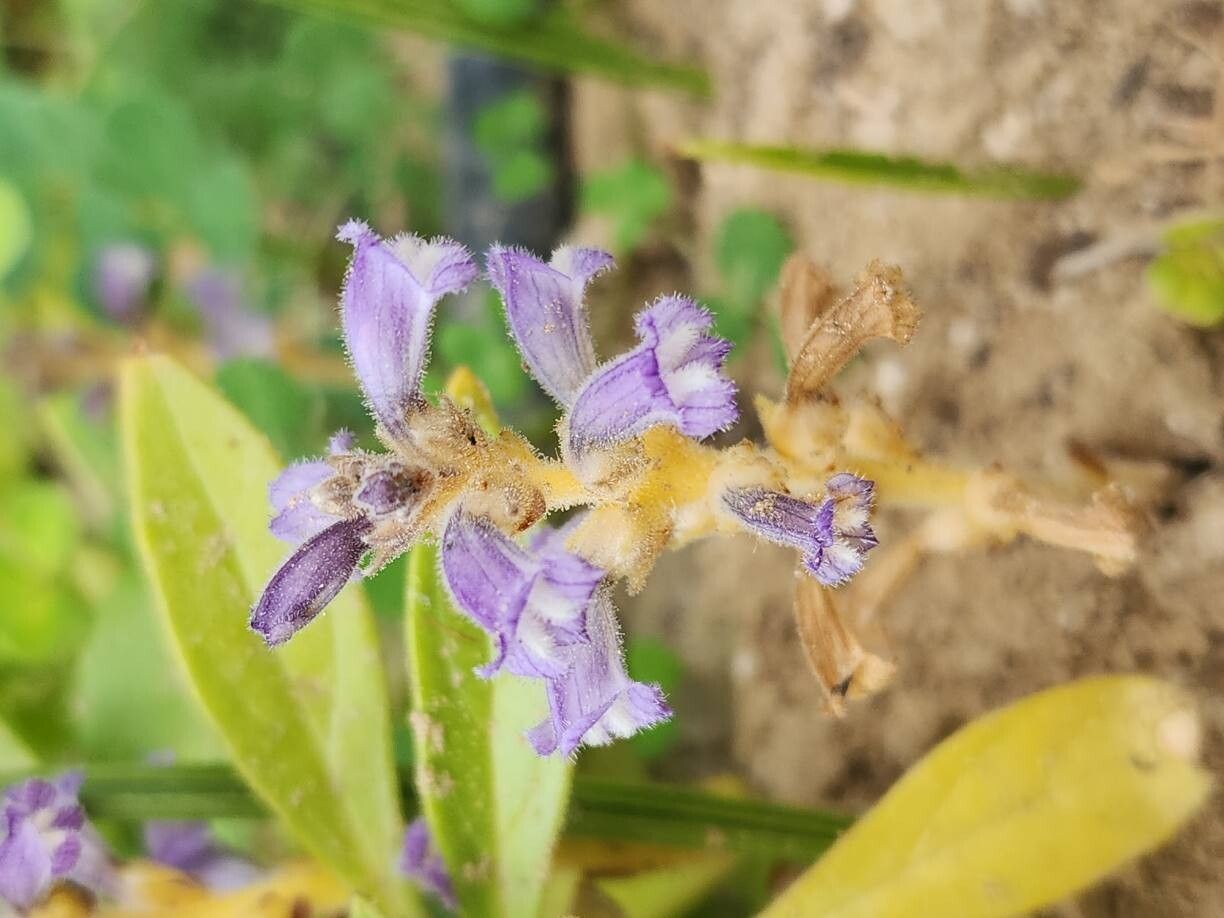
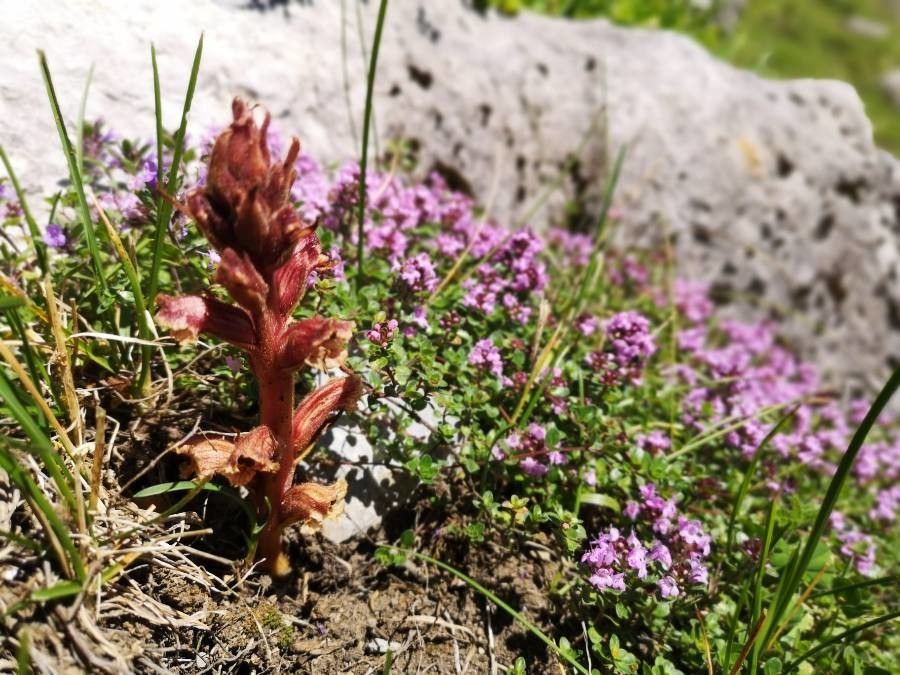
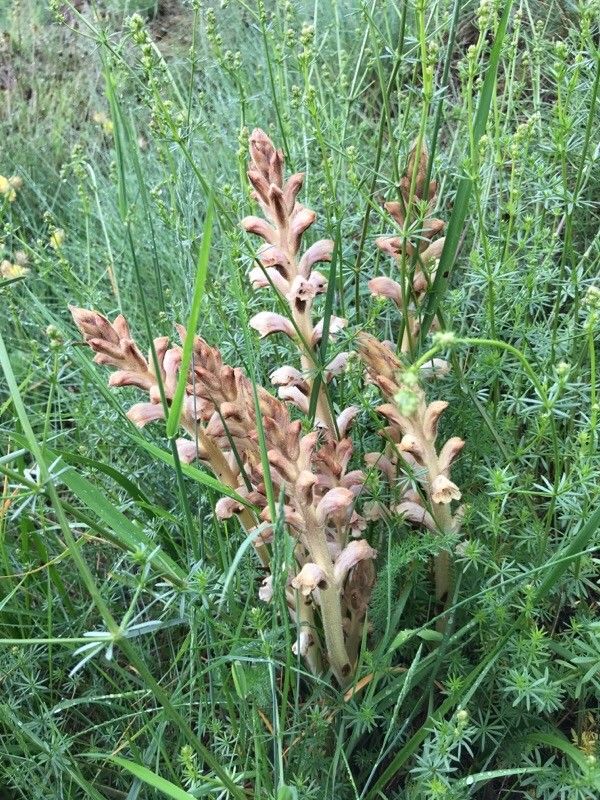
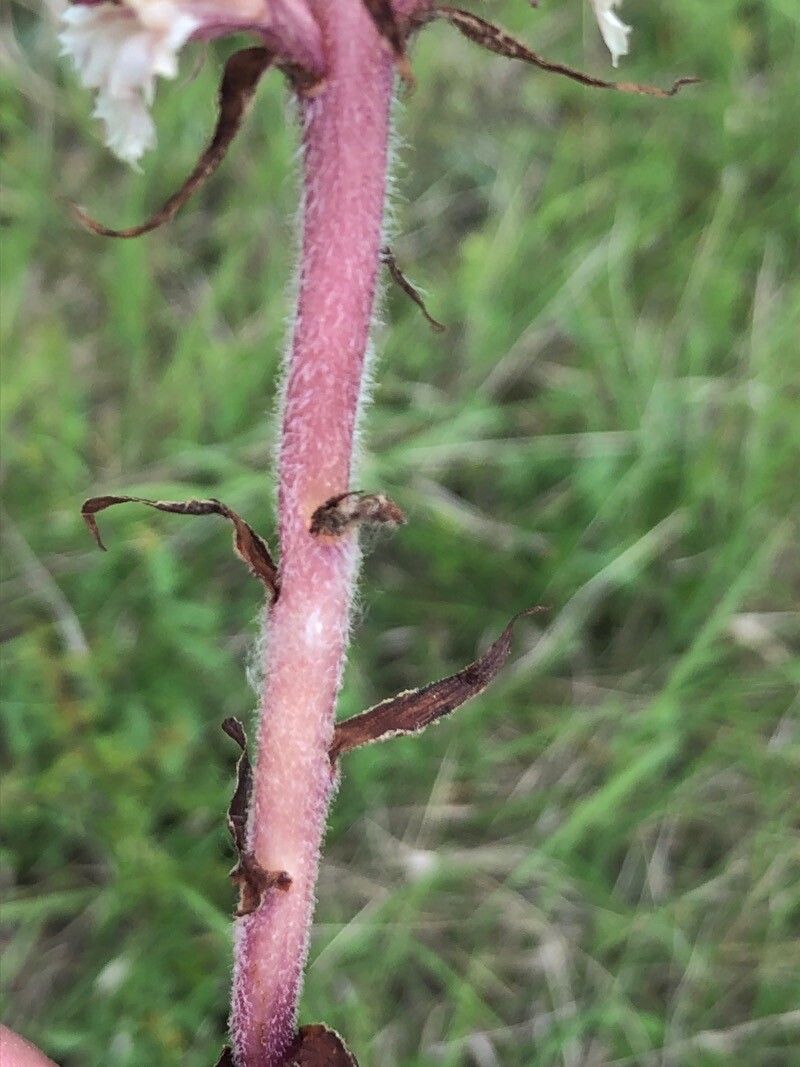
Orobanche reticulata is a species of broomrape known by the common name thistle broomrape. It is a parasitic plant whose host is normally the creeping thistle. It is native to the lowlands of Western Europe and Central Asia, but in the United Kingdom it is a rare and protected plant, growing only in Yorkshire, on grassland sites such as Quarry Moor.
Thistle broomrape has good resistance to disease and is generally not prone to illnesses. However, it can be susceptible to pests and diseases present in its surroundings. These infections are typically not serious. For care, this plant requires moderate maintenance. It should be pruned regularly to maintain a pleasing appearance and healthy growth. Fertilizing can also help encourage flowering. Thistle broomrape is suitable for anyone with an outdoor area, such as a garden or patio, and does not demand extensive gardening experience. It may need more attention if grown indoors.
How to keep Orobanche Reticulata.
Light
Thistle broomrape is a perennial herbaceous plant that favors sunny conditions and comes from open habitats, commonly found in meadows and grasslands. It prefers full sun but can also tolerate partial sun.
Water
Thistle broomrape thrives in environments with moderate moisture, requiring weekly watering to avoid waterlogging. It is best suited for outdoor cultivation, and its moisture needs are closely tied to its host plant. Ensuring proper soil hydration is crucial for the plant's growth and health.
Temperature
Thistle broomrape can adjust to a wide range of temperature conditions, but its distribution may still be constrained by various combinations of moisture and heat. It does best in warm summer climates with sufficient rainfall or watering. Extended periods of cloudy, rainy weather, as well as prolonged high temperatures, can raise the likelihood of Thistle broomrape dying. In winter, adequate protection from cold can improve the plant's survival rate.
Fertilizer
A single fertilizer application in spring is typically enough for Thistle broomrape, though multiple feedings can maximize growth. Apply fertilizer once every month to a month and a half. Fertilization improves the leaves' appearance and function, helping maintain even color and a healthy texture. It also promotes root growth and nutrient absorption, supporting long-term plant health.
Pruning
The thistle broomrape is a parasitic plant that depends on specific host roots for survival. To effectively manage its spread, it's important to prune by removing visible shoots early. This helps limit its spread and conserve the host plant's energy reserves. Acting quickly not only enhances garden hygiene but also protects the host plants. Be sure to sanitize your tools to prevent the spread of disease, and consult horticultural guides for detailed advice.
Botanical profile.
- Plant Type
- Herb
- Life Cycle
- Perennial
- Genus
- Orobanche
- Family
- Orobanchaceae
- Hardiness Zone
- 5-9
- Mature Height
- 20 cm to 49 cm
- Mature Spread
- 10 cm to 20 cm
- Leaf Color
- Brown, Tan
- Leaf Type
- Deciduous
- Flower Color
- Purple
- Flower Size
- 1.52 cm to 2.54 cm
- Bloom Time
- Early summer, Mid summer
- Planting Time
- Spring, Summer, Autumn
- Harvest Time
- Late summer, Early fall
Other names.
Reader questions.
What are the sunlight requirements for Thistle broomrape (Orobanche reticulata)?
Thistle broomrape (Orobanche reticulata) thrives in various sunlight conditions. It requires full sun, which means it needs above 6 hours of sunlight daily, or partial sun, about 3-6 hours of sunlight. It's important to observe how sunlight moves through your garden throughout the day. This observation can help you choose the best spots, providing the perfect balance of light and shade for your plants, ensuring their optimal growth and happiness.