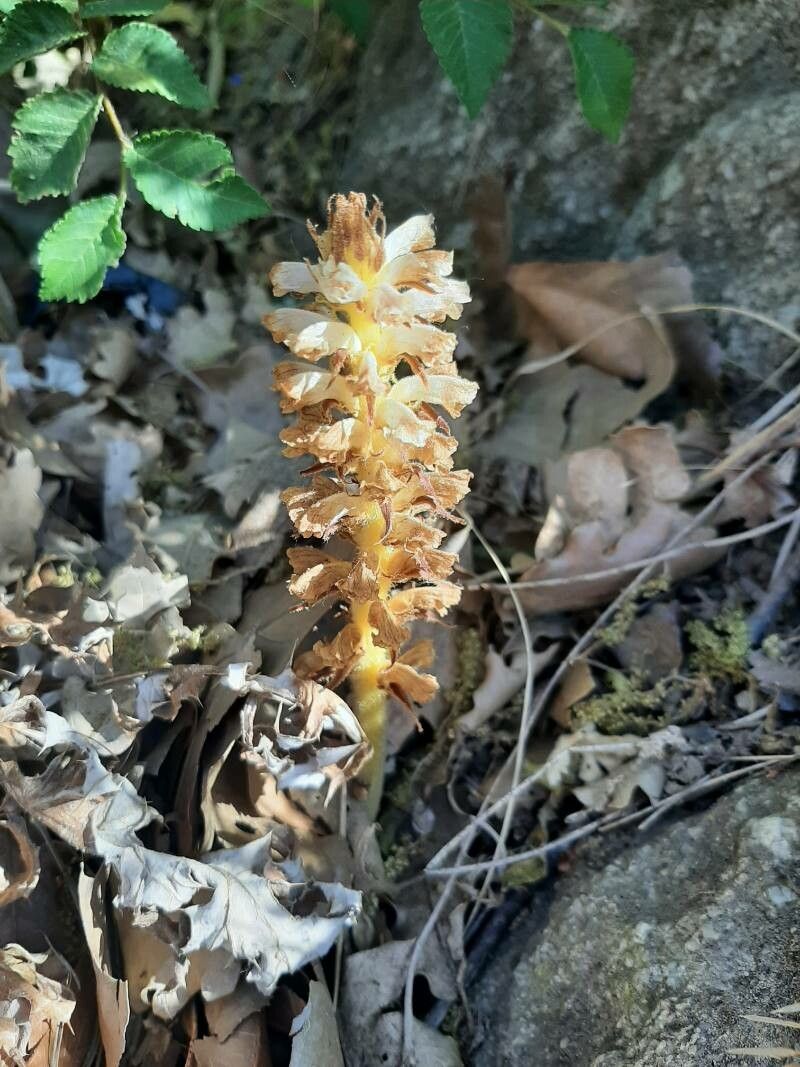
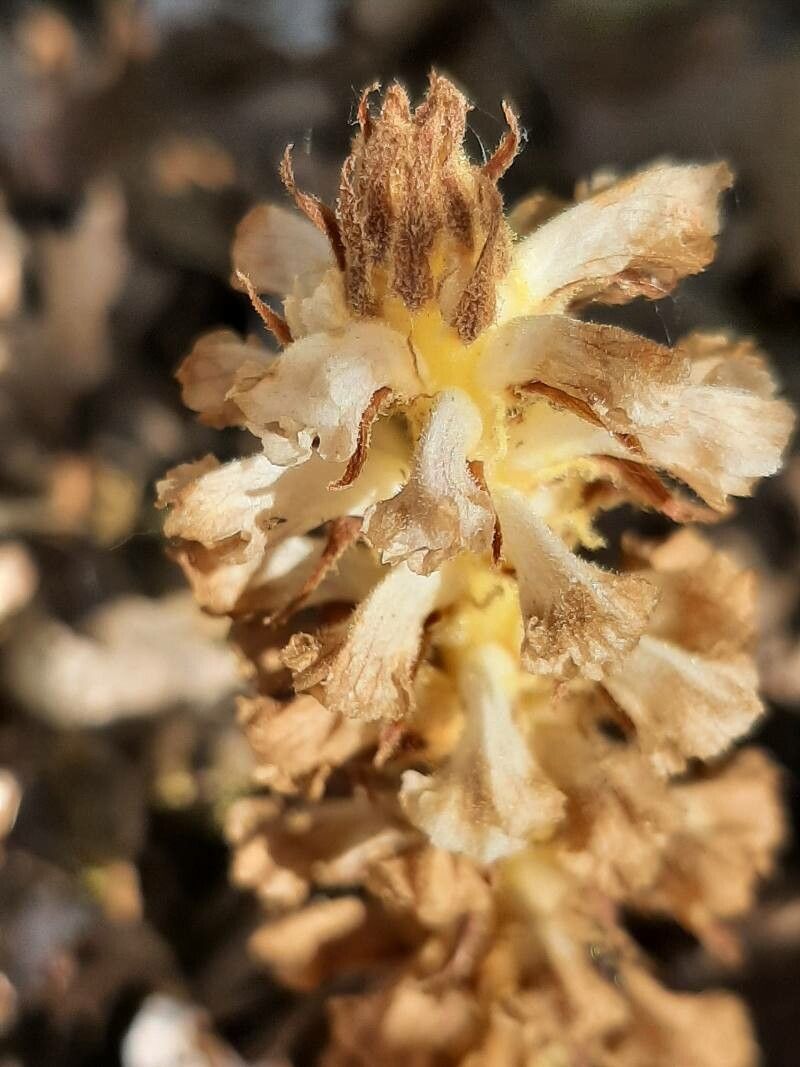
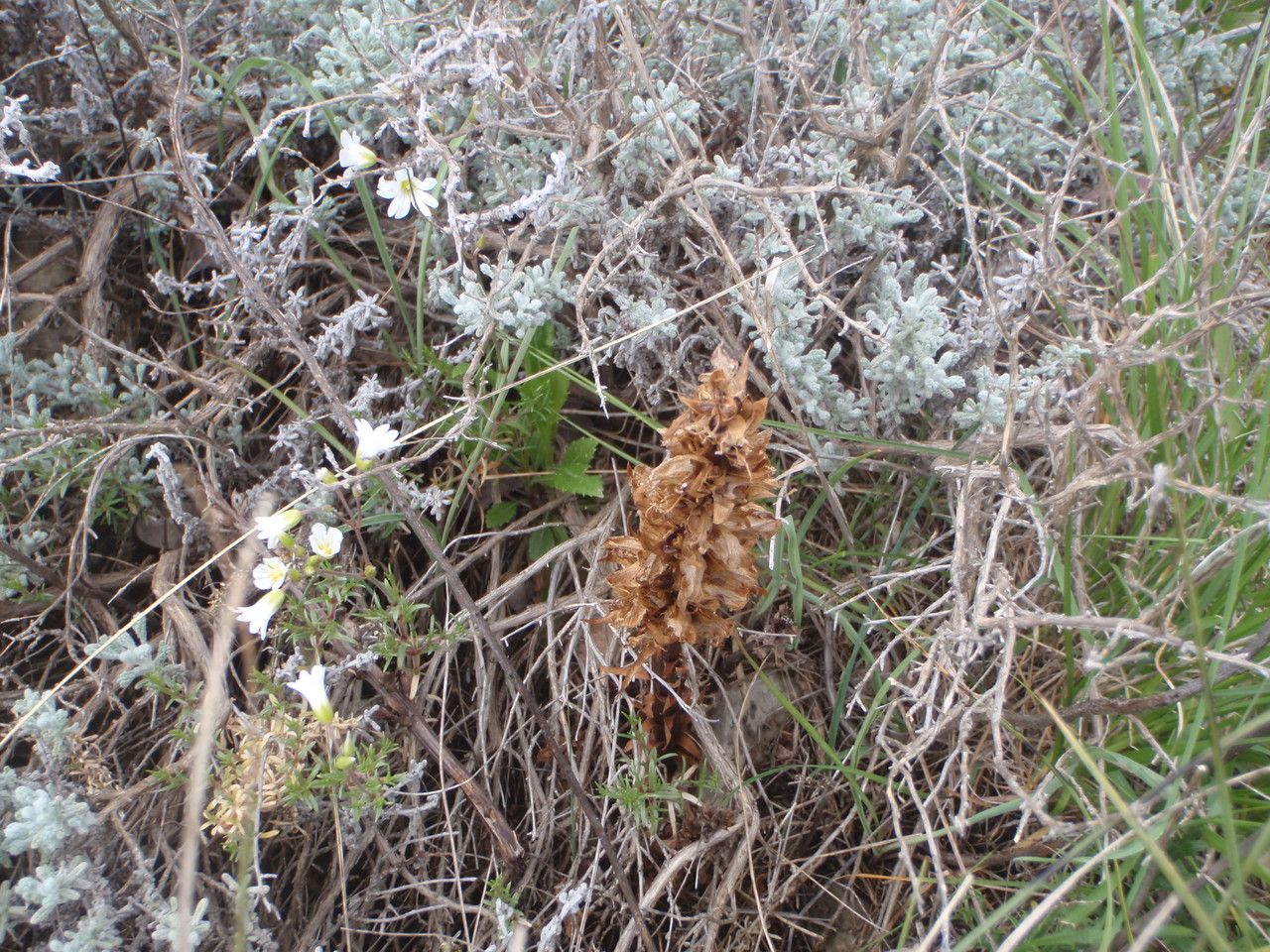
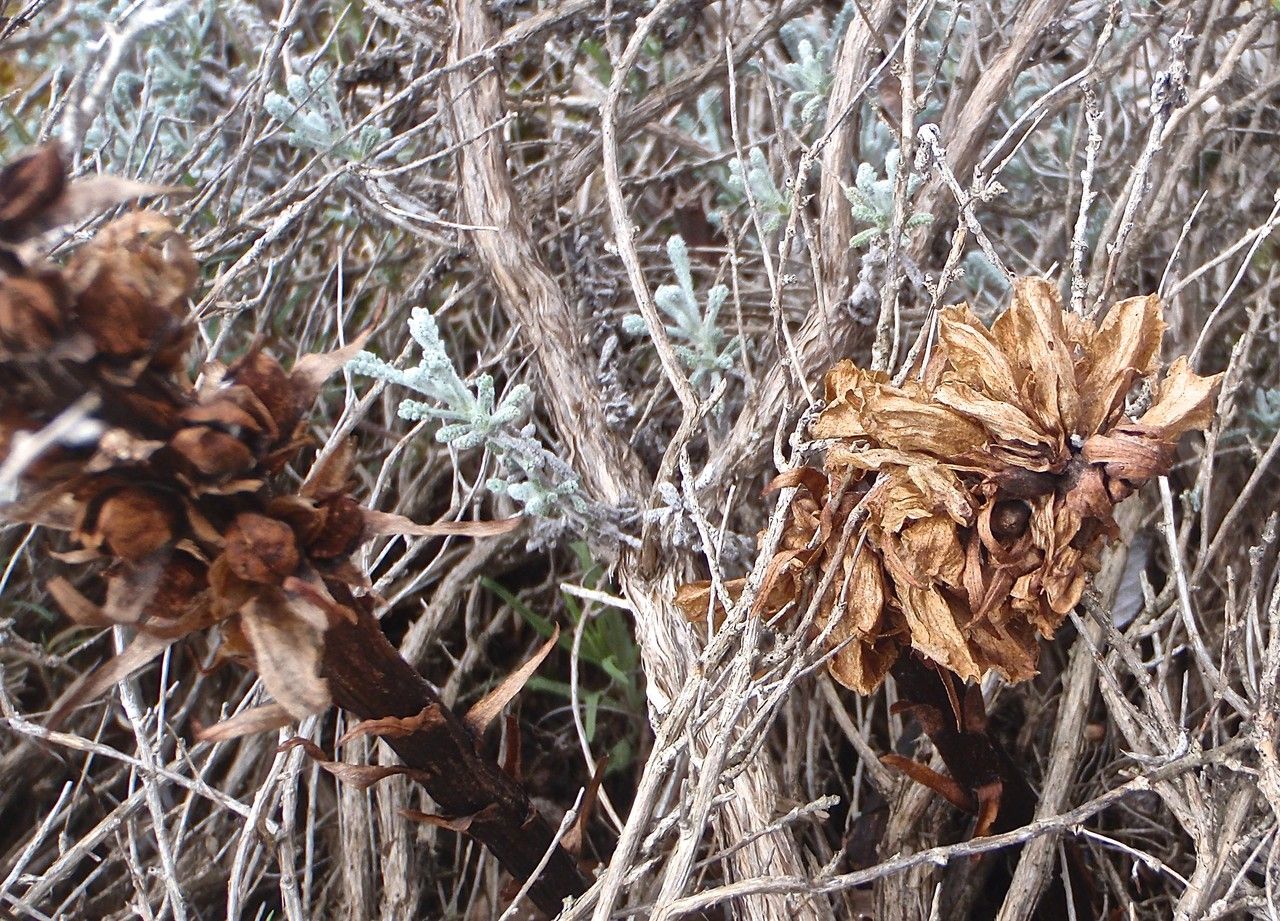
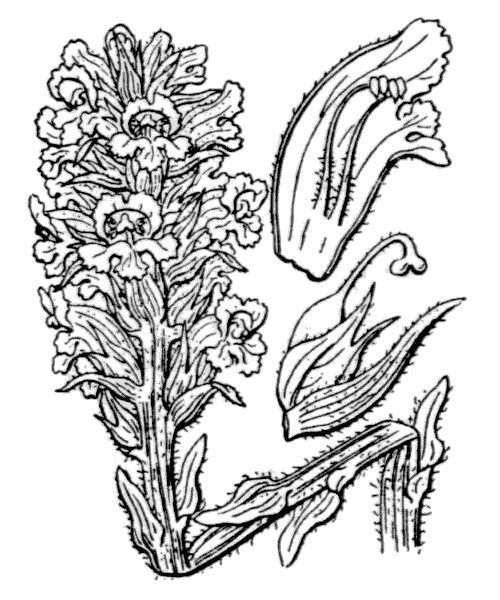
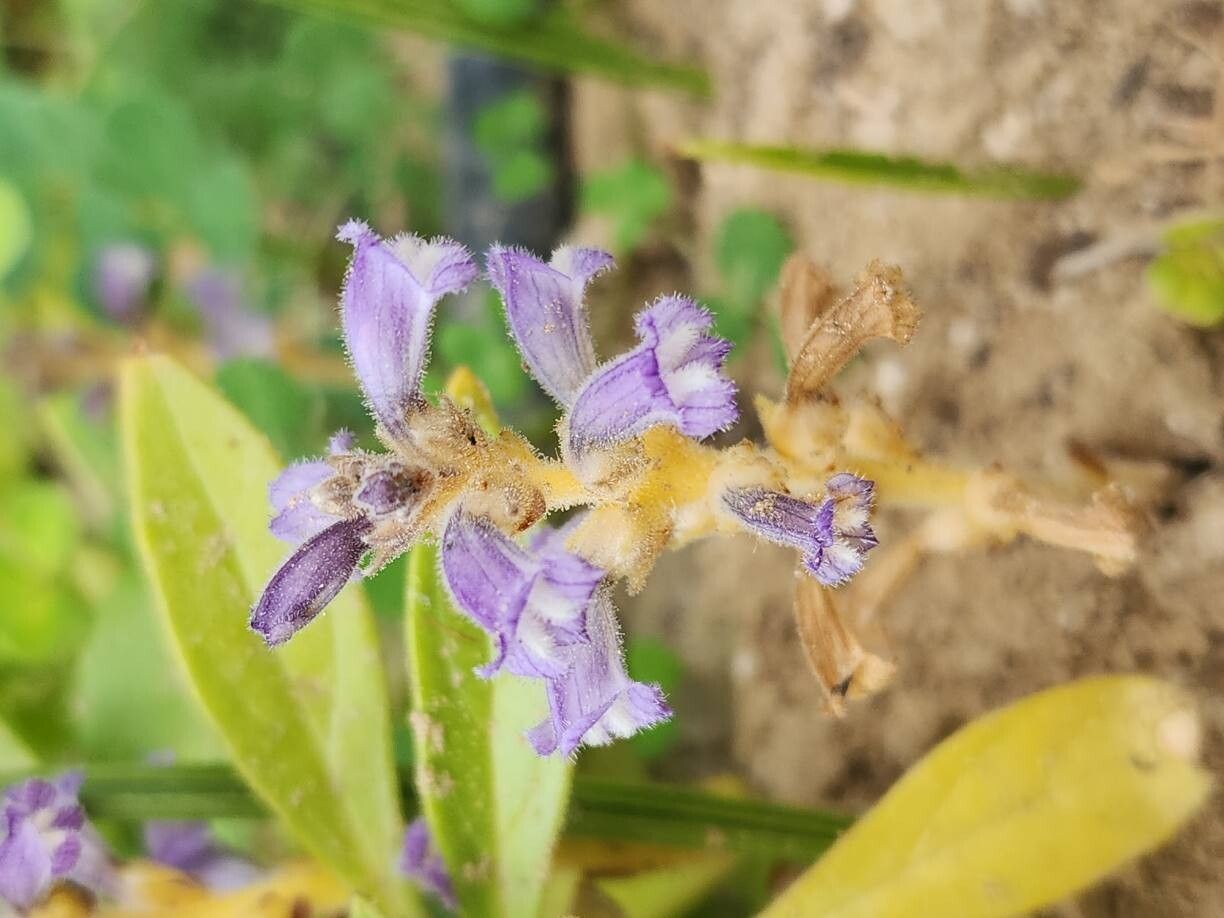
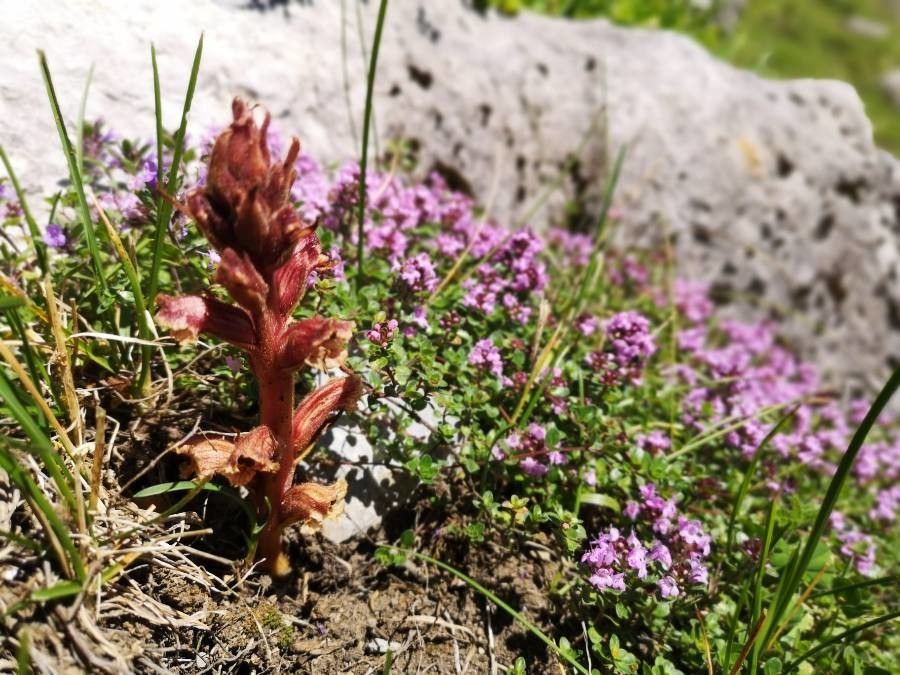
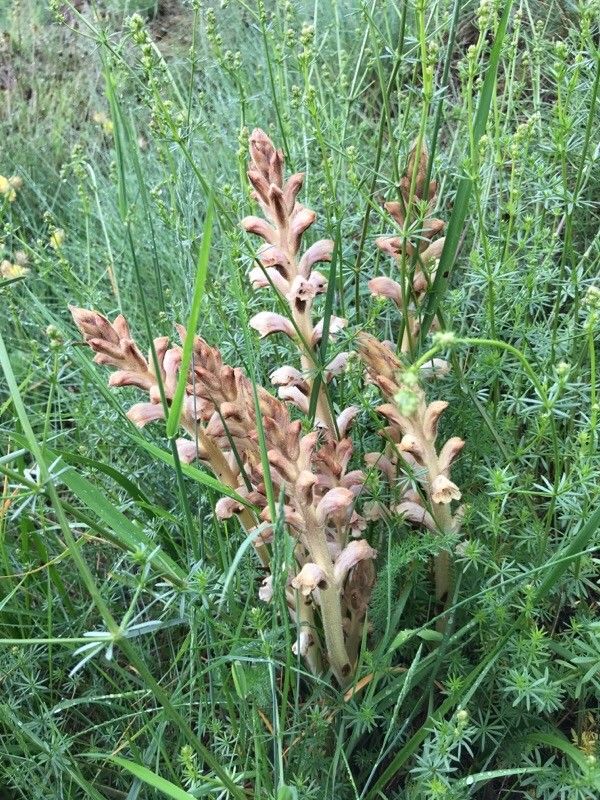
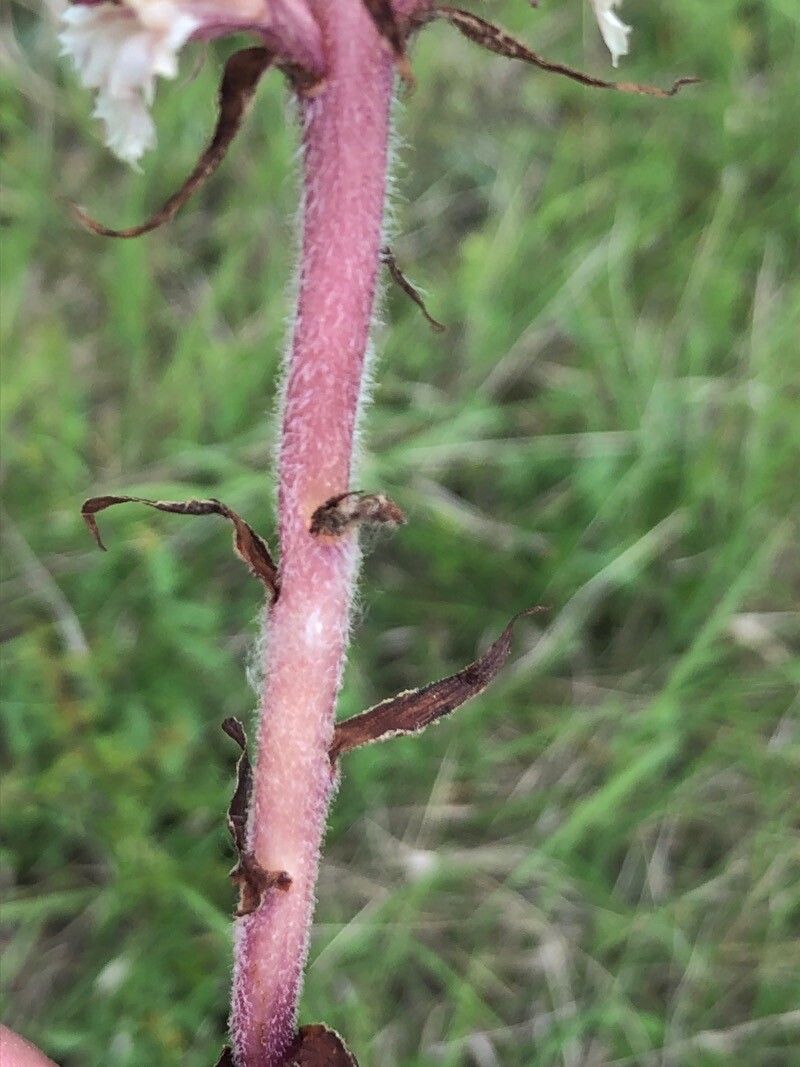
Mugwort broomrape is largely disease-resistant and typically does not suffer from many ailments. Nonetheless, it can be vulnerable to pests and diseases present in its environment, though such infections are usually mild. In terms of care, the plant requires moderate maintenance. Regular pruning is needed to preserve a tidy appearance and support healthy growth. Fertilizing can also help encourage flowering. Mugwort broomrape is suitable for anyone with outdoor space, such as a garden or patio, and does not demand extensive gardening experience. It may need more attention when cultivated indoors.
How to keep Orobanche Santolinae.
Light
The mugwort broomrape is native to areas with filtered sunlight, like undergrowth of woods or rocky locations offering natural cover. It flourishes in semi-shade but can also acclimate to fully sunlit conditions.
Temperature
The Mugwort broomrape possesses the capacity to tolerate various temperature conditions, however, certain mixtures of heat and water circumstances could still restrict its spread. It flourishes optimally in hot climates during summer when there's sufficient rainfall or watering. Extended spells of overcast and rainy conditions, as well as extended high temperature, can heighten the chances of the Mugwort broomrape perishing. During the winter, suitable protection from the cold can enhance the survivability of the plant.
Fertilizer
Frequent applications of mild fertilizers can aid in the healthy growth of Mugwort broomrape leaves. During the summer season, it is advisable to fertilize Mugwort broomrape about once a month. Nitrogen plays a vital role in leaf development, and feeding the plant with nitrogen-rich additives supports the prosperity of Mugwort broomrape.
Botanical profile.
- Plant Type
- Herb
- Life Cycle
- Annual
- Genus
- Orobanche
- Family
- Orobanchaceae
- Hardiness Zone
- 5-9
- Mature Height
- 20 cm to 61 cm
- Mature Spread
- 10 cm to 30 cm
- Leaf Color
- Brown, Tan
- Leaf Type
- Deciduous
- Flower Size
- 1.52 cm to 2.54 cm
- Bloom Time
- Early summer, Mid summer
- Planting Time
- Spring, Summer
- Harvest Time
- Mid summer, Late summer
- Native Area
- Tunisia, Austria, Czech Republic, Slovakia, Montenegro, Bulgaria, Poland, Greece, Croatia, Slovenia, Morocco, Ukraine, Serbia, Hungary, Germany, Italy, Spain, Switzerland, Denmark, Netherlands, France, Iran, Albania, United Kingdom, Romania, Algeria, Belgium, Portugal