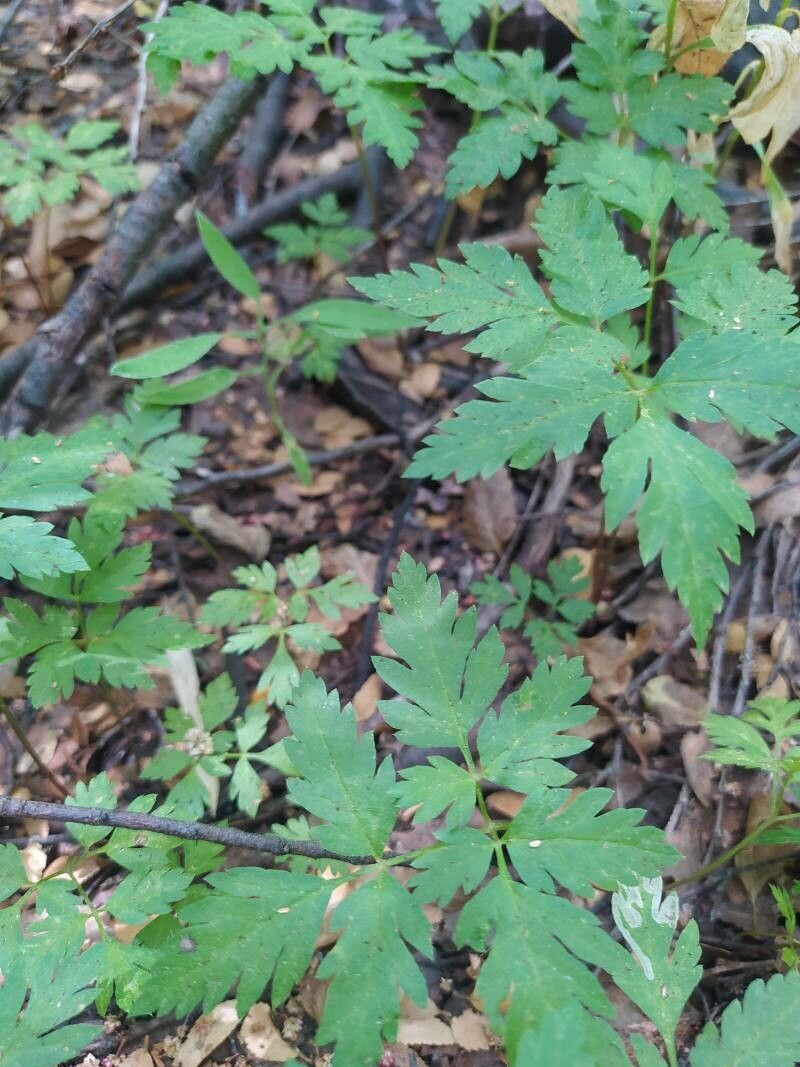
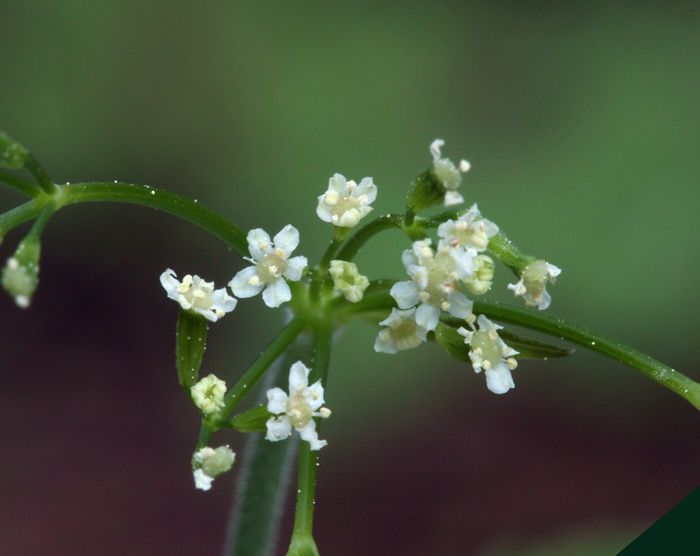
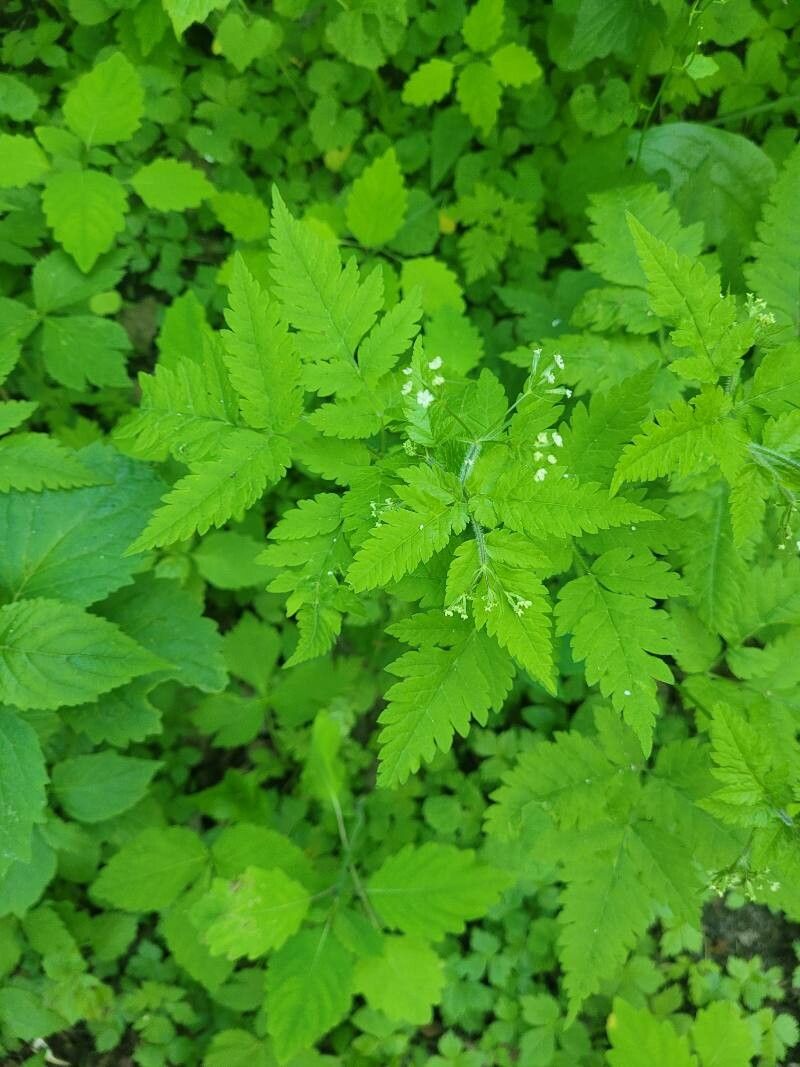
Osmorhiza depauperata is a species of flowering plant in the carrot family known by the common names bluntseed sweetroot and blunt-fruited sweet-cicely.
Bluntseed sweetroot is fairly disease-resistant and generally not prone to illnesses. However, it can be vulnerable to pests and diseases present in its surroundings. These issues are usually mild. For care, the plant requires moderate maintenance. It should be pruned regularly to maintain a neat appearance and healthy growth. Fertilizing can also help encourage flowering. Bluntseed sweetroot is suitable for anyone with outdoor space, such as a garden or patio, and does not demand extensive care experience. It may need more attention when grown indoors.
How to keep Osmorhiza Depauperata.
Light
The bluntseed sweetroot performs best in partially shaded conditions; this is essential for its healthy development. Native to habitats that are not fully exposed to sunlight, it tolerates low light levels. However, too much light typically harms the plant and can result in growth problems.
Water
Bluntseed sweetroot is well-suited to moderate moisture conditions and thrives in evenly moist soil, reminiscent of its natural woodland habitat. It needs to be watered weekly and is typically grown outdoors in dappled light. The plant benefits from natural rainfall, which is essential for maintaining its hydration balance.
Temperature
Bluntseed sweetroot can adjust to a broad spectrum of temperature conditions, though its distribution may still be constrained by particular combinations of moisture and heat. It performs best in warm summer climates with adequate rainfall or watering. Extended periods of cloudy, rainy weather, as well as prolonged high temperatures, can raise the risk of Bluntseed sweetroot dying. In winter, suitable protection from cold can improve the plant's chances of survival.
Fertilizer
One fertilization in spring is generally enough for Bluntseed sweetroot, although repeated feedings can enhance growth. Apply fertilizer about every month to a month and a half. Fertilizing improves the leaves’ appearance and function, helping maintain even color and a healthy texture. It also encourages root development and better nutrient uptake for long-term plant health.
Pruning
Bluntseed sweetroot is characterized by its aromatic roots and delicate leaves. To encourage healthy growth, lightly prune the plant from early to late spring, concentrating on removing any dead or damaged stems. It's important to avoid heavy pruning to prevent stressing the plant. Regular, light pruning enhances air circulation and helps prevent disease, promoting optimal health in your garden.
Botanical profile.
- Plant Type
- Herb
- Life Cycle
- Perennial
- Genus
- Osmorhiza
- Family
- Apiaceae
- Hardiness Zone
- 3-7
- Mature Height
- 76 cm
- Mature Spread
- 20 cm to 40 cm
- Leaf Color
- Dark Green, Forest Green
- Leaf Type
- Deciduous
- Flower Color
- White
- Flower Size
- 0.51 cm
- Bloom Time
- Mid spring, Late spring
- Planting Time
- Spring, Summer, Autumn
- Harvest Time
- Early summer, Mid summer
Other names.
Reader questions.
What are the sunlight requirements for Bluntseed sweetroot?
Bluntseed sweetroot requires partial sun, meaning about 3-6 hours of sunlight daily. It's crucial to observe the sunlight movement in your garden to ensure spots provide the ideal balance of light and shade, ensuring the plant's well-being. Excessive light can harm the plant, leading to potential growth issues. It thrives in semi-lit conditions, originating from environments not fully exposed to sunlight, and can manage with minimal light exposure.
How can artificial lighting support the growth of indoor Bluntseed sweetroot plants?
Indoor Bluntseed sweetroot plants benefit significantly from artificial lighting, especially when natural sunlight is insufficient, like in winter or less sunny spaces. LED lights are recommended for they can be adjusted to supply specific light wavelengths needed by plants. The ideal artificial light intensity varies by plant type: 30-50W/sq ft for full sun plants, 20-30W/sq ft for partial sun plants, and 10-20W/sq ft for full shade plants. The light source should be placed 12-36 inches above the plant to mimic natural conditions, and most plants thrive with 8-12 hours of light per day.
What are the symptoms of light deficiency or excessive light in Bluntseed sweetroot?
Bluntseed sweetroot shows specific symptoms under light deficiency, such as smaller new leaves, leggy or sparse growth, faster leaf drop, slower or no new growth, lighter-colored new leaves indicating a lack of chlorophyll, and various symptoms of excessive sunlight exposure like chlorosis, sunscald, leaf curling, wilting, and leaf scorching. These signs help identify the plant's needs for either more or less sunlight.
How can you improve the light conditions for Bluntseed sweetroot?
Improving light conditions for Bluntseed sweetroot involves several strategies. For indoor plants, gradually shift them to sunnier spots every week to receive 3-6 hours of direct sunlight daily, or consider using artificial light. For outdoor plants, similarly move them to progressively sunnier locations to adapt to more intense light without causing sunburn. Reducing obstructions like pruning tree branches can also help outdoor plants receive more sunlight. Remember, while affected parts may not recover, new growth should be healthy with better light exposure.