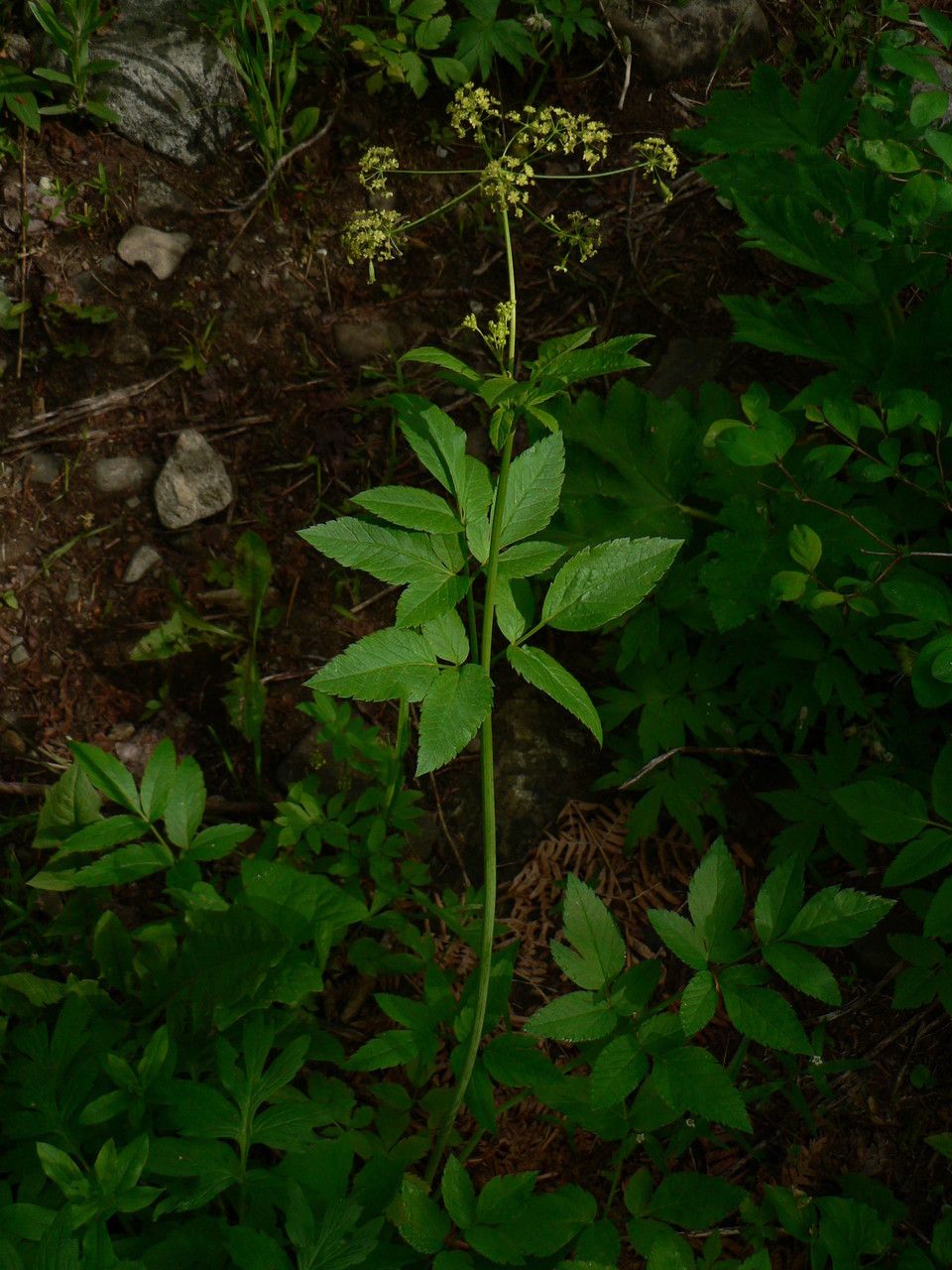
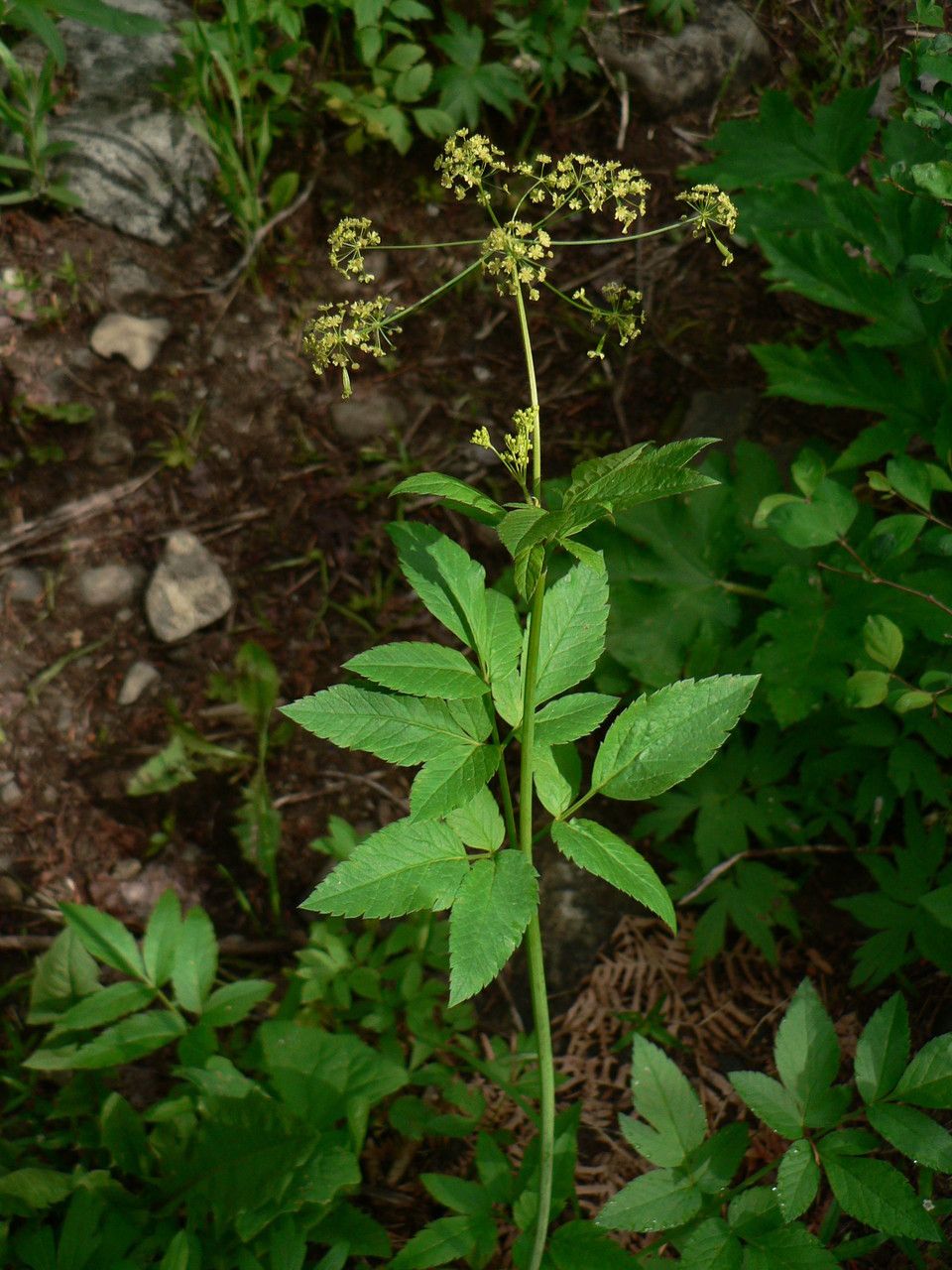
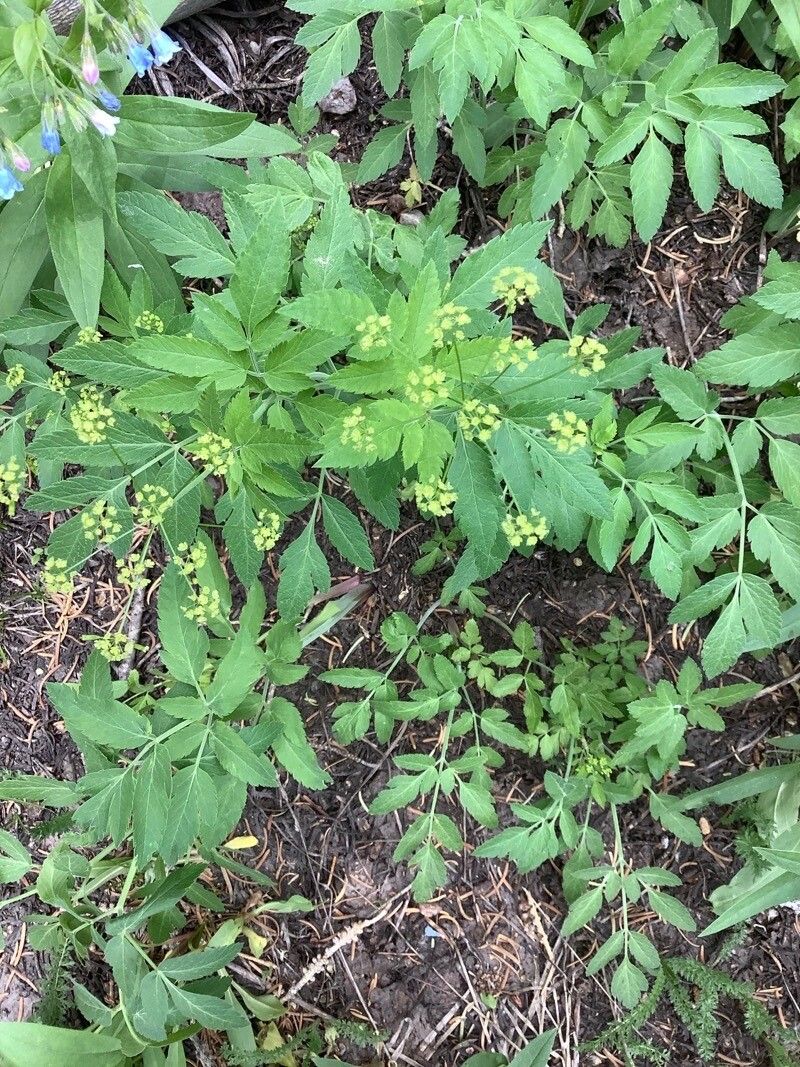
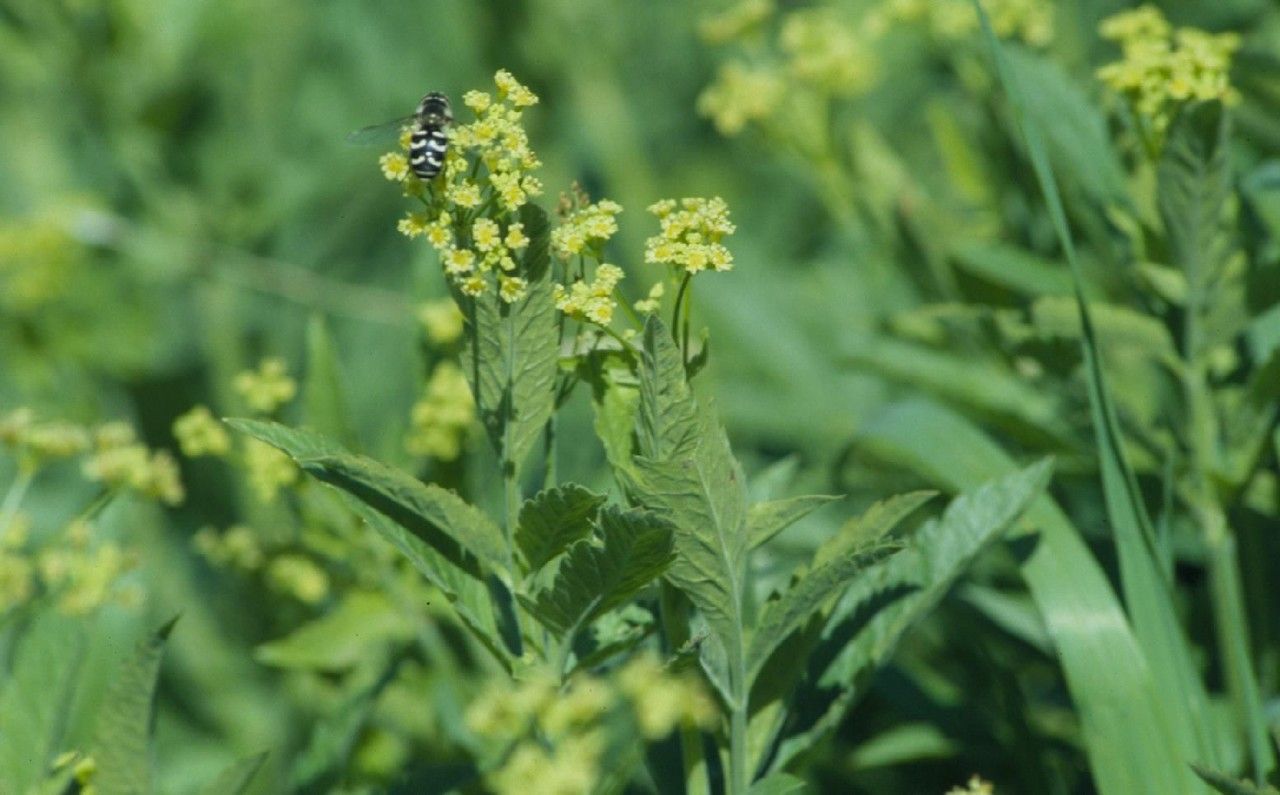
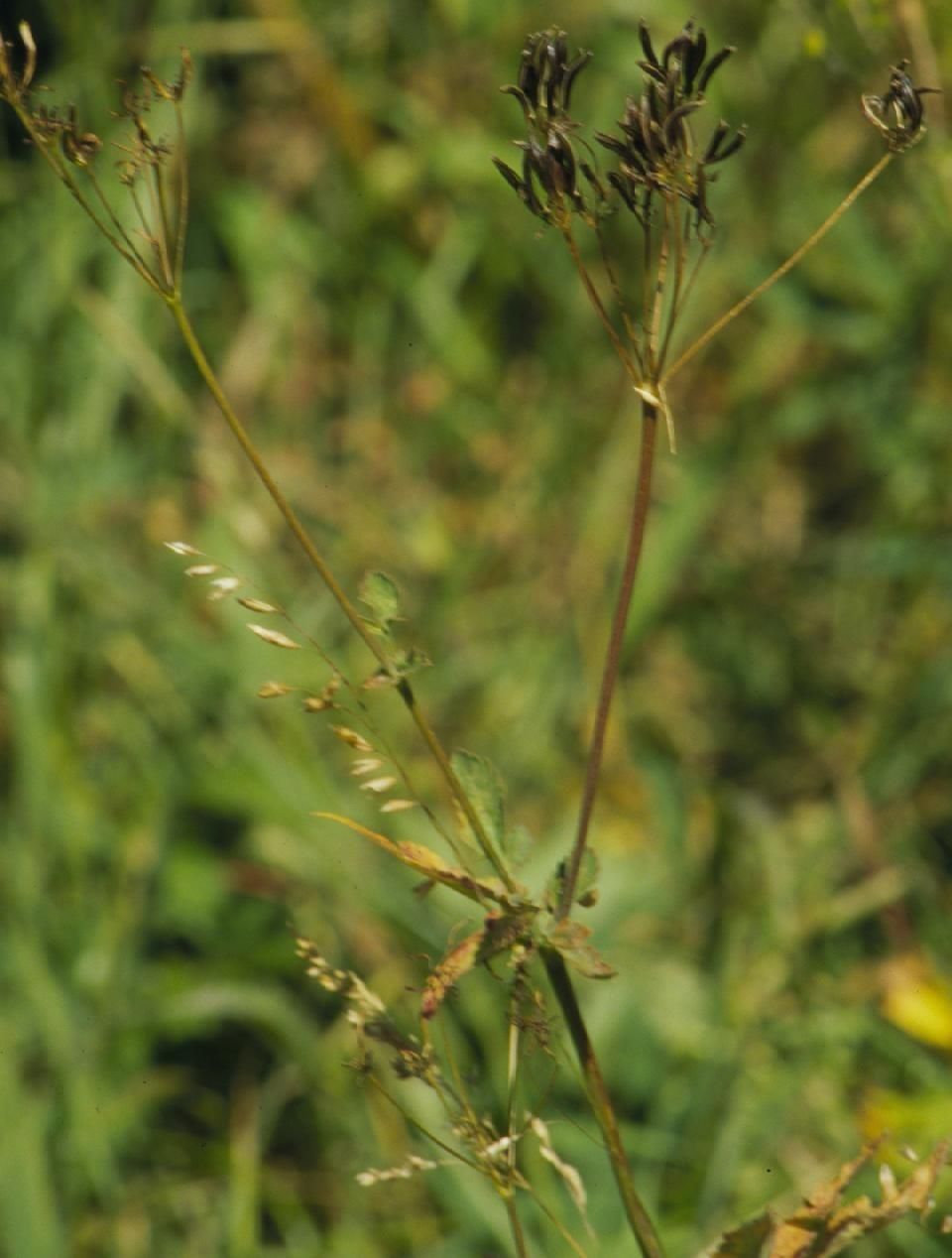
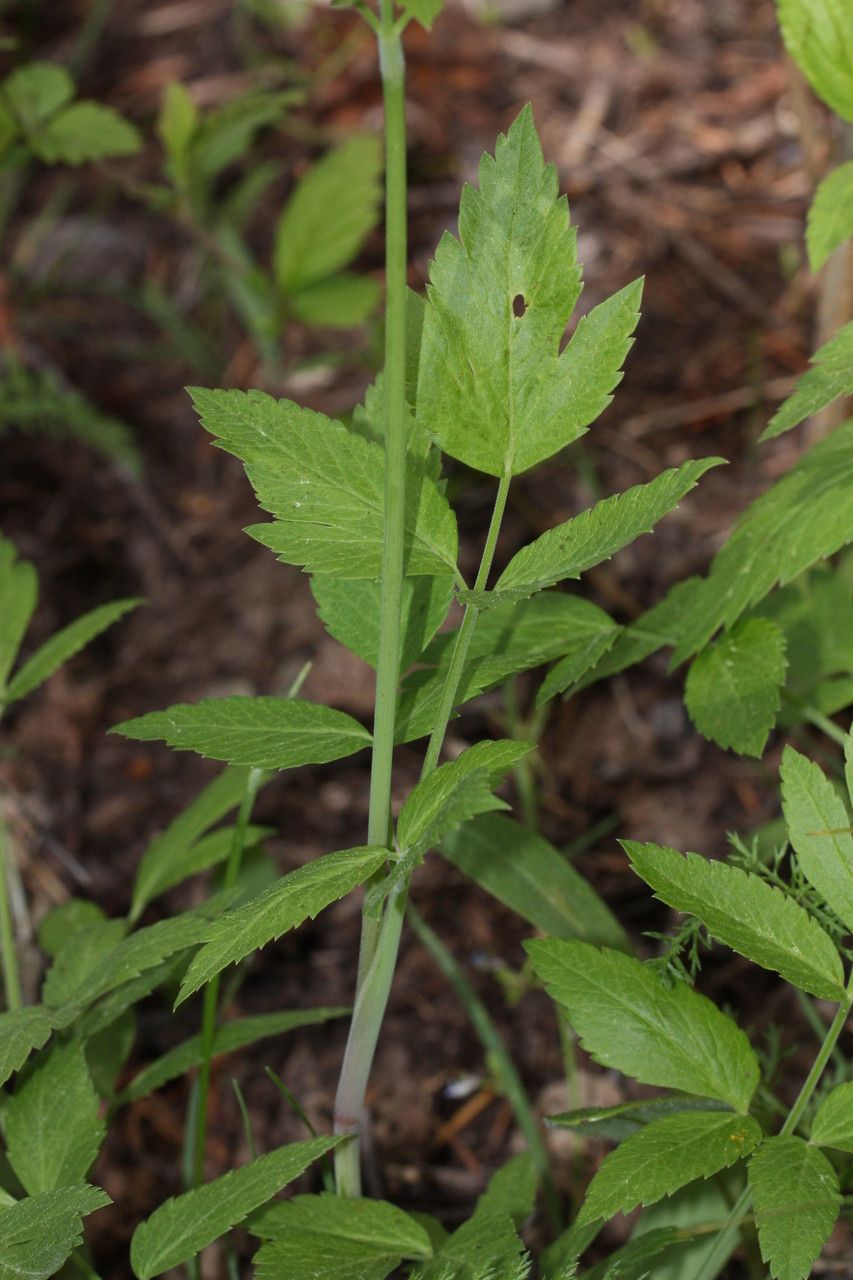
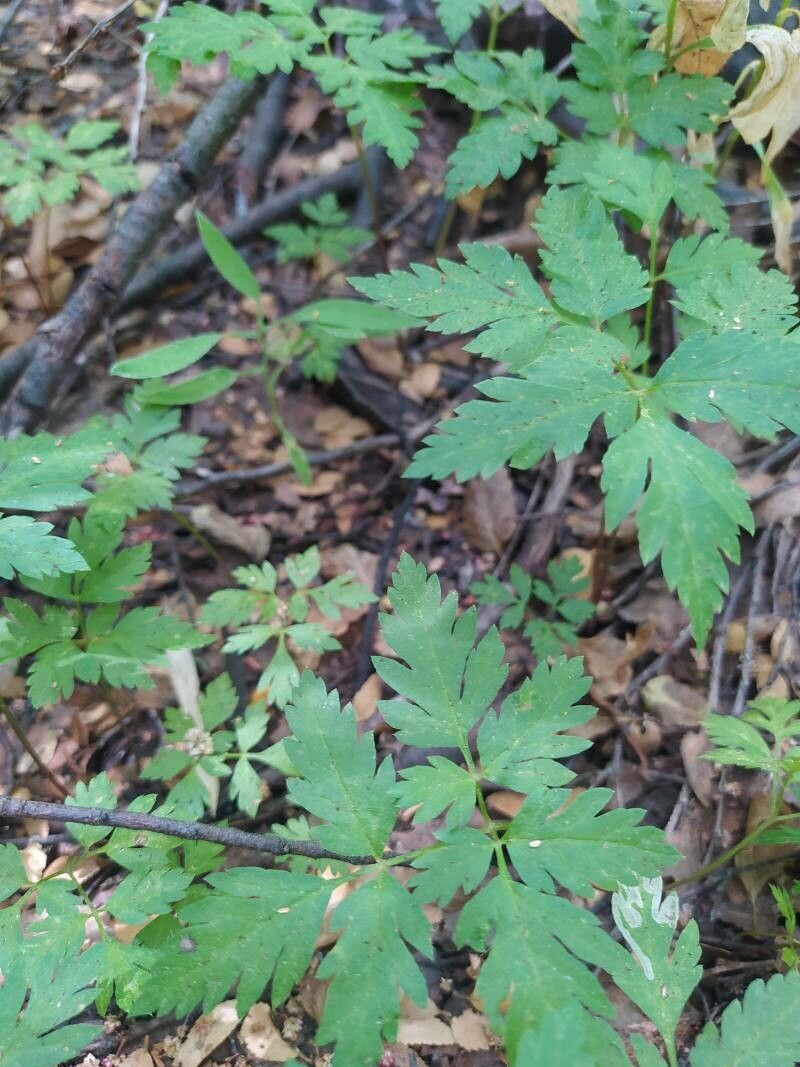
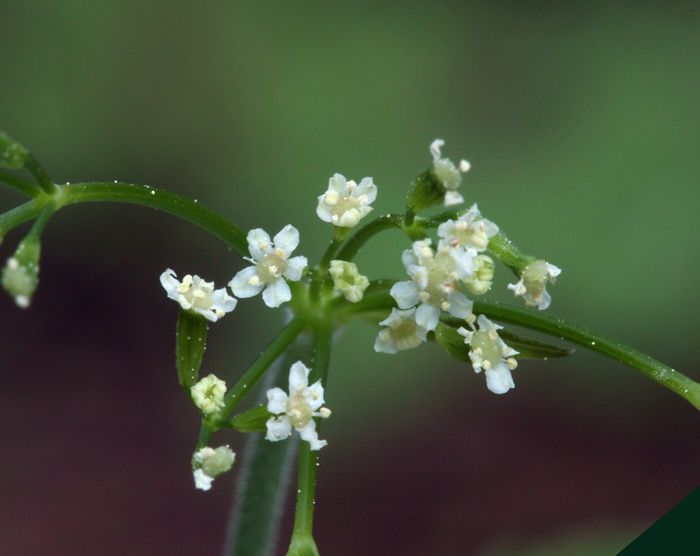
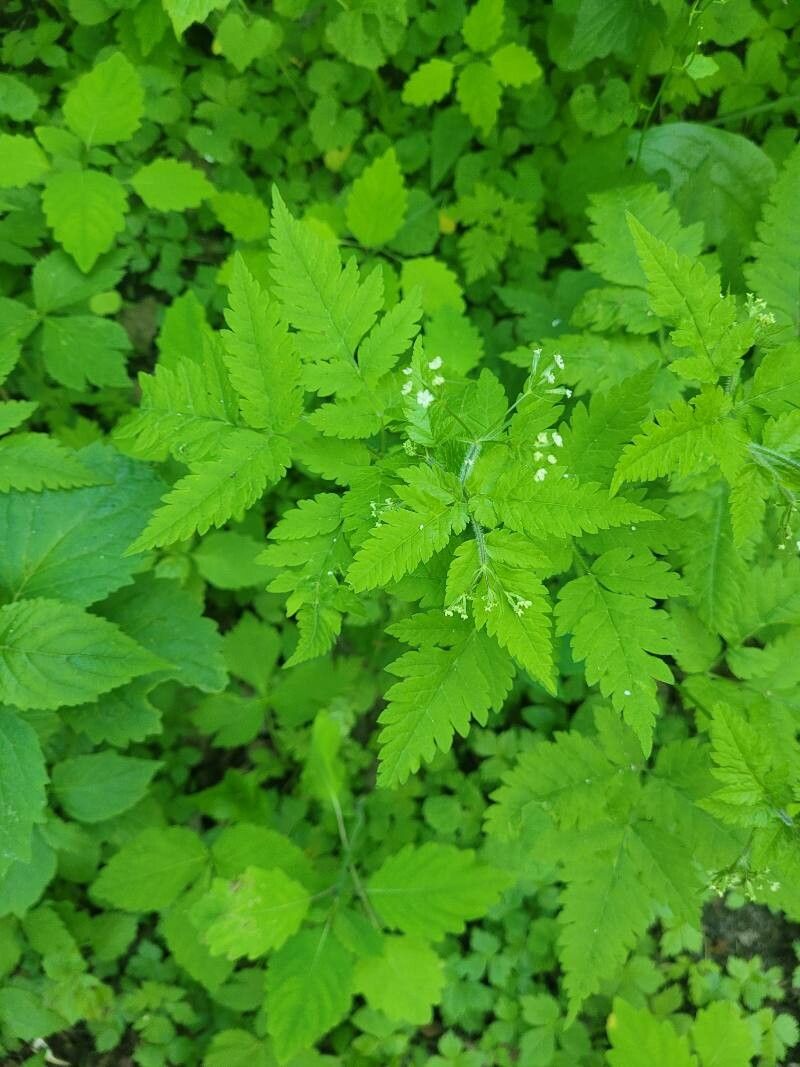
Osmorhiza occidentalis is a species of flowering plant in the family Apiaceae known by the common name western sweet cicely: 110 or western sweetroot. It is native to western North America, including the Northwestern United States and California. It grows in moist wooded and forested areas, most commonly in montane forests between 1,200–3,000 metres (3,900–9,800 ft).
Western sweetroot is fairly disease-resistant and typically not prone to illnesses. That said, it can be affected by pests and diseases present in its environment. These problems tend to be mild. For care, the plant needs moderate maintenance. Regular pruning is required to keep it looking good and to support healthy growth. Fertilizing can also help encourage flowering. Western sweetroot is well suited for anyone with outdoor space, such as a garden or patio, and does not demand extensive care experience. It may need more attention when grown indoors.
How to keep Osmorhiza Occidentalis.
Light
The western sweetroot grows best with plenty of sunlight, though it can also tolerate reduced light levels. It comes from habitats where sun exposure is plentiful. That background accounts for its resilience under variable lighting. Excessive light generally doesn't cause serious problems, but insufficient light can impede its healthy development.
Water
Western sweetroot thrives in consistently moist soil and does well in woodland-like conditions, although it has moderate drought tolerance. To keep it properly hydrated, it's important to water it weekly. Adding mulch can help retain moisture and reduce the need for frequent watering. This herbaceous perennial is often grown outdoors due to its advantages in sustainable gardening.
Temperature
Western sweetroot is native to regions where temperatures typically range from 41 to 95 °F (5 to 35 °C). It prefers that temperature range and thrives best in moderate climates. During seasons with extreme temperatures, adjust the environment to replicate those conditions to ensure healthy growth.
Fertilizer
A single fertilizer application in spring is generally adequate for Western sweetroot, though repeated feedings can maximize growth. Feed about once every one to one and a half months. Fertilization improves leaf appearance and function, supporting even color and a healthy texture. It also encourages root development and nutrient uptake for long-term plant health.
Pruning
Western sweetroot is known for its sweet, fragrant roots and appealing foliage. To maintain its health, prune the plant from early to late spring. This encourages better airflow and light penetration. Thinning the plant also fosters vigorous growth, reduces the risk of disease, supports root development, and enhances its medicinal properties. By following these practices, you can ensure healthy western sweetroot.
Botanical profile.
- Plant Type
- Herb
- Life Cycle
- Perennial
- Genus
- Osmorhiza
- Family
- Apiaceae
- Hardiness Zone
- 5-9
- Mature Height
- 0.3 m to 1.22 m
- Mature Spread
- 61 cm
- Leaf Color
- Green, Dark Green
- Leaf Type
- Deciduous
- Flower Color
- White
- Flower Size
- 2.54 cm
- Bloom Time
- Mid spring, Late spring
- Planting Time
- Spring, Summer
- Harvest Time
- Early summer, Mid summer
Other names.
Reader questions.
What are the sun requirements for Western sweetroot?
Western sweetroot requires full sun to thrive, meaning it needs above 6 hours of sunlight per day. However, it can also tolerate partial sun, or about 3-6 hours of sunlight. It's important to observe the movement of sunlight through your garden to find spots that offer the right balance of light and shade, ensuring the plants' well-being.
What is the ideal temperature range for Western sweetroot?
Western sweetroot, botanically known as Osmorhiza occidentalis, thrives in moderate climates with temperatures ranging from 41 to 95 °F (5 to 35 °C). The plant has a strong resistance to cold and generally does not require special frost protection measures. However, if temperatures are expected to fall below -25°C, it's important to take steps to protect the plant from the cold. During the winter, it's beneficial to water the plant abundantly before the first freeze to ensure the soil remains moist, helping the plant to avoid drought and water scarcity during the colder months.
Can Western sweetroot grow under artificial lighting?
Yes, Western sweetroot can grow under artificial lighting, which is particularly helpful when natural sunlight is insufficient, such as during winter or in less sunny spaces. For optimal growth, it's recommended to use LED lights as they can be tailored to provide specific wavelengths of light needed by the plants. The intensity of artificial light should be adjusted based on the plant's requirements: 30-50W/sq ft for full sun plants, 20-30W/sq ft for partial sun plants, and 10-20W/sq ft for full shade plants. The artificial light source should be placed 12-36 inches above the plant to mimic natural sunlight conditions, ensuring the plant receives 8-12 hours of light per day.
How does Western sweetroot react to low temperatures?
Western sweetroot is well-adapted to cold conditions and can endure winters where temperatures stay above -20°C. However, if temperatures drop below -25°C, the plant might not show immediate damage but could exhibit reduced sprouting or fail to sprout at all come springtime. To manage this, it is recommended to remove any parts of the plant that have not sprouted once spring arrives, to encourage healthy growth.
What are the signs of insufficient sunlight for Western sweetroot and how can it affect the plant?
Signs of insufficient sunlight in Western sweetroot include smaller new leaves, leggy or sparse growth, faster leaf drop, slower or no new growth, lighter-colored new leaves indicating a lack of chlorophyll, chlorosis (leaves turning yellow), sunscald (pale or necrotic areas on leaves or stems due to intense sunlight), leaf curling, wilting, and leaf scorching (brown, dry, crispy edges on leaves). These symptoms suggest the plant may struggle with photosynthesis and overall health due to either too little or too much sunlight exposure.
What should be done if Western sweetroot is subjected to high temperatures?
During the summer months, it's crucial to ensure the temperature surrounding Western sweetroot does not exceed 35°C. Exposure to temperatures above 38°C can lead to the plant's leaves turning lighter in color, curling, and becoming susceptible to sunburn, which in severe cases can result in the plant wilting and drying out. To mitigate these issues, it's advised to trim away any sunburned or dried parts of the plant. Additionally, moving the plant to a shaded area during the peak midday and afternoon sun or using a shade cloth can protect it. Keeping the soil moist by watering in the morning and evening will also help the plant remain healthy under high temperatures.
How can I address sunlight-related issues for indoor, outdoor, and ground-planted Western sweetroot?
To address sunlight-related issues, gradually increase sunlight exposure for Western sweetroot to ensure it receives at least 6 hours of direct sunlight daily. For indoor plants, consider moving them to a sunnier location or using artificial lighting like desk or ceiling lamps, or even professional grow lights, for at least 8 hours daily. For outdoor plants, move them gradually to a sunnier spot to avoid sunburn. If sunlight is obstructed, prune any branches or leaves blocking the light, or consider transplanting smaller plants to a location with ample sunlight and good drainage during their dormant period.