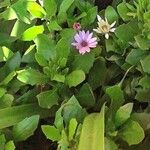
Osteospermum ecklonis
کیپ ڈیزی · Cape Daisy · African daisy · Blue and white daisybush · Freeway daisy
Description
Source: leafsnapOsteospermum ecklonis, commonly known as the African daisy or Cape daisy, is a flowering plant native to South Africa. It belongs to the Asteraceae family and is a popular garden choice due to its attractive and colorful blooms. The plant typically grows between 30 to 60 cm in height and produces large, daisy-like flowers in shades of pink, purple, white, or yellow, all with dark centers. The leaves are green, slightly hairy, and have toothed edges. Osteospermum ecklonis thrives in full sun but can tolerate partial shade in hot climates. It prefers well-draining soil rich in organic matter and requires regular watering during the growing season, though it can withstand drought conditions once established. The African daisy blooms from spring through fall, and deadheading the spent blooms promotes continuous flowering throughout the season. It attracts pollinators such as bees and butterflies, making it an excellent addition to any garden or landscape design. Overall, Osteospermum ecklonis is an easy-to-grow perennial that adds vibrant color to any outdoor space while also providing ecological benefits for local wildlife populations.
🌳 Although it resembles an ordinary daisy, cape marguerite hides a surprising secret. Native to Africa, it is used in the cleaning sector. Extracts from cape marguerite are included in environmentally friendly cleaning products because of the plant's powerful natural cleansing properties, illustrating nature's ability to provide sophisticated solutions. This seemingly common plant is transforming the detergent market through its sustainable contribution.
🎭 Stillness, purity, naivety
Care Guide
💧 Water Every 7 days
The Cape marguerite, native to the arid regions of South Africa, thrives in well-drained soil with minimal moisture. It is best watered weekly, as it can tolerate brief periods of drought. Proper watering encourages vibrant flowers during the growing season. When watering, ensure the soil is thoroughly soaked, but be careful to prevent root rot by providing adequate drainage.
When Should I Water My Cape Marguerite?
Timely watering is essential for the health and growth of Cape Marguerite (Osteospermum ecklonis). Look for signs such as wilted or curled leaves, dry topsoil, and slow growth, which indicate the need for water. It is vital to strike a balance as both overwatering and underwatering can harm the plant. Overwatering may lead to root rot, yellow leaves, and increased susceptibility to disease, while underwatering can cause the roots to become dry and brittle, leading to leaf drop and slowed growth. Pay attention to these indicators to ensure your cape marguerite receives the right amount of water.
How Should I Water My Cape Marguerite?
Cape Marguerite has specific watering needs that should be carefully observed for optimal health. Utilizing a bottom-watering technique ensures the roots receive sufficient moisture without saturating the surface excessively, thus preventing potential fungal disease. When watering with a can, opt for a narrow-spouted one to minimize foliage wetness and direct the flow to the base of the plant. These methods aim at targeted hydration that benefits the cape marguerite's overall well-being and minimizes disease risks.
How Much Water Does Cape Marguerite Really Need?
Cape Marguerite prefers regular, light watering to deep soakings due to its relatively shallow root system. The amount of water needed varies with the plant and pot size, ranging from 1/4 to 1 cup per session. Properly hydrated cape marguerite will display vibrant, healthy leaves, and produce plentiful flowers. To prevent issues like root rot or stressed plants resulting from over or underwatering, ensure the soil is slightly moist but not saturated and adjust your watering quantity as needed, considering factors such as plant and pot size.
What Kind of Water is Best for Cape Marguerite?
Cape Marguerite shows moderate water sensitivity, preferring distilled or rainwater due to their purity and beneficial mineral content. Tap water is less ideal because of potential chlorine, fluoride, and other chemical contents, which can stress the plant, especially given its high sensitivity to chlorine and moderate sensitivity to fluoride. To mitigate the harmful effects, dechlorinate tap water by letting it sit for 24 hours or use filtered water. Room temperature water is preferable to avoid shocking the plant's system.
How Do Cape Marguerite's Watering Needs Change with the Seasons?
Cape Marguerite's watering needs vary through the seasons. In spring, increased watering supports growth and blooming. During the hot summer months, maintain regular watering to prevent drying out, adjusting for evaporation. As the plant prepares for dormancy in autumn, reduce watering but ensure consistent moisture. Water sparingly in winter when growth slows significantly, being cautious to avoid waterlogging and frost damage. These adjustments ensure the plant remains healthy year-round.
☀️ Light Full sun
The cape marguerite grows most vigorously with ample sunlight, which supports its strong development. While it tolerates shadier locations, it gains the most vigor from plentiful sun. Its native occurrence in bright environments explains this preference. Excessive sun can cause stress, whereas insufficient light can limit flowering and growth.
What are the sunlight requirements for Cape Marguerite?
Cape Marguerite, or Osteospermum ecklonis, thrives in environments with generous sun exposure, requiring full sun for over 6 hours a day for optimal growth. It can also adapt to partial sun, about 3-6 hours of sunlight daily. However, in places with insufficient light, it might exhibit stunted growth and reduced flowering. It's vital to observe how sunlight moves through your garden to find the ideal balance of light and shade, ensuring the plant's health and happiness.
How does artificial lighting assist indoor Cape Marguerite plants?
When natural sunlight is insufficient, particularly for indoor Cape Marguerite plants during winter or in less sunlit spaces, artificial lighting can be a crucial solution. It promotes healthier and faster growth by compensating for the lack of natural sunlight. LED lights are recommended due to their ability to provide specific wavelengths needed for plant growth. Full sun plants should receive 30-50W/sq ft of artificial light, partial sun plants need 20-30W/sq ft, and full shade plants require 10-20W/sq ft. The light source should be placed 12-36 inches above the plant, mimicking natural sunlight's distance and providing 8-12 hours of light per day.
What are the symptoms of inadequate sunlight for Cape Marguerite?
Cape Marguerite shows several symptoms when exposed to inadequate sunlight. These include smaller new leaves compared to older ones, leggy or sparse growth with increased space between leaves or stems, early leaf drop to conserve resources, slowed or stopped growth due to the plant entering survival mode, lighter-colored or pale new leaves indicating a lack of chlorophyll, and conditions like chlorosis (leaves turning yellow), sunscald (pale or necrotic areas on leaves), leaf curling (as a defense mechanism against too much sunlight), wilting (due to loss of turgor pressure), and leaf scorching (brown, dry edges on leaves). These symptoms highlight the plant's struggle with either too much or too little sunlight.
What solutions are recommended for Cape Marguerite receiving inadequate sunlight?
For indoor Cape Marguerite plants, gradually moving them to sunnier spots each week until they receive at least 6 hours of direct sunlight daily is recommended. Utilize south-facing windows and keep curtains open during the day. If relocation is not feasible, consider artificial lighting, such as desk lamps or professional grow lights, for at least 8 hours a day. For outdoor plants, also gradually acclimate them to sunnier locations to prevent sunburn. Pruning nearby trees or shrubs that cast shade can also improve sun exposure. For plants in the ground that suffer from insufficient sunlight, consider transplanting them during their dormant period to a brighter location with good drainage, making sure to carefully move the soil ball and roots together. It's important to note that while parts of the plant damaged by insufficient light may not recover, new growth should be healthy with improved lighting conditions.
🌡️ Temperature 15–37.8°C
Cape marguerite prospers in its native habitat when specific temperature conditions are met. It favors temperatures ranging from 15 to 38 °C (59 to 100.4 °F). As a temperate woody plant, it adjusts well to different climates. Temperature modifications may be needed across seasons. Protecting it from extreme cold and ensuring good ventilation in cooler periods, while providing shade and sufficient watering during hotter months, supports its optimal growth and vigor.
What are the ideal temperature conditions for Cape Marguerite's growth?
Cape Marguerite, also known as Osteospermum ecklonis, flourishes best in temperatures ranging from 15 to 38 °C (59 to 100.4 °F). It's a temperate woody plant that adapts well to varying climates. Adjusting the temperature according to the season is crucial for its growth and vitality. During cooler periods, it is important to protect the plant from extreme cold and ensure proper ventilation. Similarly, in hotter seasons, providing shade and adequate watering are essential. Cape Marguerite has strong cold resistance, and special frost protection measures are usually not necessary. However, if temperatures are expected to drop below -15°C, it's important to offer cold protection by covering the plant with soil or straw and watering abundantly before the first freeze in autumn to keep the soil moist. This helps prevent drought and water scarcity during winter and early spring.
How does Cape Marguerite react to temperatures below -15°C?
Cape Marguerite is notably cold-tolerant and performs optimally when temperatures are maintained above 15°C. In periods of cold, particularly if temperatures fall below -15°C, the plant will generally resist showing immediate damage through the winter. However, the impact of such low temperatures might manifest in the following spring as a reduction in sprouting or in some cases, failure to sprout altogether. In the spring, it is advised to remove any parts of the plant that have failed to sprout as a solution to foster new growth and recovery.
What should be done if Cape Marguerite experiences high temperatures?
During the summer months, it's crucial to ensure that Cape Marguerite's surrounding temperature does not exceed 38°C. If it happens to surpass 43°C, the plant might show signs of stress such as leaves becoming lighter in color, prone to curling, experiencing sunburn, and in severe cases, the plant may wilt and dry out entirely. To mitigate these risks, it’s recommended to trim away the sunburned and dried-up parts. Relocating the plant to an area with shade during the midday and afternoon sun or using a shade cloth might be necessary. Additionally, watering the plant in the morning and evening to keep the soil moist can help alleviate the stress caused by high temperatures.
💨 Humidity normal (40-60%)
This plant will thrive in moderate humidity, which is probably the level in your home. However, misting it a few times a week can be very beneficial. Make sure the room has good ventilation.
🪴 Soil 5-6
🌱 Fertilizer
The best time to fertilize a Cape marguerite is in early spring, as it comes out of dormancy and starts active growth. Fertilizing supplies essential nutrients for healthy development. Although Cape marguerite requires relatively little feeding, applying fertilizer annually can improve its survival and encourage better, longer-lasting blooms.
Why should I add fertilizer to my Cape marguerite plant?
Fertilization plays a crucial role in the growth of Cape marguerite and other plants. It provides essential nutrients that support both the aboveground and belowground growth of the plant. Although Cape marguerite has relatively low fertilization requirements and can survive without it, annual fertilization can greatly benefit the plant. It not only ensures the plant's survival but also promotes the production of longer-lasting and more beautiful flowers. For those who want their Cape marguerite to thrive and look its best, regular fertilization is recommended.
When should I fertilize my Cape marguerite plant?
The best time to fertilize a Cape marguerite is in late winter to early spring. This is when the plant is transitioning from its dormant phase to a phase of active growth. Fertilizing during this time promotes healthy growth and helps the plant start the season well. Fertilizing in early spring is generally the most beneficial, but it is also acceptable to fertilize in the fall. However, it is not recommended to fertilize during the summer or winter seasons.
When is it best to not put fertilizer on my Cape marguerite plant?
To properly fertilize your Cape marguerite, it is important to keep a few guidelines in mind. Typically, you should only fertilize this plant during late winter and early spring. This is because Cape marguerite has low fertilization needs and a single annual feeding is generally enough. Overfertilization can easily occur if you continue to fertilize throughout spring, summer, and fall, which can lead to various complications. However, there is an exception to this rule. If you didn't fertilize in spring, it is acceptable to feed the plant in the fall. Additionally, it is important to note that you should avoid fertilizing the Cape marguerite during the winter. During this time, the plant is in a dormant growth phase and does not produce new growth. Therefore, it is not advisable to fertilize during most of the winter season.
What fertilizer does my Cape marguerite plant need?
When choosing a fertilizer for your Cape marguerite, you have plenty of options. Any general-purpose fertilizer with a balanced amount of the main plant nutrients will work well. However, there are specific nutrient blends that can be even more beneficial. Many gardeners believe that higher levels of phosphorus can strengthen roots and improve flower growth, which is ideal for a flowering plant like the Cape marguerite. You can use either granular or liquid fertilizer, as long as it provides enough nutrients. If you prefer more organic options, compost, manure, and similar materials can significantly improve the quality of the soil for your Cape marguerite.
How can I make my Cape marguerite plant grow better?
To fertilize a Cape marguerite, the most common method is to use granular or pellet fertilizer applied to the soil around the plant. It's important to remember that the best time to fertilize is when the plant transitions from its winter dormant phase to active growth. In early spring, once shoots start appearing from the soil, you can apply the fertilizer. Alternatively, some people prefer using liquid fertilizer, which should be diluted with water before applying. Regardless of the type of fertilizer used, it's always recommended to moisten the soil before, during, and after applying the fertilizer.
🪴 Pot & Repot 2-3 years
When repotting Cape marguerite, select a pot 1-2 inches (2.5–5.1 cm) larger with ample drainage. Use a well-draining potting mix. Repot in spring or fall, ensuring the root ball is slightly lower than the rim of the flower pot. Water thoroughly after repotting and place in a warm spot with indirect sunlight.
✂️ Pruning
Cape marguerite thrives with proper pruning. To encourage bushier growth, trim the plant in early spring. Remove spent stalks in late winter to further promote health. This practice enhances airflow, reduces the risk of disease, and encourages prolific flowering. Regular pruning helps maintain the plant's shape by eliminating dead stems and overgrowth, resulting in a healthier plant overall.
🌿 Propagating
🐛 Diseases & pets
☠️ Toxicity
Osteospermum ecklonis has no toxic effects reported.
Characteristics
- Plant Type
- Herb
- Life Cycle
- Perennial
- Genus
- Osteospermum
- Family
- Compositae
- Hardiness Zone
- 7-11
- Mature Height
- 0.2 m to 1.52 m
- Mature Spread
- 0.61 m to 1.22 m
- Leaf Color
- Green, Silver
- Leaf Type
- Evergreen, Deciduous
- Flower Color
- White, Purple
- Flower Size
- 5.08 cm to 10.16 cm
- Bloom Time
- Mid spring, Late spring, Summer, Early fall
- Planting Time
- Spring
- Harvest Time
- Late spring, Summer, Fall
- Native Area
- South Africa