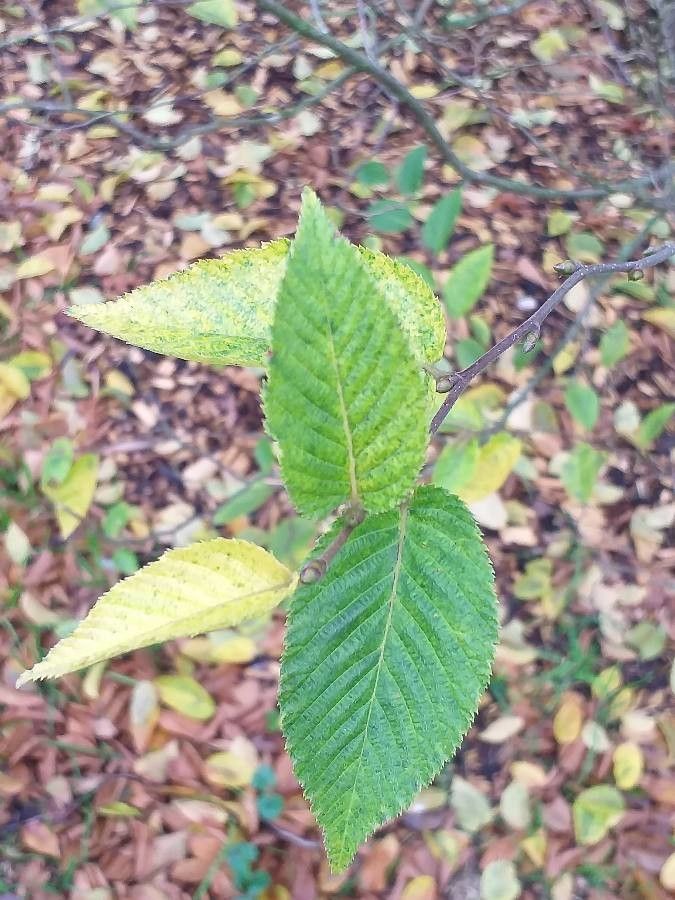
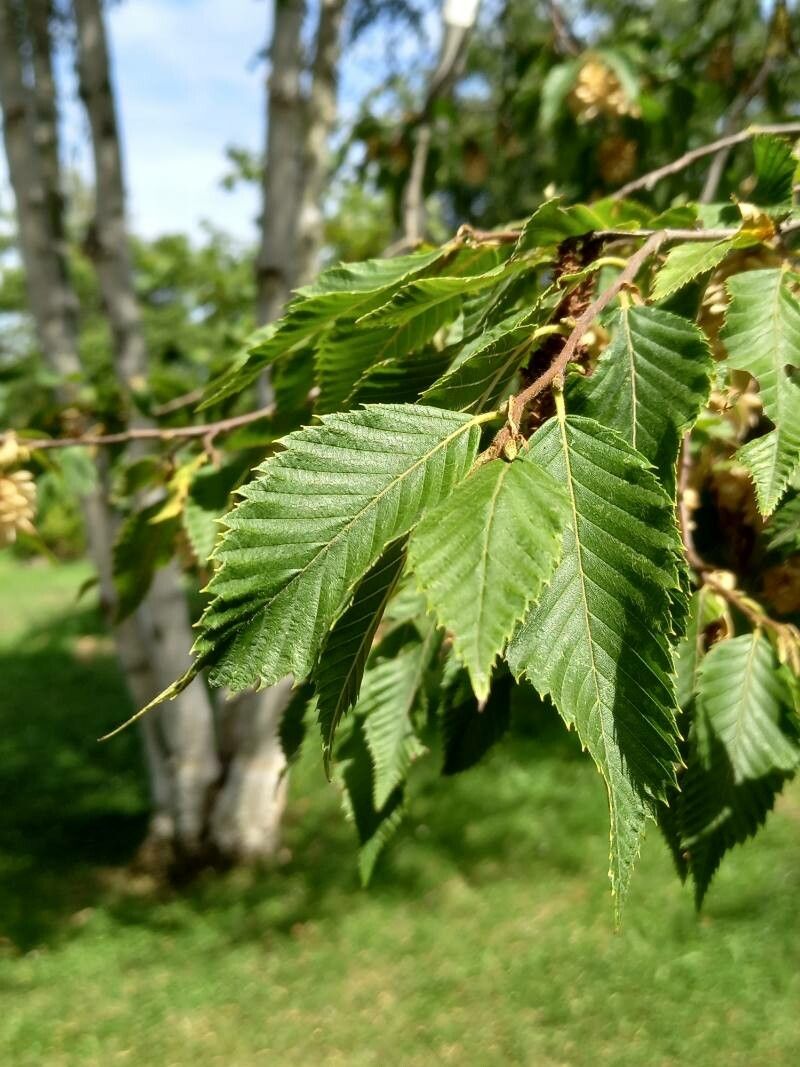
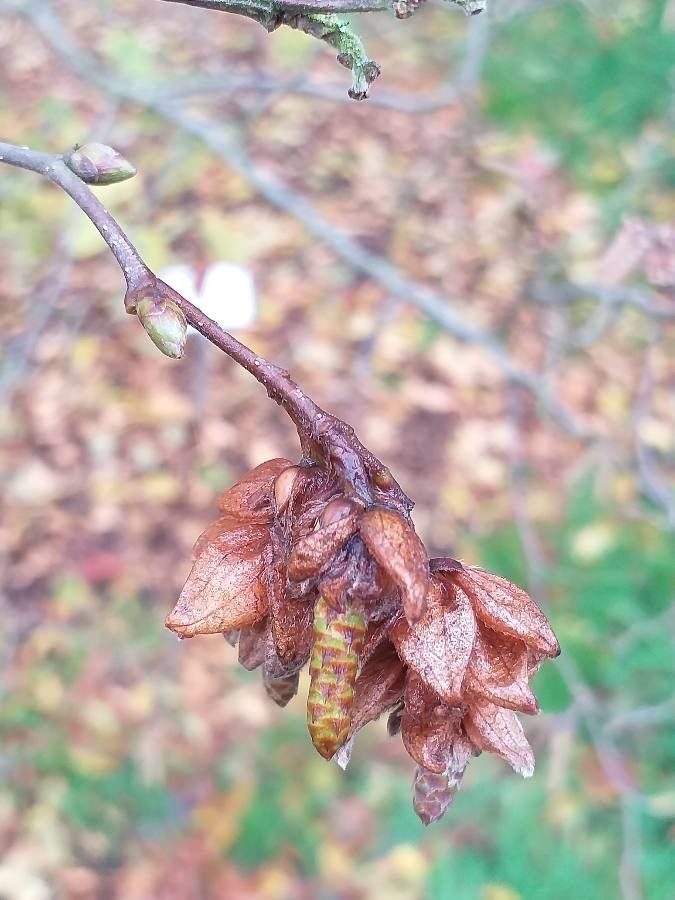
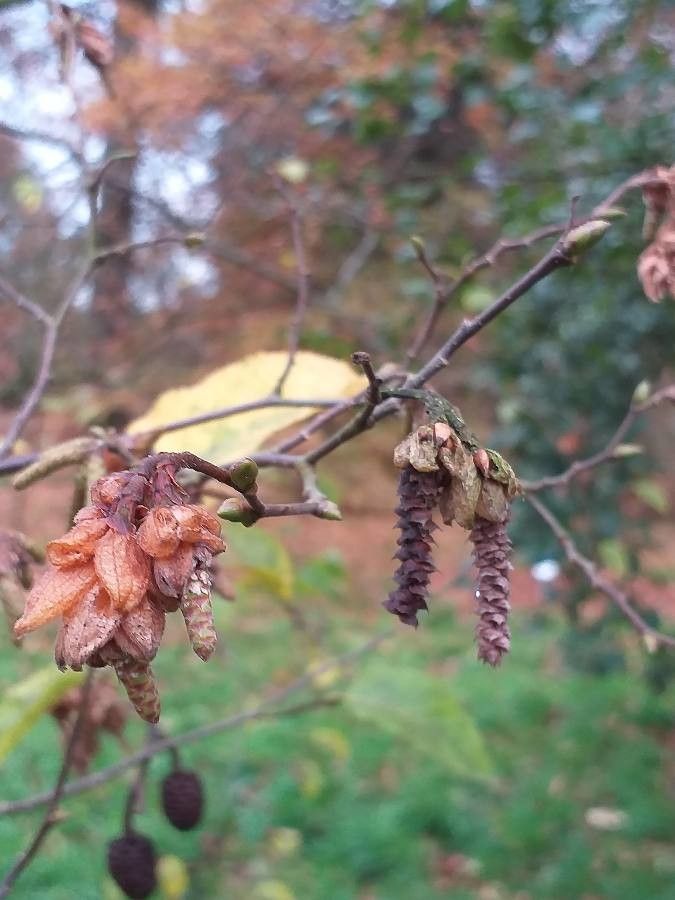
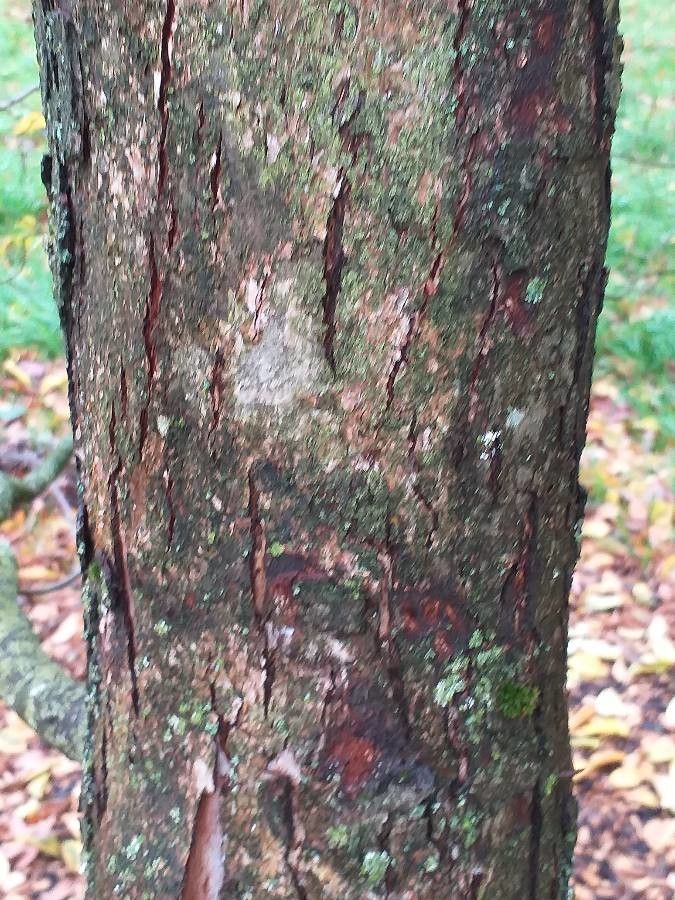
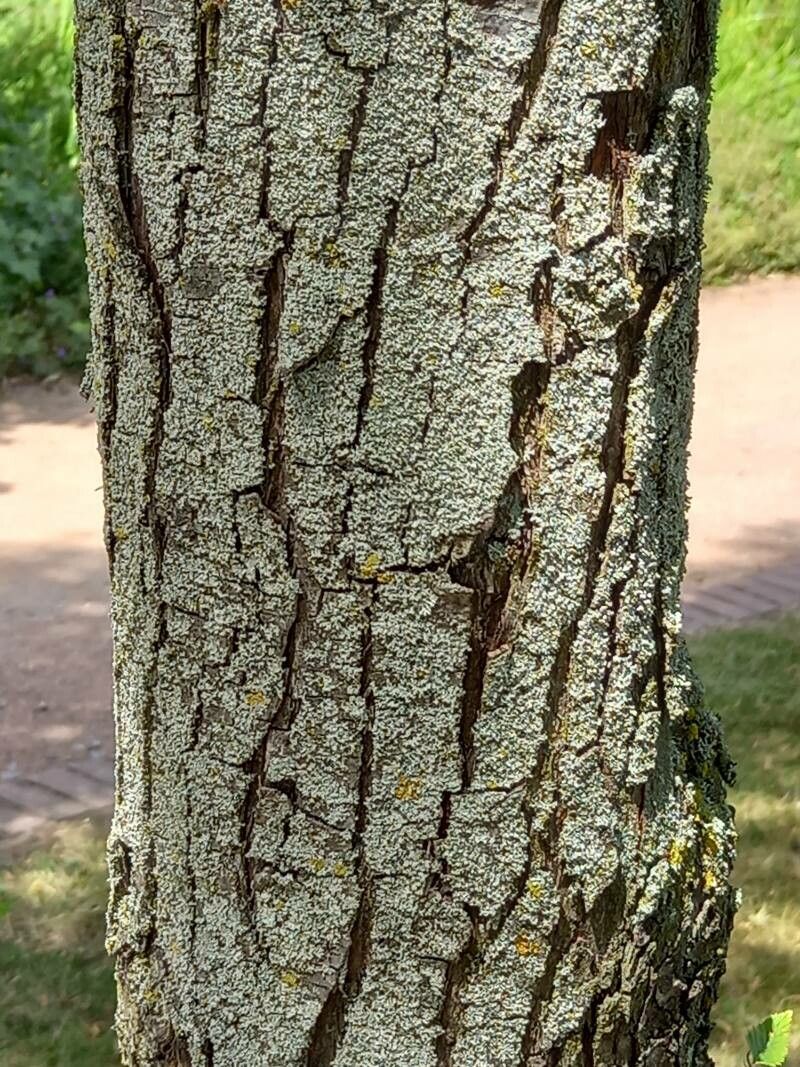
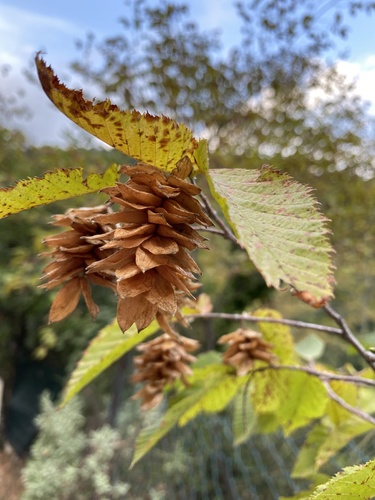
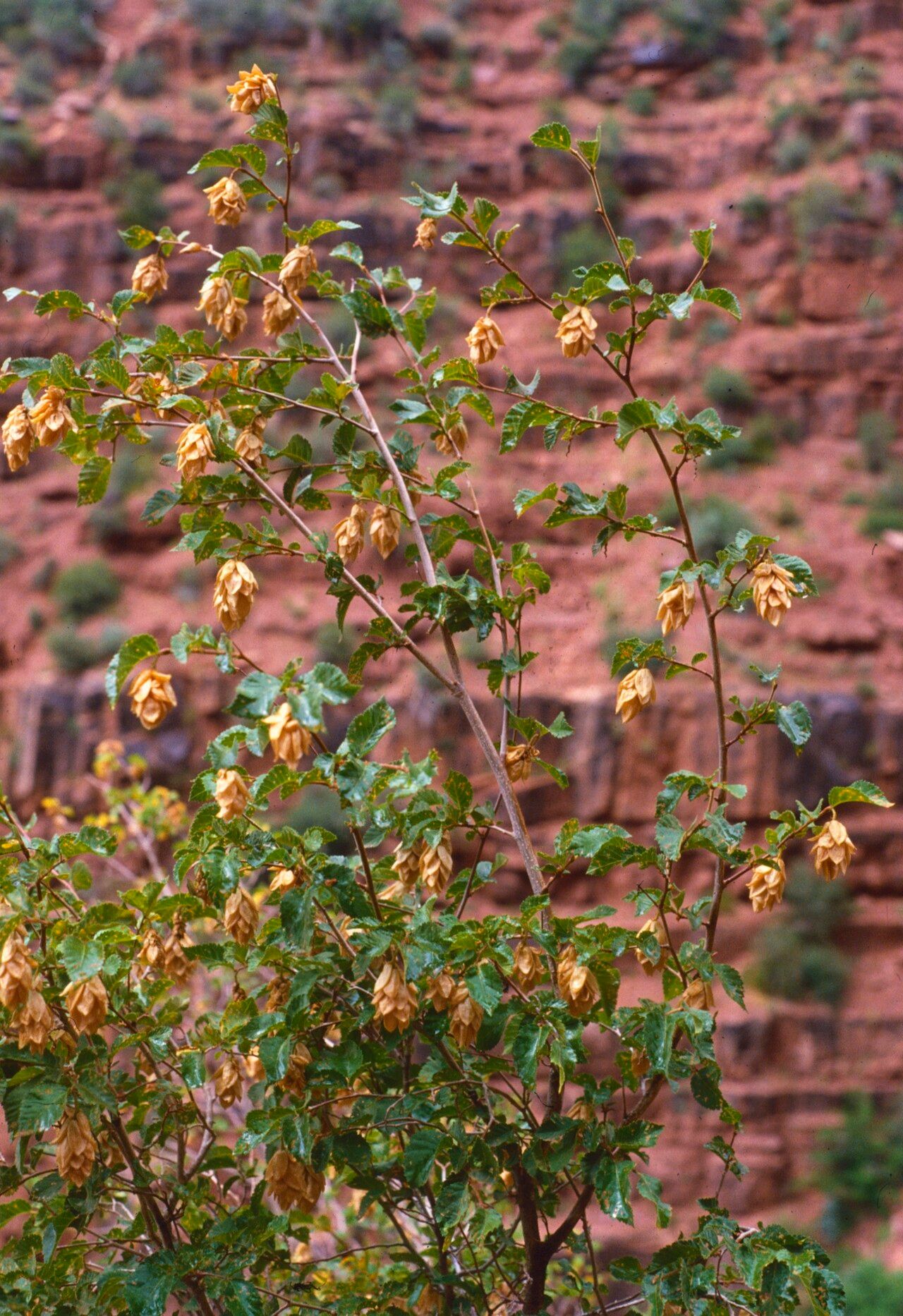
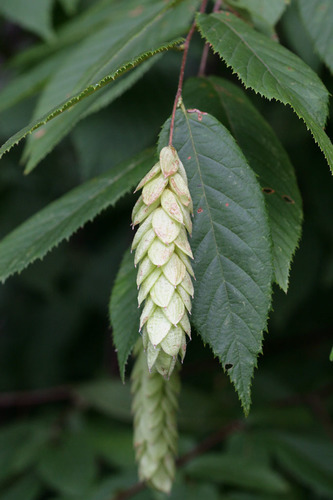
Ostrya japonica, known as East Asian hophornbeam, or Japanese hop-hornbeam, is a species of tree in the Betulaceae family growing to 25 m tall. It is native to Japan, Korea and China. In China, it occurs in temperate forests of southern Gansu, Hebei, Henan, Hubei, and Shaanxi provinces at altitudes between 1,000–2,800 metres (3,300–9,200 ft). In Japan it is known as Asada (浅田).
Japanese hop-hornbeam is resistant to disease and is generally not susceptible to illnesses. In terms of care, this plant is fairly low-maintenance. Planted outdoors it needs little watering, and larger specimens typically do not require pruning. Smaller plants, however, should be pruned after they finish blooming. Japanese hop-hornbeam is appropriate for anyone with an outdoor area, like a garden or a deck, and does not demand much gardening experience.
How to keep Ostrya Japonica.
Light
Japanese hop-hornbeam naturally occurs in habitats like forest understories or rocky sites, where it is subject to natural shade. It prefers partial sun but can tolerate full sun or full shade, showing its versatile and hardy nature.
Water
The Japanese hop-hornbeam is native to Japan's moist woodlands and thrives in humid conditions. It prefers consistent moisture but can tolerate moderate drought once it is established. To care for this plant, water it twice a week, keeping the soil damp but not waterlogged. Additionally, apply mulch to help retain moisture during the growing season.
Temperature
Japanese hop-hornbeam is indigenous to moderate climates and grows best at temperatures of 41 to 89.6 °F (5 to 32 ℃). It can tolerate seasonal changes, though modifying its temperature conditions may improve its growth.
Fertilizer
Fertilize your Japanese hop-hornbeam in early spring to encourage healthy growth. Regular feeding improves the plant’s overall health, leading to vigorous growth, greater resilience in difficult conditions, and increased resistance to pests and diseases. Keep a consistent fertilization schedule for your Japanese hop-hornbeam to maintain vibrant, deeply colored foliage and a lush appearance.
Pruning
The Japanese hop-hornbeam boasts elegant, hop-like fruits and attractive bark. For optimal care, prune this tree in early spring by removing any dead or diseased branches. This will improve light and air circulation. Additionally, thinning the crown helps maintain the plant's health and structure, further enhancing its ornamental value and vitality in your garden.
Botanical profile.
- Plant Type
- Tree
- Life Cycle
- Perennial
- Genus
- Ostrya
- Family
- Betulaceae
- Hardiness Zone
- 4-8
- Mature Height
- 24.99 m
- Mature Spread
- 306.02 m
- Leaf Color
- Green, Dark Green
- Leaf Type
- Deciduous
- Flower Color
- Yellow
- Flower Size
- 1.52 cm to 2.54 cm
- Bloom Time
- Mid spring, Late spring
- Planting Time
- Spring, Summer, Autumn
- Harvest Time
- Late summer, Early fall, Mid fall
- Native Area
- South Korea, Japan, China
Other names.
Reader questions.
What are the sunlight requirements for Japanese hop-hornbeam (Ostrya japonica)?
Japanese hop-hornbeam (Ostrya japonica) thrives under specific sunlight conditions, requiring partial sun to full sun exposure. Partial sun means that the plant should receive about 3 to 6 hours of sunlight daily, while full sun exposure refers to more than 6 hours of sunlight each day. It is important to observe the movement of sunlight through your garden to identify areas that offer an ideal balance of light and shade, ensuring the plant's well-being and growth.
What is the native climate for Japanese hop-hornbeam?
The Japanese hop-hornbeam, botanically known as Ostrya japonica, thrives in environments with a moderate climate. It grows best in temperature ranges from 41 to 89.6 °F (5 to 32 °C), indicating its preference for neither too cold nor too hot weather conditions. While it can adapt to seasonal changes, adjusting its surrounding temperature to stay within this range can aid in enhancing its growth and ensuring its health.