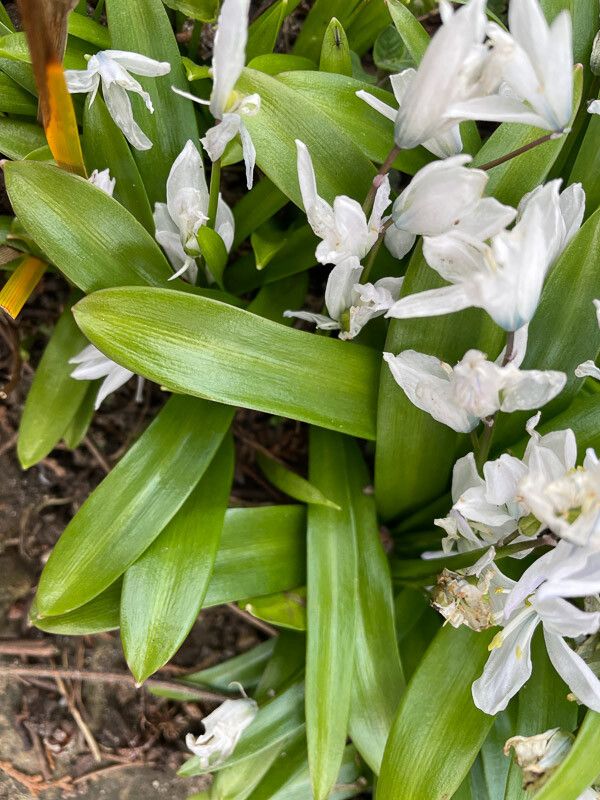
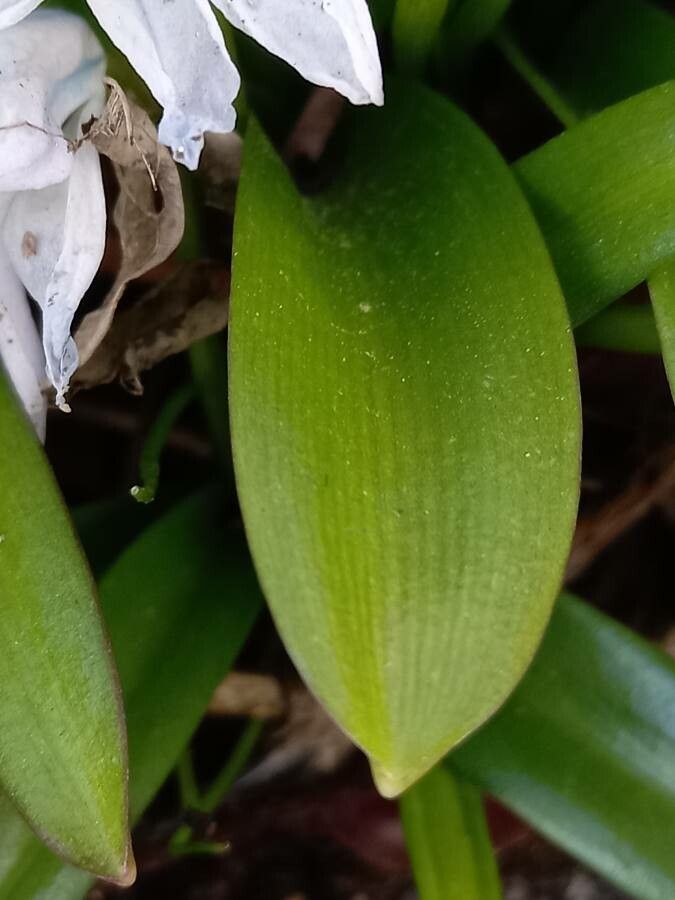
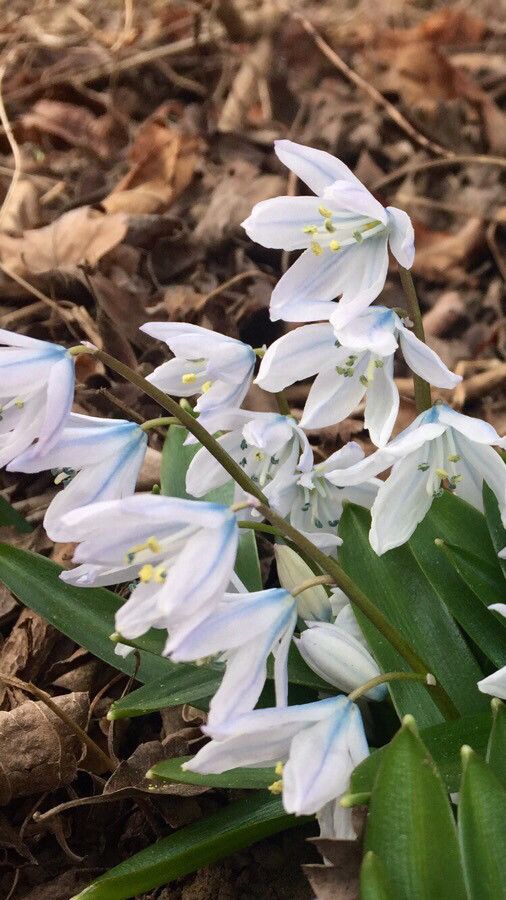
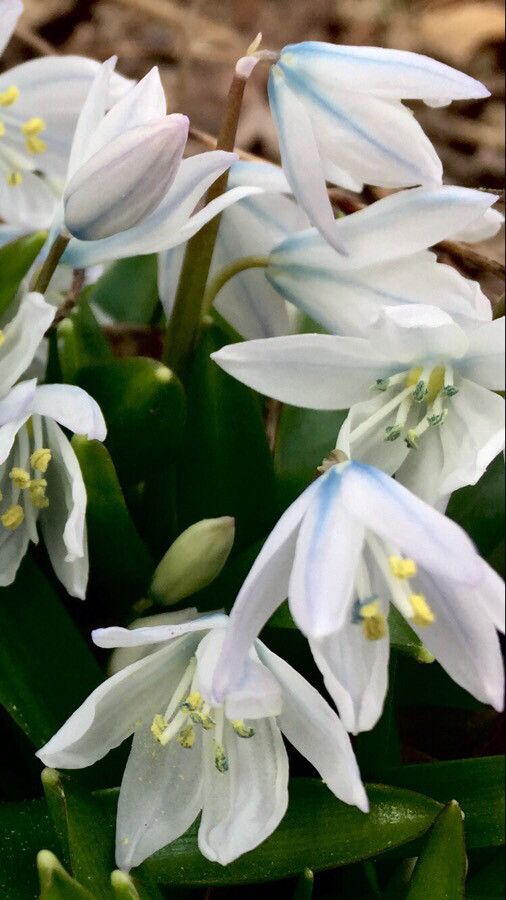
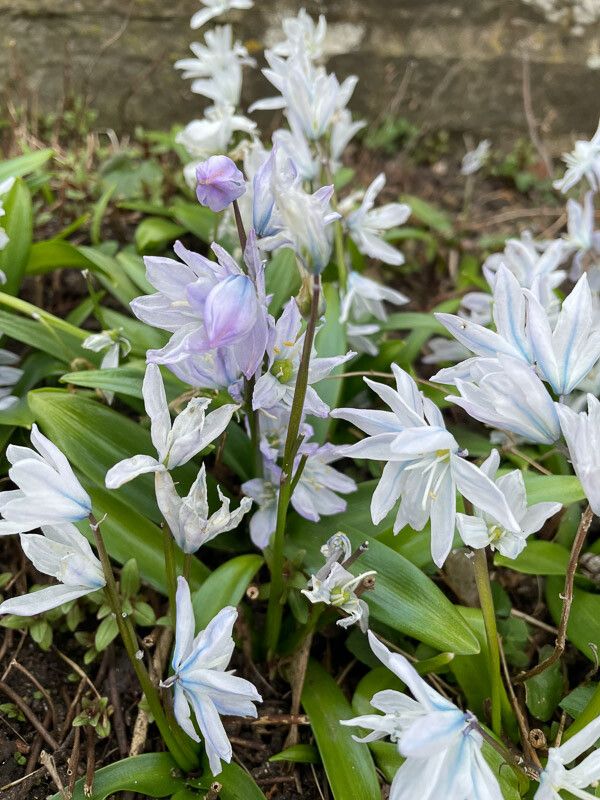
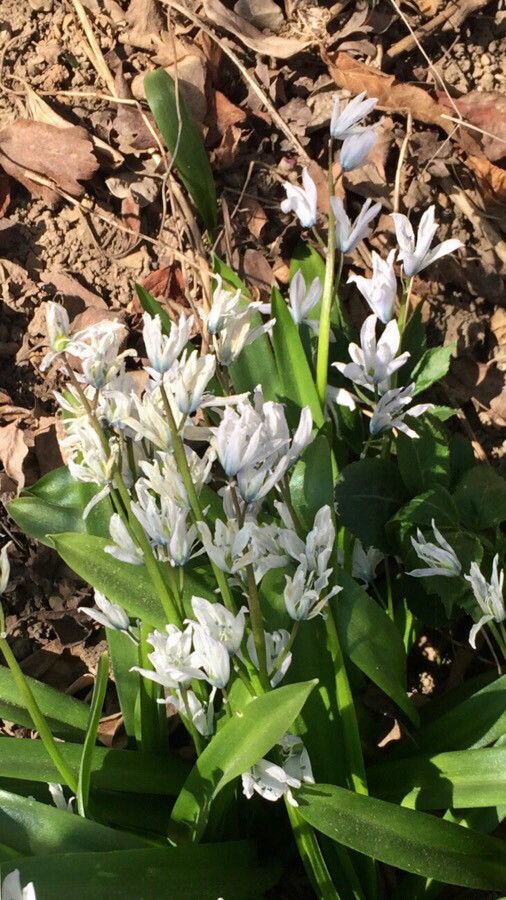
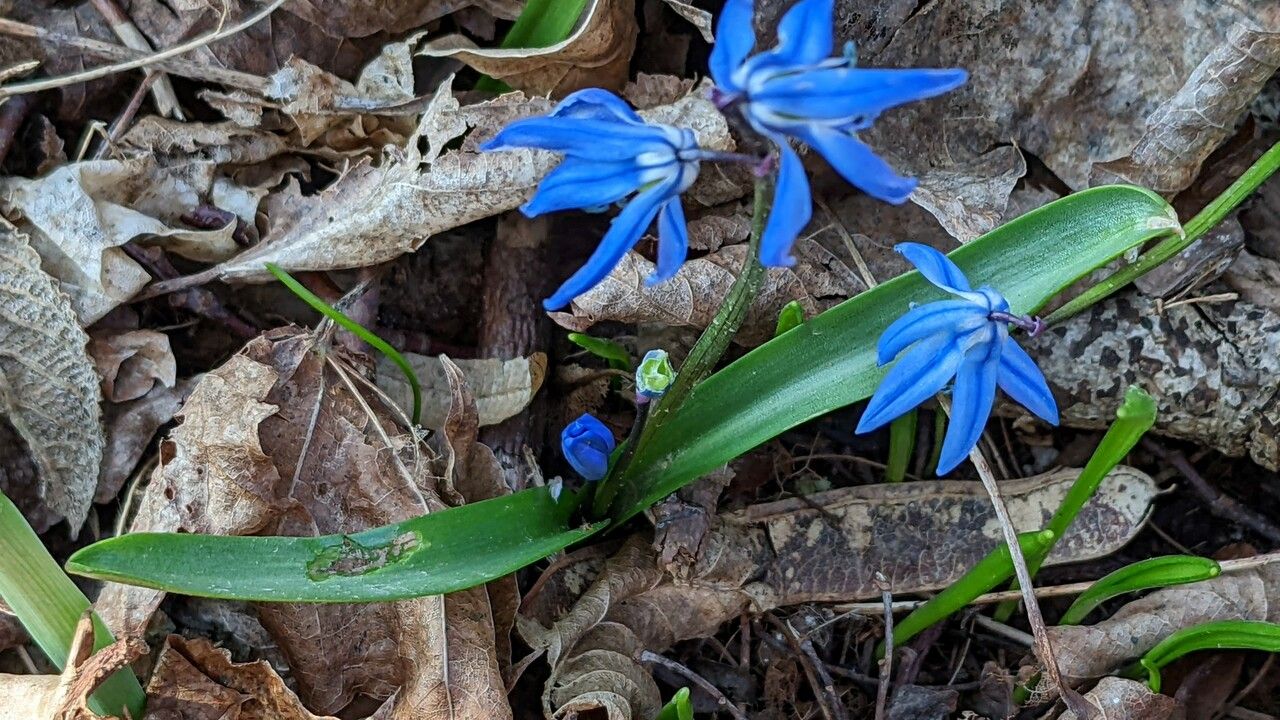
White squill generally has strong resistance to disease and is not usually affected by them. It can, however, be vulnerable to pests and diseases present in its environment, and when infections occur they are typically mild. As for care, the plant is moderately demanding: it should be pruned regularly to keep a tidy appearance and support healthy growth. Fertilizing can also help encourage flowering. White squill is suitable for people with outdoor spaces like a garden or patio and does not require extensive care experience, though it may need more attention when grown indoors.
How to keep Othocallis Mischtschenkoana.
Light
White squill performs best in full sun, though it tolerates moderately lit locations. Coming from sunny habitats, it grows more favorably under those conditions. Excessive shade can negatively affect its health and result in poorer development. Its light requirements remain largely unchanged across different growth stages.
Temperature
White squill comes from areas with varied climates and therefore can tolerate a broad temperature range. It prefers temperatures of 41 to 90 °F (5 to 32 ℃). Seasonal temperature adjustments may be required for optimal growth.
Fertilizer
For White squill, the primary time to apply fertilizer is early spring when the flowers are forming. The appropriate fertilizer promotes better blooms and helps White squill produce attractive flowers. Fertilizing in early spring ensures excellent flowering during the season and supplies energy for dormant growth phases.
Botanical profile.
- Plant Type
- Herb
- Life Cycle
- Perennial
- Genus
- Othocallis
- Family
- Asparagaceae
- Hardiness Zone
- 4-8
- Mature Height
- 15 cm
- Mature Spread
- 20 cm
- Leaf Color
- Green
- Leaf Type
- Deciduous
- Flower Color
- Blue, White
- Flower Size
- 2.54 cm
- Bloom Time
- Late winter, Early spring
- Planting Time
- Summer, Autumn
- Harvest Time
- Mid spring, Late spring
- Native Area
- Iran, Armenia, Azerbaijan
Other names.