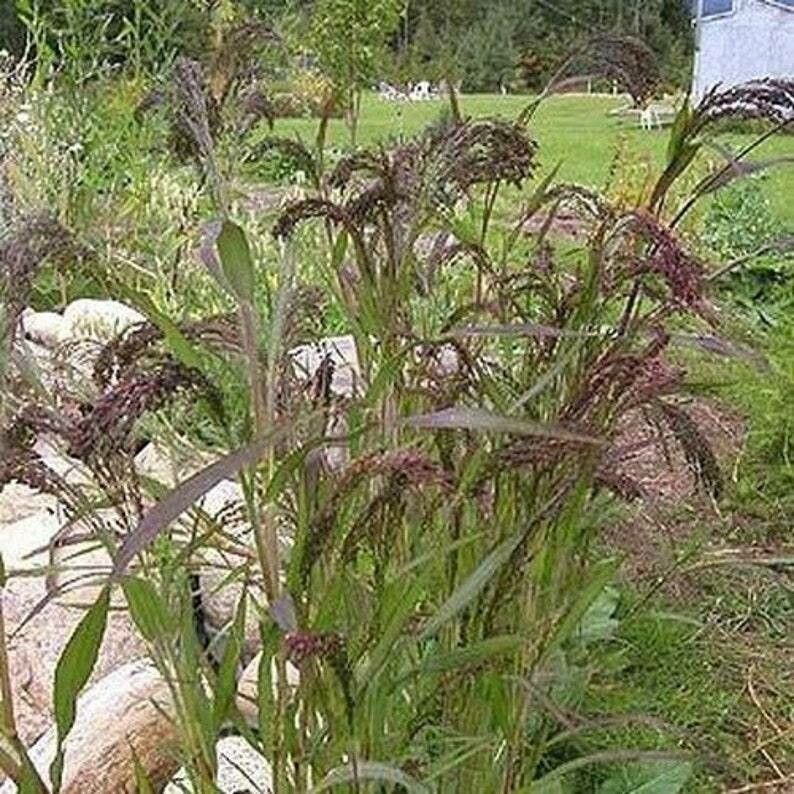
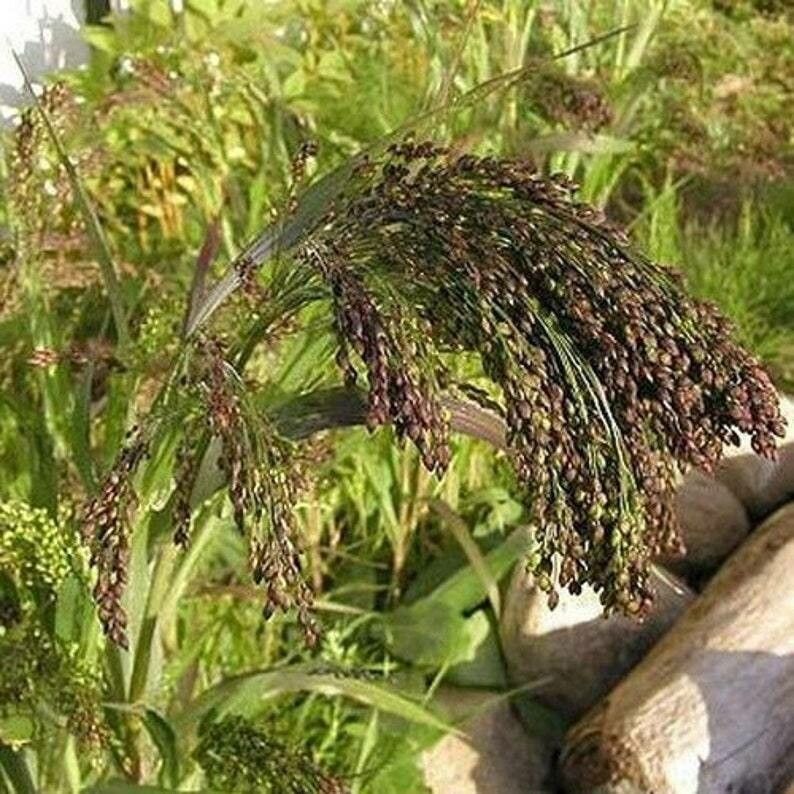
Slender panicgrass is fairly disease-resistant and is typically not prone to illnesses. In terms of care, this plant is fairly low maintenance. When planted outdoors, it needs little watering, and larger plants usually do not require pruning. Smaller plants, however, should be pruned after they finish blooming. Slender panicgrasst is appropriate for anyone who has an outdoor area, such as a garden or deck, and does not demand much care experience.
How to keep Ottochloa Nodosa.
Light
Slender panicgrass is a herbaceous perennial that prefers sunny conditions and comes from open habitats, frequently found in meadows and grasslands. It favors full sun but can also tolerate partial sun.
Temperature
Slender panicgrass comes from tropical areas where the weather is generally warm and humid. Therefore, it is adapted to high heat and moisture. It does not respond well to abrupt temperature shifts and favors a consistent thermal environment, so preventing indoor temperature swings is important. It typically cannot endure cold conditions and needs relatively high temperatures to grow. If the surrounding temperature falls too much, the plant may stop growing or even perish.
Fertilizer
Slender panicgrass needs extra nutrients to encourage healthy new growth. In spring, applying compost around the plant's base can effectively supply the necessary nutrition. Fertilizing helps support vigorous growth and improves the plant's resistance to diseases and pests.
Pruning
Slender panicgrass possesses delicate, nodding stems and benefits from early spring pruning. By removing last year's foliage, you stimulate new growth, help maintain the plant's shape, and eliminate dead or diseased stems, which helps prevent pests. This seasonal care encourages vigorous growth and ensures optimal energy allocation.
Botanical profile.
- Plant Type
- Grass
- Life Cycle
- Perennial
- Genus
- Ottochloa
- Family
- Poaceae
- Hardiness Zone
- 9-11
- Mature Height
- 30 cm to 91 cm
- Mature Spread
- 20 cm to 49 cm
- Leaf Color
- Light Green, Pale Green
- Leaf Type
- Semi-evergreen
- Flower Color
- Yellow, Green, Brown
- Flower Size
- 0.20 cm to 0.25 cm
- Bloom Time
- Late spring, Summer, Early fall
- Planting Time
- Spring, Summer, Autumn
- Harvest Time
- Mid summer, Late summer, Fall
- Native Area
- Sri Lanka, India, Malaysia, Philippines, Bangladesh, Laos, Gabon, Central African Republic, China, Indonesia, Cameroon, Vietnam, Myanmar, Singapore, Congo (DRC), Thailand, Congo
Other names.
Reader questions.
What are the sunlight requirements for Slender panicgrass?
Slender panicgrass (Ottochloa nodosa) requires different amounts of sunlight depending on the specific need. For full sun exposure, it needs above 6 hours of sunlight daily. If it's placed in partial sun, it should receive about 3-6 hours of sunlight. It's important to observe how sunlight moves through your garden to find the optimal spots that offer a perfect balance of light and shadow, ensuring the plants' well-being.
What is the botanical name of Slender panicgrass?
The botanical name of Slender panicgrass is Ottochloa nodosa.