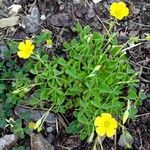
Oxalis dillenii
Common yellow wood-sorrel · Wood-shamrock · Slender yellow wood-sorrel · Gray-green wood-sorrel · Erect wood-sorrel
Description
Source: leafsnapOxalis dillenii, commonly known as slender yellow woodsorrel, is a perennial herbaceous plant belonging to the Oxalidaceae family. Native to North America, it thrives in various habitats such as woodlands, meadows, and prairies. The plant can grow up to 30 cm tall and features trifoliate leaves that are green with a yellowish tinge. Its bright yellow flowers, which have five petals, bloom from May to August. Native Americans have used Oxalis dillenii medicinally to treat ailments such as fever, diarrhea, and sore throat. The plant contains oxalic acid, which imparts a sour taste but can be toxic if consumed in large quantities. Slender yellow woodsorrel is not only attractive but also practical for gardens or as ground cover due to its rapid spread through rhizomes. It prefers well-drained soil with partial shade but can also tolerate full sun. Overall, Oxalis dillenii is an intriguing plant with both medicinal properties and ornamental value, adding beauty wherever it grows.
💡 Slender yellow woodsorrel, like other plants in the Oxalis genus, is edible and known for its high oxalic acid content. This acid gives the leaves their distinctively refreshing and sour taste, which is also the origin of the genus's name. However, due to its high oxalic acid levels, it is important not to eat slender yellow woodsorrel in large quantities.
🌳 The leaves of slender yellow woodsorrel are more than ordinary foliage; they are rich in citric acid, which is important for industry. When crushed, the leaves release a tart juice high in citric acid, offering a sustainable source beyond traditional citrus crops and altering how we think about using natural resources.
🎭 Happiness, kind-heartedness
Care Guide
💧 Water Every 7 days
Slender yellow woodsorrel thrives in environments with consistent moisture and well-drained soil, needing weekly watering to stay healthy. This drought-sensitive plant does particularly well indoors, where humidity and proper hydration can be easily managed. Ensuring these conditions are met is crucial for its vigorous growth and lush foliage during the growing season.
When Should I Water My Slender Yellow Woodsorrel?
Watering slender yellow woodsorrel is essential for its health and growth, allowing it to properly carry out photosynthesis and nutrient uptake. The best time to water is when the top inch of the soil feels dry to the touch, indicating that the soil is moist but not waterlogged. Observing the plant's leaves can also give clues; wilted or droopy leaves suggest it needs water. Be cautious not to confuse natural evening leaf folding with signs of water distress. Overwatering or watering too late can lead to problems such as root rot or stunted growth.
How Should I Water My Slender Yellow Woodsorrel?
To water slender yellow woodsorrel properly, focus on maintaining a balance between moisture and drying, to avoid root rot. Water the plant at its base using a watering can with a narrow spout to control the flow and avoid soaking the foliage, which may lead to fungal diseases. Incorporating a moisture meter can help in determining the exact watering needs, preventing over-watering. The ultimate goal is to keep the soil evenly moist and avoid excessive wetting of the foliage.
How Much Water Does Slender Yellow Woodsorrel Really Need?
Slender yellow woodsorrel's water needs vary with factors like pot size and plant size. Young plants in small pots may need litre of water, while mature plants in larger pots may require up to 1.5 litres per watering session. Adequate hydration is shown by vibrant green leaves and moist soil. Underwatering leads to wilted, yellow leaves, while overwatering may cause root rot. It's crucial to maintain proper drainage to prevent waterlogging, ensuring a healthy plant.
What Kind of Water is Best for Slender Yellow Woodsorrel?
Slender yellow woodsorrel isn't overly picky about water type and does well with rainwater, tap water, or filtered water. Distilled water is less ideal due to a lack of minerals. The plant has moderate tolerance for typical water contaminants like chlorine and fluoride, though very high concentrations over time could be harmful. Letting tap water sit out before use can help evaporate excess chlorine, promoting better plant health.
How Do Slender Yellow Woodsorrel's Watering Needs Change with the Seasons?
Watering requirements for slender yellow woodsorrel vary throughout the year. In spring, increased light and temperature stimulate growth, necessitating more frequent watering. Summer's heat increases evaporation, requiring consistent soil moisture. Autumn sees a reduction in water needs as growth slows. Winter demands the least water due to dormancy, with occasional watering needed to prevent the soil from becoming waterlogged.
☀️ Light Full sun
Slender yellow woodsorrel grows best with a considerable amount of sunlight, though it can tolerate shadier conditions. Its native habitat is adapted to provide ample sun for healthy growth. Too little sun can limit its development, while excessive sun can cause damage.
What are the sunlight requirements for slender yellow woodsorrel?
Slender yellow woodsorrel requires full sun, which is above 6 hours of sunlight daily, to thrive, although it can also survive in partial sun, receiving about 3-6 hours of sunlight. It's important to observe how sunlight moves through your garden to ensure that your plants get a balance of light and shade, promoting their well-being. Natural habitats have conditioned slender yellow woodsorrel to benefit from significant sunlight, making adequate exposure crucial for its healthy growth.
How should I use artificial lighting for indoor slender yellow woodsorrel plants?
For indoor slender yellow woodsorrel plants, artificial lighting can compensate for lack of natural sunlight. Opt for adequate lighting to promote optimal growth, especially in winter or less sunny locations. LED lights are a good choice because they can provide specific light wavelengths needed by plants. Full sun plants require 30-50W/sq ft, partial sun plants 20-30W/sq ft, and full shade plants 10-20W/sq ft of artificial light. Position the light source 12-36 inches above the plant and ensure it receives 8-12 hours of light per day to mimic natural sunlight conditions.
What are the signs of insufficient or excessive sunlight in slender yellow woodsorrel?
Signs of insufficient sunlight include smaller new leaves, leggy or sparse growth, faster leaf drop, slower or no new growth, lighter-colored new leaves, and symptoms of excessive sunlight like chlorosis, sunscald, leaf curling, wilting, and leaf scorching. These indicators suggest that the slender yellow woodsorrel is either not getting enough light or is exposed to too much sunlight, impacting its health and growth.
What solutions exist for slender yellow woodsorrel experiencing insufficient or excessive sunlight?
To counter insufficient sunlight, gradually acclimate your plants to sunnier spots to ensure they receive at least 6 hours of direct sunlight daily. For indoor plants not easily moved or too large, supplement with artificial light for at least 8 hours daily. If plants suffer outdoors from lack of sunlight, avoid sudden light intensity changes to prevent sunburn. For physical obstructions like trees, consider pruning to enhance sunlight exposure. In cases where transplanting is an option, do so during the plant's dormant period. Remember, while parts of the plant affected by low light might not recover, new growth after adjusting light exposure should be healthy.
🌡️ Temperature 15–37.8°C
Slender yellow woodsorrel favors temperatures ranging from 59 to 100℉ (15 to 38℃). As a temperate species, it can acclimate to seasonal changes by altering its temperature needs.
What temperature does slender yellow woodsorrel prefer?
Slender yellow woodsorrel, botanically named Oxalis dillenii, prefers temperatures ranging from 59 to 100°F (15 to 38°C). This temperate plant can adapt to varying seasonal temperatures and has some degree of cold tolerance. It generally does not require special care when temperatures are above -5°C. However, in anticipation of temperatures dropping below -5°C, protective measures such as wrapping the plant in plastic film, fabric, or other materials are necessary. It's important to remove these protections once temperatures rise to prevent any potential damage.
How does slender yellow woodsorrel react to low temperatures?
Slender yellow woodsorrel exhibits moderate tolerance to low temperatures and thrives best when the temperature remains above 15°C. It should not be exposed to temperatures below -5°C during the winter to avoid damage. When the temperature falls below -10°C, the leaves may droop; they can recover in mild cases but will wilt and eventually fall off in severe conditions. To protect the plant in such low temperatures, trimming frost-damaged parts, wrapping the plant with non-woven fabric or cloth, and constructing a wind barrier are effective solutions.
What should be done if slender yellow woodsorrel experiences high temperatures?
In the summer, it's crucial to keep slender yellow woodsorrel below 38°C as high temperatures can cause distress. Temperatures exceeding 43°C can lead to lighter leaf coloring, dry and withered leaf tips, curling leaves, and increased susceptibility to sunburn. To mitigate damage, trim the sunburned and dried parts of the plant, relocate it to a shaded area or use a shade cloth to protect it from intense midday and afternoon sun, and ensure the soil is kept moist through morning and evening watering.
💨 Humidity
🪴 Soil 5-6
🌱 Fertilizer
A single fertilizer application in spring is generally adequate for Slender yellow woodsorrel, though multiple feedings can maximize growth. Feed every one to one and a half months. Fertilizing improves the leaves’ appearance and function, encouraging consistent color and a healthy texture. It also promotes root development and nutrient uptake for long-term plant health.
🪴 Pot & Repot Every 12 months
For slender yellow woodsorrel to thrive, it needs excellent drainage in its pots. This prevents waterlogging and promotes healthy root development.
✂️ Pruning
During the winter dormancy period, when the foliage of slender yellow woodsorrel withers, it's an ideal time to prune. Remove the dead leaves, as this is a normal process, and new growth will appear within 2 to 4 weeks. Be sure to disinfect your pruning tools to reduce the risk of cross-contamination.
🌿 Propagating
🐛 Diseases & pets
☠️ Toxicity
Characteristics
- Plant Type
- Herb
- Life Cycle
- Perennial
- Genus
- Oxalis
- Family
- Oxalidaceae
- Hardiness Zone
- 8-11
- Mature Height
- 15 cm to 40 cm
- Mature Spread
- 49 cm
- Leaf Color
- Green
- Leaf Type
- Evergreen
- Flower Color
- Yellow
- Flower Size
- 0.25 cm to 0.76 cm
- Bloom Time
- Mid spring, Late spring, Summer
- Planting Time
- Spring, Summer
- Harvest Time
- Late spring, Summer, Early fall
- Native Area
- Mexico