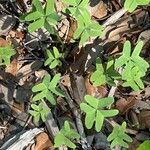
Oxalis drummondii
Drummond's woodsorrel
Description
Source: wikipedia (CC BY-SA)Oxalis drummondii, the large-leaf woodsorrel or Drummond's wood-sorrel, is a species of flowering plant in the family Oxalidaceae. It is native to central and southern Texas, and northern Mexico. A tuberous geophyte reaching 8 in (20 cm), it is typically found growing in calcareous or sandy soils, in open woods, shrublands, and grasslands.
Care Guide
💧 Water
Drummond's woodsorrel thrives in moderate water conditions, requiring weekly watering. It maintains a balanced relationship with moisture and benefits from natural rainfall during its growing season, which is typical for an outdoor herbaceous species.
How should I water my Drummond's woodsorrel to keep it healthy?
To properly water the Drummond's woodsorrel, use filtered water at room temperature or slightly warmer. Tap water may contain harmful particles, so filtered water is preferred. The plant is adapted to warm environments, so cold water can be stressful. Avoid overhead watering, as it can cause foliage issues. Instead, saturate the soil with filtered room temperature water until it is fully soaked. This helps moisten the roots, allowing them to spread and absorb nutrients effectively.
What should I do if I give too much or too little water to my Drummond's woodsorrel?
Caring for your Drummond's woodsorrel involves being aware of both overwatering and underwatering. Overwatering is a more common issue and can cause wilting, yellowing, and potentially deadly diseases like root rot, mold, and mildew. While underwatering is less likely, it can result in brittle and brown leaves. It's important to spot the signs of overwatering early to prevent irreversible damage. Reduce your watering schedule immediately if you notice these signs and consider improving soil drainage with a well-draining potting mix. If you suspect underwatering, simply water more regularly until the signs improve.
How frequently should I water my Drummond's woodsorrel plant?
If your Drummond's woodsorrel plant is in a pot, the most precise way to determine if it needs water is to stick your finger into the soil. If the top two to three inches of soil feel dry, then it's time to water it. If you have planted your Drummond's woodsorrel outdoors in the ground, you can use a similar method to test the soil. Again, when the top few inches of soil have dried out, it's a sign to water it. Generally, during spring and early fall, watering once a week is usually sufficient. However, during extremely hot weather, you may need to water it twice or more per week. It's worth noting that mature and well-established Drummond's woodsorrel plants have a remarkable ability to withstand drought.
How much water does my Drummond's woodsorrel plant need?
When watering your Drummond's woodsorrel, it is important to be generous with the amount of water you provide. When the top two to three inches of soil are dry, give the plant a thorough watering, making sure to soak the entire soil. The water should be enough to cause excess water to flow out of the drainage holes at the bottom of the pot. If you don't see any excess water draining, it means you haven't watered enough. However, be careful not to let water accumulate in the soil, as it can harm the plant. Additionally, if water doesn't drain properly through the pot, it could indicate that the soil doesn't drain well, which is harmful to the plant's health. If the plant is outside, receiving 1 inch of rain per week is sufficient.
How should I water my Drummond's woodsorrel as it grows?
The water needs of the Drummond's woodsorrel can vary based on different growth stages. In the first few years of its life or when it is transplanted to a new location, it will require more water. During these stages, the plant focuses its energy on sprouting new roots for future growth, and these roots need extra moisture. As the plant matures over a few seasons, it will need less water. Another stage that may require increased watering is during blooming, as the flower development utilizes a significant amount of moisture. So, giving more water to your Drummond's woodsorrel during these growth stages is important.
☀️ Light Full sun
Drummond's woodsorrel does best in locations with constant, unchanging sunlight and can also grow well in areas with moderate light. Early stages of growth can still occur in environments with less sun. In its native habitat it is adapted to plentiful sunshine. Both excessive and insufficient light can harm its health, causing stunted growth or leaf discoloration.
What are the sun requirements for Drummond's woodsorrel?
Drummond's woodsorrel requires different levels of sunlight based on its growth phase and habitat. It thrives in full sun, which is above 6 hours of sunlight daily, but can also grow in partial sun, meaning about 3-6 hours of sunlight. The plant's initial growth can even occur in less sunny environments. However, an appropriate balance between light and shade is crucial for its health, as both excessive and inadequate sunlight can lead to problems like impaired development or foliage discoloration. Hence, observing how sunlight moves through your garden and choosing spots that provide this balance are important for ensuring the plant's well-being.
How to manage artificial lighting for Drummond's woodsorrel indoors?
When natural sunlight is insufficient for indoor Drummond's woodsorrel plants, especially in winter or less sunny spaces, artificial lighting becomes a critical solution. Adequate lighting is essential for optimal growth. LED lights are recommended due to their customization for specific light wavelengths needed by plants. Full sun plants require 30-50W/sq ft of artificial light, partial sun plants need 20-30W/sq ft, and full shade plants need 10-20W/sq ft. To mimic natural conditions, the light source should be placed 12-36 inches above the plant, and plants should be exposed to 8-12 hours of light per day.
What are the symptoms of light deficiency in Drummond's woodsorrel?
Light deficiency in Drummond's woodsorrel can lead to various symptoms indicating that the plant is not receiving adequate sunlight. The growth of smaller new leaves than the preceding ones can occur, and the plant may exhibit leggy or sparse growth due to elongated spaces between leaves or stems. Faster leaf drop can happen as the plant tries to conserve resources, resulting in stalled growth or no new growth at all. New leaves might appear lighter in color or develop chlorosis, a condition where they turn yellow due to a lack of chlorophyll. Other symptoms include leaf scorching, wilting, leaf curling, and sunscald, indicating either excessive sunlight or the plant's defense mechanisms against it.
How can I ensure Drummond's woodsorrel receives adequate sunlight?
Ensuring Drummond's woodsorrel receives adequate sunlight involves several strategies, whether indoors, outdoors, or on the ground. Indoors, gradually increase sunlight exposure each week until the plant gets at least 6 hours of direct sunlight daily by using a south-facing window or artificial light for plants that aren't easily movable. Outdoors, acclimatize your plants to sunlight by gradually relocating them to sunnier spots weekly, avoiding sudden changes to prevent sunburn. Ground plants can benefit from reducing obstructions that block sunlight by pruning or transplanting the plants to sunnier locations with good drainage. While damaged parts may not recover, new growth should be healthy once light exposure is improved.
🌡️ Temperature 15–35°C
Drummond's woodsorrel is indigenous to regions with temperatures between 59 and 95 °F (15 to 35 ℃). The plant prefers warm conditions but can tolerate cooler weather. For optimal growth, observe seasonal temperature changes and adjust care as necessary.
What is the native climate for Drummond's woodsorrel?
Drummond's woodsorrel, botanically named Oxalis drummondii, is native to climates where temperatures range from 59 to 95°F (15 to 35°C). It thrives in a warm environment but can also tolerate cooler temperatures. To ensure optimal growth, it's important to monitor seasonal temperature fluctuations and adjust care accordingly. This plant has some cold tolerance, generally requiring no additional cold protection measures when temperatures are above -5°C. However, when temperatures are expected to drop below -5°C, temporary measures such as wrapping the plant with plastic film, fabric, or other protective materials should be taken, and removed once the temperature rises again.
How does Drummond's woodsorrel react to low temperatures?
Drummond's woodsorrel has a moderate tolerance to low temperatures, thriving best when temperatures remain above 15°C. Throughout the winter, it’s vital to keep the plant above -5°C to ensure its health. When temperatures fall below -10°C, the plant's leaves may droop; while they can recover in mild cases, severe cold can lead to wilting and leaf loss. To protect against frost damage, it's advisable to trim off the frost-damaged parts and wrap the plant with non-woven fabric or cloth prior to encountering low temperatures again. Additionally, constructing a wind barrier can help protect the plant from cold winds.
How should Drummond's woodsorrel be cared for in high temperatures?
During the summer, it's crucial to ensure that Drummond's woodsorrel does not endure temperatures above 35°C. Exposure to temperatures over 38°C can cause leaf discoloration, dry and withered leaf tips, curling leaves, and increased susceptibility to sunburn. If such symptoms occur, the sunburned and dried-up parts of the plant should be trimmed away. To mitigate the effects of high temperatures, move the plant to a shaded location away from the midday and afternoon sun or utilize a shade cloth. Additionally, watering the plant in the morning and evening helps keep the soil appropriately moist, further protecting it from the heat.
💨 Humidity
🪴 Soil 6-7
🌱 Fertilizer
For Drummond's woodsorrel, the best time to fertilize is in early spring while the flowers are developing. The proper fertilizer promotes better blooms and helps Drummond's woodsorrel produce attractive flowers. Fertilizing in early spring ensures strong flowering throughout the season and provides energy for dormant growth phases.
🪴 Pot & Repot
✂️ Pruning
Drummond's wood sorrel has trifoliate leaves and yellow flowers. It benefits from light pruning in early spring. Gentle trimming encourages bushier growth and more blooms, while careful thinning improves air circulation. To keep the plant healthy and attractive, use sharp, clean tools for precise cuts.
🌿 Propagating
🐛 Diseases & pets
☠️ Toxicity
Characteristics
- Plant Type
- Herb
- Life Cycle
- Perennial
- Genus
- Oxalis
- Family
- Oxalidaceae
- Hardiness Zone
- 8-9
- Mature Height
- 15 cm to 30 cm
- Mature Spread
- 25 cm to 30 cm
- Leaf Color
- Green, Light Green
- Leaf Type
- Deciduous
- Flower Color
- White, Pink
- Flower Size
- 2.54 cm to 5.08 cm
- Bloom Time
- Mid spring, Late spring, Summer
- Planting Time
- Spring, Summer
- Harvest Time
- Summer, Early fall, Mid fall
- Native Area
- Mexico