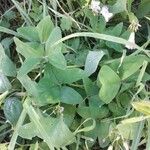
Oxalis latifolia
اگزالیس · Broadleaf woodsorrel · Green Shamrock · Broadleaf wood-sorrel · Garden pink-sorrel
Description
Source: leafsnapOxalis latifolia, commonly known as broadleaf woodsorrel, is a perennial plant in the Oxalidaceae family. Native to South America, it has now become naturalized in many regions around the world. This plant can grow up to 30 cm tall and has a spreading habit characterized by slender, slightly hairy stems. The leaves of Oxalis latifolia are trifoliate, meaning they consist of three broad, heart-shaped leaflets with a glossy green color. Its flowers bloom in clusters on long stalks from spring through summer, featuring five petals that can range in color from white to pink or purple. Oxalis latifolia thrives in moist soil but can tolerate some drought once established. It grows well in both partial shade and full sun and can be propagated through division or by seed. The plant has culinary uses, as its leaves have a tangy flavor similar to lemon juice, making them an excellent addition to salads, soups, stews, or even as a garnish for cocktails. Overall, Oxalis latifolia is an attractive ornamental plant with edible properties, making it a valuable addition to gardens for both its aesthetic appeal and culinary benefits.
💡 The broad leaves of the broadleaf woodsorrel look like wide, elongated hearts. This plant doesn't have a stem and instead spreads through runners known as stolons.
🌳 Broadleaf woodsorrel, with its ornamental foliage and flowers, is a striking addition to the front and middle sections of flower beds and borders. It complements the style of cottage and informal gardens beautifully. Additionally, broadleaf woodsorrel is perfect for filling spaces beneath trees and shrubs, as it tolerates partial shade. However, be cautious, as this plant can spread widely and is considered a weed by some gardeners.
Care Guide
💧 Water Every 7 days
Broadleaf woodsorrel flourishes in environments with consistent humidity and can tolerate moderate drought conditions. To keep the soil moist without over-saturating the roots, it needs to be watered weekly. This herbaceous plant is popular for indoor decoration and requires special care during its active growing season to ensure lush foliage and vibrant flowers.
How should I water my Broadleaf woodsorrel?
For watering the Broadleaf woodsorrel, it's best to use filtered water at room temperature. Tap water may contain harmful particles for this plant's health, so filtering is important. The water should be at room temperature or slightly warmer because the Broadleaf woodsorrel is used to a warm environment. Cold water can be a shock to its system. Avoid overhead watering as it can cause foliage problems. Instead, water the soil with filtered room temperature water until it's thoroughly soaked. This benefits the plant by keeping the roots moist and helping them spread and collect nutrients in the soil.
What should I do if I give my Broadleaf woodsorrel too much or too little water?
Overwatering is a more common issue for Broadleaf woodsorrel and can cause wilting, yellowing leaves, and diseases like root rot, mold, and mildew. Underwatering is less common but can cause brittle, brown leaves. It is important to recognize the signs of overwatering early and reduce watering if needed. Poor soil drainage should be addressed by replacing it with a well-draining potting mix. If the plant is receiving too little water, increase watering until the signs improve.
How often do I need to give water to my Broadleaf woodsorrel?
If your Broadleaf woodsorrel is in a pot, the best way to determine if it needs water is to put your finger in the soil. If the top two to three inches of soil are dry, it's time to water it. If you're growing it outside in the ground, you can use the same method. When the top few inches of soil are dried out, it's time to water. In the spring and early fall, watering once a week is usually enough. But when it gets very hot, you may need to water twice a week. However, mature, well-established Broadleaf woodsorrel can handle drought well.
How much water does my Broadleaf woodsorrel plant need?
When watering your Broadleaf woodsorrel, don't hold back. Make sure to water it generously when the first two to three inches of soil are dry. It's important to fully saturate the soil, allowing excess water to flow through the drainage holes at the bottom of the pot. If you don't see any excess water draining, it means you haven't given your plant enough water. However, be careful not to let the water accumulate inside the soil, as this can harm the plant. On the other hand, if the water doesn't drain properly, it could be due to poorly draining soils, which can be harmful to the plant's health and should be avoided. If the plant is outside, receiving about 1 inch of rain per week should be enough.
How should I water my Broadleaf woodsorrel as it grows?
The water needs of the Broadleaf woodsorrel can vary depending on its growth stages. In the first few years of its life or when it is newly transplanted, it requires more water than usual. During these stages, the plant focuses on sprouting new roots, which requires additional moisture for optimal growth. As the plant matures, it will require less water. Another stage that may require increased watering is during the bloom period because flower development requires more moisture.
☀️ Light Full sun
Broadleaf woodsorrel prefers a plentiful amount of light for healthier growth, though it can tolerate moderate sunlight as well. Originating from a mainly sunny habitat reinforces its preference for abundant light exposure. Too little or too much light can hinder its growth and vigor.
What are the sunlight requirements for Broadleaf Woodsorrel?
Broadleaf woodsorrel requires a significant amount of sunlight for optimal growth, thriving best in conditions that offer full sun, which is more than 6 hours of direct sunlight daily. It can also tolerate partial sun, receiving about 3-6 hours of sunlight. This preference is attributed to its natural habitat, which is predominantly sunny. Insufficient or excessive light can impede its growth and vigor, hence the importance of monitoring and choosing spots in your garden that ensure a perfect balance of light and shade.
What should I know about using artificial lighting for my Broadleaf Woodsorrel?
For indoor Broadleaf woodsorrel plants, or when natural sunlight is insufficient, artificial lighting can be an essential solution for promoting healthy growth. LED lights are recommended because they can provide specific wavelengths necessary for plant growth. Full sun plants require 30-50W per square foot, partial sun plants need 20-30W per square foot, and full shade plants need 10-20W per square foot of artificial light. The light source should be placed 12-36 inches above the plant to mimic natural sunlight effectively, and most plants will need 8-12 hours of light per day.
What are the signs of insufficient or excessive sunlight exposure in Broadleaf Woodsorrel?
Signs of insufficient sunlight exposure include smaller new leaves, leggy or sparse growth, faster leaf drop, slower or no new growth, and lighter-colored new leaves. On the other hand, symptoms of excessive sunlight exposure include chlorosis (yellowing leaves), sunscald (pale, bleached areas on the plant), leaf curling, wilting, and leaf scorching (brown, dry edges on leaves). These symptoms indicate the plant's struggle to adapt to suboptimal light conditions, affecting its photosynthesis and overall health.
How can I address sunlight-related issues with my Broadleaf Woodsorrel?
To ensure optimal growth for Broadleaf woodsorrel facing sunlight-related issues, gradually acclimate it to the desired sunlight conditions. For indoor plants, move them weekly towards a south-facing window for at least 6 hours of direct sunlight or use artificial lighting if moving the plant is not feasible, ensuring the light is on for at least 8 hours daily. Outdoors, choose the best sunlit spot and adapt the plant to more sunlight gradually to prevent sunburn. Prune any obstructions like branches to improve sunlight access, and consider transplanting smaller plants during their dormant period to a location with better sunlight and drainage. It's important to note that parts of the plant that suffered from insufficient sunlight may not recover, but new growth should be healthy with improved light conditions.
🌡️ Temperature 15–37.8°C
Broadleaf woodsorrel is native to temperate regions and prefers temperatures between 59 and 100°F (15 and 38℃). The plant adapts to seasonal temperature changes, but in extreme conditions some adjustments may be needed for optimal growth.
What is the native climate for Broadleaf woodsorrel?
Broadleaf woodsorrel, botanically known as Oxalis latifolia, is native to temperate areas and thrives in a temperature range from 59 to 100°F (15 to 38°C). This plant is adaptable to seasonal temperature changes, yet in extreme conditions, adjustments may be necessary to ensure optimal growth. It exhibits some tolerance to cold, typically requiring no special measures when temperatures stay above -5°C. However, below this temperature, temporary cold protection methods such as wrapping the plant in plastic film or fabric are recommended, which should be removed once temperatures rise.
How does Broadleaf woodsorrel respond to low temperatures?
Broadleaf woodsorrel shows a moderate tolerance to low temperatures, thriving best when the temperature remains above 15°C. During colder winter periods, it is important to keep the environment above -5°C. If temperatures dip below -10°C, the plant's leaves may droop. Although they can recover from mild exposure, severe cold may cause the leaves to wilt and eventually drop. To protect the plant in cold weather, trim off frost-damaged parts, wrap it with non-woven fabric or cloth, and possibly set up a wind barrier to shield it from chilly winds.
What should be done if Broadleaf woodsorrel experiences high temperatures?
During the summer months, it is important to ensure the Broadleaf woodsorrel does not remain in temperatures exceeding 38°C. Exposure to temperatures above 43°C can cause the leaves to lighten in color, lead to dry and withered leaf tips, curling of leaves, and increased susceptibility to sunburn. To mitigate these effects, trim away sunburned and dried-up parts of the plant, relocate it to a shaded area during the peak sun of midday and afternoon, or use a shade cloth. Additionally, watering the plant in the morning and evening will help maintain soil moisture and protect the plant from heat stress.
💨 Humidity normal (40-60%)
This plant will thrive in moderate humidity, which is probably the level in your home. However, misting it a few times a week can be very beneficial. Make sure the room has good ventilation.
🪴 Soil 6-6
🌱 Fertilizer
The best time to fertilize a Broadleaf woodsorrel is in early spring, as it breaks dormancy and begins active growth. Fertilization supplies essential nutrients needed for healthy development. Although Broadleaf woodsorrel has fairly low fertilizer requirements, applying fertilizer annually can improve its survival and encourage stronger, longer-lasting flowers.
🪴 Pot & Repot Every 12 months
✂️ Pruning
Broadleaf woodsorrel, known for its clover-like leaves and delicate flowers, benefits from pruning between early and late spring. Effective techniques involve trimming overcrowded stems and removing damaged foliage. These practices improve air circulation, promote growth, maintain the plant's shape, and prevent legginess. Together, these are crucial for the plant's optimal health during its active growth phase.
🌿 Propagating
🐛 Diseases & pets
☠️ Toxicity
Characteristics
- Plant Type
- Herb
- Life Cycle
- Perennial
- Genus
- Oxalis
- Family
- Oxalidaceae
- Hardiness Zone
- 8-11
- Mature Height
- 10 cm to 30 cm
- Mature Spread
- 30 cm to 40 cm
- Leaf Color
- Green, Dark Green
- Leaf Type
- Evergreen
- Flower Color
- White, Yellow, Pink, Green, Purple
- Flower Size
- 2.54 cm to 5.08 cm
- Bloom Time
- Late spring, Early summer, Mid summer
- Planting Time
- Spring, Autumn
- Harvest Time
- Summer
- Native Area
- United Kingdom