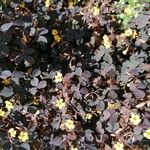
Oxalis spiralis
Spiral sorrel · Velvet oxalis · Volcanic sorrel · Common Sorrel
Description
Source: leafsnapOxalis spiralis, commonly known as Spiral Oxalis or Corkscrew Oxalis, is a unique and fascinating plant from the Oxalidaceae family. This perennial herbaceous plant is native to South America and is found in various regions of Brazil, Argentina, Uruguay, and Paraguay. Spiral Oxalis is notable for its unusual growth pattern, with stems twisting into a spiral shape. The leaves are trifoliate, with each heart-shaped leaflet measuring around 1-2 cm in length. The leaves are green with purple markings on their undersides, adding to the plant's visual appeal. The plant produces small pink or white flowers, which bloom from spring through summer. Each flower has five petals and measures about 1 cm across. Spiral Oxalis prefers well-drained soil rich in organic matter. It thrives best in partial shade but can also tolerate full sun exposure if given adequate moisture. Besides its decorative appeal, this plant has medicinal properties. It contains high levels of vitamin C, which helps boost immunity and acts as an antioxidant. With its attractive appearance and low maintenance requirements, Spiral Oxalis is an excellent addition to any garden or indoor space. It is easy to grow and care for, making it suitable for both novice and experienced gardeners.
Care Guide
💧 Water Every 7 days
Volcanic sorrel flourishes in tropical settings where there is regular moisture and high humidity. This plant thrives with consistent hydration and needs watering every week to keep its foliage lush. Being an evergreen, volcanic sorrel requires a steady supply of water to support its year-round growth, especially when it's grown indoors where humidity levels can vary.
☀️ Light Partial sun
Volcanic sorrel originates from habitats like forest understories and rocky areas, where it naturally occurs in shaded conditions. It favors partial sun but can adjust to either full sun or full shade, showing its hardy and adaptable nature.
What are the sun requirements for Volcanic Sorrel (Oxalis spiralis)?
Volcanic Sorrel (Oxalis spiralis) thrives in various sunlight conditions. It requires 'Full sun' conditions, meaning it needs above 6 hours of sunlight each day, to flourish. Alternatively, it can also grow well in 'Partial sun' situations, where it would get about 3-6 hours of sunlight daily. When planning where to plant your Volcanic Sorrel, it's important to observe the sunlight patterns in your garden closely over time. This observation will help you identify spots that offer a perfect mix of light and shade, ensuring the plants remain healthy and happy.
🌡️ Temperature 15–32.2°C
Volcanic sorrel can tolerate a wide range of temperatures, but its distribution may still be limited by specific combinations of moisture and heat. It performs best in warm summer conditions with adequate rainfall or watering. Extended spells of cloudy, rainy weather or prolonged high temperatures increase the chance that Volcanic sorrel will die. In winter, protecting the plant from cold can improve its chances of survival.
What is Volcanic Sorrel?
Volcanic Sorrel, known botanically as Oxalis spiralis, is a plant species recognized by its unique characteristics. The specific information about its essentials, symptoms, and additional characteristics wasn't provided, but it's known for being part of the Oxalis genus, which is often identified by its spirally arranged leaves and the potential for having bright, colorful flowers.
💨 Humidity
🪴 Soil 6-7
🌱 Fertilizer
For Volcanic sorrel, the best time to apply fertilizer is in early spring when the plants are forming flowers. Using an appropriate fertilizer promotes better blooms and helps Volcanic sorrel produce attractive flowers. Fertilizing in early spring ensures strong flowering during the season and supplies energy for dormant growth phases.
🪴 Pot & Repot
✂️ Pruning
Volcanic sorrel benefits greatly from pruning in the spring, which helps to improve its growth and overall health. To achieve the best results, focus on a few key techniques. Start by removing any dead leaves and then carefully shape the plant, taking care not to over-prune to avoid causing stress. Regular trimming helps improve air circulation, reduces the risk of disease, and encourages denser growth. These practices not only enhance the plant's vitality but also increase its aesthetic appeal.
🌿 Propagating
🐛 Diseases & pets
☠️ Toxicity
Characteristics
- Plant Type
- Herb
- Life Cycle
- Perennial
- Genus
- Oxalis
- Family
- Oxalidaceae
- Hardiness Zone
- 7
- Mature Height
- 30 cm
- Mature Spread
- 49 cm
- Leaf Color
- Green, Purple
- Leaf Type
- Evergreen
- Flower Color
- Yellow
- Flower Size
- 1.02 cm to 2.03 cm
- Bloom Time
- All year round
- Planting Time
- Spring, Summer, Autumn
- Harvest Time
- All year round