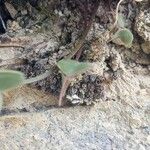
Oxalis violacea
Violet woodsorrel · Violet wood-sorrel · Purple woodsorrel
Description
Source: leafsnapOxalis violacea, commonly known as Violet Wood Sorrel, is a perennial plant belonging to the Oxalidaceae family. Native to South America, it can be found in regions such as Brazil, Argentina, and Uruguay. The plant typically reaches up to 30 cm in height and has a spreading habit, with delicate stems often tinged with purple. The leaves of Oxalis violacea are trifoliate, meaning they have three leaflets, and they exhibit a distinctive heart shape. These light green leaves feature purple veins. The plant's flowers bloom from late spring through summer, appearing on long stalks that rise above the foliage. Each flower has five petals, with colors ranging from pale pink to deep violet. Oxalis violacea thrives in well-drained soil and partial shade but can also tolerate full sun if provided with sufficient moisture. It is an easy-to-grow plant that requires minimal care once established, although it can become invasive if not properly contained. For centuries, indigenous people have used Violet Wood Sorrel for medicinal purposes, primarily because of its high vitamin C content, which helps boost immunity against diseases such as scurvy. Overall, Oxalis violacea is an attractive ornamental plant with delicate foliage and beautiful flowers that add color to any garden or landscape setting. Additionally, it offers potential health benefits when consumed or used medicinally by both humans and animals.
🌳 Violet woodsorrel has a function beyond its decorative appeal. It acts as a bioindicator of soil health, signaling high acidity when it grows well. Gardeners often take the presence of violet woodsorrel and its relatives as a natural cue to alter soil conditions, making it a practical tool in sustainable agriculture.
🎭 Portray faith, as alluded to in Shakespeare's Hamlet.
Care Guide
💧 Water Every 7 days
Violet woodsorrel thrives best in consistently moist soil, benefiting from weekly watering, especially during its active growing season to support both growth and flowering. While it is moderately drought-tolerant, ensuring it receives enough water to mimic its natural rainfall patterns will promote optimal health.
How should I water my Violet woodsorrel plant?
To properly care for the Violet woodsorrel, it is recommended to water it with filtered water at room temperature. Tap water may contain harmful particles, so filtered water is preferred. The plant prefers warm environments, so it is best to avoid using cold water as it can be a shock to the plant. Additionally, overhead watering should be avoided to prevent foliage complications. Instead, gently water the plant by applying filtered room temperature water directly to the soil until it is fully saturated. This helps to moisten the roots and promote their spread through the soil, allowing them to absorb necessary nutrients.
What should I do if I give my Violet woodsorrel too much water or too little water?
Overwatering is a common issue that can harm your Violet woodsorrel. When this happens, the stems and leaves may wilt and turn yellow. Over time, overwatering can also lead to diseases like root rot, mold, and mildew, which can kill the plant. Underwatering is less common but still possible. When underwatering occurs, the leaves become brittle and brown. It's important to promptly notice the signs of overwatering to prevent irreversible damage. If you see early signs, reduce your watering schedule and check the soil's drainage. Replace poorly draining soil with loose, well-draining potting mix. If you notice signs of underwatering, simply water more regularly until the signs improve.
How frequently should I water my Violet woodsorrel?
If you have a potted Violet woodsorrel plant, the best way to determine if it needs water is to stick your finger into the soil. If the top two to three inches of soil are dry, it's time to water it. If you have a Violet woodsorrel planted in the ground outdoors, you can use the same method. Once the top few inches of soil have dried out, it's time to water. Typically, during spring and early fall, watering once a week is sufficient. However, in extremely hot weather, you may need to water the plant two or more times per week. It's worth noting that mature, well-established Violet woodsorrel plants have an impressive ability to withstand drought.
How much water does my Violet woodsorrel require?
When watering your Violet woodsorrel, don't be afraid to give it plenty of water. Make sure the first few inches of soil are dry before watering thoroughly. The water should soak through the entire soil and drain out of the pot's drainage holes. If there is no excess water draining, you may have underwatered the plant. However, be cautious not to let water accumulate in the soil, as this can be harmful. If the water doesn't drain properly, it may be due to poorly draining soil, which is not good for the plant. If the plant is outside, about 1 inch of rainfall per week is enough.
How do I water my Violet woodsorrel as it grows?
The water needs of the Violet woodsorrel can vary depending on its growth stages. When the plant is young or freshly transplanted, it requires more water to support root development. As the roots grow and mature, they become more efficient at accessing moisture and the plant requires less water. Additionally, during the bloom period, the Violet woodsorrel may need extra water to support flower development.
☀️ Light Full sun
The violet woodsorrel flourishes under sufficient sunlight yet can adjust to lower light intensities. The plant's original habitat, which was in wide-open woodland clearings, allowed plenty of sunlight access, thereby promoting vigorous growth. Either surplus or deficient light may negatively impact the plant's health.
What are the sun requirements for Violet woodsorrel?
Violet woodsorrel thrives when it receives ample exposure to the sun but can adapt to lesser light conditions, indicative of its origin in open clearings within woods. The plant requires either full sun, which is above 6 hours of sunlight, or partial sun, about 3-6 hours of sunlight. Observing how sunlight moves through your garden helps in choosing spots that ensure the perfect balance of light and shade, essential for the plant's health. It is important to watch out for the symptoms of both excessive and insufficient light exposure, as these conditions can negatively impact the plant.
How can artificial lighting be used for Violet woodsorrel indoors?
Indoor Violet woodsorrel plants require adequate lighting for optimal growth, especially when natural sunlight is insufficient. Artificial lighting, such as LED lights, is a critical solution that promotes healthier and faster growth by providing the specific wavelengths of light needed by the plants. Full sun plants should have 30-50W/sq ft of artificial light, partial sun plants 20-30W/sq ft, and full shade plants 10-20W/sq ft. The light source should be placed 12-36 inches above the plant to mimic natural sunlight, and the duration should mimic the natural daylight hours, typically 8-12 hours per day.
What are the symptoms of incorrect lighting for Violet woodsorrel?
Violet woodsorrel may exhibit several symptoms when exposed to inadequate lighting, indicating a need for adjustments. These symptoms include smaller new leaves, leggy or sparse growth, faster leaf drop, slower or halted new growth, lighter-colored new leaves, chlorosis, sunscald, leaf curling, wilting, and leaf scorching. Each of these symptoms signifies either too much or too little light exposure, affecting the plant's ability to thrive. Observing these symptoms allows for timely intervention to correct the lighting conditions.
What solutions are there for Violet woodsorrel's lighting issues?
To address lighting issues for Violet woodsorrel, gradual adjustments to sunlight exposure are recommended. For indoor plants, gradually moving them to a sunnier location or using artificial light can help achieve at least 6 hours of direct sunlight. For outdoor plants, adjusting their location to receive more sunlight gradually, without sudden changes to avoid sunburn, is crucial. Furthermore, reducing obstructions that block sunlight, such as pruning trees or moving plants to a better-lit area, can significantly improve light exposure. Note that parts of the plant damaged by insufficient light may not recover, but new growth should be healthy with improved lighting.
🌡️ Temperature 5–35°C
The violet woodsorrel originates from moderate climates and favors temperatures that span from 41 to 95 °F (5 to 35 ℃). Adjusting the temperature accordingly during extreme seasons is vital to keep it within this ideal range.
What is the native climate for Violet woodsorrel?
Violet woodsorrel, with its botanical name Oxalis violacea, is native to temperate climates, thriving in temperatures ranging from 41 to 95 °F (5 to 35 °C). It's crucial to adjust temperatures during harsh seasons to maintain this optimum range, ensuring the plant remains healthy throughout the year.
Does Violet woodsorrel need special frost protection during winter?
Violet woodsorrel possesses strong cold resistance, meaning special frost protection measures are not generally necessary. However, in conditions where winter temperatures are expected to drop below -25°C, providing cold protection becomes important. This can be done by covering the plant with soil or straw. Additionally, watering the plant abundantly before the first freeze in autumn, ensuring the soil is moist and enters a frozen state, helps prevent drought and water scarcity during winter and early spring.
How does Violet woodsorrel react to low temperatures?
Violet woodsorrel is cold-tolerant, performing best when temperatures remain above 5°C. Throughout the winter, it's advisable to keep temperatures above -20°C. Exposure to temperatures below -25°C won't elicit noticeable changes during winter but may lead to a decreased sprouting rate or failure to sprout in the spring. In such cases, it's recommended to remove any parts of the plant that fail to sprout as the weather warms.
What should I do if Violet woodsorrel is exposed to high temperatures?
Violet woodsorrel should ideally be kept below 35°C during the summer. Temperatures exceeding 38°C can cause the leaves to become lighter in color, curl, become prone to sunburn, and in severe cases, cause the entire plant to wilt and dry out. To counteract this, trim away any sunburned and dried-up parts of the plant. Moving the plant to a shaded location, especially during midday and afternoon sun, or using a shade cloth, along with watering in the morning and evening, can help mitigate the stress caused by high temperatures.
💨 Humidity
🪴 Soil 6-6
🌱 Fertilizer Every 30 days
The optimal period to nourish a Violet woodsorrel is in the onset of spring, as it awakens from dormancy and begins to grow actively. Fertilization supplies essential nutrients for robust growth. Despite the fact that Violet woodsorrel doesn't require a lot of fertilization, yearly nourishment can boost its longevity and encourage more durable, longer-lasting blooms.
Why should I add fertilizer to my Violet woodsorrel plant?
Fertilization is important for the Violet woodsorrel for several reasons. It provides key nutrients that help the plant grow above and below ground. However, the Violet woodsorrel has relatively low fertilization needs and can sometimes survive without it. Annual fertilization is highly beneficial as it helps keep the plant alive and encourages the growth of better, longer-lasting flowers. Therefore, those wanting their Violet woodsorrel to look its best should maintain annual fertilization.
When should I fertilize my Violet woodsorrel?
Fertilize your Violet woodsorrel in late winter to early spring as it exits its dormant phase and starts active growth. This will promote healthy growth for the season. While early spring is the best time, fall is also acceptable. Avoid fertilizing in summer and winter.
When should I not put fertilizer on my Violet woodsorrel?
To ensure proper fertilization for your Violet woodsorrel, it is best to only fertilize during late winter and early spring. This plant has low fertilization needs and typically requires only one feeding per year. Overfertilizing during spring, summer, and fall can cause complications, unless you missed fertilizing in spring, in which case fall feeding is acceptable. Additionally, it is unnecessary to fertilize this plant during winter when it is in a dormant growth phase and not producing new growth.
What kind of plant food does my Violet woodsorrel need?
To grow Violet woodsorrel effectively, you can use any general-purpose fertilizer with a balanced amount of the three main plant nutrients. However, for even better results, there are specific nutrient blends that are more beneficial. Many gardeners believe that higher levels of phosphorus lead to stronger roots and better flowers, so applying a phosphorus-rich fertilizer is recommended for a flowering plant like Violet woodsorrel. It doesn't matter if the fertilizer is granular or liquid, as long as it contains plenty of nutrients. Alternatively, you can also improve the soil for your Violet woodsorrel using organic methods such as compost, manure, and similar materials. These organic materials help create a healthy growing medium for your plants.
How can I fertilize my Violet woodsorrel plant?
To fertilize a Violet woodsorrel, the most common method is to use granular or pellet fertilizer. It is important to fertilize the plant when it is transitioning from its dormant phase to active growth, which typically occurs in early spring. Wait until you see shoots emerging from the soil before applying the fertilizer. Alternatively, some people prefer to use liquid fertilizer, which should be diluted with water before application. Regardless of the type of fertilizer used, it is recommended to moisten the soil before, during, and after fertilization.
🪴 Pot & Repot Every 12 months
✂️ Pruning
Violet woodsorrel is characterized by its heart-shaped leaves and purple flowers. To encourage healthy growth and abundant flowering, it is beneficial to perform light pruning from early to late spring. Trim any overgrown areas to improve air circulation and reduce the risk of disease, which will help ensure vibrant blooms. However, avoid heavy pruning to preserve the plant's natural shape, supporting robust growth.
🌿 Propagating
🐛 Diseases & pets
☠️ Toxicity
Characteristics
- Plant Type
- Herb
- Life Cycle
- Perennial
- Genus
- Oxalis
- Family
- Oxalidaceae
- Hardiness Zone
- 5-9
- Mature Height
- 15 cm to 23 cm
- Mature Spread
- 15 cm to 25 cm
- Leaf Color
- Yellow, Gold, Purple, Lavender
- Leaf Type
- Deciduous
- Flower Color
- Pink, Purple
- Flower Size
- 2.54 cm to 5.08 cm
- Bloom Time
- Mid spring, Late spring, Early summer
- Planting Time
- Autumn
- Harvest Time
- Early summer, Mid summer
- Native Area
- Mexico