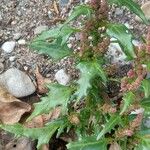
Oxybasis rubra
Pigweed · Red goosefoot · Coast-blite Goosefoot · Alkali-blite · Coast-blite
Description
Source: leafsnapOxybasis rubra (syn. Chenopodium rubrum), common names red goosefoot or coastblite goosefoot, is a member of the genus Oxybasis, a segregate of Chenopodium (the goosefoots). It is native to North America and Eurasia. It is an annual plant.
Care Guide
💧 Water
Pigweed, a versatile herbaceous plant, is well-suited to environments with regular rainfall. It flourishes with consistent moisture and benefits from weekly watering. Often cultivated outdoors, pigweed takes advantage of natural rain patterns and adapts its growth cycle according to the availability of water.
How should I water my Pigweed the right way?
There are several ways to water Pigweed, such as using a garden hose with a spray nozzle, a watering can, or other watering tools. Pigweed is not too particular about the type of water it receives, whether it's rainwater, tap water, or filtered water. However, watering from overhead should be avoided as it can harm the leaves and flowers and possibly cause disease. It's often recommended to use a drip irrigation system for watering Pigweed, as this method provides water evenly and directly to the soil. When it comes to watering a container-grown Pigweed, you can follow a similar approach but use a cup, watering can, or tap to water the soil directly.
What should I do if I give too much or too little water to my Pigweed plant?
To remedy underwatering Pigweed, simply water it more regularly when you notice it lacks moisture. Overwatering, on the other hand, can be much more harmful. If your Pigweed is overwatered, it may contract diseases that can lead to its decline and death. To prevent this, choose a location with plenty of sunlight to dry the soil and good drainage to avoid waterlogged soil. If your potted Pigweed is overwatered, consider changing it to a new pot with better drainage and using loose soils.
How many times should I give water to my Pigweed plant?
To successfully grow pigweed, it requires regular watering throughout the growing season. Initially, water it once a week in the spring. As the season progresses and the temperature rises, you may need to increase watering to two or three times per week. However, be careful not to exceed this rate as it can harm the plant. Additionally, make sure the soil remains consistently moist but not overly saturated. Taking care of potted pigweed requires more frequent watering, as the soil in pots tends to dry out quicker than ground soil. Generally, aim for a few times per week for potted pigweed compared to once per week for plants in the ground.
How much water does my Pigweed plant need?
Determining how much water to give your Pigweed can be done in a few different ways. One method is to feel the soil for moisture and water until the top six inches feel moist. Another option is to use a set measurement, such as giving your Pigweed about two gallons of water per week, depending on the temperature and soil dryness. However, it's important not to overwater by following strict guidelines if your plant needs less water. When growing Pigweed in a container, you should make sure to moisten all layers of dry soil by using your finger to test for moisture or watering until you see excess water draining from the pot.
How do I know if I am giving enough water to my Pigweed?
Avoiding overwatering your Pigweed can be somewhat difficult due to its unique characteristics. On one hand, these plants have deep roots that require weekly soil moisture. However, Pigweed is highly prone to root rot, which can cause browning. Underwatering is unlikely, as Pigweed can survive without additional watering for some time. However, if you wait too long to water it, wilting and dry leaves may occur.
☀️ Light Full sun
Pigweed is a sun-loving plant that thrives in environments with ample natural light. It originated in habitats characterized by abundant brightness. Insufficient light can impede its growth, while excessive light can cause damage. Nevertheless, it typically tolerates extremes quite well.
What are the sunlight requirements for Pigweed?
Pigweed, scientifically known as Oxybasis rubra, thrives best under full sun conditions, requiring more than 6 hours of sunlight daily. It's essential to watch how sunlight moves through your garden to identify spots that offer a perfect balance of light and shade. This ensures the plants' health and happiness by providing them with their ideal sunlight exposure.
How does inadequate or excessive sunlight affect Pigweed?
Pigweed originated in environments with abundant sunlight and generally performs well under ample natural light. Inadequate light exposure can hinder its growth, while excessive light may also cause harm. Nonetheless, Pigweed is quite resilient and can typically handle extreme conditions well. If natural sunlight is insufficient, especially during winter or in less sunny areas, artificial lighting can be a vital solution to promote healthier and faster growth.
What artificial lighting requirements do indoor Pigweed plants have?
Indoor Pigweed plants require adequate artificial lighting to ensure optimal growth when natural sunlight is lacking. LED lights, which can be customized to meet specific plant needs, are a popular choice. The requirements include 30-50W/sq ft for full sun plants, 20-30W/sq ft for partial sun plants, and 10-20W/sq ft for full shade plants. The light source should be placed 12-36 inches above the plant to mimic natural sunlight, and the lighting duration should mimic natural daylight hours, typically 8-12 hours per day.
What are the common symptoms of inadequate light exposure in Pigweed?
When Pigweed is exposed to insufficient light, it may exhibit symptoms such as smaller new leaves, leggy or sparse growth, faster leaf drop, slower or no new growth, lighter-colored new leaves indicating a lack of chlorophyll, chlorosis (leaves turning yellow), sunscald on leaves or stems, leaf curling as a defense mechanism against extreme sunlight, wilting from loss of turgor pressure, and leaf scorching characterized by brown, dry edges on the leaves.
How can you remedy the light exposure for Pigweed plants, both indoors and outdoors?
To optimize Pigweed's growth in terms of light exposure, gradually acclimate the plant to more sunlight, aiming for at least 6 hours of direct sunlight daily. For indoor plants, use a south-facing window, keep curtains open during daylight, or employ artificial lighting for plants that are large or not easily moved, ensuring the lights are on for at least 8 hours a day. Outdoors, relocate your plants gradually to avoid shock and sunburn. Observe your environment and minimize obstructions, like pruning trees that block sunlight. For smaller plants, consider transplanting during their dormant period to a brighter location with good drainage.
🌡️ Temperature 20–37.8°C
Pigweed can endure a wide spectrum of temperatures, but its range may still be restricted by different combinations of moisture and heat. It performs best in warm summer climates with sufficient rainfall or irrigation. Long stretches of cloudy, rainy weather, as well as extended high temperatures, can raise the chance of Pigweed dying. In winter, adequate protection from cold can increase the plant's survival.
What is Pigweed?
Pigweed is a type of plant known botanically as Oxybasis rubra. This species falls within the broader family of plants commonly referred to as pigweed. While this entry does not specify detailed information regarding its characteristics, uses, or other related data, the name 'Pigweed' denotes a specific type of plant within the extensive flora that shares similar common names.
💨 Humidity
🪴 Soil 5-7
🌱 Fertilizer
Pigweed benefits from regular, light applications of fertilizer to encourage healthy leaf growth. Fertilize Pigweed about once a month during the summer. Nitrogen is vital for foliage, and providing nitrogen-rich sources helps Pigweed thrive.
🪴 Pot & Repot
✂️ Pruning
🌿 Propagating
🐛 Diseases & pets
☠️ Toxicity
Characteristics
- Plant Type
- Herb
- Life Cycle
- Annual
- Genus
- Oxybasis
- Family
- Amaranthaceae
- Hardiness Zone
- 3-9
- Mature Height
- 61 cm
- Mature Spread
- 20 cm
- Leaf Color
- Green, Blue, Red
- Leaf Type
- Deciduous
- Flower Color
- Red
- Flower Size
- 2.54 cm
- Bloom Time
- Late spring, Early summer, Mid summer
- Planting Time
- Spring, Summer, Autumn
- Harvest Time
- Early summer, Mid summer
- Native Area
- Egypt, Sweden, Austria, Mexico, Slovakia, Slovenia, Croatia, Belarus, Uzbekistan, Russia, Germany, Estonia, Romania, Latvia, Belgium, Netherlands, France, Tajikistan, Czech Republic, Cyprus, Bulgaria, Poland, Armenia, Ukraine, Lebanon, China, Lithuania, Norway, Afghanistan, Syria, Kyrgyzstan, Kazakhstan, Italy, Spain, Switzerland, Denmark, Mongolia, Israel, Finland, Iran, Albania, Ireland, United Kingdom, Hungary, Azerbaijan, Turkmenistan