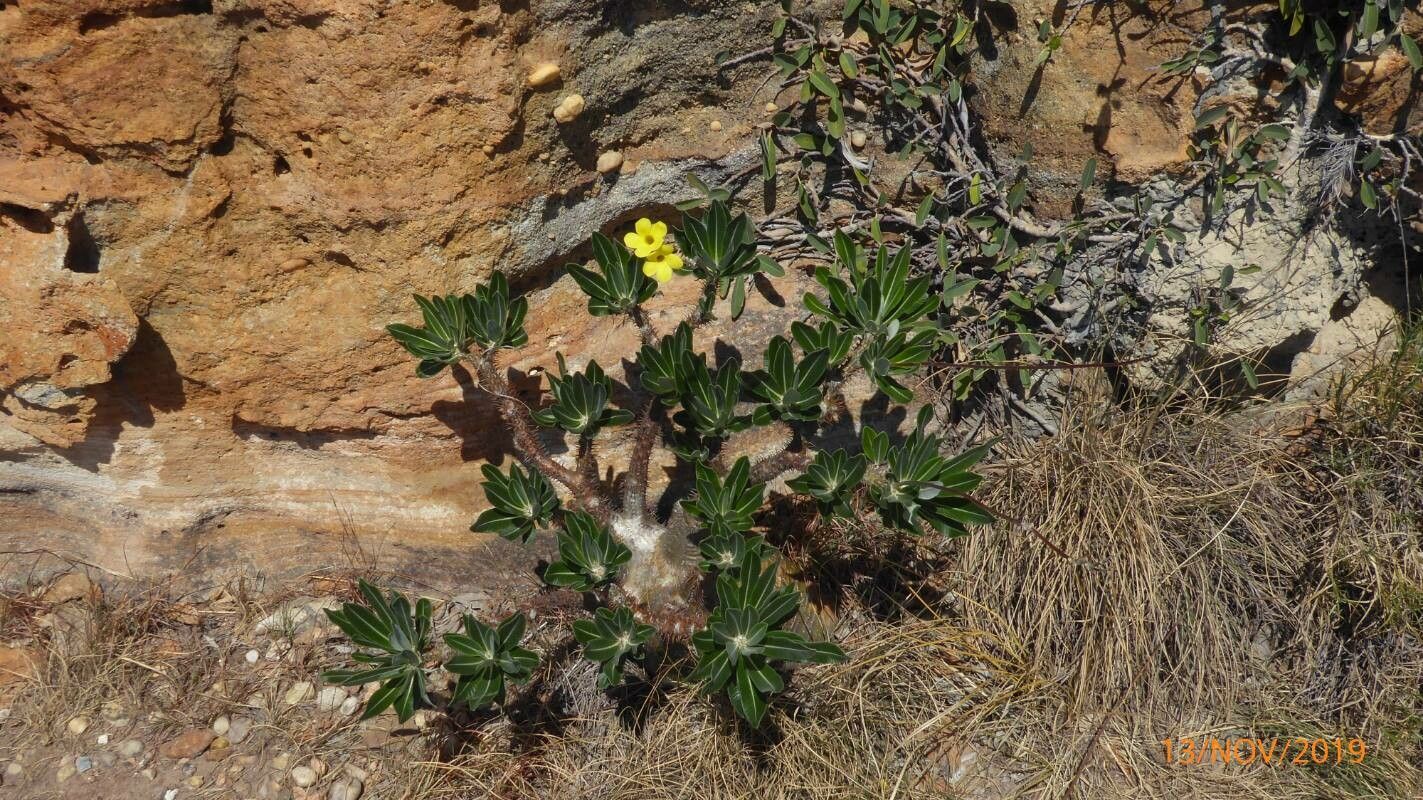
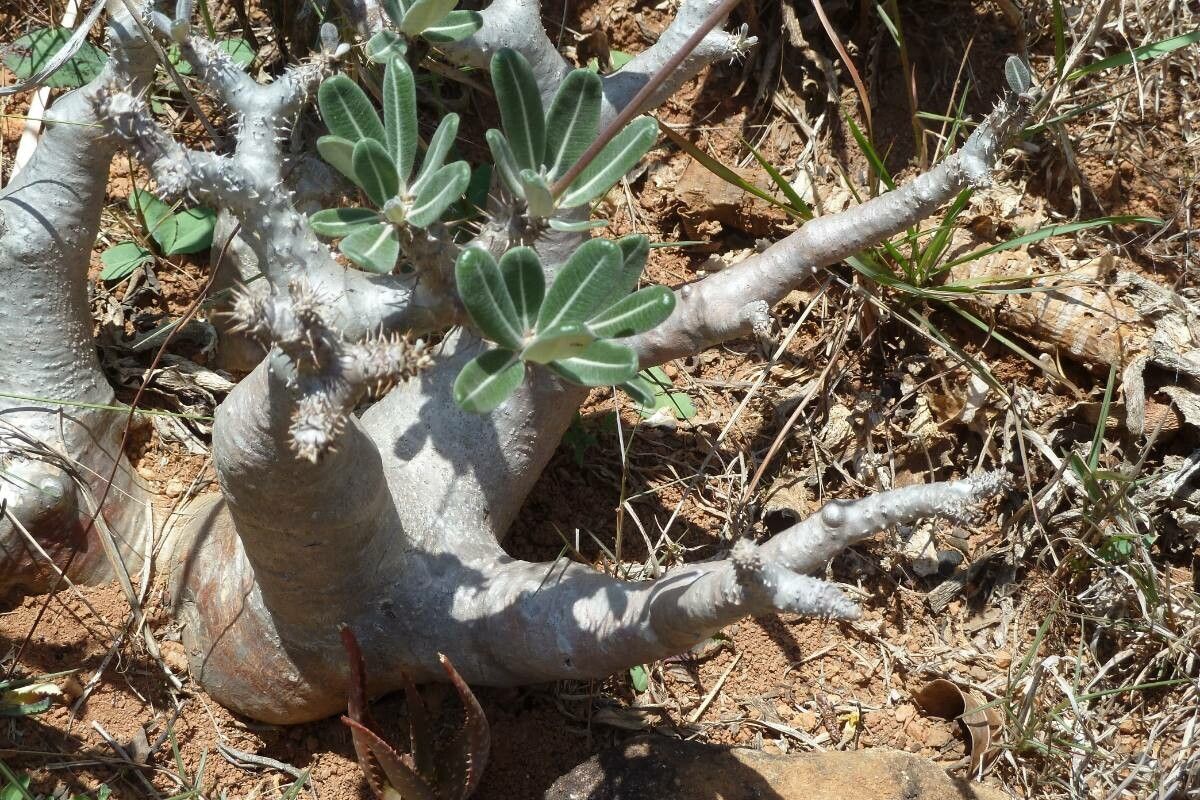
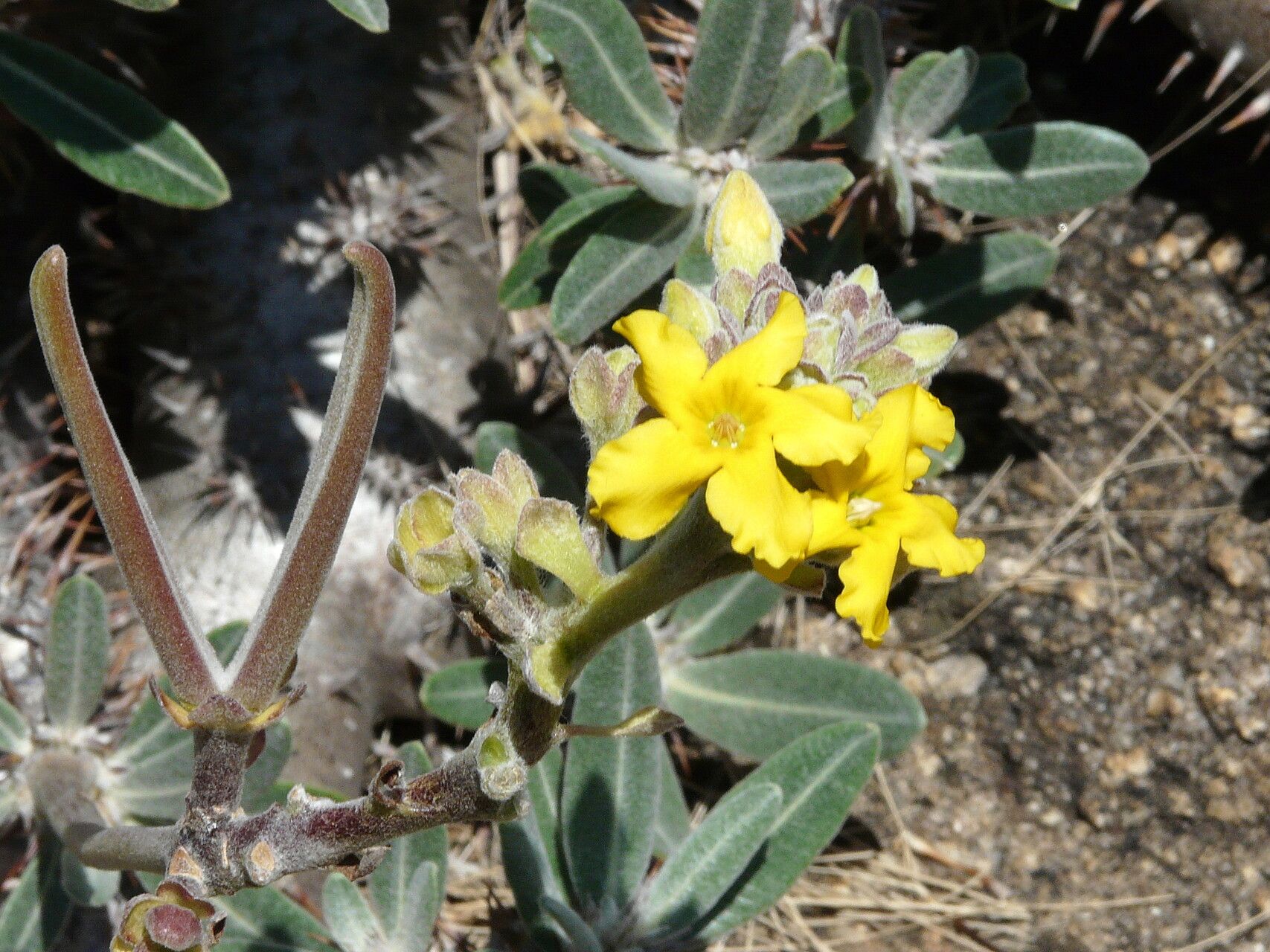
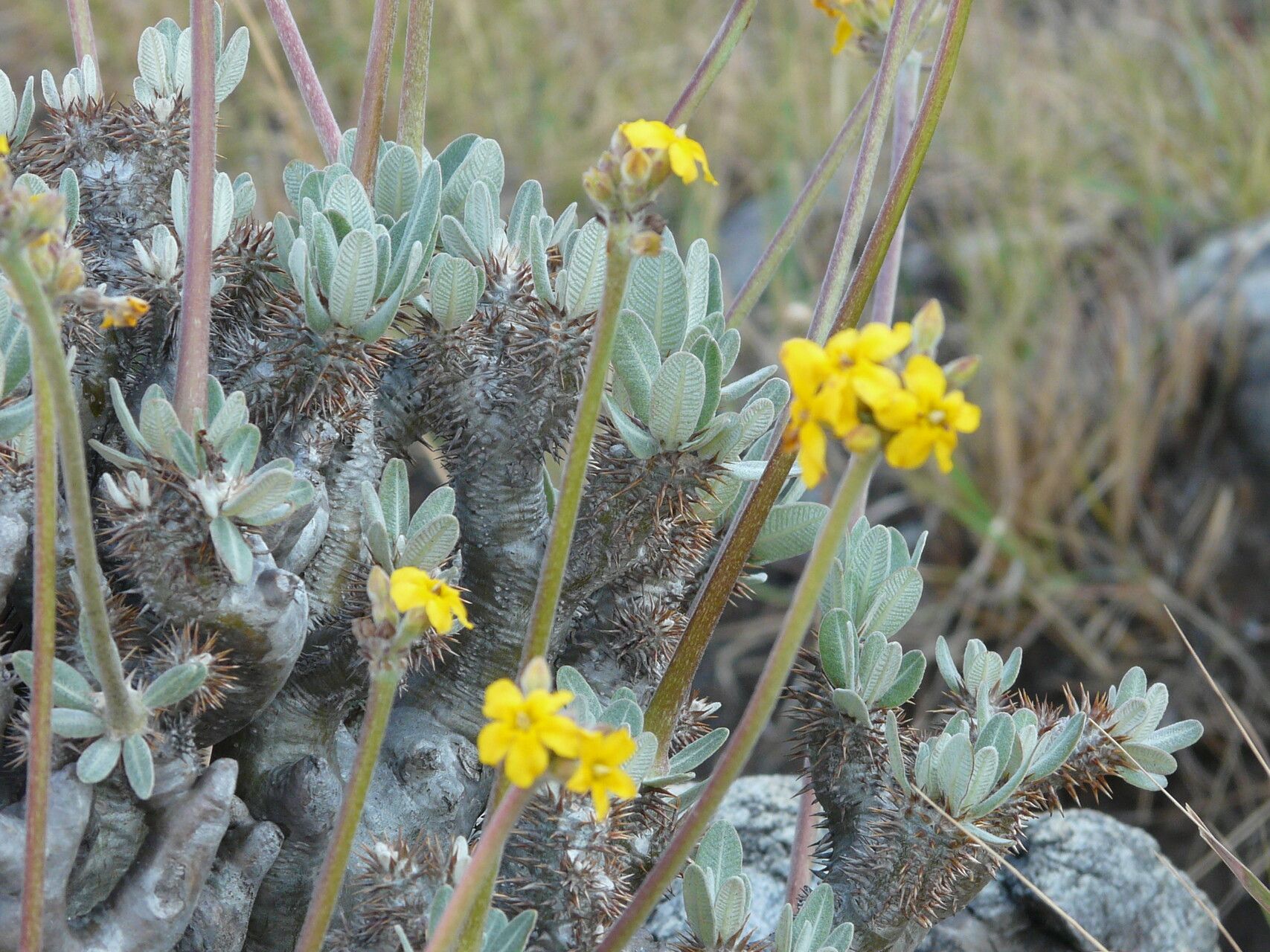
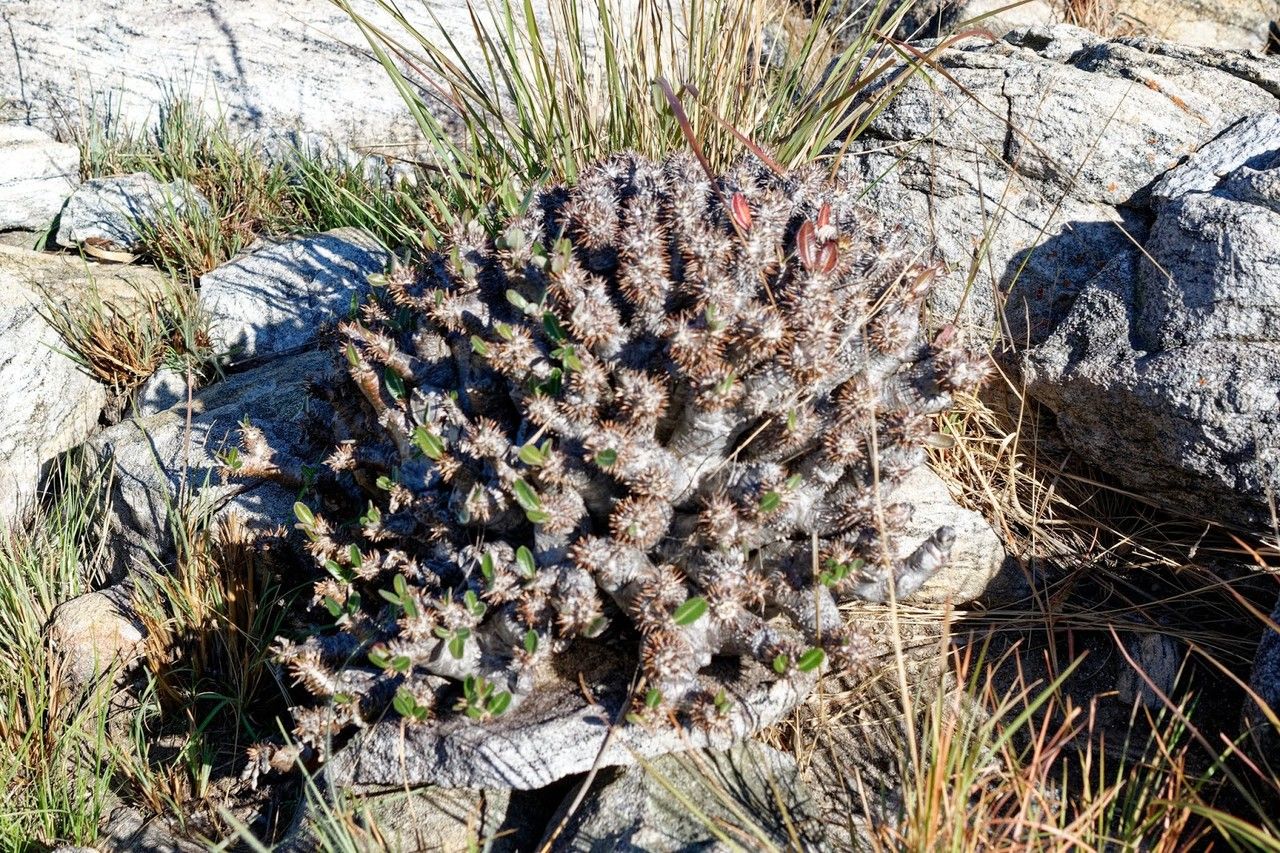
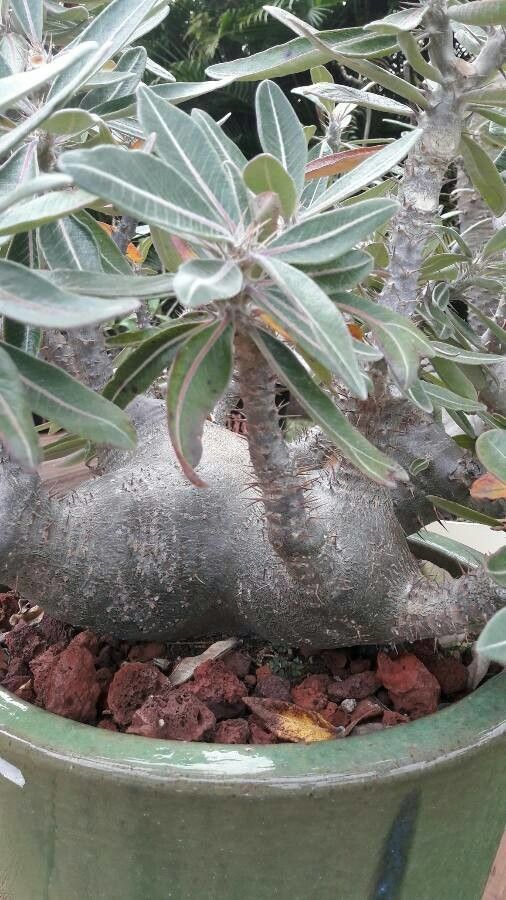
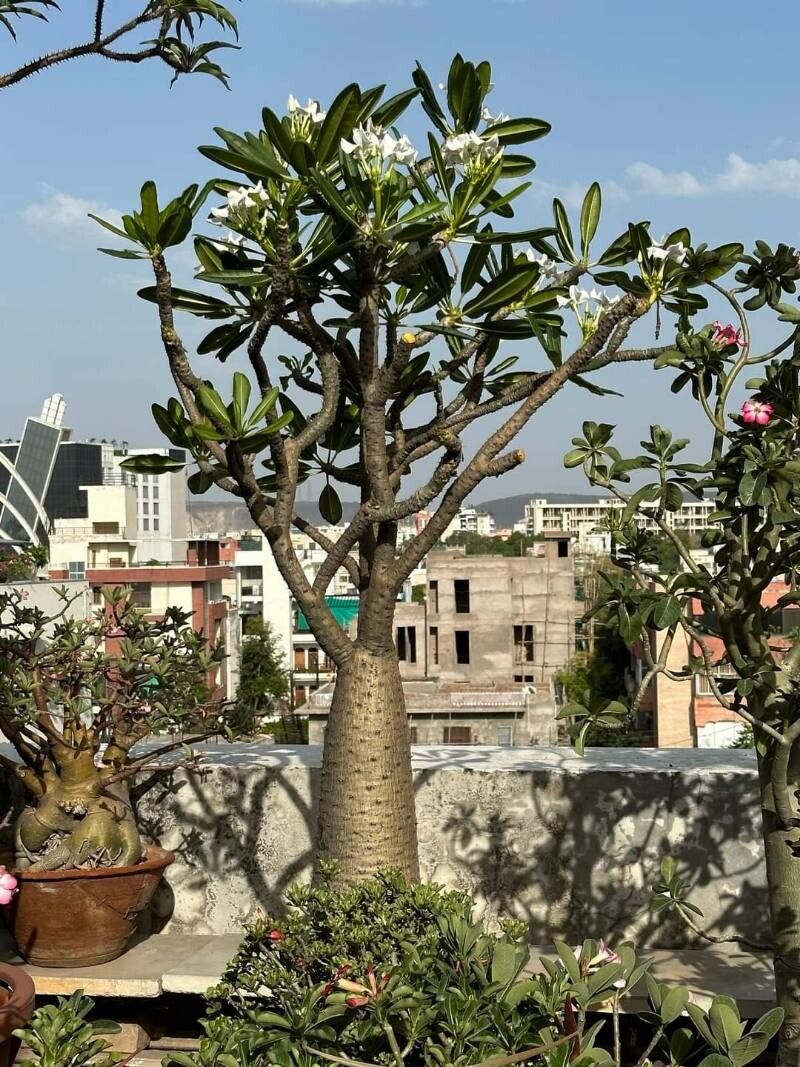
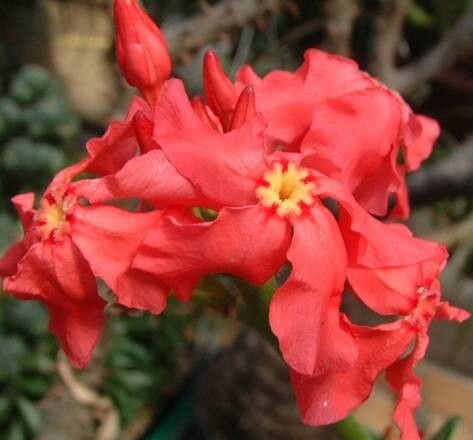
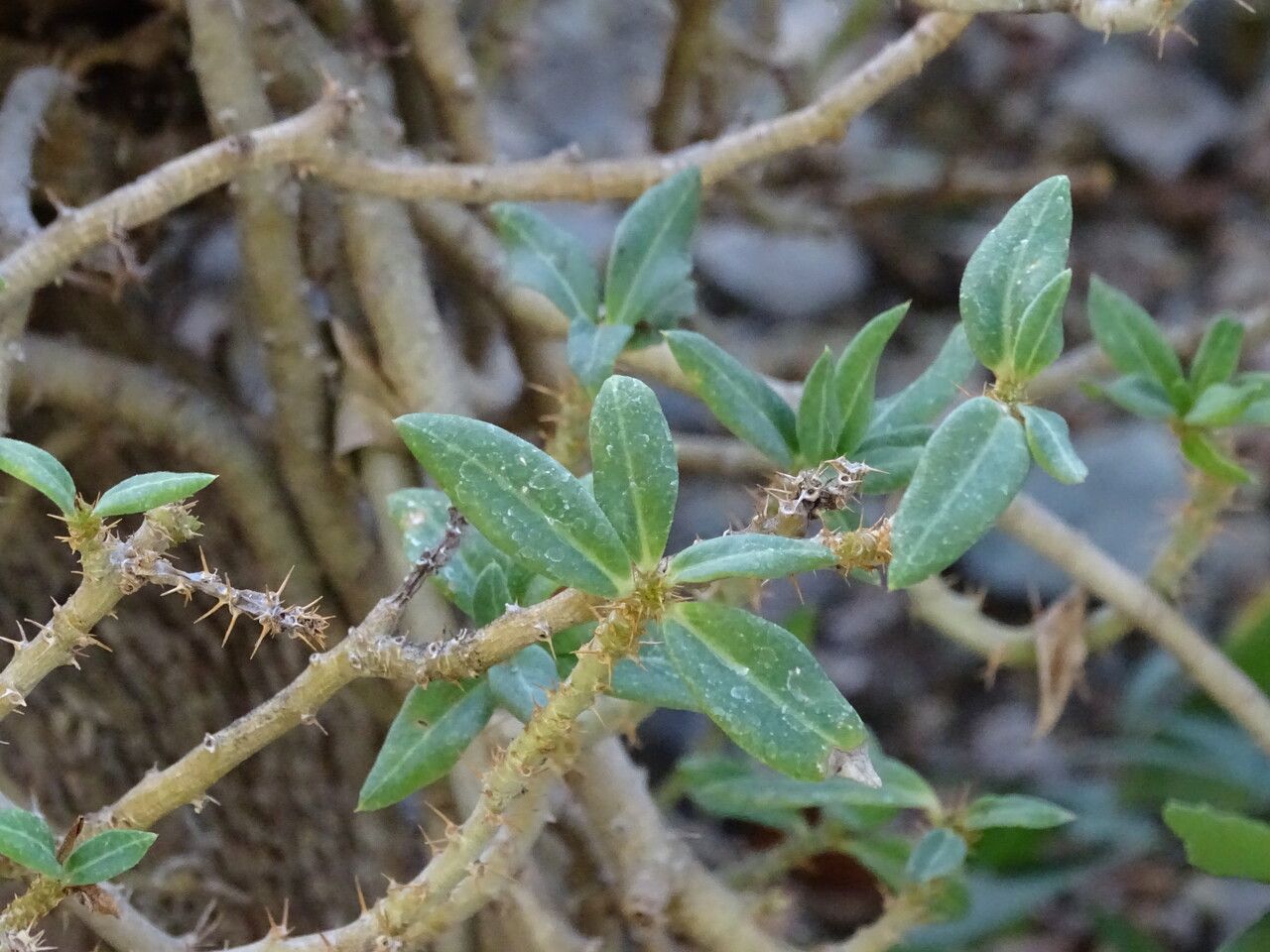
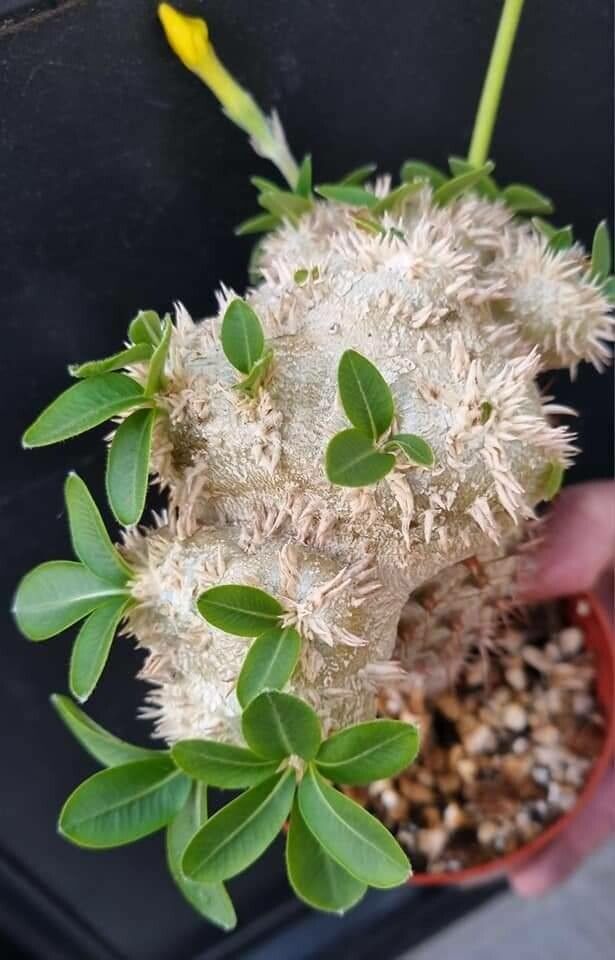
Pachypodium densiflorum is a species of flowering plant in the Apocynaceae family. It is native to Madagascar. In habitat, it grows on granite rocks in the central plateau of Madagascar.
Pachypodium densiflorum has moderate resistance to disease but is more affected by high humidity and excessive watering. It becomes more prone to illnesses when it receives insufficient light and is overwatered. Regarding care, Pachypodium densiflorum tolerates drought and can endure extended periods without irrigation. It requires little fertilizer and only occasional pruning. For these reasons, it is appropriate for growers at any skill level, particularly for those who prefer to spend less time on plant care and who may be away from home for extended stretches. It is a suitable option for people who do not wish to invest a lot of time in maintenance yet still want a plant that is simple to look after.
How to keep Pachypodium Densiflorum.
Light
Pachypodium densiflorum, native to dry regions, does best in full sun, as its natural habitat features intense sunlight and very little shade. It can also tolerate partial sun, which provides some flexibility in its growth.
Temperature
Pachypodium densiflorum does best in warm settings and needs higher temperatures during the growing season to encourage growth and metabolic activity. It prefers plenty of sunlight, suitable moisture levels, and good airflow. However, it can be damaged by very low temperatures and by overwatering. It's also important to maintain balance and avoid both excessively high heat and excessively dry conditions.
Fertilizer
Pachypodium densiflorum needs only light applications of fertilizer once or twice a year during the growing season. Do not fertilize in winter or in summer when it is dormant. Reduce fertilizer for plants that have been repotted and wait a couple of months after repotting before applying any. Fertilizing helps maintain healthy growth and encourages flowering.
Pruning
Pachypodium densiflorum is a plant known for its swollen stem and bright yellow flowers. To ensure its health and improve its appearance, it benefits from pruning in early spring. This rejuvenates the plant by removing dead branches and enhancing airflow. Minimal pruning is sufficient to maintain the plant's shape, while regular and consistent pruning techniques promote its overall health and boost flower production. These practices offer effective care guidance for gardeners looking to cultivate this plant successfully.
Pot & Repot
Repot Pachypodium densiflorum in the warmer months, using a container only slightly larger than the current one that provides good drainage. Use a well-draining mix formulated for cacti or succulents. Handle the roots and caudex with care during repotting. After repotting, wait about a week before watering to avoid root rot. Put the plant in a sunny location for best growth.
Botanical profile.
- Plant Type
- Succulent, Shrub
- Life Cycle
- Perennial
- Genus
- Pachypodium
- Family
- Apocynaceae
- Hardiness Zone
- 10-12
- Mature Height
- 49 cm to 91 cm
- Mature Spread
- 30 cm to 61 cm
- Leaf Color
- Green, Dark Green
- Leaf Type
- Deciduous
- Flower Color
- Yellow
- Flower Size
- 5.08 cm to 6.35 cm
- Bloom Time
- Mid spring, Late spring, Early summer
- Planting Time
- Spring, Summer, Autumn
- Harvest Time
- Mid summer, Late summer, Early fall
- Native Area
- Madagascar
Reader questions.
What are the sunlight requirements for Pachypodium densiflorum?
Pachypodium densiflorum requires full sun, meaning it needs above 6 hours of sunlight daily. It's important to observe how sunlight moves through your garden to select the best spots that offer the ideal mix of light and shade. This careful selection ensures your plants thrive by receiving the correct balance of sunlight.